OptiLinker
OptiLinker
OptiLinker
High-performance signal routing components engineered to meet rigid industrial standards and zero-latency specifications.
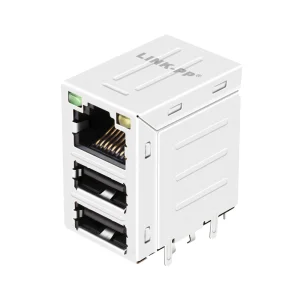
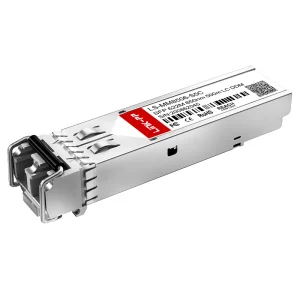
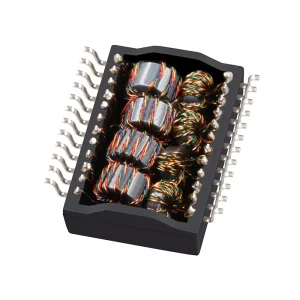
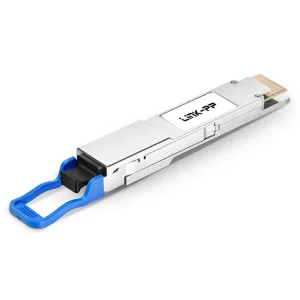
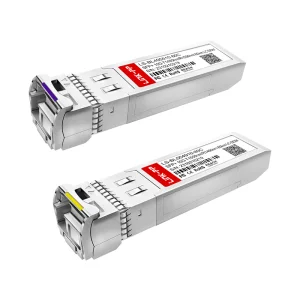
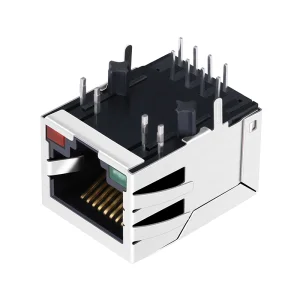
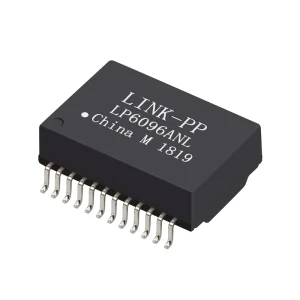
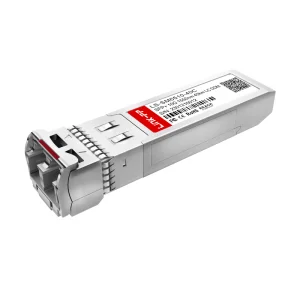
The Strategic Role of Heavy-Duty Connectors in Modern Automation & IoT Infrastructure
In the age of Industry 4.0, edge computing, and highly automated distributed infrastructures, network reliability has transitioned from a standard operational requirement to a mission-critical pillar of safety and productivity. The physical interface of standard commercial-grade RJ45 connectors is notoriously vulnerable to mechanical stress, thermal shocks, dynamic vibration, moisture intrusion, and electromagnetic interference (EMI). In critical applications, a single structural failure at the connector interface can trigger catastrophic downstream systems offline, leading to significant financial losses.
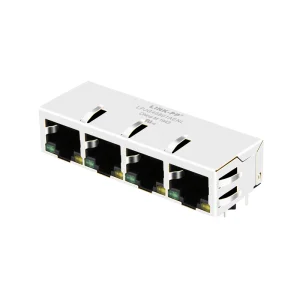
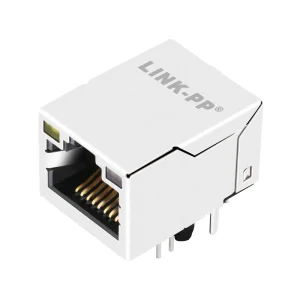
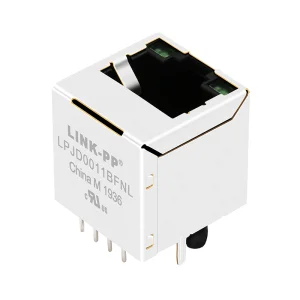
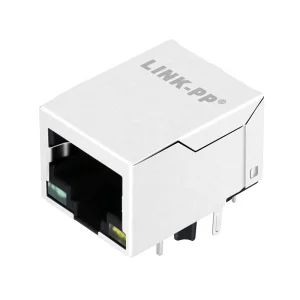
This is where Rugged RJ45 Connectors become indispensable. Engineered with heavy-duty materials, advanced environmental sealing, and precise physical shielding mechanisms, ruggedized RJ45 assemblies secure consistent, high-bandwidth communication lines. Across high-speed processing plants, smart logistics hubs, maritime vessels, and localized transit networks, these hardened interconnect solutions act as the bedrock of dependable data transmission.
Pioneering the Boundaries of High-Bandwidth Industrial Interconnects
The roadmap for industrial RJ45 connectors is closely aligned with the push for higher bandwidth, compact integration, and extreme environmental resilience. Standard Industrial Ethernet is rapidly transitioning from traditional 100 Mbps and 1 Gbps systems toward 10 Gbps (Cat6A) and even 25/40 Gbps (Cat8) networks at the machine level. Designing a connector that maintains signal integrity at these high frequencies while exposed to dirt, grease, and mechanical vibration requires advanced electromagnetic modeling and materials science.
Moving beyond IP67/IP68, future designs utilize advanced fluoroelastomer gaskets capable of resisting high-pressure washdowns (IP69K rating), standard in food processing and chemical industries.
With Power over Ethernet supporting up to 90W/100W (IEEE 802.3bt Type 4), connectors must dissipate heat effectively in sealed enclosures to prevent insertion loss degradation.
Integrating 360-degree continuous metallic shielding within die-cast zinc-nickel housings prevents signal degradation from high-voltage motors and variable frequency drives (VFDs).
In addition to physical durability, future rugged connectors are incorporating smart features, such as integrated diagnostic LEDs linked to physical-layer health monitoring chips. This allows maintenance crews to identify potential cabling wear, insertion degradation, or humidity leakage within the plug assembly before a catastrophic connection drop occurs.
Custom Interconnect Implementations Across Critical Infrastructure Verticals
Standard connectors are designed for temperature-controlled offices. When deployed in heavy industries, they degrade quickly. Ruggedized RJ45 architectures solve these specific structural challenges across several macro verticals:
High-Precision Production Facilities and Solid Engineering Foundations
As industrial automation demands global scaling, China's manufacturing clusters have evolved from simple assembly sites to advanced, highly automated Factory 4.0 facilities. This ecosystem combines supply chain localization with modern automation, ensuring predictable lead times and consistent product quality.
Operating within this high-efficiency environment, OptiLinker Optoelectronics Co., Ltd. (OptiLinker) has established itself as an optical transceiver manufacturer and solution provider. Under the brand OptiLinker (www.optilinkertrans.com), the company specializes in high-speed optical communication modules for global data centers and telecom networks.
Founded in 2016, OptiLinker operates a modern production facility with a total building area of approximately 320㎡. With continuous development in optical communication and high-speed signal transmission technology, the company has accumulated over 12 years of industry experience and approximately 8 years of export experience.
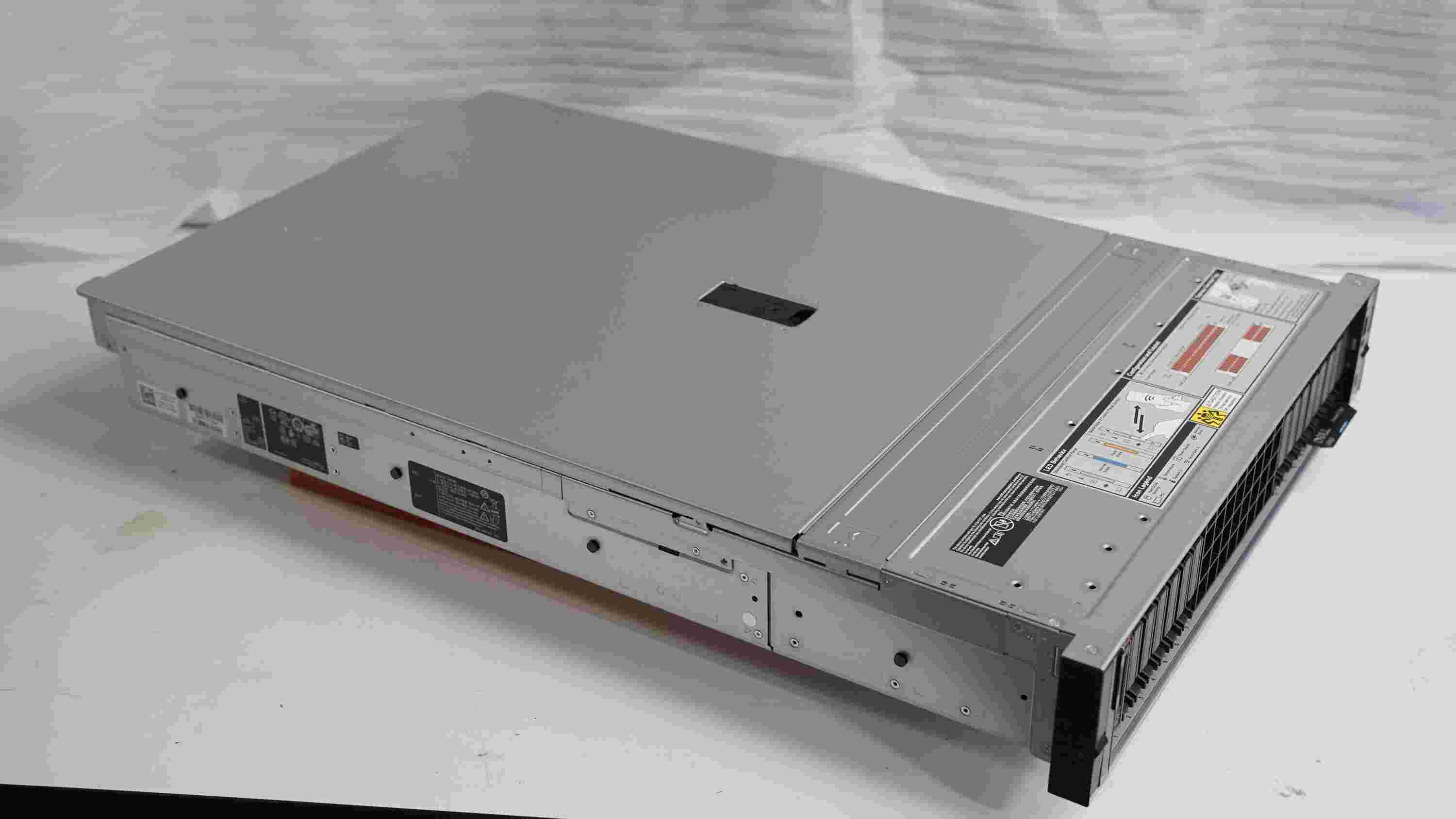

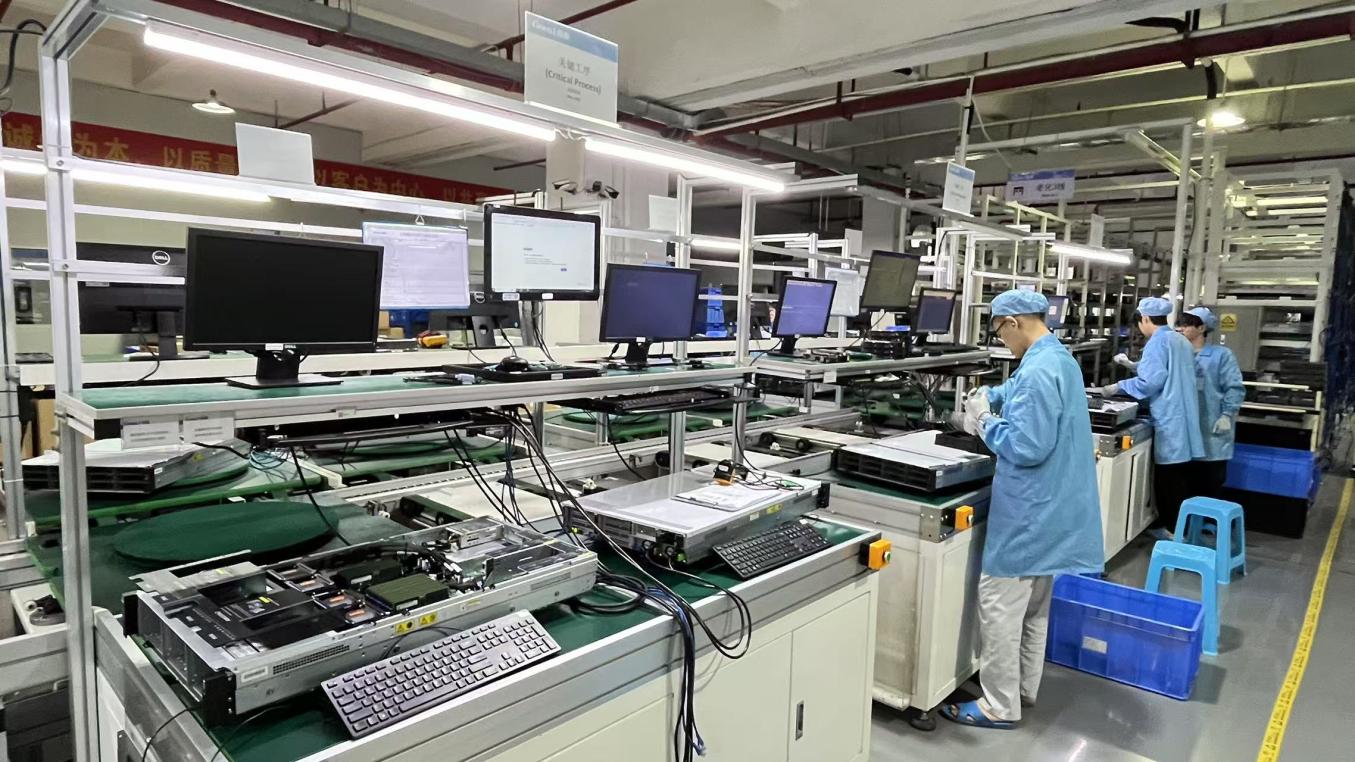
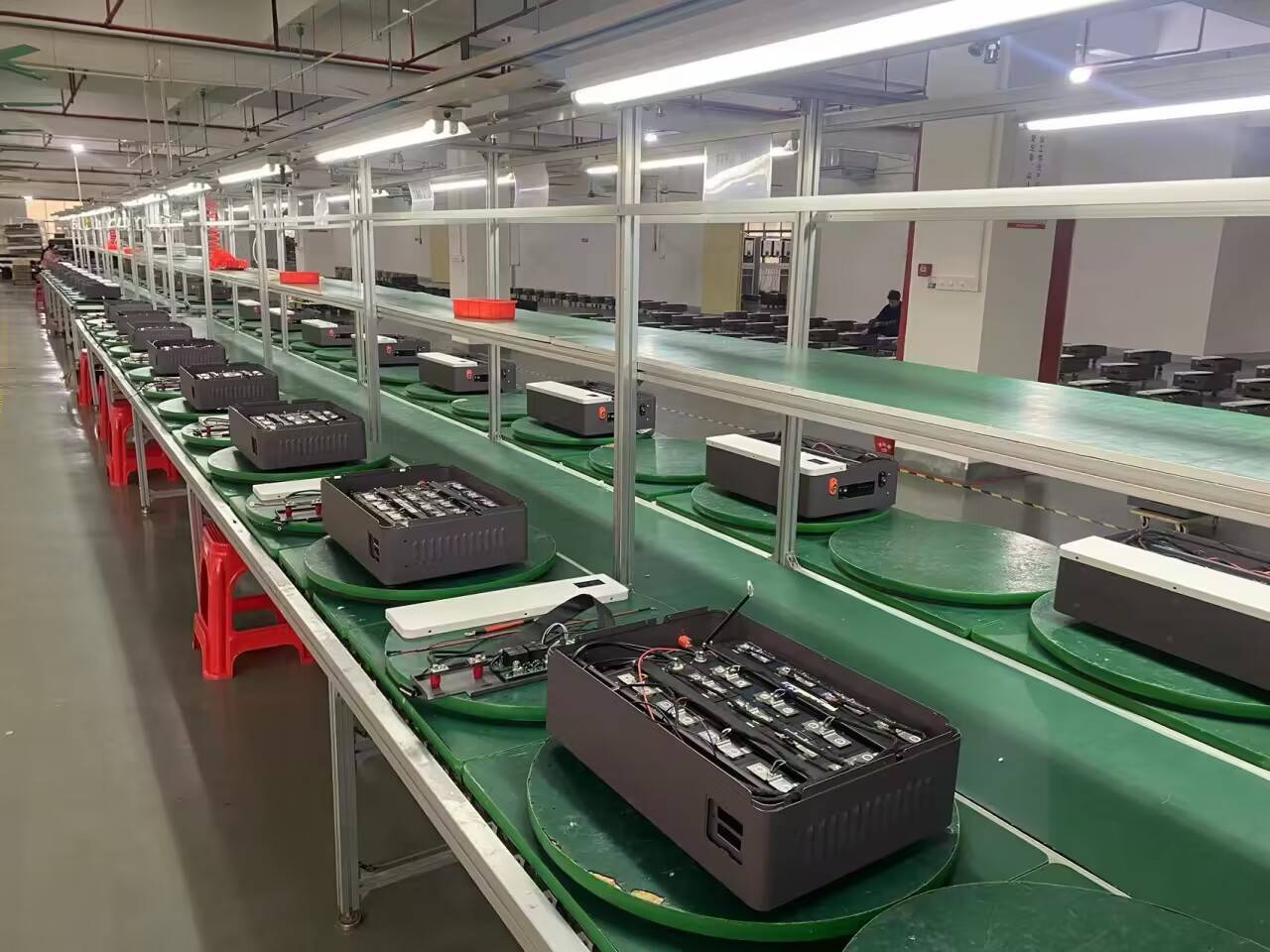
In the past fiscal year, OptiLinker achieved an annual export revenue of around USD 12 million, serving customers across North America, Europe, Southeast Asia, and the Middle East. The company maintains a strong global B2B trade background, focusing on OEM/ODM partnerships with network infrastructure providers.
Quality assurance is at the center of OptiLinker's operations. The company implements a 100% incoming material inspection, AOI automated optical inspection, and full optical performance testing. Product verification includes BER (Bit Error Rate) testing, eye diagram analysis, and high/low temperature cycling tests, ensuring stable performance in demanding network environments. The quality control team consists of 35 dedicated QC professionals.
OptiLinker collaborates with a global supply chain network of approximately 850 partners, enabling efficient sourcing and stable production capacity. The engineering team specializes in high-speed optical design, signal integrity optimization, and protocol compatibility development. OptiLinker offers flexible customization options including wavelength tuning, transmission distance, packaging form factors, firmware coding, and device compatibility programming.
Streamlining Sourcing for Global Enterprise and Infrastructure Projects
Strategic buyers from industrial enterprises, telecom operators, and systems integrators evaluate interconnect procurement through a balance of cost, customization capability, and supply chain reliability. For critical infrastructure projects, off-the-shelf catalog connectors rarely meet all mechanical and layout constraints. OEM/ODM customization is often necessary to achieve optimal performance.
Key procurement considerations include:
1. Mechanical Form Factors: Need for specialized spatial envelopes, rectangular vs. circular outer shells, and customized panel mountings.
2. Contact Plating Customization: Specifying gold plating thicknesses (from 15μ" to 50μ") depending on expected mating cycles and corrosion hazards.
3. Electrical Enhancements: Integrating magnetics (MagJack) directly inside rugged housings to save PCB footprint while providing surge protection.
4. Lead-Time Predictability: High-volume infrastructure rollouts require reliable delivery schedules. Partners with strong local raw material relationships can mitigate volatile metal and polymer pricing.
Meeting Rigorous Global Regulatory and Quality Benchmarks
Global operations require compliance with regional regulatory standards. Industrial connectors must satisfy strict environmental and safety codes before deployment in international projects:
To support global deployments, manufacturers must offer comprehensive technical documentation, including 3D CAD files, signal integrity simulation data, and test reports. Local technical representation or rapid-response engineering teams help resolve integration issues, reducing time-to-market for complex installations.
Detailed Answers to Industrial Connectivity Questions
High-speed modular transceivers and physical interfaces engineered for modern telecom infrastructure.