 OptiLinker
OptiLinker
OptiLinker
Explore our leading optical transceiver designs, engineered for extreme compatibility, ultra-low latency, and reliable thermal profiles across mission-critical networks.
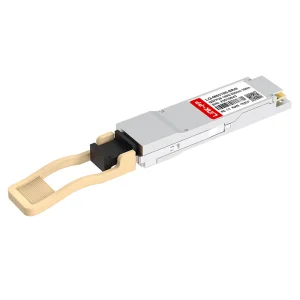
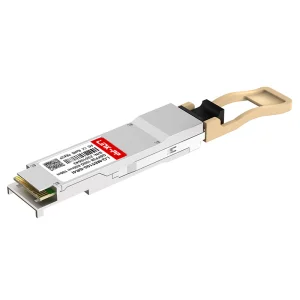
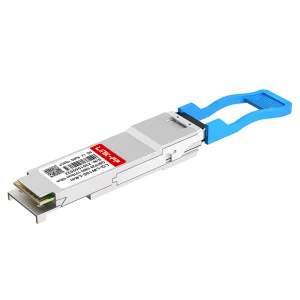
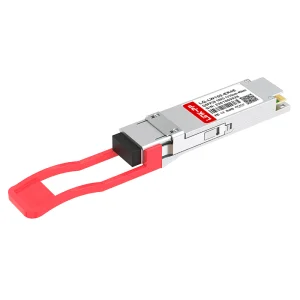
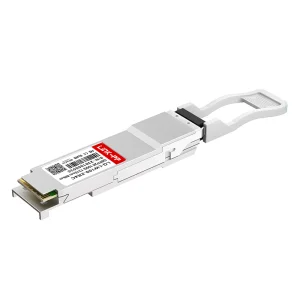
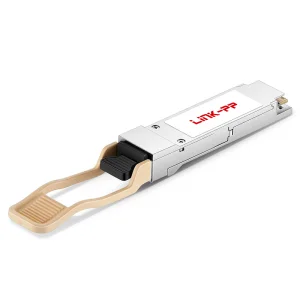
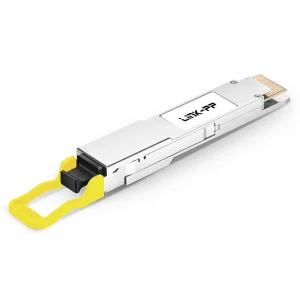
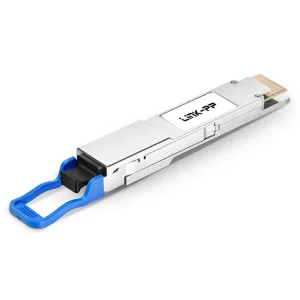
The global demand for high-speed network connectivity is shifting rapidly. With the exponential increase in traffic generated by Artificial Intelligence (AI), Machine Learning (ML) clusters, 5G wireless rollouts, and Cloud Hyperscale architectures, optical transceiver designs are adapting to strict parameters of power efficiency, optical density, and thermal control.
While 100G QSFP28 configurations remain a cornerstone for mainstream enterprise systems and edge cloud data interfaces, the market is undergoing a structural migration. Modern networks demand the dense lane capabilities of 200G QSFP56 and 400G QSFP-DD (Double Density) modules. The technical shift revolves around transition from NRZ (Non-Return-to-Zero) signaling to PAM4 (Pulse Amplitude Modulation 4-level) modulation formats. This doubles the data rate at the same physical baud rate, offering substantial reductions in physical cabling complexity, hardware foot-prints, and energy consumption.
For hardware architects and global procurement divisions, sourcing optical modules is no longer merely a cost-per-port equation. Enterprise-level infrastructure demands high resilience to ensure 99.999% uptime. Key decision criteria focus heavily on:
Different network architectures demand specialized transceiver specifications. Depending on the link length, optical fiber type (single mode vs. multi-mode), and density constraints, engineers select from a wide array of optical standards.
| Application Scenario | Recommended Module Speed | Fiber Type & Wavelength | Max Transmission Distance | Key Interface Standards |
|---|---|---|---|---|
| Intra-Cabinet & Short Reach (AI Clusters) | 100G / 200G / 400G | Multi-Mode (MMF) 850nm | 30m - 100m | SR4, SR8, Active Optical Cables (AOC) |
| Inter-Cabinet & Leaf-Spine Interconnect | 100G / 400G | Single Mode (SMF) 1310nm | 500m - 2km | DR4, FR4, PSM4 |
| Metro Ethernet & Data Center Interconnect (DCI) | 100G / 400G | Single Mode (SMF) CWDM / LAN-WDM | 10km - 40km | LR4, LR8, CWDM4, ER4, ER8 |
| Regional Distribution & Long Haul Transit | 100G / 400G | Single Mode (SMF) Coherent / LAN-WDM | 80km+ | ZR4, DWDM Coherent Modules |
OptiLinker Optoelectronics Co., Ltd. (OptiLinker) is a professional optical transceiver manufacturer and solution provider under the brand OptiLinker (www.optilinkertrans.com), specializing in high-speed optical communication modules for global data center and telecom applications.
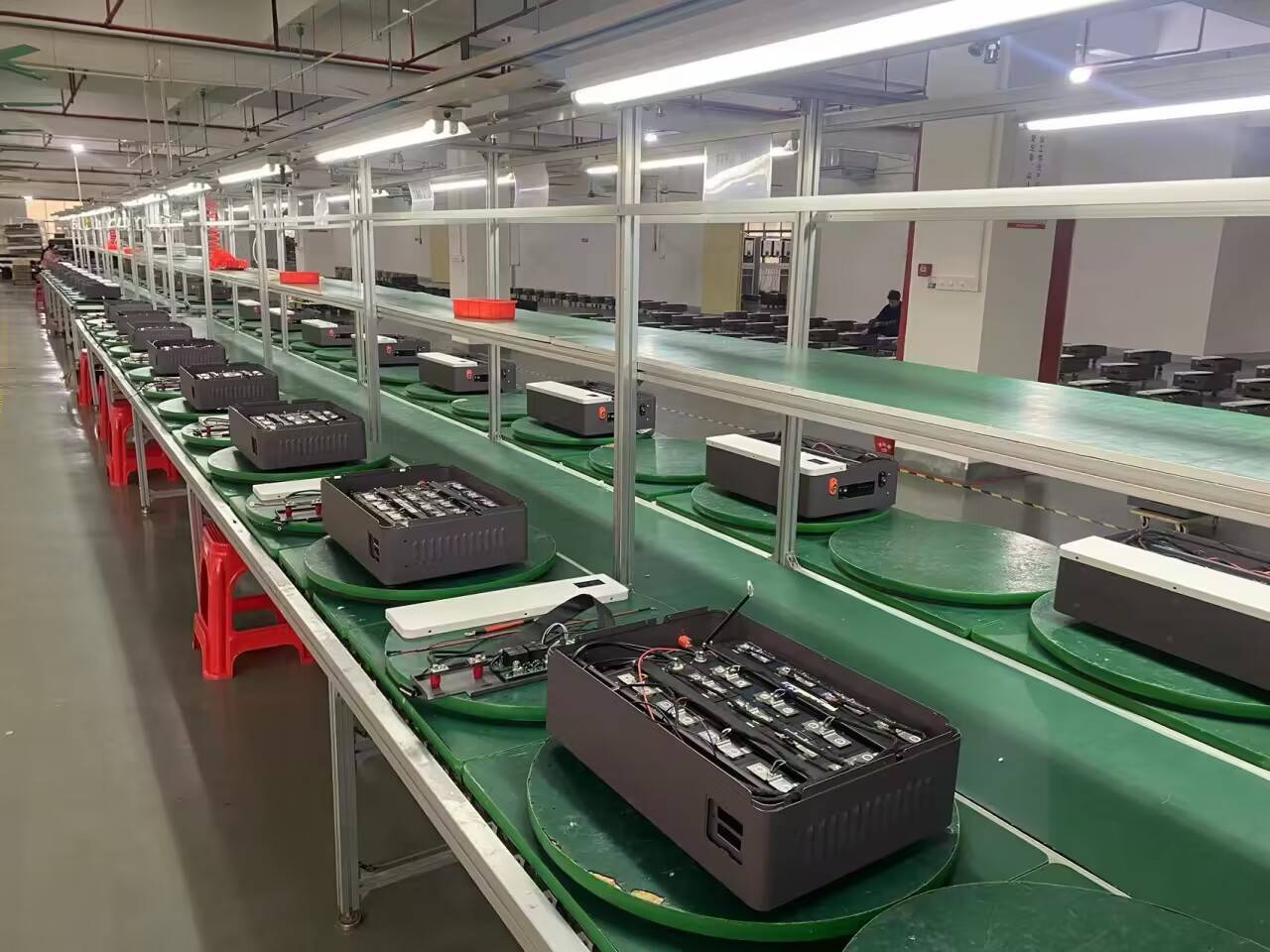
Founded in 2016, OptiLinker operates a modern production facility with a total building area of approximately 320㎡. With continuous development in optical communication technology, the company has accumulated over 12 years of industry experience and approximately 8 years of export experience.
In the past year, OptiLinker achieved an annual export revenue of around USD 12 million, serving customers across North America, Europe, Southeast Asia, and the Middle East. The company maintains a strong global B2B trade background, focusing on OEM/ODM partnerships with network infrastructure providers.
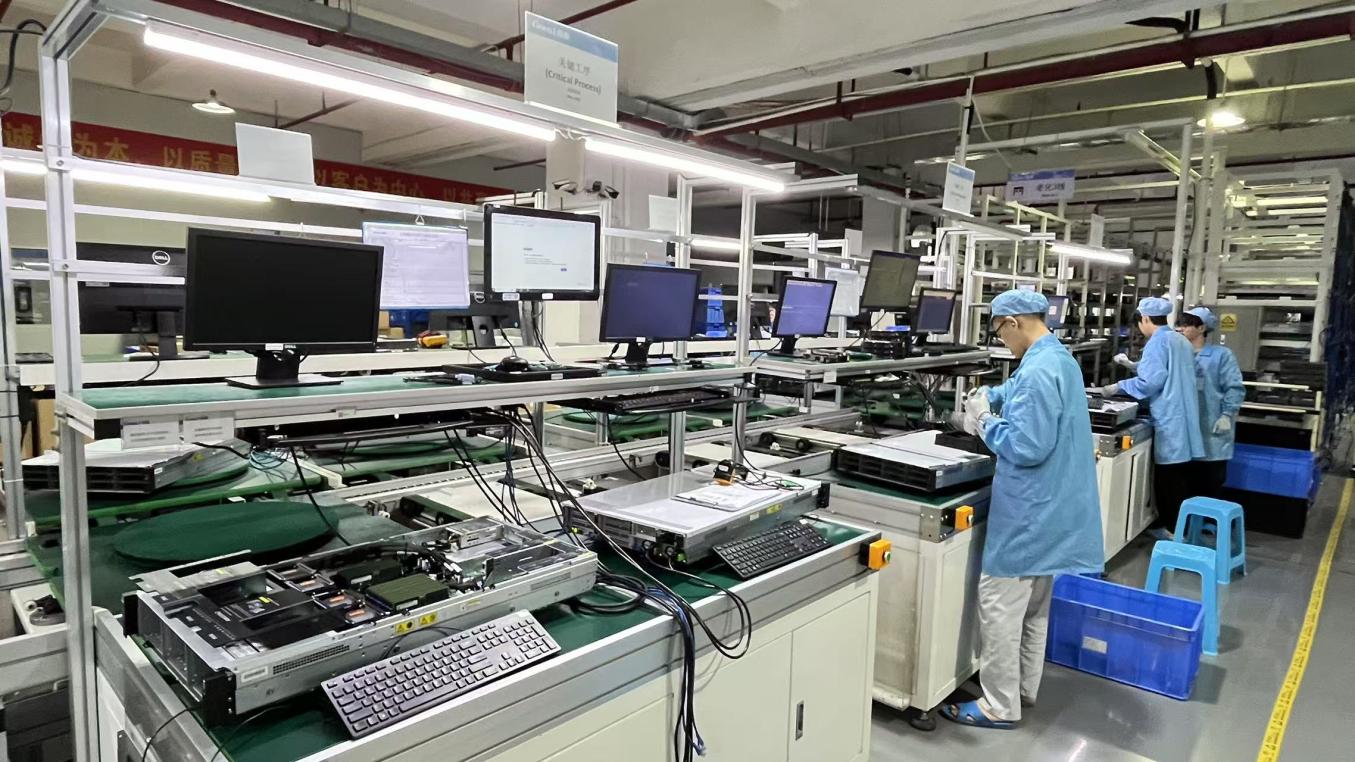
Quality assurance is a core focus at OptiLinker. The company implements 100% incoming material inspection, AOI automated optical inspection, and full optical performance testing. Product verification includes BER testing, eye diagram analysis, and high/low temperature cycling tests, ensuring stable performance under demanding network environments. The quality control team consists of 35 dedicated QC professionals.
OptiLinker collaborates with a global supply chain network of approximately 850 partners, enabling efficient sourcing and stable production capacity. Its main customer base includes telecom operators, data centers, system integrators, and networking equipment manufacturers.
The company has strong R&D capabilities, supported by a team of 60 experienced optical engineers. Its engineering team specializes in high-speed optical design, signal integrity optimization, and protocol compatibility development. OptiLinker offers flexible customization options including wavelength tuning, transmission distance, packaging form factors, firmware coding, and device compatibility programming.
In the last year alone, OptiLinker launched approximately 120 new optical transceiver products, reflecting its continuous innovation and rapid response to market demand.

Silicon Photonics (SiPh) technology is revolutionizing the industry by integrating laser arrays, optical modulators, and photodetectors onto a single silicon substrate. This significantly lowers overall manufacturing cost, footprint, and yields higher manufacturing scale, overcoming the physical limitations of discrete components at 400G and 800G.
LPO removes the Digital Signal Processor (DSP) inside transceivers, using high-linearity analog components to drive the signal directly to the host ASIC SerDes. Removing the DSP yields ultra-low latency, and reduces energy consumption by up to 50%, an essential feature for large-scale AI modeling architectures.
The next paradigm shift involves transitioning from 400G QSFP-DD to 800G (using 8 lanes of 100G PAM4) and eventually 1.6T architectures. These next-generation systems will demand Co-Packaged Optics (CPO) where the switch ASIC and optical engines share a unified physical substrate for minimum signal degradation.
Operating as a global exporter demands rigorous compliance protocols. OptiLinker is committed to providing fully certified network hardware that aligns with international regulatory standards, ensuring seamless import processing and deployment security.
All our 100G, 200G, and 400G optical modules carry full regulatory compliance certificates including CE, FCC, RoHS, and FDA Laser Class 1 safety regulations. This technical validation guarantees that modules can be integrated into high-density architectures across North America, Europe, Southeast Asia, and the Middle East without legal or technical compatibility risks.
One of the most critical aspects of global distribution is localization of software architectures. OptiLinker maintains dedicated compatibility labs with switches from major global vendors:
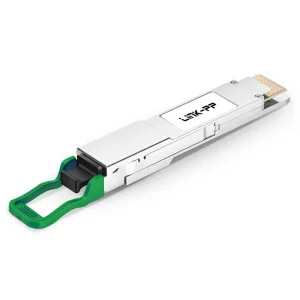
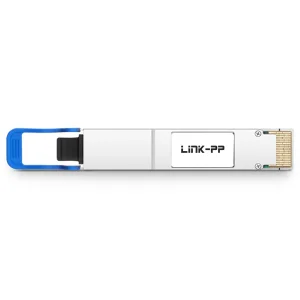
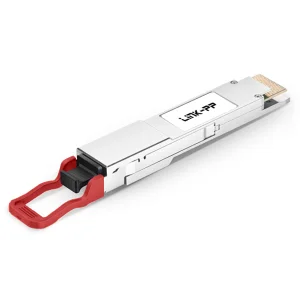
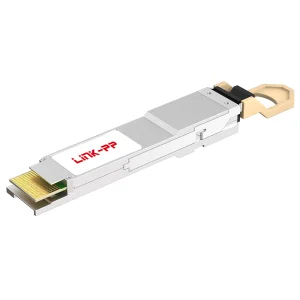
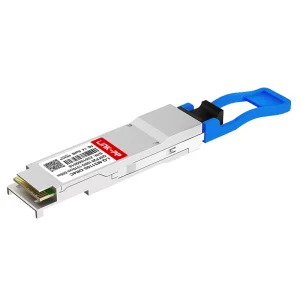
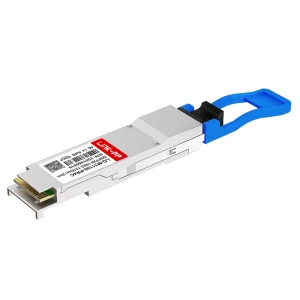
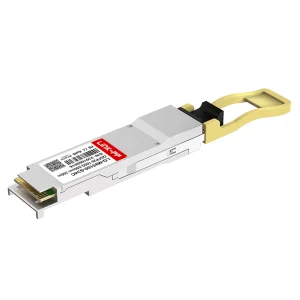
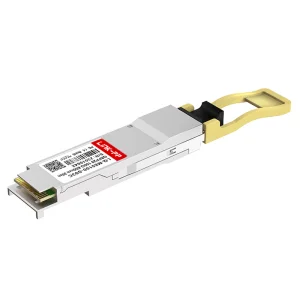
Advanced single-mode and multi-mode optical modules built for medium to long-haul transits, providing high bandwidth and minimal insertion loss.
Deep-dive technical resolutions to help network operations choose, program, and maintain high-speed transceiver architectures.