OptiLinker
OptiLinker
OptiLinker
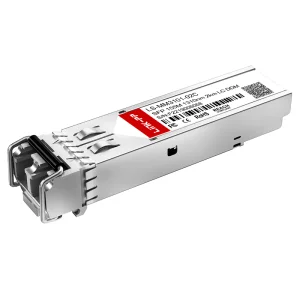
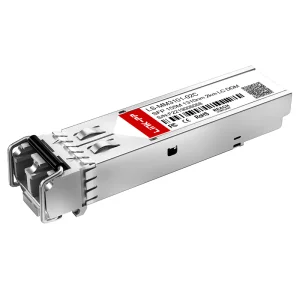
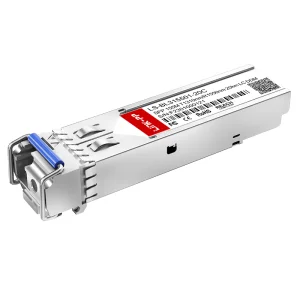
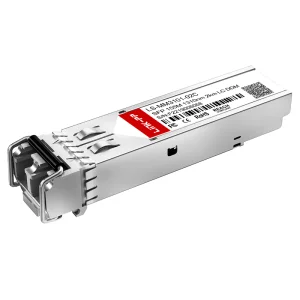
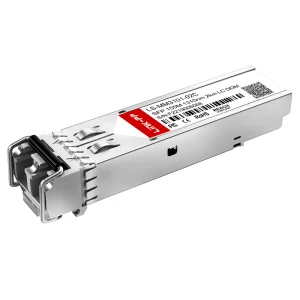
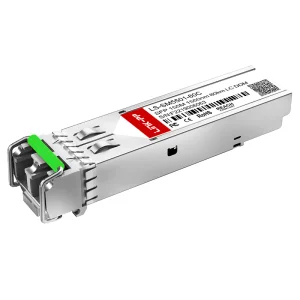
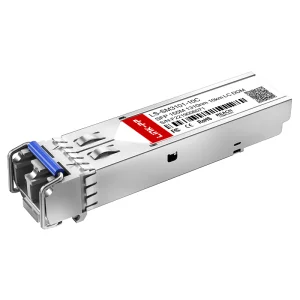
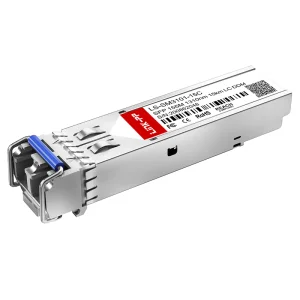
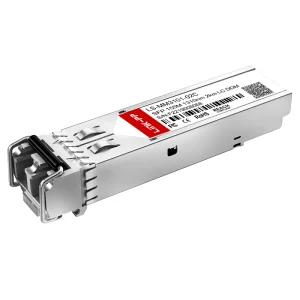
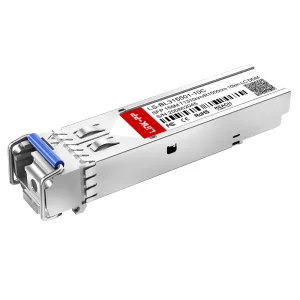
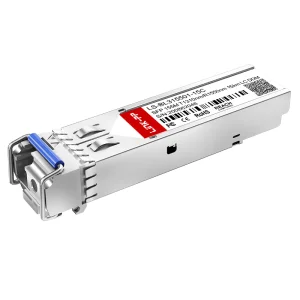
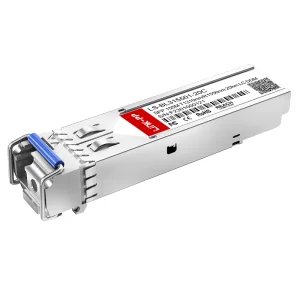
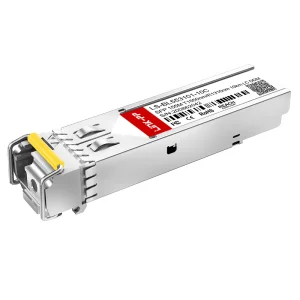
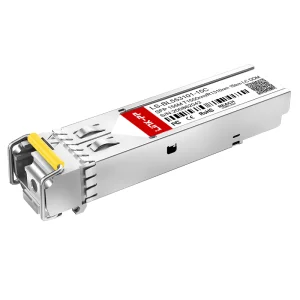
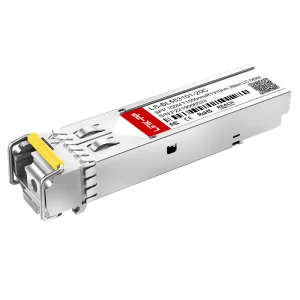
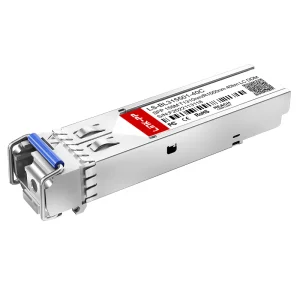
In an era dominated by Terabit-scale data centers and 800G connectivity, the 155M (Fast Ethernet/STM-1) and 622M (STM-4) Small Form-factor Pluggable (SFP) modules remain critical pillars of global communication infrastructure. As a specialized manufacturer, OptiLinker recognizes that these low-to-mid speed modules are not merely "legacy" components; they are essential for industrial control systems, smart grids, and long-haul telecommunications where reliability and protocol stability outweigh raw bandwidth.
These modules operate primarily within the SDH (Synchronous Digital Hierarchy) and SONET (Synchronous Optical Network) frameworks, providing the deterministic latency required for mission-critical operations. Whether it is a sub-station automation project or a metropolitan edge access network, the 155M/622M series offers a cost-effective, low-power-consumption alternative to high-speed modules, ensuring that legacy hardware can still thrive in a modern, interconnected ecosystem.
Furthermore, our 155M/622M SFP lineup is engineered to meet Industrial Temperature (I-Temp) standards, ranging from -40°C to +85°C. This robustness makes them indispensable for outdoor telecommunication cabinets, railway signaling systems, and maritime applications where environmental stability is non-negotiable.
Global procurement teams are shifting focus toward "Hybrid Modernization." Instead of total rip-and-replace, enterprises are seeking high-quality 155M/622M SFPs to extend the lifecycle of existing SDH equipment. This trend is driven by the need to maximize ROI on hardware that remains perfectly functional for low-bandwidth telemetry data.
The rise of the "Smart Grid" under the IEC 61850 standard has spiked demand for 100BASE-FX and 155M SFPs. These modules facilitate real-time communication between IEDs (Intelligent Electronic Devices) and control centers, where electromagnetic interference (EMI) immunity is paramount.
As AI moves to the edge, many sensing devices utilize 155M/622M rates for reliability over distance. The trend is toward "Hardened SFPs" that can withstand vibration and extreme temperatures in oil & gas and mining sectors.
Procurement departments are increasingly moving away from single-source OEM modules (like Cisco or Hirschmann) toward MSA-compliant third-party manufacturers like OptiLinker. This reduces lead times and lowers OpEx by up to 60% without sacrificing performance.
Our 622M SFP modules are optimized for STM-4/OC-12 interfaces, providing the backbone for DSLAM backhaul and fixed wireless access points. With DDM (Digital Diagnostic Monitoring) support, operators can monitor laser bias and power levels in real-time to prevent network downtime.
Compatible with Hirschmann, Moxa, and Advantech industrial switches, our 155M modules enable fiber-optic isolation in factory environments, protecting data from high-voltage motor interference.
Certified for EN50155 standards, these transceivers support signaling and passenger information systems, ensuring steady data flow across thousands of miles of trackside fiber.
The roadmap for 155M/622M technology is focusing on Energy Efficiency and Security. While the bit rates remain constant, the internal chipsets are evolving toward 28nm processes to minimize heat generation. OptiLinker is also pioneering "Secure-Optical" modules that include hardware-level encryption indicators for critical infrastructure protection.
We are also seeing a convergence toward SFP+ Form Factors that are backwards compatible with 155M rates, allowing for a seamless transition as edge nodes are eventually upgraded to 10G speeds without changing the physical cabling infrastructure.
OptiLinker Optoelectronics Co., Ltd. (OptiLinker) is a professional optical transceiver manufacturer and solution provider under the brand OptiLinker (www.optilinkertrans.com), specializing in high-speed optical communication modules for global data center and telecom applications.
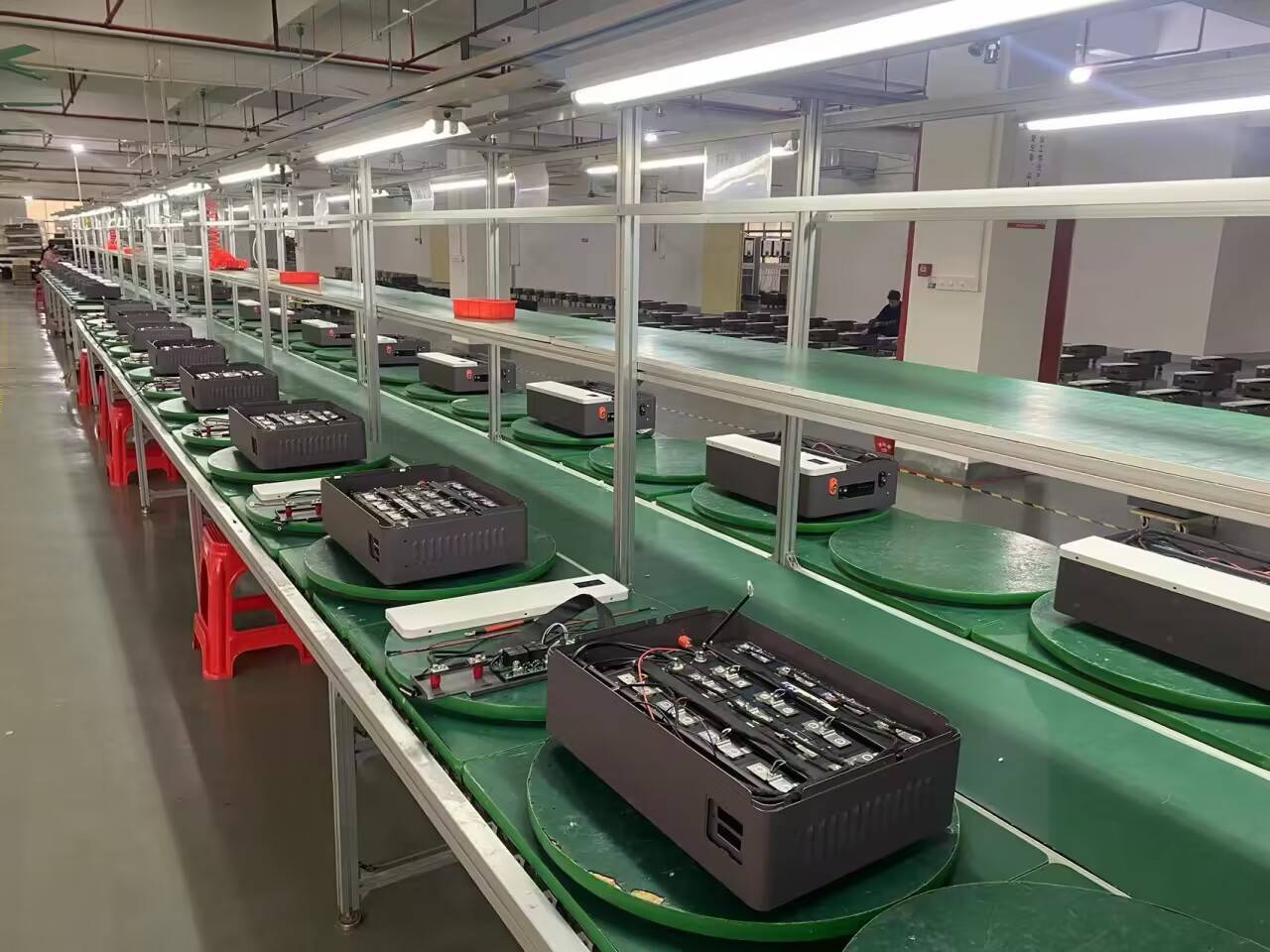
Founded in 2016, OptiLinker operates a modern production facility with a total building area of approximately 320㎡. With continuous development in optical communication technology, the company has accumulated over 12 years of industry experience and approximately 8 years of export experience.
In the past year, OptiLinker achieved an annual export revenue of around USD 12 million, serving customers across North America, Europe, Southeast Asia, and the Middle East. The company maintains a strong global B2B trade background, focusing on OEM/ODM partnerships with network infrastructure providers.
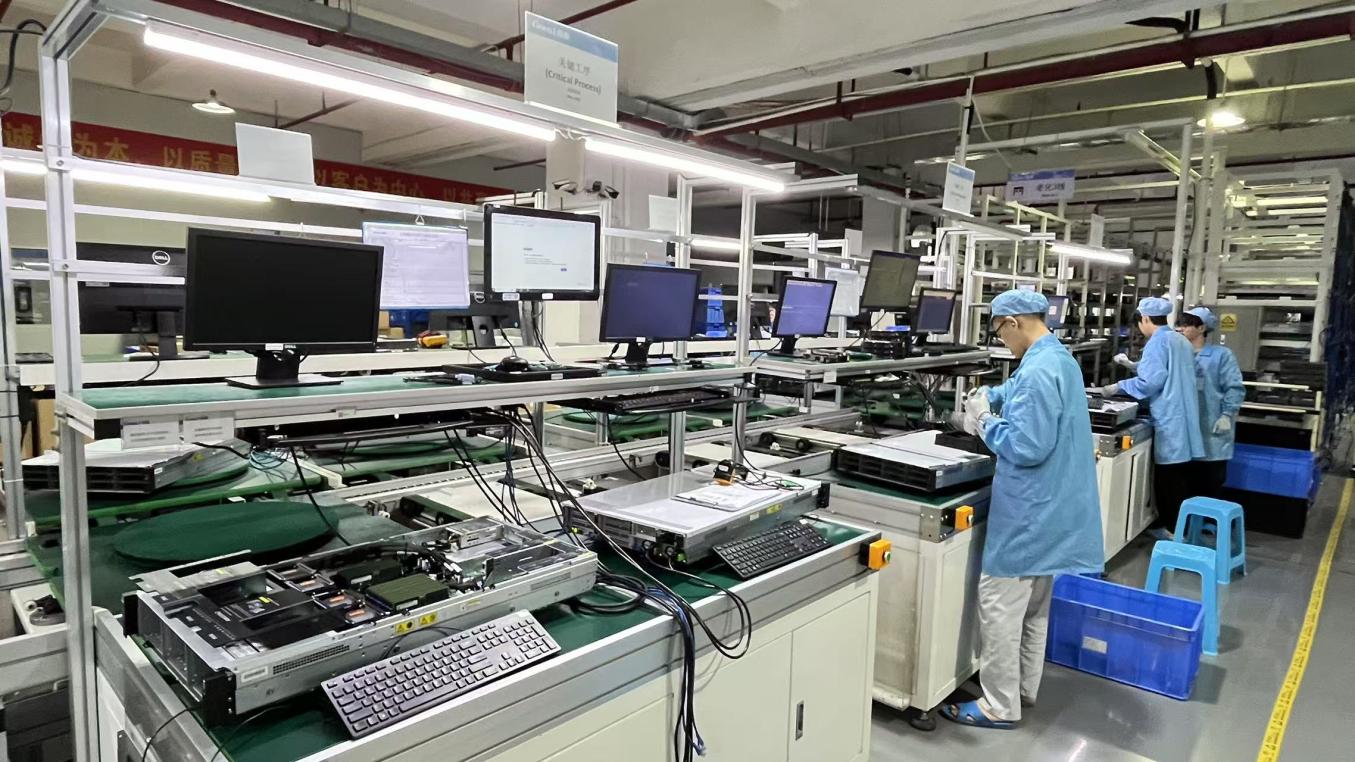
Quality assurance is a core focus at OptiLinker. The company implements 100% incoming material inspection, AOI automated optical inspection, and full optical performance testing. Product verification includes BER testing, eye diagram analysis, and high/low temperature cycling tests, ensuring stable performance under demanding network environments. The quality control team consists of 35 dedicated QC professionals.
OptiLinker collaborates with a global supply chain network of approximately 850 partners, enabling efficient sourcing and stable production capacity. Its main customer base includes telecom operators, data centers, system integrators, and networking equipment manufacturers.
The company has strong R&D capabilities, supported by a team of 60 experienced optical engineers. Its engineering team specializes in high-speed optical design, signal integrity optimization, and protocol compatibility development. OptiLinker offers flexible customization options including wavelength tuning, transmission distance, packaging form factors, firmware coding, and device compatibility programming.
In the last year alone, OptiLinker launched approximately 120 new optical transceiver products, reflecting its continuous innovation and rapid response to market demand.