OptiLinker
OptiLinker
OptiLinker
In high-frequency data transmission infrastructures, the physical interface layer is the critical bottleneck for signal integrity. Small Form-Factor Pluggable (SFP) cages and connectors act as the standardized mechanical and electrical containment shield for transceiver modules. Designed to support rates ranging from 1 Gb/s to over 28 Gb/s per channel (with advancements scaling into SFP28, SFP56, and SFP-DD configurations), these components must satisfy rigid dimensional tolerances and strict electromagnetic compliance guidelines.
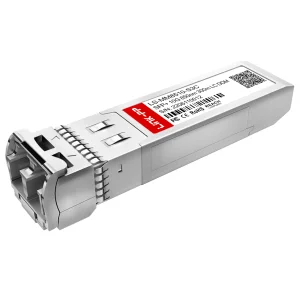
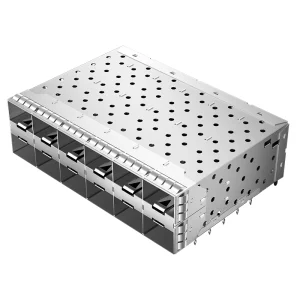
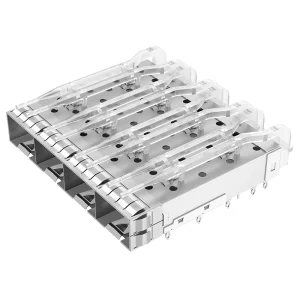
The function of the SFP Cage is twofold: to establish a structural, pluggable guidance mechanism for optical transceivers, and to provide comprehensive Electromagnetic Interference (EMI) suppression. Without optimized shielding, high-speed differential signal pathways act as antennas, radiating EMI that degrades nearby system components and fails FCC Part 15 / CISPR 22 regulations. High-performance SFP cages incorporate spring fingers, elastomeric gaskets, or conductive foam surrounding the cage bezel to ground the interface to the equipment chassis seamlessly.
Our cages employ multi-point, high-elasticity beryllium copper (BeCu) spring fingers. Under mating pressure, these fingers compress to form a continuous, low-resistance electrical path to the panel cutout, suppressing EMI leakages up to 40 GHz.
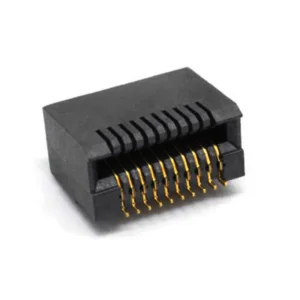
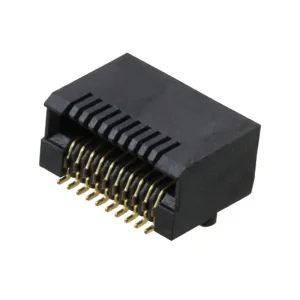
SFP cages generally utilize Press-Fit (compliant pin) termination to the PCB, providing high mechanical retention without requiring complex thermal profile soldering. Conversely, the high-speed SFP connector housed inside the cage typically uses SMT (Surface Mount Technology) to ensure minimum trace routing distortion on the PCB.
Electrical mating interfaces use select gold plating (from 15u" to 30u") over nickel underplating. This optimizes electrical conductivity, minimizes insertion force, and prevents fretting corrosion over hundreds of mating cycles.
OptiLinker Optoelectronics Co., Ltd. is a leading optical transceiver, SFP cage, and connector manufacturer and solution provider operating under the globally registered brand OptiLinker (www.optilinkertrans.com). Established in 2016, OptiLinker manages a state-of-the-art production facility, representing an engineered footprint designed to deliver high-density connection solutions for the modern data center and carrier telecom markets.
OptiLinker has consolidated more than 12 years of industry engineering experience alongside 8 years of dedicated export experience. Over the last fiscal year, our focused export activities generated USD 12 million in revenue across major tech hubs in North America, Europe, Southeast Asia, and the Middle East. With an agile engineering framework, OptiLinker is capable of scaling high-precision manufacturing, offering robust support to OEMs and ODM partners worldwide.
OptiLinker enforces a multi-tier quality management matrix. Standard operations mandate 100% incoming material inspection, in-line AOI automated optical inspection, and high-frequency RF verification. Finished transceivers and interconnect assemblies undergo complete optical and electrical verification, including Bit Error Rate (BER) testing, eye diagram analysis, and thermal shock chamber cycling to certify structural and signal stability.
Our 35-member Quality Control team works alongside our supply network of approximately 850 raw material and logistics partners to maintain consistent output, prompt material sourcing, and minimal lead times.
With 60 experienced optical and mechanical engineers, OptiLinker offers tailored architectural design paths. Beyond basic catalog items, we offer customizable solutions including:
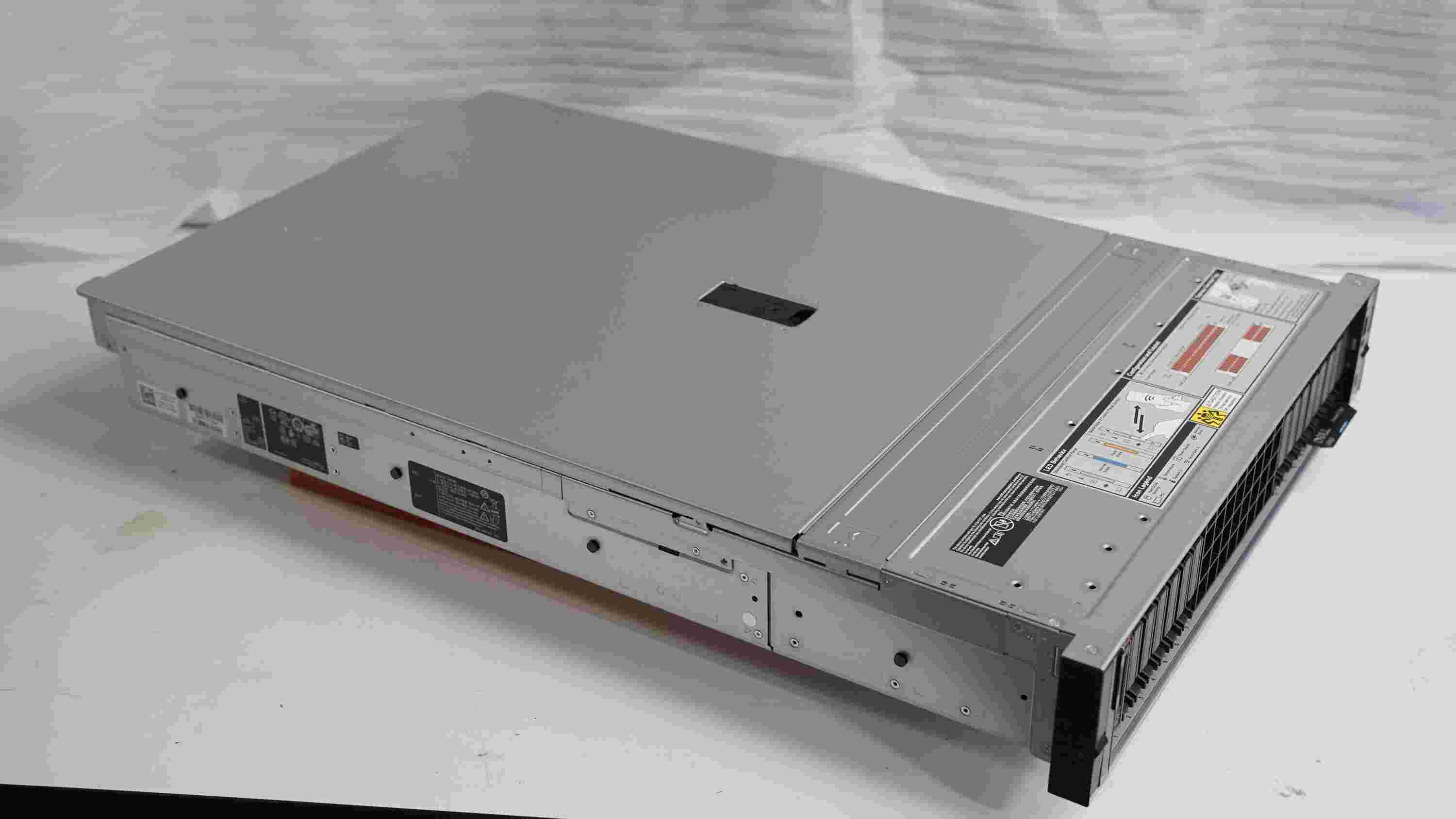

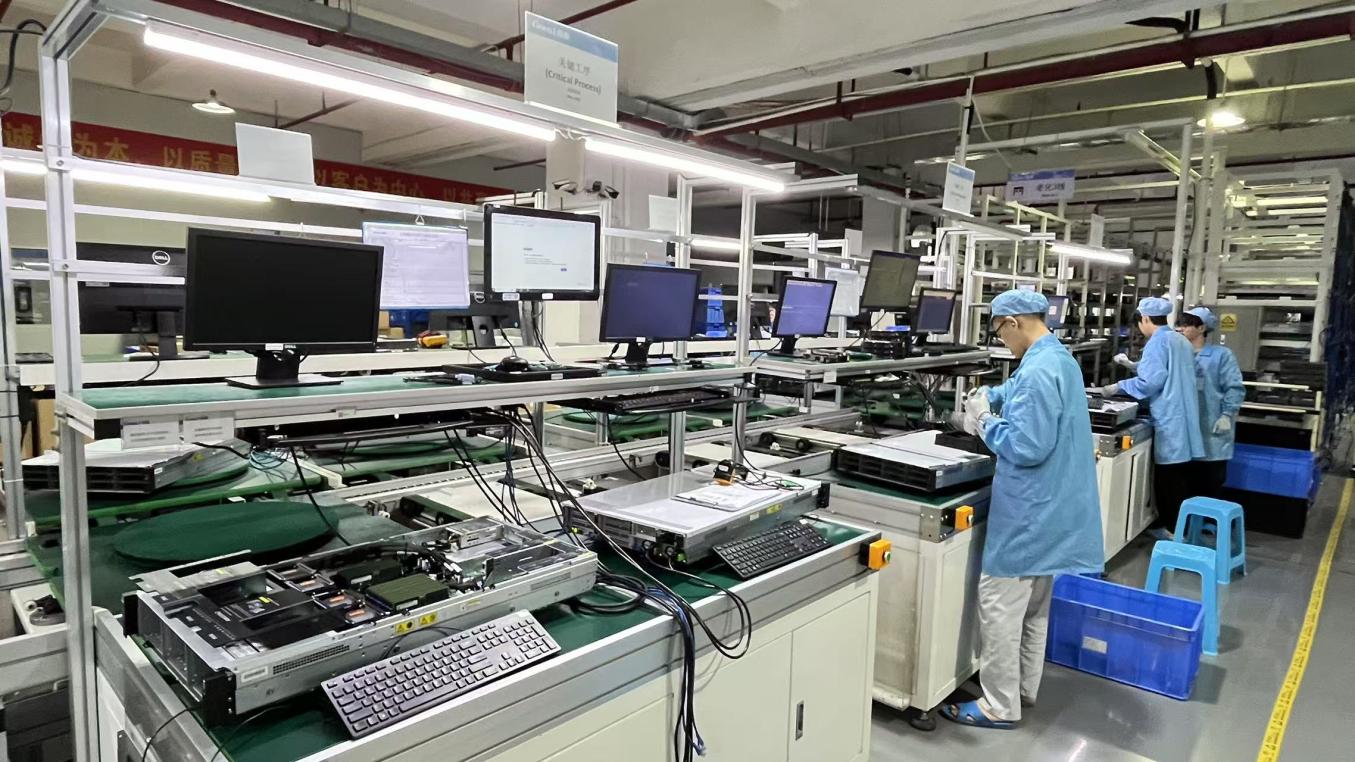
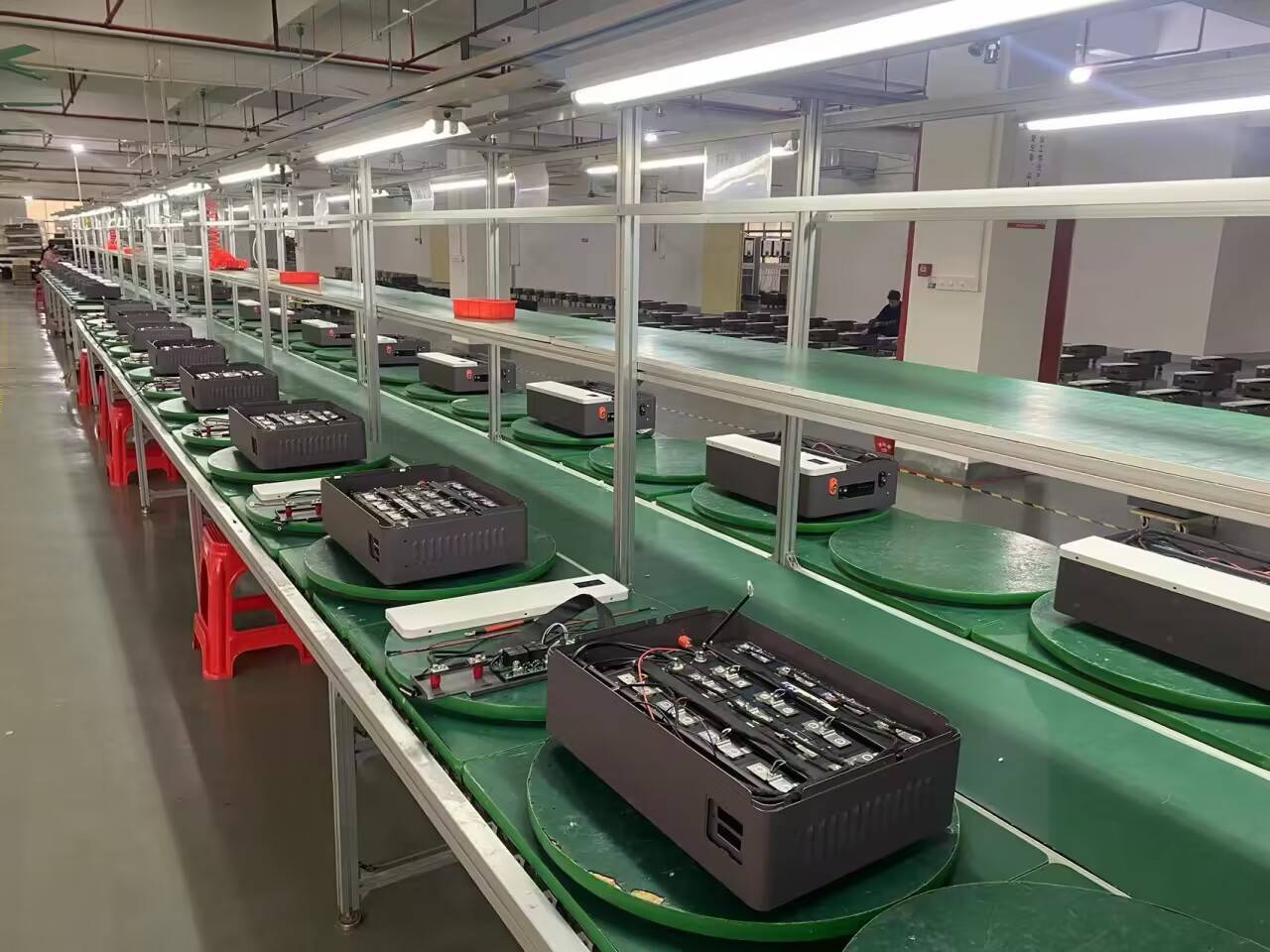
China remains the world's most robust ecosystem for electronic component manufacturing, offering high efficiency, precision engineering, and complete supply chain integration. In the optical communication sector, this ecosystem is essential for sourcing high-frequency mechanical components like SFP, SFP+, SFP28 cages, and their mating connectors.
OptiLinker's location inside China's electronics hub enables fast sourcing of raw copper alloys, high-performance liquid crystal polymers (LCP), plating chemicals, and mechanical tooling. This keeps logistics short, reducing lead times and safeguarding against supply disruptions.
SFP cages demand high-precision metal stamping tooling. A variance of even 0.02mm can lead to EMI leakage or mechanical mating failures. Chinese toolmakers offer rapid design verification cycles, allowing manufacturers to create custom prototypes and scale up production quickly.
Through automated production and integrated raw material supply, China-based production lines lower overall unit costs. These savings are passed on to global buyers without compromising high standards, such as 30u" gold plating and custom EMI gasketing.
SFP cages and connectors are widely used in enterprise and carrier network architectures. Choosing the right SFP assembly depends on the specific environmental and bandwidth needs of each application.
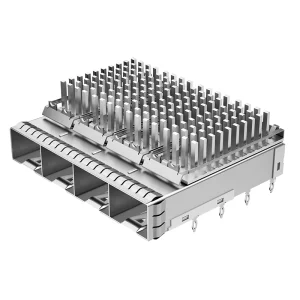
Modern data centers run on high-density leaf-spine network architectures. SFP28/SFP56 configurations are crucial for handling 25G and 50G server connections. The main challenge here is heat dissipation. Using stacked cages (like 2x4 or 2x6 ports) with integrated light pipes and heat sinks helps maintain stable optical module temperatures, reducing cooling demands and preventing thermal-induced optical drift.
Telecom base stations and central offices face harsh, unconditioned environments. Edge equipment must run reliably under extreme temperatures (-40°C to +85°C). OptiLinker SFP connectors with thick gold plating (30u") and ruggedized press-fit SFP+ cages ensure corrosion resistance and vibration stability in outdoor cabinets.
Enterprise storage arrays require high throughput, low latency, and zero packet loss. Our low insertion loss SFP connectors preserve signal integrity, minimizing jitter and bit error rates (BER) across Fiber Channel and high-speed Ethernet systems.
Industrial automation networks are exposed to high electromagnetic noise from heavy machinery. Our fully shielded, EMI-gasketed SFP cages prevent external noise from disrupting optical and copper transceiver ports, ensuring continuous plant operations.
For network architects and procurement managers, maintaining compatibility across diverse hardware vendors is essential. Small Form-Factor Pluggable products must strictly adhere to industry standard Multi-Source Agreements (MSAs), which define mechanical form factors, electrical interfaces, and signaling standards.
OptiLinker designs and manufactures all SFP, SFP+, and SFP28 cages to meet MSA standards. Our cages are fully compatible with industry-standard connectors and major hardware brands, including TE Connectivity, Molex, and Amphenol. This allows global operators to use our cages in existing systems without altering PCB layouts, reducing sourcing costs.
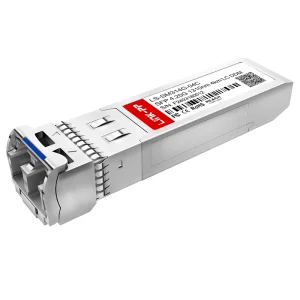
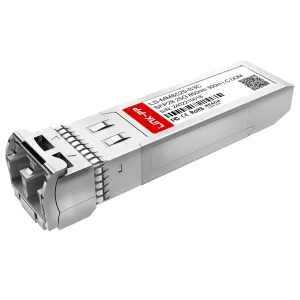
From a firmware perspective, our optical transceivers undergo extensive compatibility coding. We program EEPROM parameters to match the protocols of Cisco, Juniper, Arista, HP, and Dell, preventing compatibility alarms and system locking during deployment.