OptiLinker
OptiLinker
OptiLinker
High-performance RJ11 and networking components engineered for zero packet loss, exceptional signal stability, and industrial longevity.
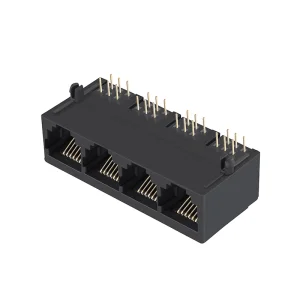
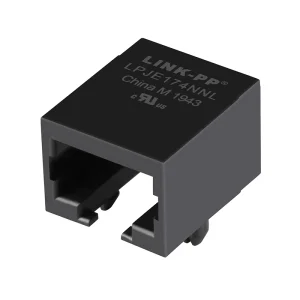
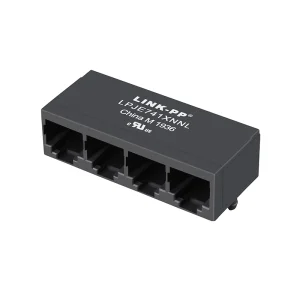
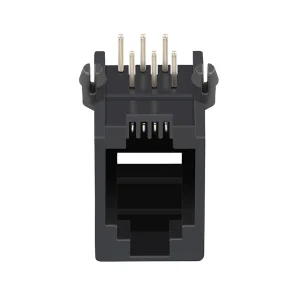
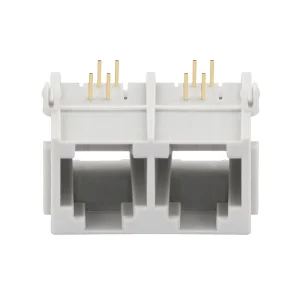
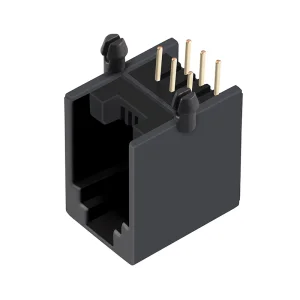
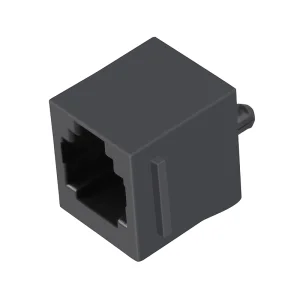
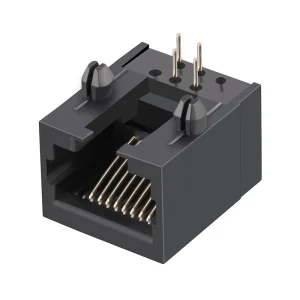
While modern networking headlines are dominated by fiber optics and multi-gigabit copper Ethernet, the RJ11 connector remains a foundation of global telecom, automation, and industrial control networks. Registered Jack-11 (RJ11) physical interfaces, using typical 4P4C, 6P4C, or 6P6C configurations, act as the final bridge for voice communications, DSL/broadband terminations, and local telemetry channels in massive systems worldwide. This industrial-grade documentation provides high information gain, breaking down critical specifications, global compliance matrices, supply chains, and future technical roadmaps to help procurement directors make informed decisions.
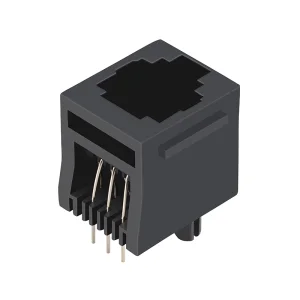
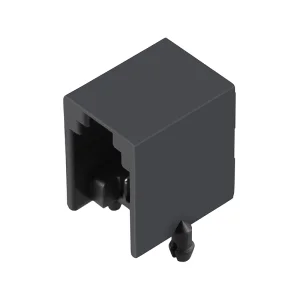
In telecommunication installations, RJ11 components serve as low-profile, cost-efficient connectors for analog lines and low-voltage control circuits. By using durable thermoplastics, contact plating (such as 50 micro-inches of gold over nickel), and precise tab orientations (Tab Up or Tab Down), these modular connectors guarantee continuous connections even in high-vibration manufacturing zones, remote power grid facilities, and sub-stations.
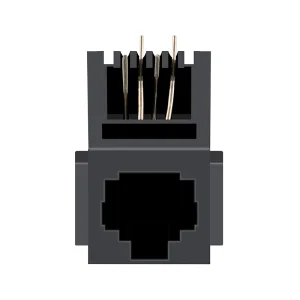
Selecting the correct RJ11 modular jack configuration requires an understanding of physical contact designations. The prefix "P" designates the physical positions in the plastic housing, while "C" specifies the actual copper conductors or contacts loaded into these positions.
Additionally, designers must choose between shielded and unshielded variants. Unshielded RJ11 jacks are suited for standard environments without high electro-magnetic interference (EMI). For harsh factory floors or installations running alongside heavy machinery power cables, shielded RJ11 configurations with metallic outer shells prevent signal degradation, ensuring noise immunity and long-term signal integrity.
As a professional manufacturer and solution provider, OptiLinker Optoelectronics Co., Ltd. (OptiLinker) specializes in both high-speed optical communications and standard copper interfaces. Founded in 2016 and utilizing a brand website at www.optilinkertrans.com, OptiLinker operates a modern production facility designed to meet international standards. The company features 12 years of industry experience combined with 8 years of export experience, achieving an annual export revenue of USD 12 million.
OptiLinker's robust global B2B footprint is built on strict quality control processes. Our team of 35 dedicated QC professionals conducts 100% incoming material inspection, AOI (Automated Optical Inspection), and performance validation, including Bit Error Rate (BER) testing, eye diagram analysis, and environmental chamber testing from -40°C to +85°C. With an R&D team of 60 experienced optical engineers and a network of 850 supply partners, OptiLinker supports complete customization, ranging from contact plating and pin layouts to firmware coding and custom optical wavelength optimization.
The table below summarizes critical specifications for standard RJ11 modular jacks compared to hybrid and high-speed communication interfaces, giving system engineers a clear view of physical and mechanical limitations.
| Interface Type | Common Configuration | Shielding Options | Contact Resistance | Industrial Applications |
|---|---|---|---|---|
| RJ11 Modular Jack | 6P6C / 6P4C / 4P4C | Shielded / Unshielded | < 20 mΩ | POTS, DSL modems, IoT sensors, low-speed control buses |
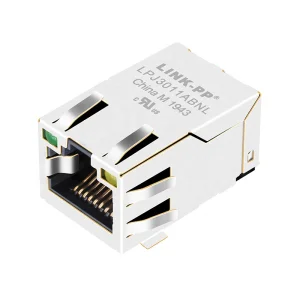
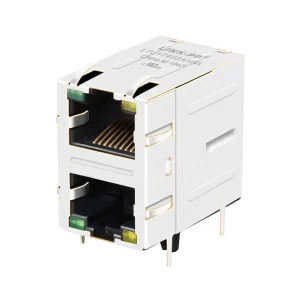
| RJ45 Modular Jack | 8P8C | Shielded with LEDs / Unshielded | < 20 mΩ | Gigabit Ethernet networks, IPC cameras, industrial control systems |
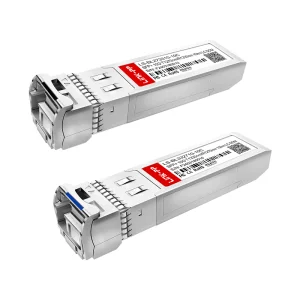
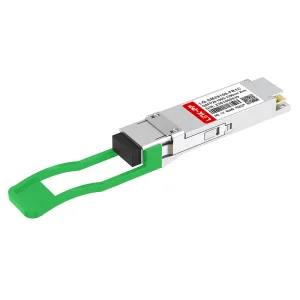
| SFP+ / QSFP28 Transceiver | Optical LC / Copper DAC | Fully Shielded Metal Housing | N/A (Optical / High-speed) | Data center backplanes, telecom core networks, metro links |
Industrial applications present demands that standard commercial hardware cannot survive. RJ11 suppliers must build parts capable of enduring high humidity, thermal stress, mechanical pull forces, and chemical exposure. Key industries utilizing high-grade RJ11 connectors include:
To serve North American, European, and Asia-Pacific regions, products must adhere to stringent global standards. OptiLinker ensures its products meet environmental and safety certifications including RoHS, REACH, and UL94-V0 flammability ratings for plastics. Our gold contact plating stands up to salt spray tests, ensuring long lifespan in coastal industrial zones and humid tropical deployment locations.
As networks expand, hybrid communication architectures are becoming standard. Signals originating from low-speed RJ11 telemetry points are gathered at edge gateways and converted into high-speed optical packets for transmission through modules like 10G SFP+ or 100G QSFP28. This conversion requires deep coordination between copper connector durability and optical module precision.
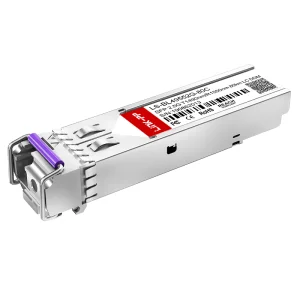
OptiLinker's dual expertise in RJ modular connector production and advanced optical transceivers positions the company as a key partner for modern system integrators. By offering both high-quality RJ11/RJ45 connectors and advanced BiDi/SFP+ optical modules, we help network designers build reliable systems from end to end.
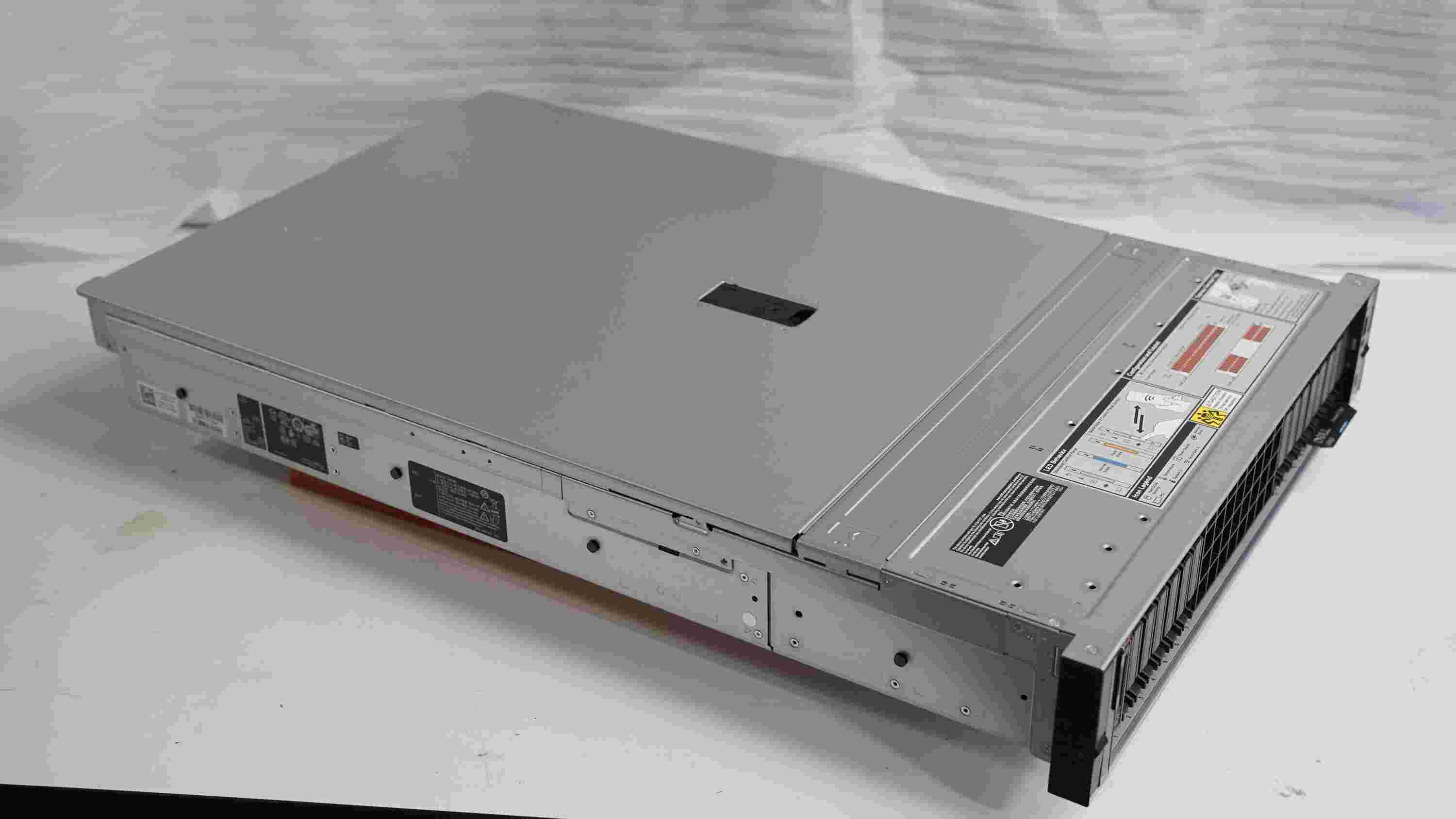
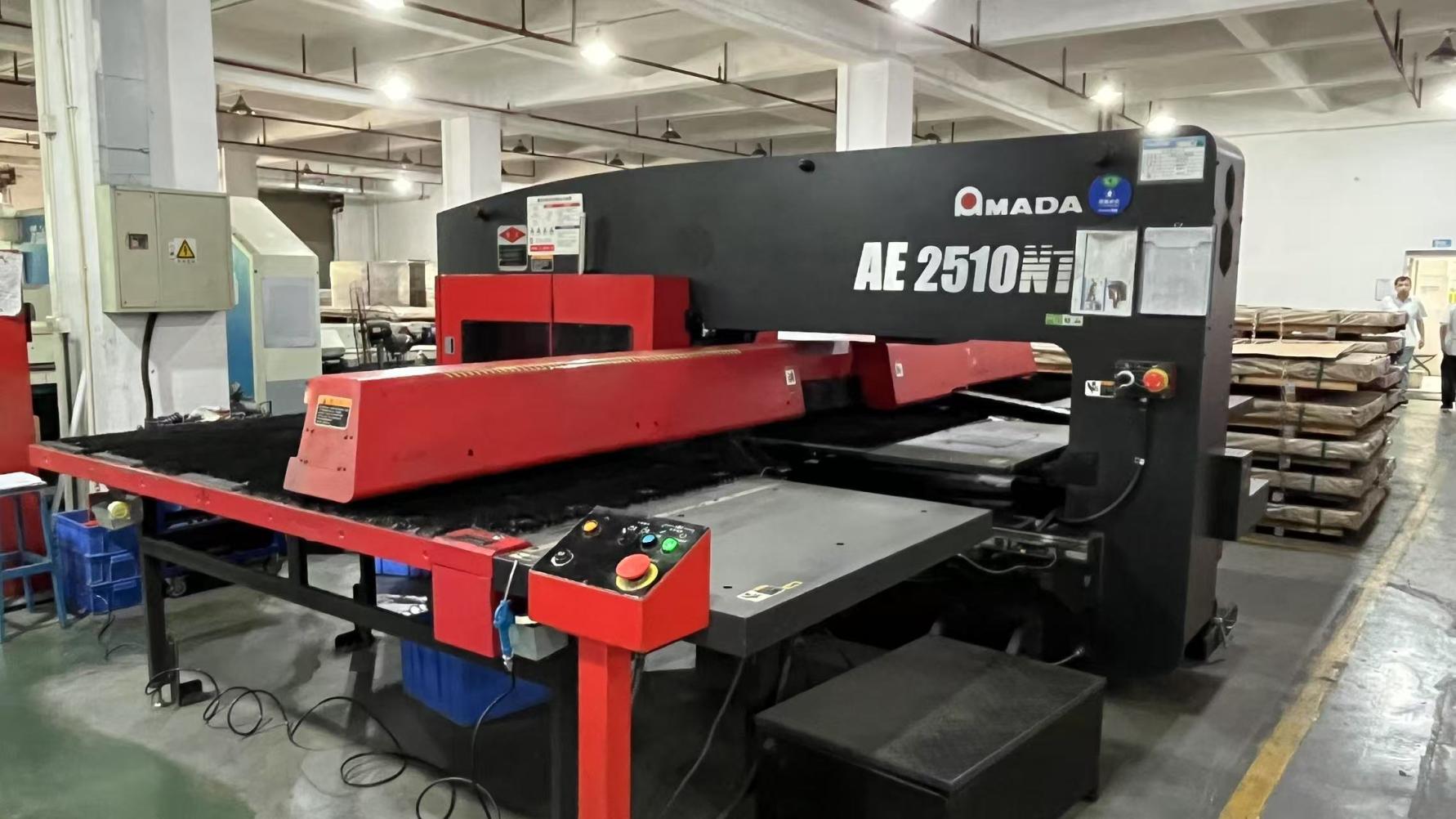
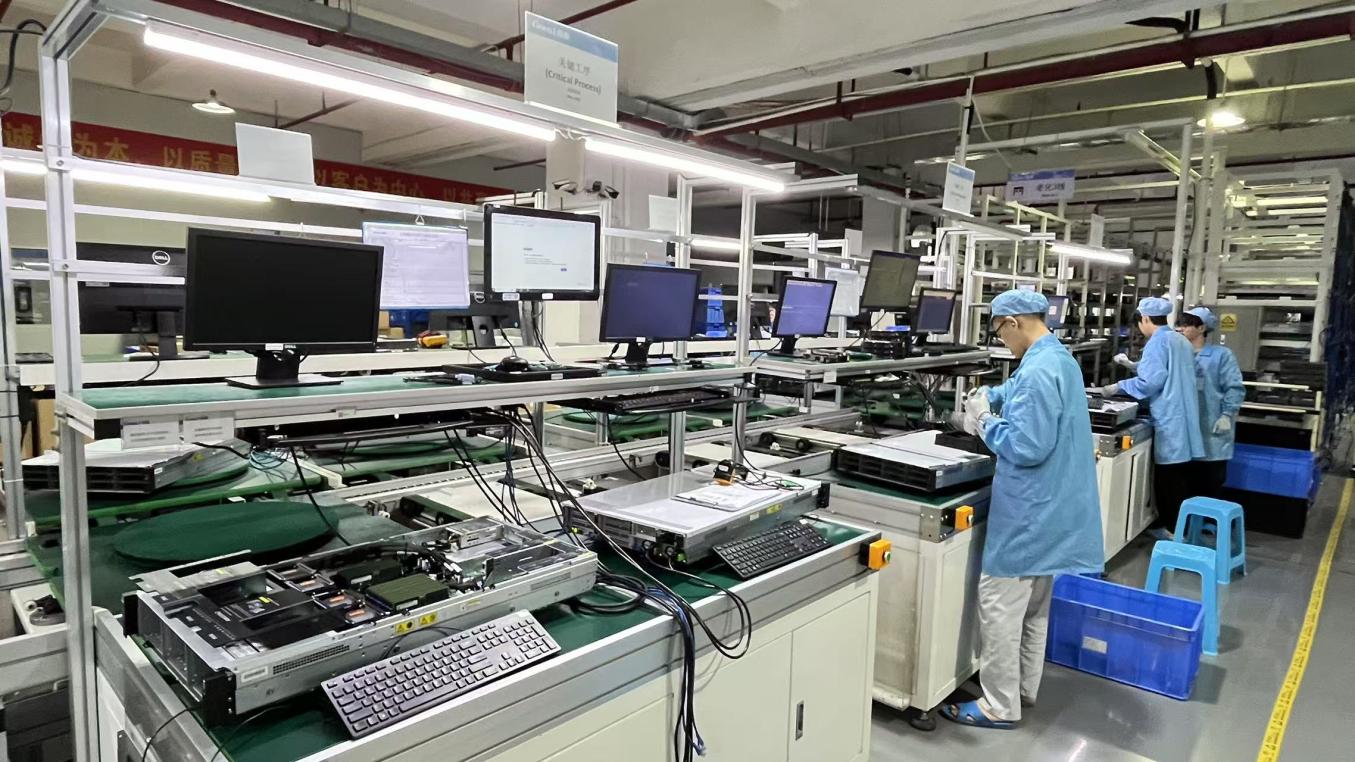
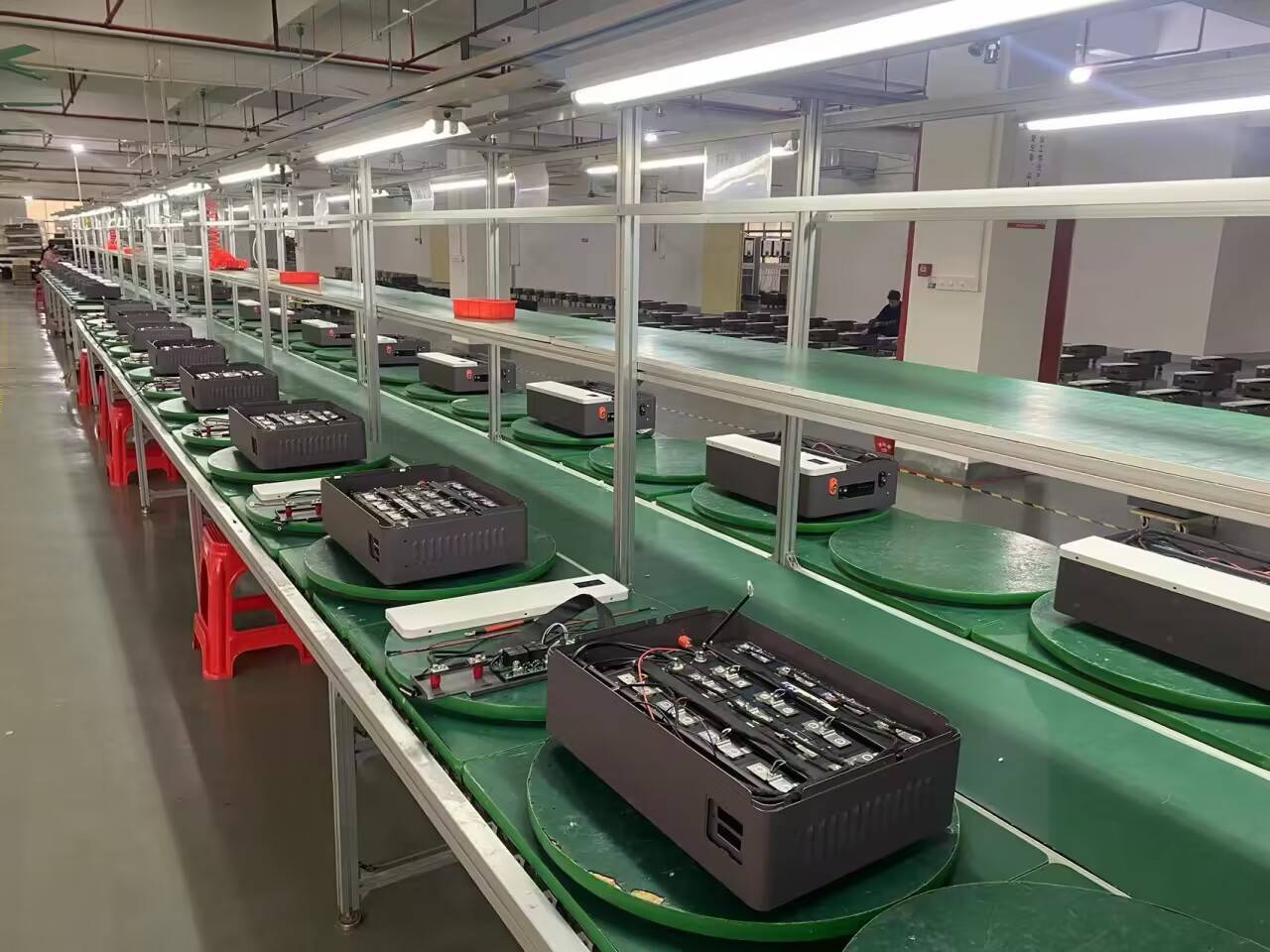
A look inside our state-of-the-art testing facility, QA systems, and manufacturing floors designed for high-performance optical and modular connectivity devices.
Crucial technical and logistical answers for purchasing managers, electrical engineers, and network architects.
RJ11 and RJ12 have the same physical 6-position housing. However, RJ11 uses 4 contacts (6P4C) for up to two lines, while RJ12 utilizes all 6 contacts (6P6C) for three lines. RJ45 is physically larger, featuring an 8-position housing (8P8C) and is designed for high-speed Ethernet systems.
Gold is highly resistant to oxidation and corrosion. Plating the copper contact pins with 50 micro-inches of gold guarantees reliable connection stability, lowering contact resistance below 20 mΩ over thousands of mating cycles in humid or harsh conditions.
We implement 100% incoming material checks, automated optical inspections (AOI), and functional tests under temperature variations. For our high-speed optical line products, we also conduct Bit Error Rate (BER) tests and eye-diagram profiling to meet carrier-grade expectations.
Yes, our R&D engineering team offers OEM/ODM design changes. We customize contact configurations, pin length, through-hole versus surface-mount designs, integration of internal magnetics, and customized high-temp housing for lead-free reflow soldering.
High-speed optical transceivers and high-performance RJ jacks supporting advanced data-rate convergence networks.