OptiLinker
OptiLinker
OptiLinker
Premium termination components engineered for modern structured copper & fiber backbones.
Tracing our heritage of technical precision, manufacturing capability, and global distribution.
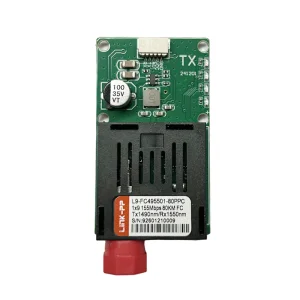
OptiLinker Optoelectronics Co., Ltd. (OptiLinker) is a professional optical transceiver manufacturer and connection interface solution provider under the brand OptiLinker (www.optilinkertrans.com). We specialize in high-speed optical communication modules and robust physical-layer interconnect systems for global data centers, enterprise networks, and telecommunication infrastructures.
Founded in 2016, OptiLinker operates a modern production facility with a total building area of approximately 320㎡. With continuous development in physical and optical communication technology, the company has accumulated over 12 years of industry experience and approximately 8 years of export experience.
In the past year, OptiLinker achieved an annual export revenue of around USD 12 million, serving customers across North America, Europe, Southeast Asia, and the Middle East. The company maintains a strong global B2B trade background, focusing on OEM/ODM partnerships with network infrastructure providers, system integrators, and structured cabling contractors.
In the era of 10G networks, smart cities, and hyper-scale data centers, the demand for stable copper structured cabling remains foundational. While optical fiber dominates long-haul transport, Category 6 (Cat6) copper cables serve as the lifeblood of last-mile local networks, Power over Ethernet (PoE) appliances, and modern corporate work areas. Engineering these cables requires high material purity, structural consistency, and advanced crosstalk mitigation.
Cat6 cable is specified to support frequencies up to 250 MHz and is backward compatible with Cat5e. To achieve these performance criteria, the cable's physical geometry must control electromagnetic interference (EMI). The standard twists of the copper pairs are tighter than Cat5e, and a central plastic spline (often cross-shaped PE) is utilized to maintain separation between the four pairs.
This separator dramatically reduces Near-End Crosstalk (NEXT) and Power Sum NEXT (PS-NEXT) by stabilizing the relative physical positions of each pair over the entire run. Furthermore, return loss—the loss of signal due to impedance mismatches caused by slight variations in wire diameter or twist consistency—is carefully minimized. By utilizing advanced continuous extrusion lines, OptiLinker partners guarantee consistent outer diameter and concentricity of insulation, maintaining a stable 100-ohm impedance characteristic throughout.
The global sourcing dynamics for network cables heavily prioritize China's industrial clusters. This leadership position is not merely about labor arbitrage; it is built on a massive vertical ecosystem:
How leading enterprises align technical cabling procurement with longevity and strict application demands.
Enterprise networks require 100% channel or permanent link testing using industry-standard Fluke DSX-8000 analyzers. We ensure that our patch cables and structured copper assemblies comfortably exceed margin requirements (+3dB to +6dB) for return loss and NEXT.
Modern networks rely on Cat6 for delivering up to 90W-100W of power (IEEE 802.3bt Type 4). OptiLinker utilizes high-quality pure solid copper conductors (23 AWG or 24 AWG) rather than Copper Clad Aluminum (CCA) to guarantee low DC resistance and prevent overheating inside bundle configurations.
We offer custom shielding configurations including Unshielded Twisted Pair (U/UTP) for cost-effective standard environments and Foil Twisted Pair (F/UTP) or Shielded Foiled Twisted Pair (S/FTP) for noisy industrial landscapes where electromagnetic interference (EMI) is present.
Integrating copper structured cabling and high-speed optics to build highly resilient network backbones.
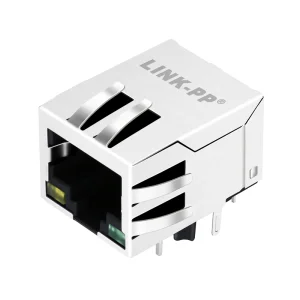
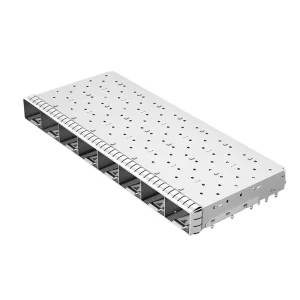
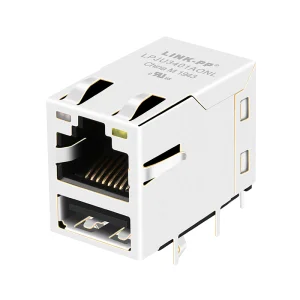
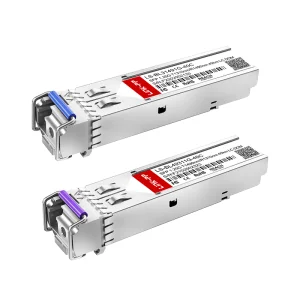
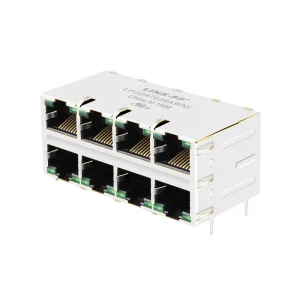
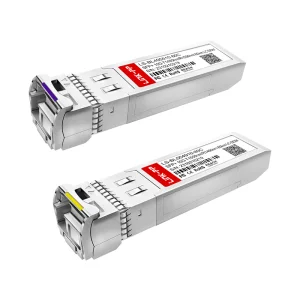
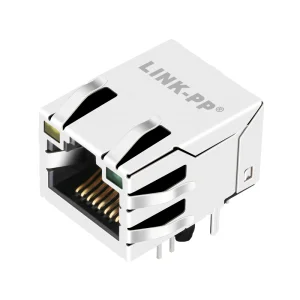
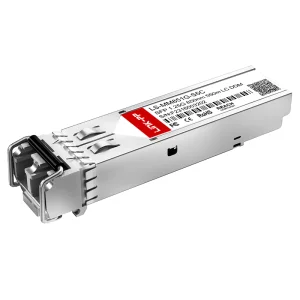
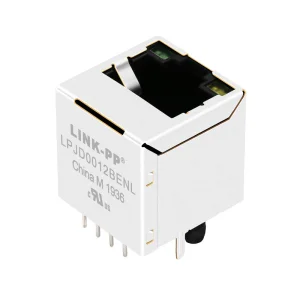
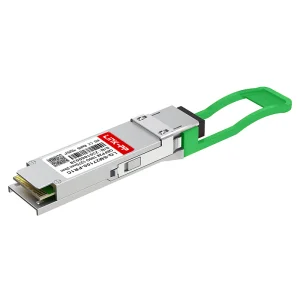
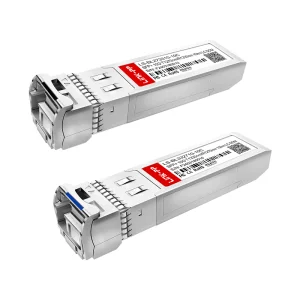
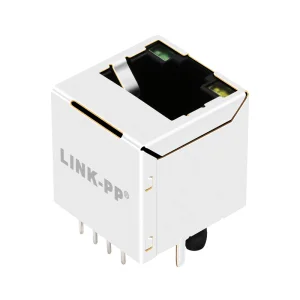
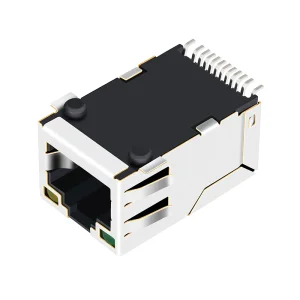
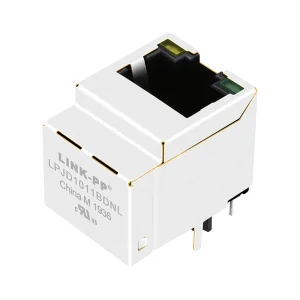
Data centers leverage a hybrid approach. While long-reach backbone trunks use our high-speed optical transceivers (10G/25G/100G) and SFP+ cages, local server-to-switch and patch-panel-to-switch connections are managed through specialized copper patch cables terminated with optimized modular RJ45 connectors.
Enterprise offices rely on a unified cabling design. Cat6 cables run inside ceilings and walls to power IP surveillance cameras, VoIP phones, and Wi-Fi 6 access points via PoE. A key manufacturing trend is utilizing Halogen-free, flame-retardant LSZH jackets to comply with building safety codes worldwide.
In industrial automation (such as assembly lines and smart factories), machinery creates significant electrical noise. Shielded Cat6 cables (S/FTP) paired with high-quality metal shielded RJ45 sockets ensure data packets are transmitted without error over long distances under harsh EMI conditions.
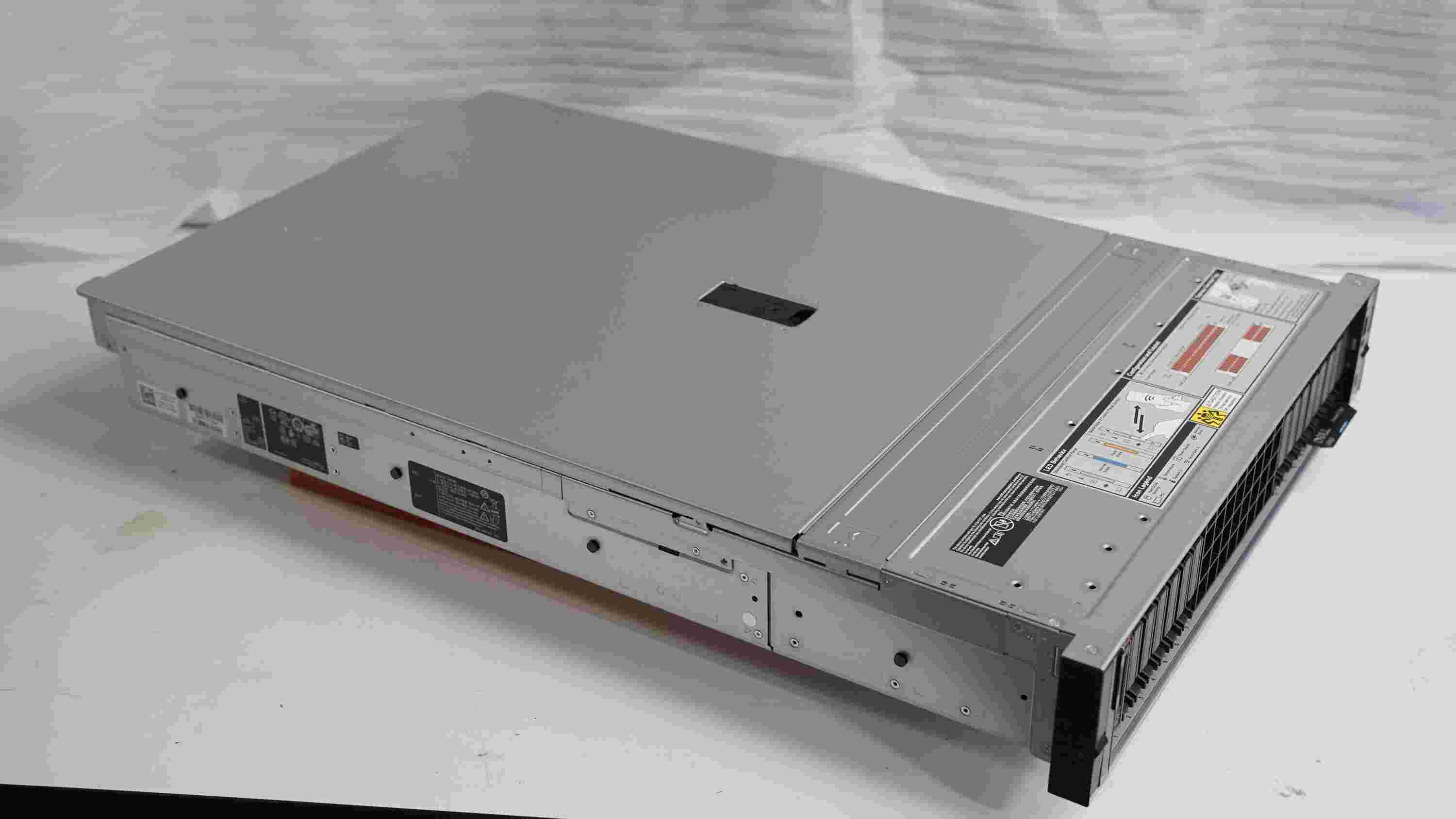
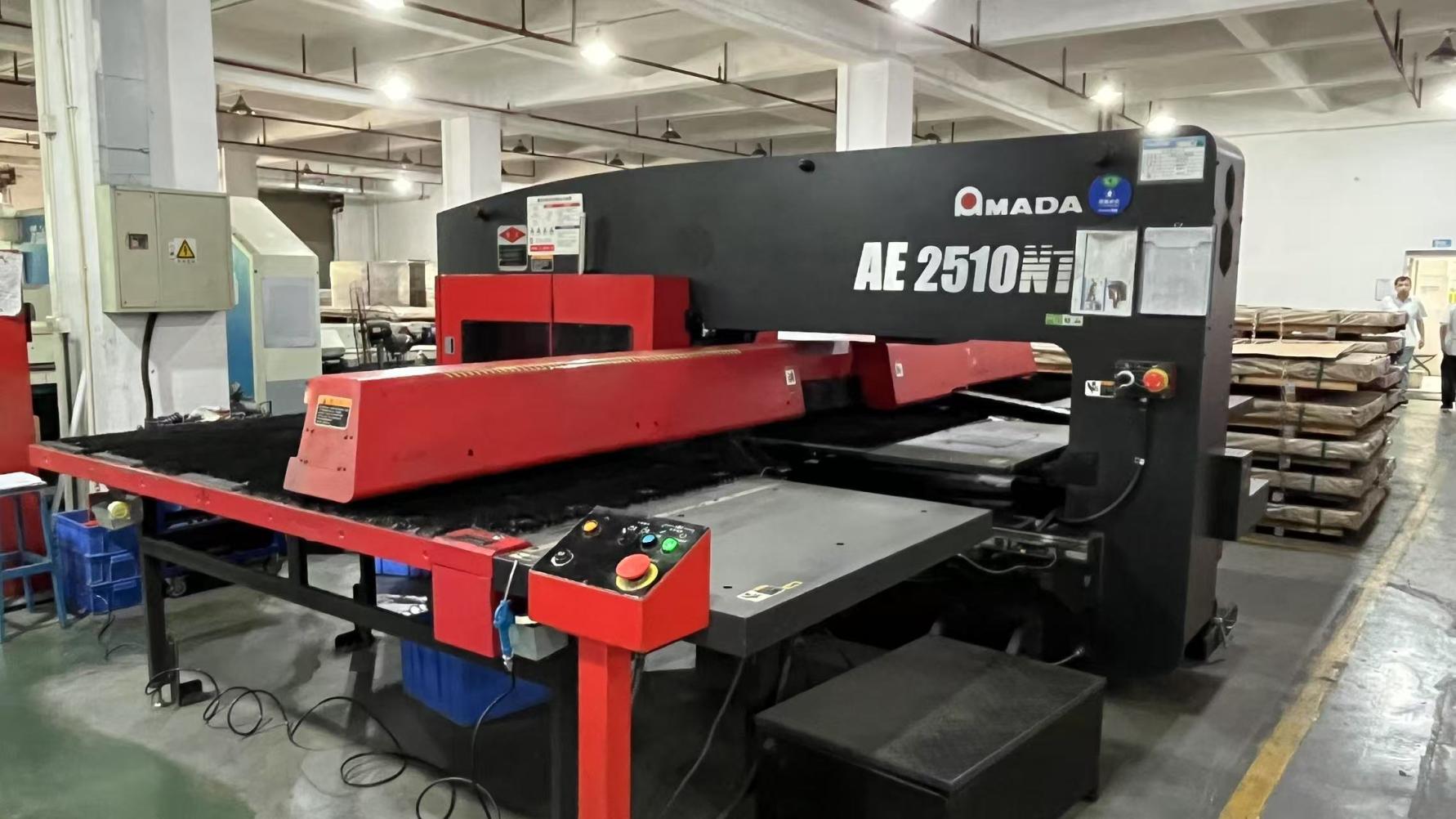
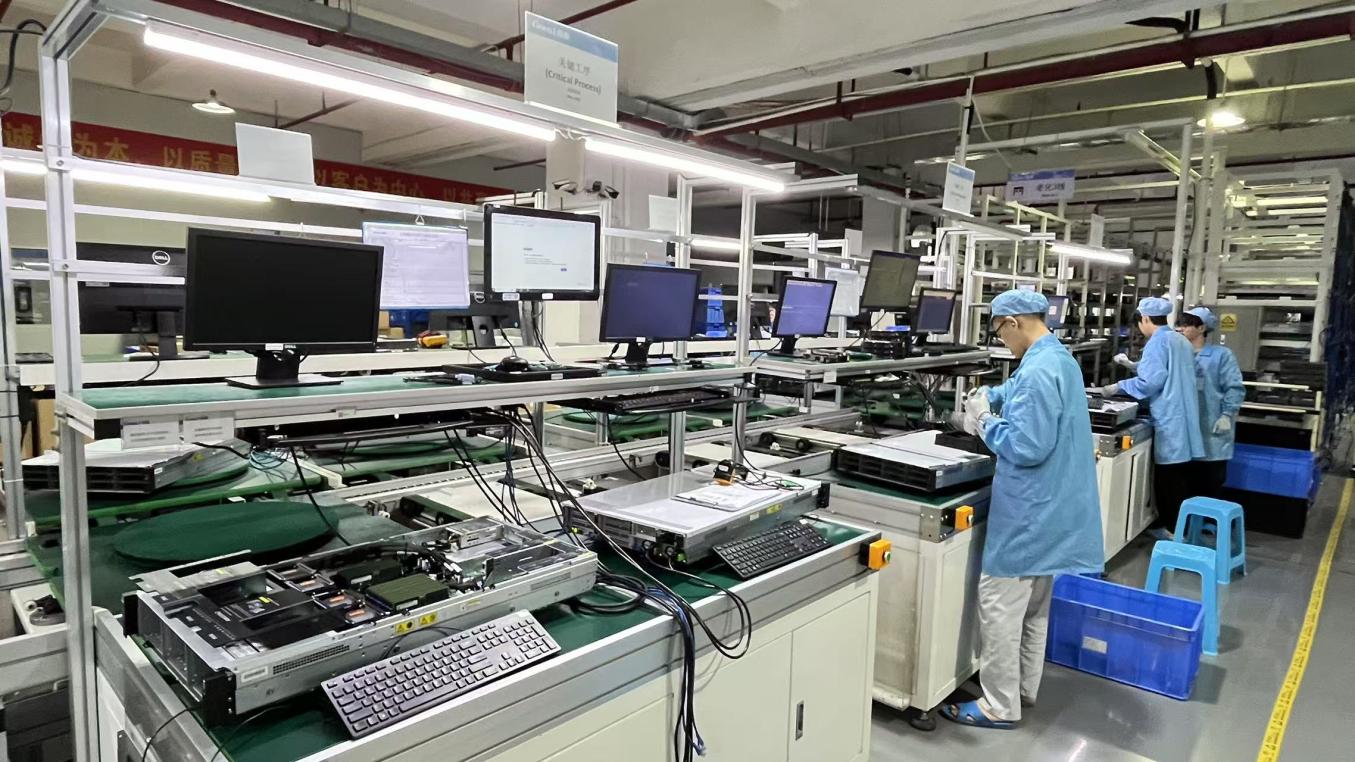
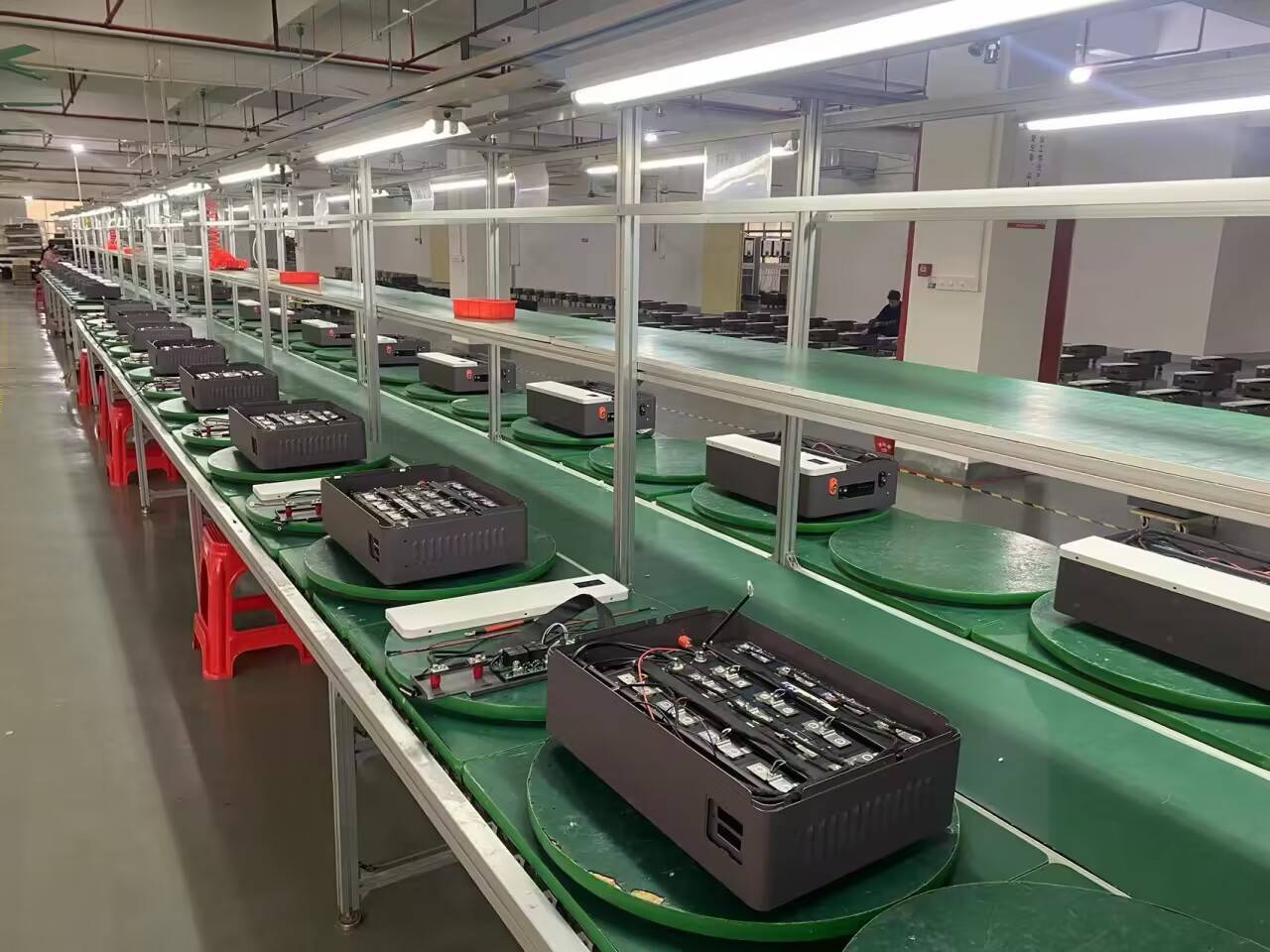
Step inside OptiLinker’s state-of-the-art facilities: Where precision engineering meets automated volume production.
Quality assurance is the core focus at OptiLinker. The company implements 100% incoming material inspection, AOI automated optical inspection, and full optical/electrical performance testing. Product verification includes BER testing, eye diagram analysis, and high/low temperature cycling tests, ensuring stable performance under demanding network environments. Our quality control team consists of 35 dedicated QC professionals.
OptiLinker collaborates with a global supply chain network of approximately 850 partners, enabling efficient sourcing and stable production capacity. Our main customer base includes telecom operators, data centers, system integrators, and networking equipment manufacturers.
Our strong R&D capabilities are supported by a team of 60 experienced engineers specializing in physical cabling design, high-speed optical design, signal integrity optimization, and protocol compatibility development. OptiLinker offers flexible customization options including wavelength tuning, transmission distance, packaging form factors, firmware coding, and device compatibility programming. In the last year alone, OptiLinker launched approximately 120 new products.
Detailed answers about Cat6 manufacturing, sourcing, compatibility, and OEM/ODM procedures.
Premium interconnect modules engineered to meet strict system compatibility requirements.