OptiLinker
OptiLinker
OptiLinker
Engineered for high-frequency signal integrity, harsh EMI environments, and seamless hardware protocol bridging.
Bridging legacy fieldbus protocols with high-speed digital networks across modern smart infrastructure.
Despite the ubiquitous proliferation of high-speed Ethernet and wireless standards, legacy serial communication protocols—specifically RS-232, RS-422, and RS-485—remain the backbone of modern industrial automation, energy distribution grids, telecommunications out-of-band management, and transport infrastructure. Billions of legacy microcontrollers, Programmable Logic Controllers (PLCs), CNC machinery, and medical monitoring systems rely on asynchronous serial interfaces for deterministic control and status transmission.
The industrial market demands a hybrid architecture. Industrial Serial Port Adapters (USB-to-Serial, Serial-to-Ethernet converters, and Isolated RS-485 transceivers) act as critical translation layers. They enable cloud connectivity, remote telemetry, and edge analytics by converting raw asynchronous UART signals into standardized Ethernet frames, USB descriptors, or optical signals without replacing mission-critical field machinery.
Deploying serial communication devices in modern industrial plants subjects hardware to severe environmental stresses. Common-mode voltage surges, ground loop currents, Electrostatic Discharge (ESD) from human handling, and severe Electromagnetic Interference (EMI) generated by high-power variable frequency drives (VFDs) present constant operational risks.
To deliver true operational reliability, enterprise-grade serial port adapters must incorporate galvanic isolation (typically 2.5kV to 3.0kV RMS), high-voltage Transient Voltage Suppressor (TVS) diodes, ESD protection conforming to IEC 61000-4-2 standard (±15kV Air, ±8kV Contact), and robust integrated magnetic shielding within the connector assembly.
Why Tier-1 global OEMs partner with specialized Chinese electronics clusters for serial communication hardware.
China's Pearl River Delta (Shenzhen, Dongguan, Huizhou) hosts the world's most concentrated hardware supply chain network. Raw silicon, high-speed PCB fabrication, passive components, SMT assembly facilities, precision plastic injection molding, and metal stamping plants exist within a 50-kilometer radius. This geographic concentration reduces component procurement lead times from weeks to hours.
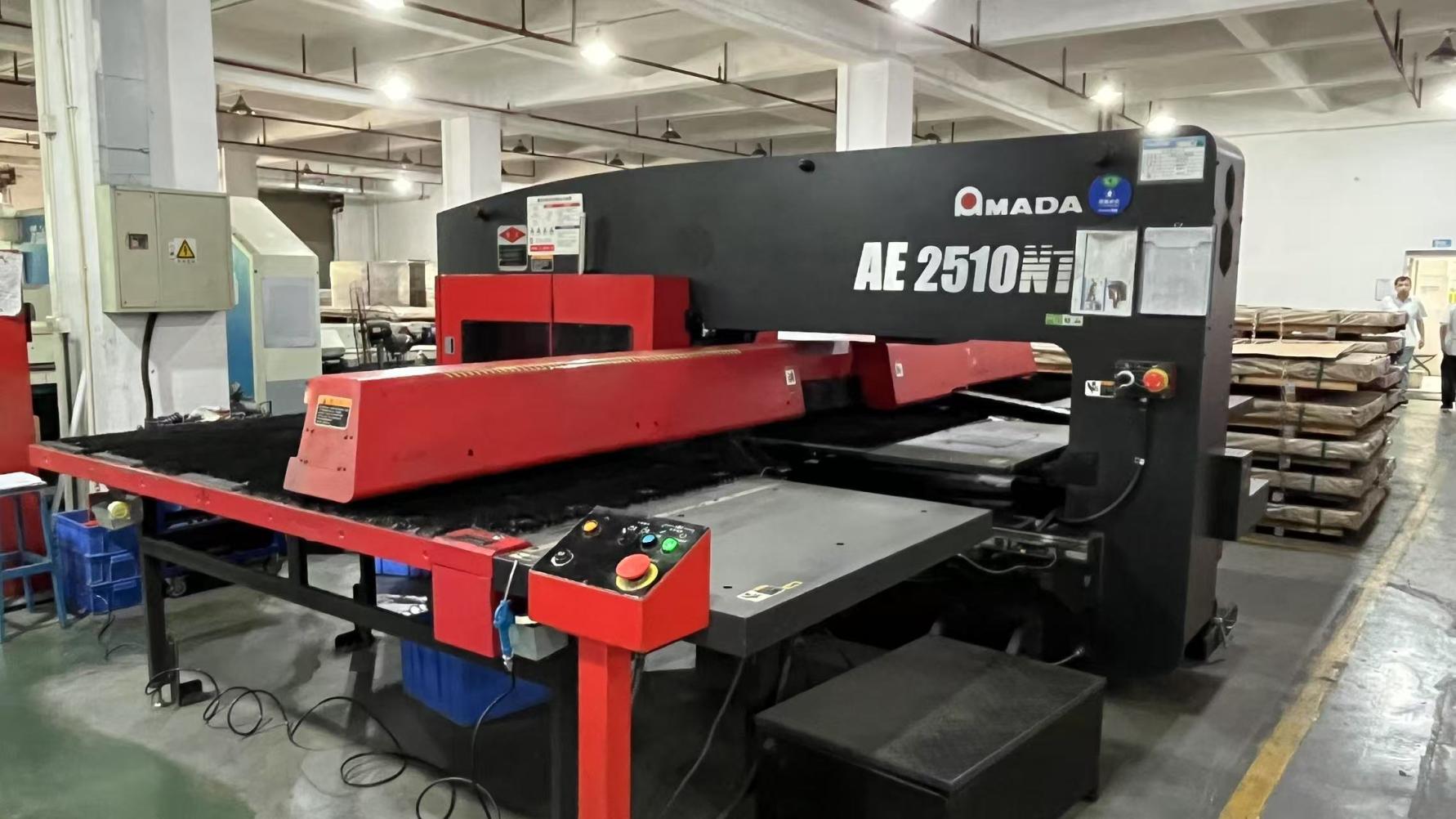
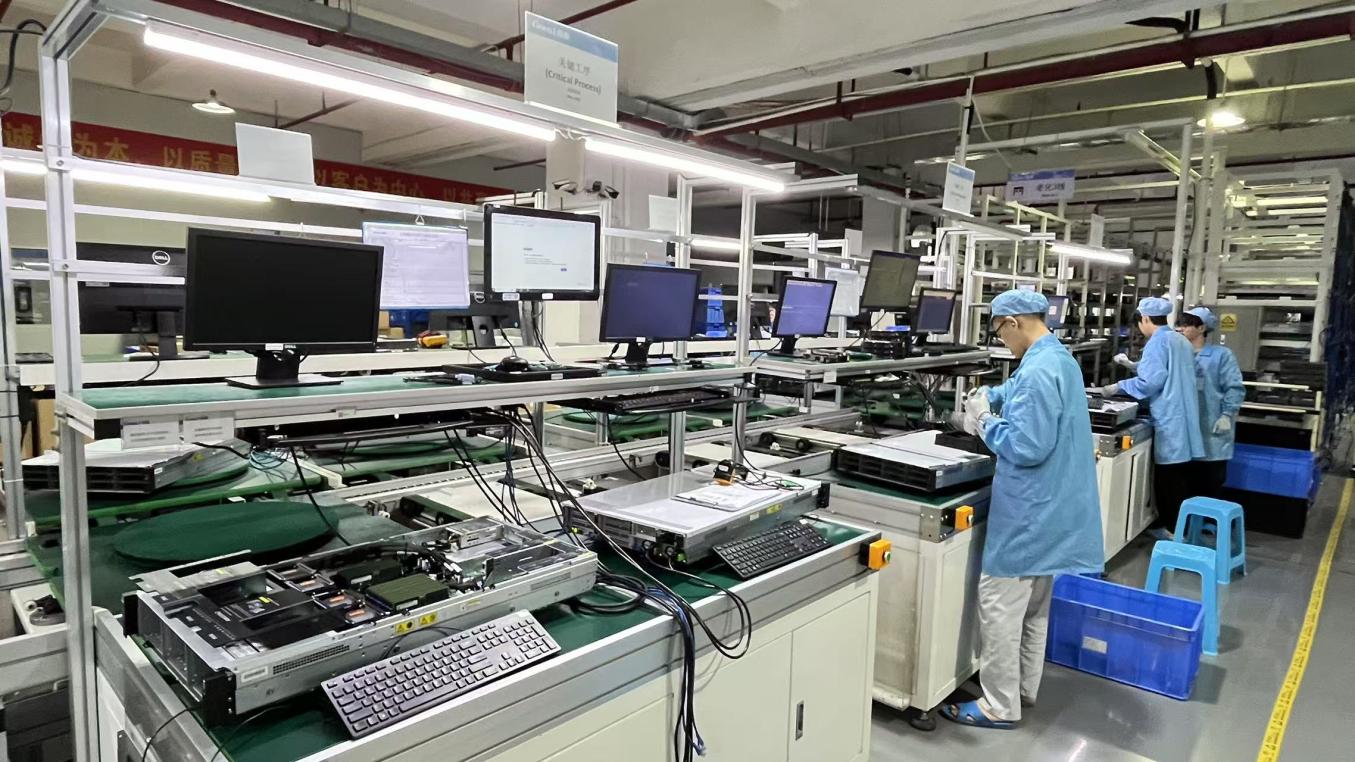
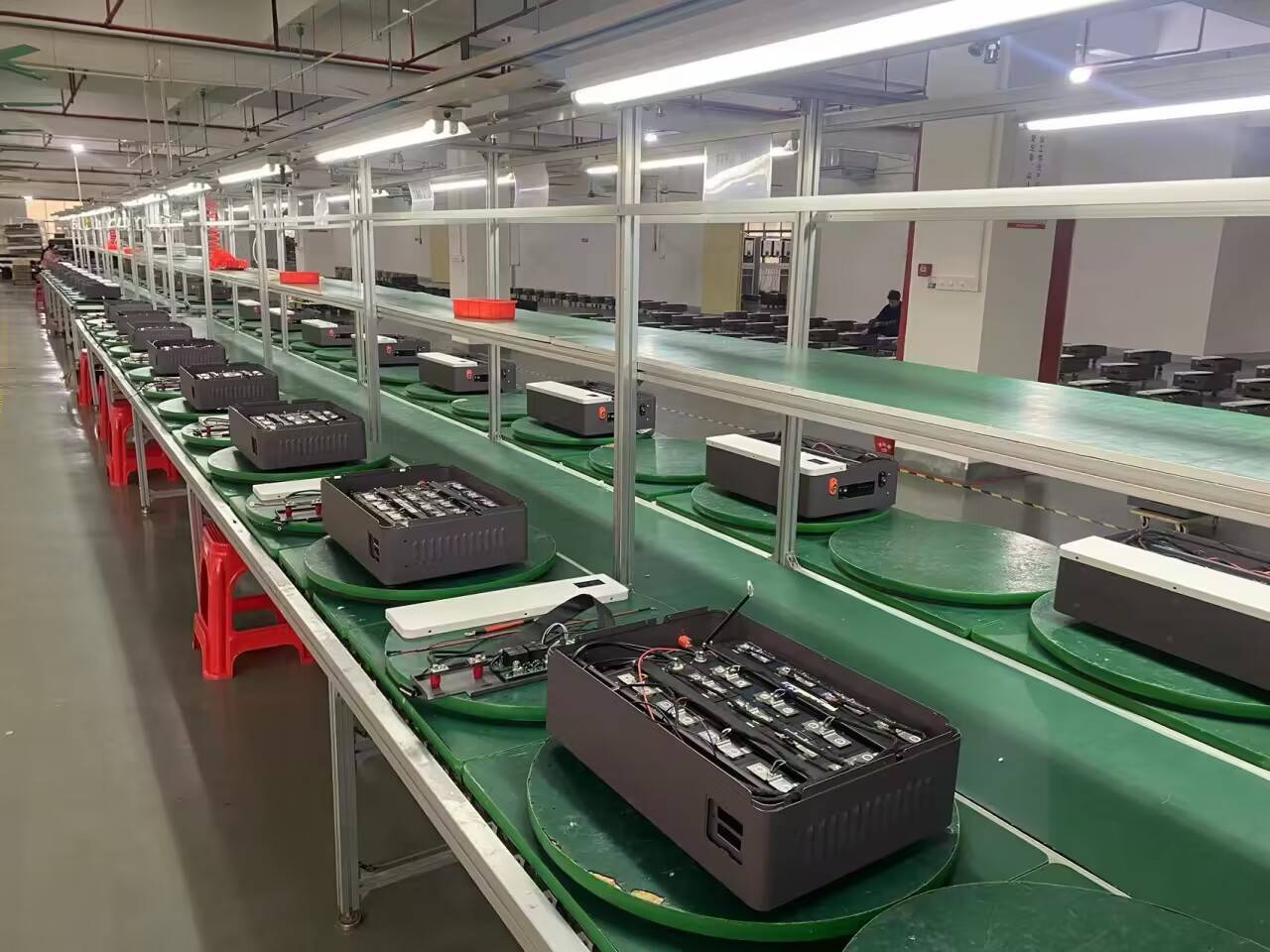
Leading Chinese serial hardware factories have transitioned to high-speed surface-mount technology (SMT) lines featuring 0201 component placement capability, automated 3D SPI (Solder Paste Inspection), 3D AOI (Automated Optical Inspection), and real-time X-ray inspection for BGA/QFN packaged bridge ICs (e.g., FTDI, Prolific, WCH, Silicon Labs).
China's manufacturing edge lies in its rapid customization workflow. Custom PCB layout adjustments, EEPROM vendor string flashing, specialized pinout wiring (DB9, DB25, RJ45, Terminal Blocks), customized wide-voltage power regulation (9-36V DC), and specific enclosure tooling can progress from prototype to pilot run in days.
Evaluating signal conversion topologies, isolation technologies, and controller IC selection.
The core of any USB-to-Serial converter is the bridge controller IC. High-reliability enterprise applications mandate chipsets with robust driver signing, high baud rate stability (up to 921.6 Kbps or 12 Mbps), deep hardware FIFO buffers (TX/RX), and low baud-rate error margins (<1.5%).
FTDI (FT232RNL / FT2232H): Industry gold-standard for critical applications requiring native OS driver support (Windows, Linux, macOS, Android), custom EEPROM programming, and Hardware In-The-Loop testing.
Prolific (PL2303G series) & WCH (CH340G / CH343G): Cost-effective, highly resilient alternatives optimized for commercial mass deployment, field instruments, and consumer electronics.
Industrial ground loops caused by physical distance between field units can introduce voltage differentials exceeding hundreds of volts, instantly destroying unprotected host computer USB ports or serial transceivers.
Top-tier China factories integrate digital isolators (using capacitive or magnetic coupling, e.g., Analog Devices iCoupler or Texas Instruments ISO-series) alongside isolated DC-DC converters. This creates a complete 2.5kV to 3.0kV galvanic barrier separating the host controller USB power/ground from the field RS-485/RS-422 differential signals.
| Specification Parameter | RS-232 Standard | RS-422 Standard | RS-485 Industrial Standard |
|---|---|---|---|
| Mode of Operation | Single-Ended (Unbalanced) | Differential (Balanced) | Differential (Balanced) |
| Maximum Drivers / Receivers | 1 Driver / 1 Receiver (Point-to-Point) | 1 Driver / 10 Receivers (Multi-drop) | 32 Drivers / 32 Receivers (Multi-point Transceiver) |
| Maximum Cable Length | 15 meters (50 feet) at 19.2 Kbps | 1200 meters (4000 feet) at 100 Kbps | 1200 meters (4000 feet) at 100 Kbps |
| Maximum Data Transmission Rate | Typically 115.2 Kbps (Max 1 Mbps) | 10 Mbps (at short distance) | 10 Mbps (at short distance) to 250 Kbps (long haul) |
| Typical Driver Output Voltage | ±5V to ±15V (Unbalanced) | ±2V to ±6V (Differential) | ±1.5V to ±5V (Differential) |
| Built-in Isolation Option | Rare (Optional Optocouplers) | Standard High-End Options | Mandatory in Industrial-Grade Design (2.5kV Iso) |
Mission-critical deployments where serial adapters provide high-availability connectivity.
Solar farms and electrical substations rely on Modbus RTU over isolated RS-485 serial networks to poll grid meters, solar string inverters, and battery management systems (BMS). Industrial serial converters bridge these devices directly to central SCADA servers via DIN-rail mounted Serial-to-Ethernet servers.
Data center network administrators use multi-port USB-to-RS232 FTDI hub adapters connected to terminal servers. This setup guarantees backchannel console access to router, switch, and server serial management ports during WAN link outages or network stack crashes.
Precision diagnostic devices, dialysis machinery, and automated chemistry analyzers require strict galvanic safety isolation. Optically isolated serial port adapters prevent medical host PCs from transferring leakage current to patient-connected devices, fulfilling IEC 60601-1 compliance.
A methodical evaluation strategy for B2B sourcing managers and procurement directors.
A major risk in international hardware procurement is counterfeit bridge microchips. Low-quality clone chips often suffer from driver instability, broken hardware flow control (RTS/CTS), and driver blue-screens under modern OS updates.
Audit Checkpoint: Ensure the factory sources bridge ICs (FTDI, WCH, Prolific, MaxLinear/Exar) exclusively via franchised authorized distributors with full Lot Traceability Certificates and Certificate of Conformance (CoC).
Global hardware distribution demands rigorous international certification compliance. Products deployed into North American and European markets must comply with:
High-reliability optical connectivity, integrated serial magnetics, and advanced hardware manufacturing.
OptiLinker Optoelectronics Co., Ltd. (OptiLinker) is a leading manufacturer and optical transceiver solution provider operating under the brand OptiLinker (www.optilinkertrans.com), specializing in high-speed optical communication modules, integrated connector modules, and advanced network interface solutions for global data center and telecom applications.
Founded in 2016, OptiLinker operates a modernized production facility spanning a total building area of approximately 320㎡. Backed by continuous technological development in optical and serial interconnect technology, the company brings over 12 years of core industry experience and approximately 8 years of international export experience.
In the past financial year, OptiLinker reached an annual export revenue of approximately USD 12 million, delivering critical networking components to tier-1 enterprise clients across North America, Europe, Southeast Asia, and the Middle East via robust OEM/ODM partnerships.
Quality assurance forms the backbone of OptiLinker's manufacturing philosophy. The company implements 100% incoming raw material inspection, AOI automated optical inspection, and full optical/electrical performance verification. Products undergo rigorous testing routines including BER (Bit Error Rate) testing, eye diagram signal integrity analysis, and high/low temperature environmental thermal cycling.
Supported by a supply chain network of roughly 850 global partners and an engineering R&D team of 60 specialized optical engineers, OptiLinker provides extensive customization services. These include custom wavelength tuning, extended transmission distances, specialized firmware coding, pinout adaptations, and protocol compatibility matching. In the last year alone, OptiLinker brought over 120 new hardware products to market.
How edge computing, TSN, and zero-trust hardware security are reshaping serial connectivity.
Modern serial converters are evolving into miniaturized Linux-based edge gateways. Instead of transmitting raw serial streams across networks, next-generation adapters parse Modbus, DNP3, or BACnet protocols locally and stream telemetry via lightweight MQTT or OPC-UA formats directly to cloud platforms like AWS IoT or Azure IoT Hub.
As legacy fieldbus networks connect to enterprise networks, serial ports present potential attack vectors. Future industrial serial adapters integrate hardware Secure Elements (SE chips) to enforce cryptographic firmware verification, TLS 1.3 encrypted Serial-over-IP tunnels, and strict IEEE 802.1X network access control.
The rise of Single Pair Ethernet (SPE / 10BASE-T1L) is redefining fieldbus architecture. Next-generation serial hardware bridges will feature hybrid interfaces capable of transparently converting legacy RS-485 two-wire multi-drop links to high-speed 10Mbps SPE networks over distances up to 1,000 meters.
Comprehensive answers to complex serial communication design, pinout, and deployment questions.
Non-isolated serial adapters share a common electrical ground between the host USB/Ethernet controller and the connected serial instrument. Isolated serial adapters utilize optical, magnetic, or capacitive isolators to break the electrical connection, creating a high-impedance barrier (typically 2.5kV to 3kV). Isolation is mandatory when: (1) Transmitting RS-485/RS-422 signals across physical distances exceeding 30 meters where ground potential differences exist; (2) Operating near high-voltage motor drives or substations; (3) Deploying equipment in medical or hazardous chemical environments where electrical sparks or leakage current could cause critical failures.
FTDI chipsets (such as FT232RNL, FT2232H, and FT4232H) feature robust, globally certified WHQL Windows drivers, native kernel integration in Linux distributions, and extensive macOS support. Unlike consumer-grade bridge ICs, FTDI controllers maintain exact baud rate generation, support hardware RTS/CTS and software XON/XOFF flow control without buffer overflows, offer integrated programmable EEPROMs for custom USB VID/PID descriptor flashing, and exhibit low jitter under heavy multi-threading.
In RS-485 differential communication networks, high-frequency transmission signals suffer from signal reflection when encountering impedance mismatches at the physical ends of the cable run. Installing a 120-ohm termination resistor across the differential data pair (A and B lines) at the extreme physical ends of the bus matches the characteristic impedance of standard twisted-pair cabling. This suppresses signal ringing, eliminates bit corruption, and enables reliable long-distance communications at high baud rates.
Industrial-grade serial adapters must adhere to the IEC 61000-4-2 standard for Electrostatic Discharge Immunity. Higher-end models feature integrated TVS (Transient Voltage Suppressor) diode arrays across all data pins, providing protection up to ±15kV Air Discharge and ±8kV Contact Discharge. This ensures that static charge buildup from operators touching exposed DB9, RJ45, or screw-terminal connectors does not damage internal microcontrollers or host computer ports.
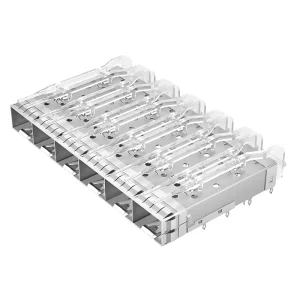
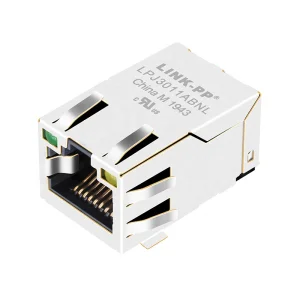
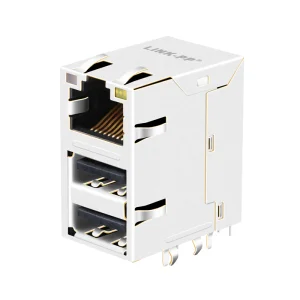
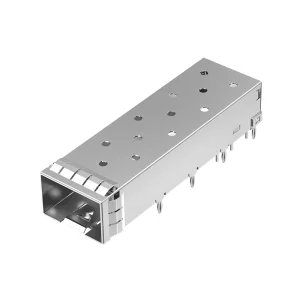
Explore our extended series of RJ45 magnetic modules, SFP optical transceivers, and SFP+ cage assemblies.