OptiLinker
OptiLinker
OptiLinker
Explore our premium selection of optical modules, high-frequency RJ45 connectors, and integrated terminal interfaces engineered for telecom, data centers, and advanced automation platforms.
In the current paradigm of global digital transformation, the boundaries between local bus systems and optical backbone networks are rapidly dissolving. The modern industrial landscape demands unified, ultra-reliable solutions that connect standard legacy hardware to high-speed data architectures. Devices like RJ45 to USB adapters, high-frequency magnetics, and advanced optical transceivers are critical links bridging consumer-facing peripherals and enterprise network hubs.
Historically, converting physical signals from Ethernet RJ45 cables (using differential voltage over twisted pairs) to USB protocol stacks (utilizing standard serialization bus channels) required bulky conversion boxes and specialized host-side device drivers. Today, next-generation integrated silicon chipsets housed directly inside low-profile female RJ45 connectors or compact SFP modules handle media conversion on-the-fly. This technical evolution ensures loss-free, high-throughput transmission with minimal signal delay—imperative for real-time edge processing and telecom architectures.
OptiLinker Optoelectronics Co., Ltd. (OptiLinker) is a professional optical transceiver manufacturer and solution provider under the brand OptiLinker (www.optilinkertrans.com), specializing in high-speed optical communication modules for global data center and telecom applications.
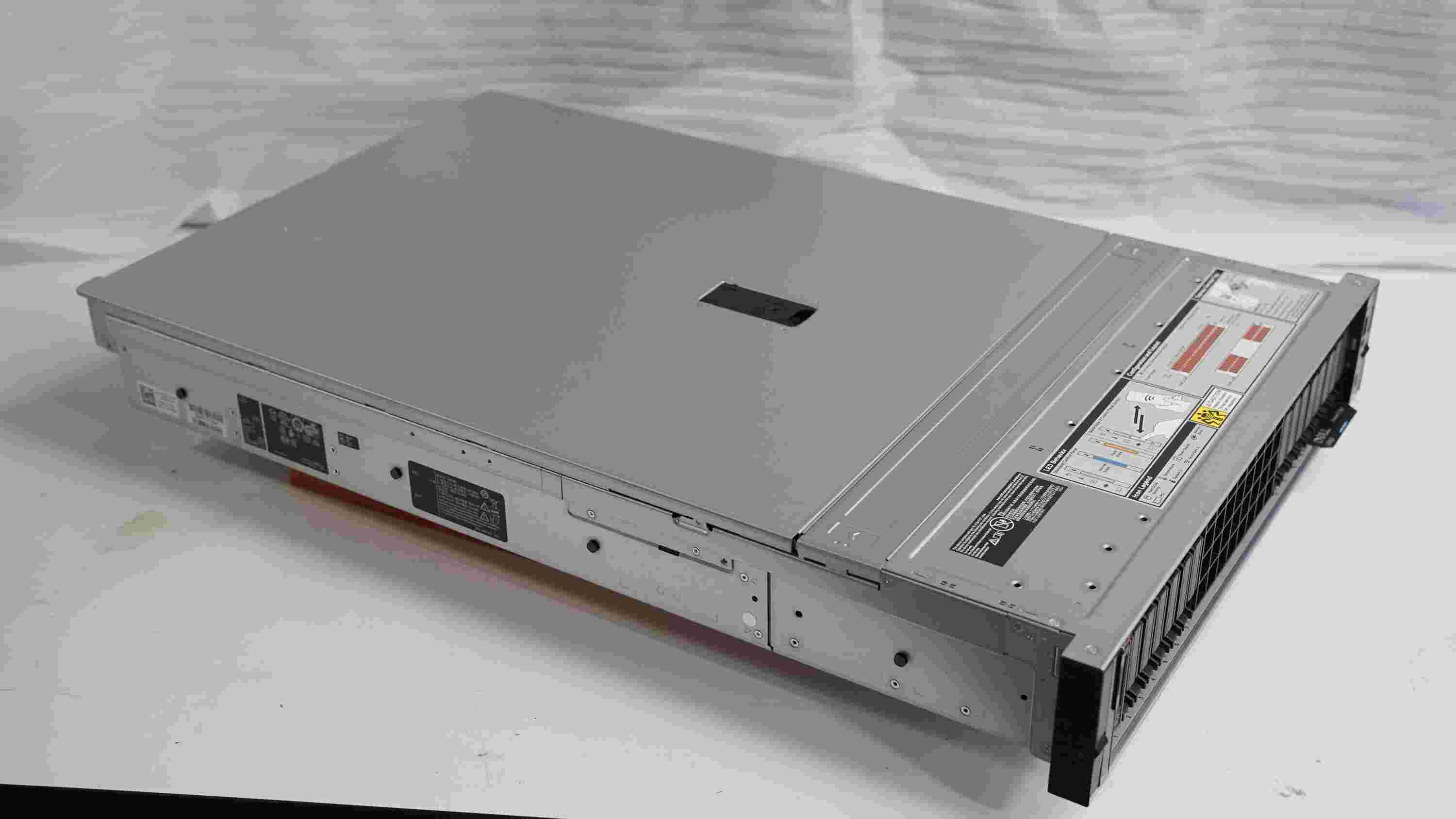
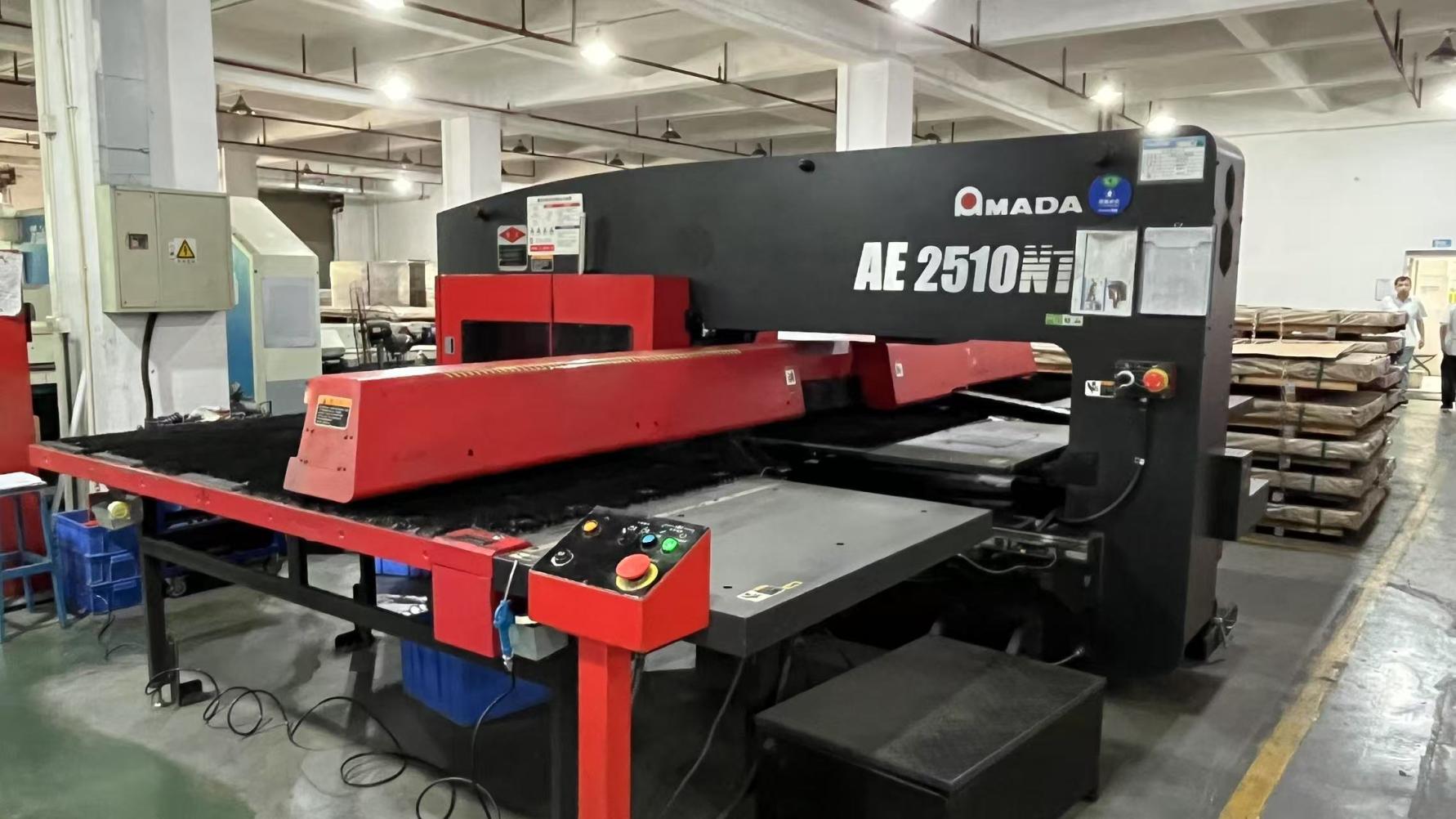
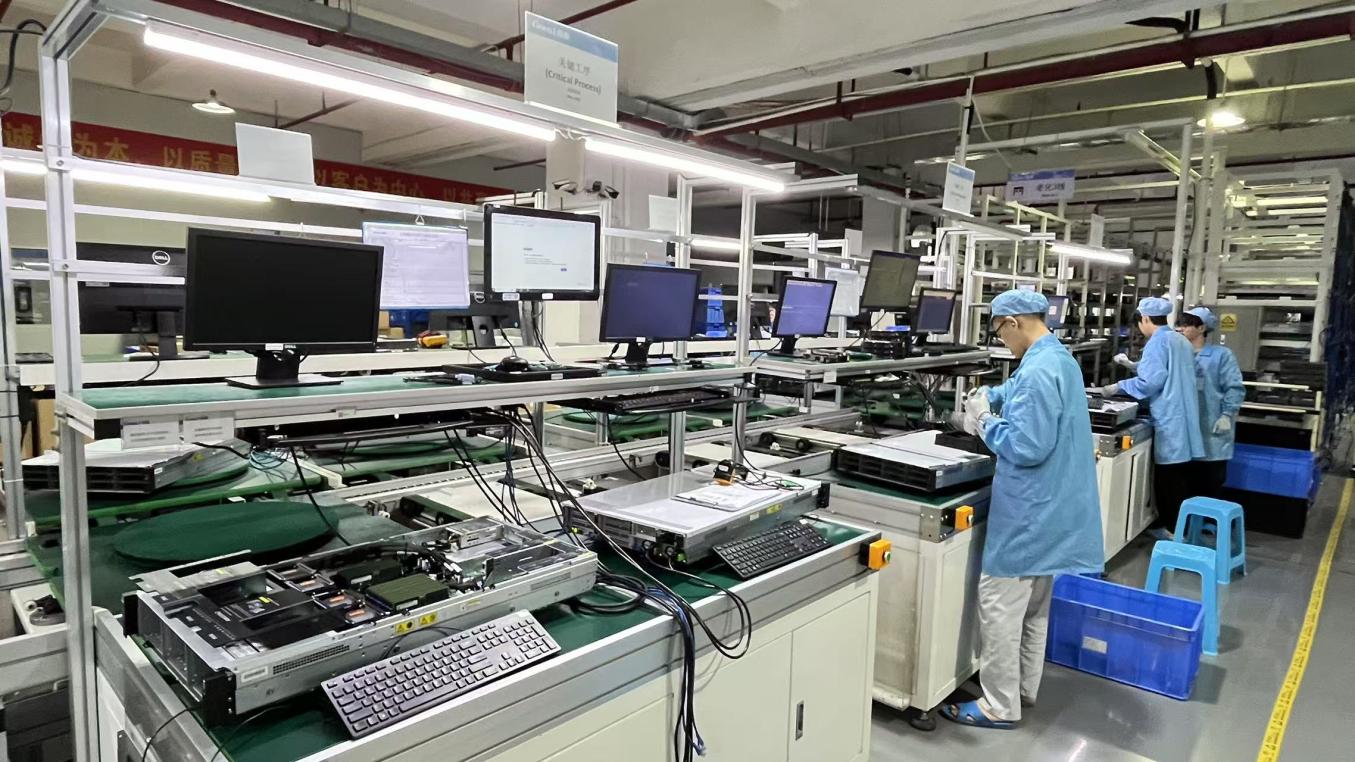
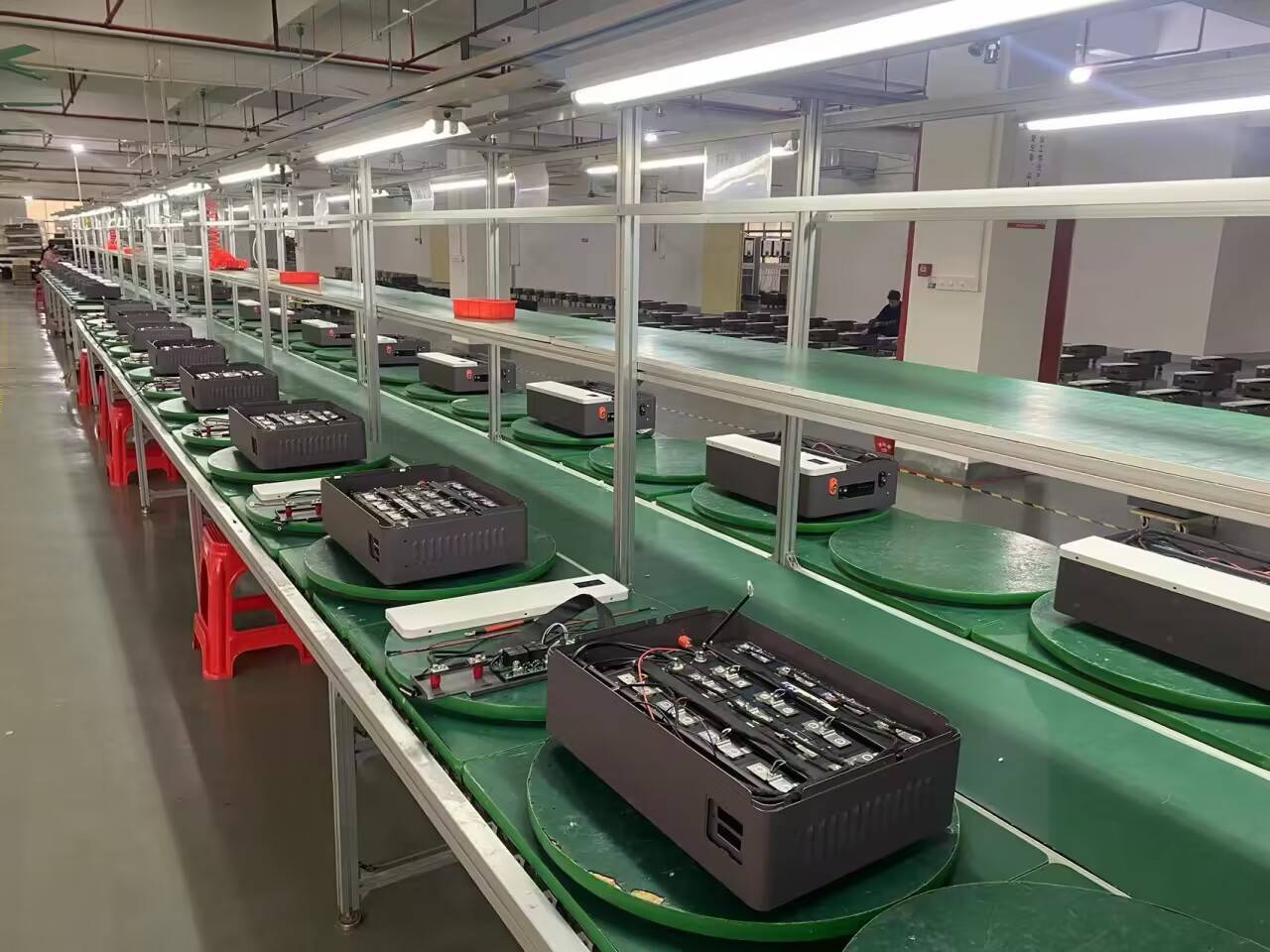
Founded in 2016, OptiLinker operates a modern production facility with a total building area of approximately 320㎡. With continuous development in optical communication technology, the company has accumulated over 12 years of industry experience and approximately 8 years of export experience.
In the past year, OptiLinker achieved an annual export revenue of around USD 12 million, serving customers across North America, Europe, Southeast Asia, and the Middle East. The company maintains a strong global B2B trade background, focusing on OEM/ODM partnerships with network infrastructure providers, telecom operators, data centers, system integrators, and networking equipment manufacturers.
The company has strong R&D capabilities, supported by a team of 60 experienced optical engineers. Its engineering team specializes in high-speed optical design, signal integrity optimization, and protocol compatibility development. OptiLinker offers flexible customization options including wavelength tuning, transmission distance, packaging form factors, firmware coding, and device compatibility programming.
Driven by innovation and reliability, OptiLinker is committed to delivering high-performance optical connectivity solutions for the global digital infrastructure market. In the last year alone, OptiLinker launched approximately 120 new optical transceiver products, reflecting its continuous innovation and rapid response to market demand.
To establish a highly reliable bridge between the standard Ethernet infrastructure and host devices via a USB port, the physical design of an RJ45 to USB adapter relies on robust electro-magnetic Isolation and protocol mapping. When designing high-density network adapters, the integration of USB 3.0/USB 3.1 PHYs with standard IEEE 802.3 Gigabit Ethernet controller ICs requires strict adherence to impedance matching standards.
Key technical components include:
| Interface Standard | Maximum Bandwidth | Typical Conversion Latency | Isolation Rating | Main Deployment Scenarios |
|---|---|---|---|---|
| USB 2.0 to RJ45 Fast Ethernet | 100 Mbps | < 15 ms | 1.5 kV RMS | Legacy IoT terminals, printers, embedded systems |
| USB 3.0 to RJ45 Gigabit Ethernet | 1,000 Mbps (1 Gbps) | < 2.5 ms | 1.5 kV RMS | Enterprise laptops, diagnostics tools, edge networks |
| USB-C to 2.5G Base-T RJ45 | 2,500 Mbps (2.5 Gbps) | < 1.8 ms | 2.0 kV RMS | High-performance workstations, NAS links, high-speed APs |
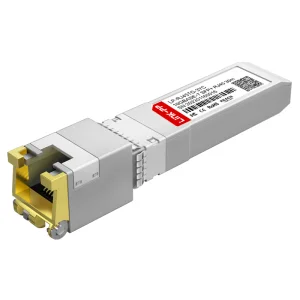
| 10G Copper SFP+ Transceiver | 10,000 Mbps (10 Gbps) | < 0.5 ms | N/A (Optical Isolation) | Data centers core switch, SAN storage arrays, telecom backhaul |
For data center administrators, configuring rack servers without embedded serial ports is a common challenge. Utilizing a high-performance USB-to-RJ45/SFP transceiver console adapter allows network engineers to configure and diagnose switches, routers, and host servers directly from portable laptops, saving downtime and optimizing out-of-band management operations.
Industrial PCs (IPCs) on smart assembly lines frequently need to interface with high-noise PLCs and camera systems. Standard USB ports can be converted into isolated RJ45 interfaces with magnetic protection, preventing ground loops and avoiding data corruption in harsh manufacturing environments with heavy high-voltage machinery.
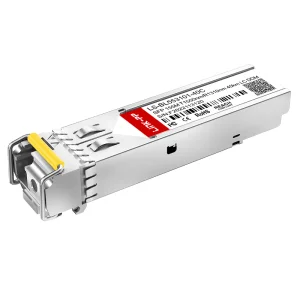
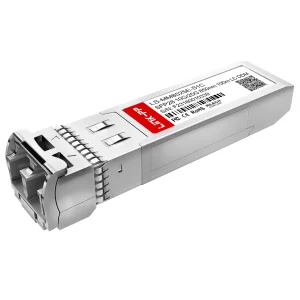
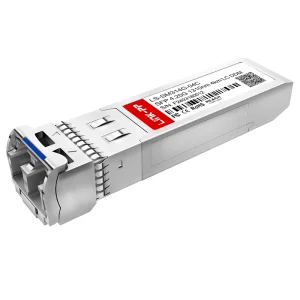
At the edge of telecom cell stations, optical-to-copper conversion is crucial. Field technicians rely on rugged SFP transceivers and media-agnostic adapter modules to bridge optical SFP28/SFP+ signals down to Gigabit Ethernet, allowing direct connectivity to monitoring laptops, spectrum analyzers, and testing equipment.
At OptiLinker, we prioritize technical reliability. Network latency and packet loss can cost enterprise operations thousands of dollars per minute. Hence, our rigorous physical and optical testing procedures ensure only perfect modules leave the factory.
All semiconductor chips, custom gold-plated pins, capacitors, and PCB sub-assemblies undergo strict screening for electrical tolerances and manufacturing defects before entering our assembly cleanrooms.
Our high-speed SMT lines utilize automated 3D optical scanning to detect misalignments, solder bridging, and component placement errors, guaranteeing mechanical precision.
Every active transceiver is subjected to real-time eye diagram analysis and Bit Error Rate (BER) testing, ensuring compliance with IEEE transmission patterns.
Products are stress-tested in thermal chambers under extreme conditions (ranging from -40°C to +85°C) to simulate long-term deployment in telecom environments.
As optical fiber and copper networks transition towards Terabit communication bandwidths, the convergence of USB and Ethernet technology faces new opportunities. Our engineering division is actively working on technical prototypes that leverage USB4 and Thunderbolt interfaces to bring multi-gigabit connections straight to standard network infrastructures.
Developing new converters capable of driving up to 10G/25G Base-T speeds using the high bandwidth of USB4, enabling plug-and-play local network adapters for extreme calculations.
Providing firmware-embedded transceivers pre-programmed for cross-vendor platforms. Our R&D team ensures compatibility with major networking brands, eliminating firmware blocks.
Complying with RoHS 2.0 and REACH, our factory operates on green PCBA soldering processes, minimizing heavy metal usage in consumer and industrial hardware alike.
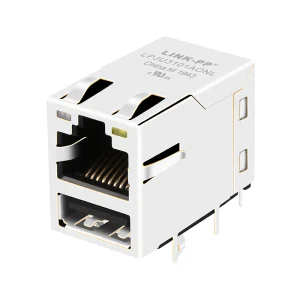
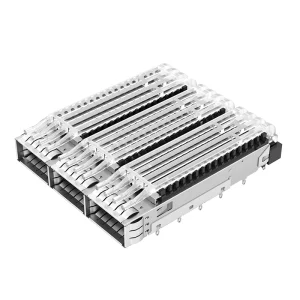
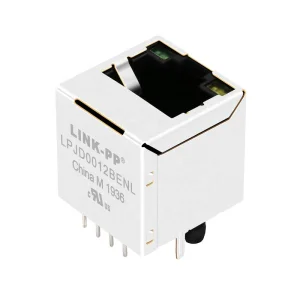
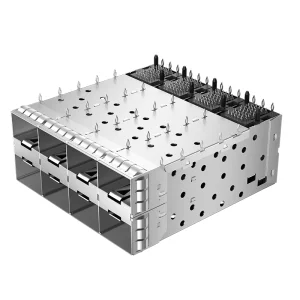
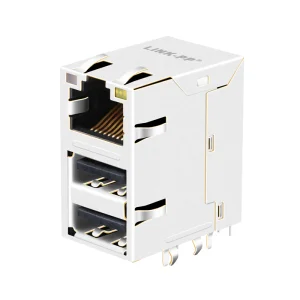
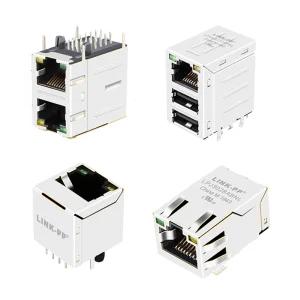
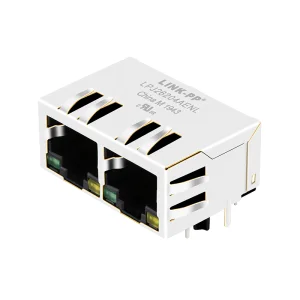
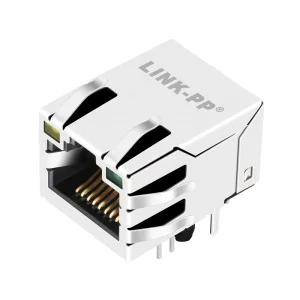
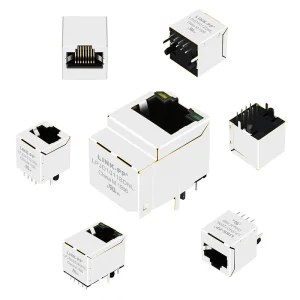
Explore our collection of modular RJ45 receptacles, SFP cages, and hybrid USB-ethernet interfaces configured for global high-frequency hardware markets.