OptiLinker
OptiLinker
OptiLinker
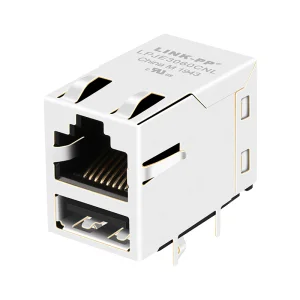
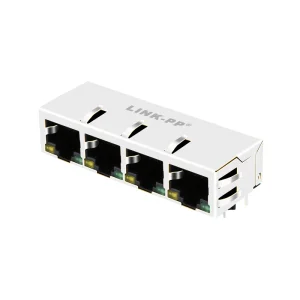
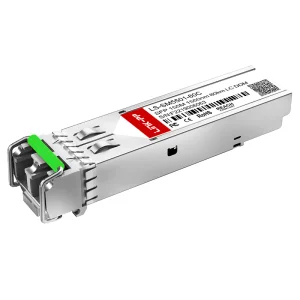
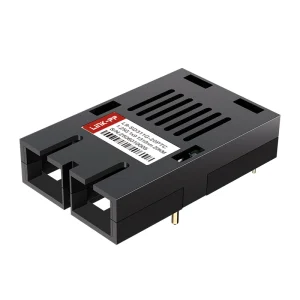
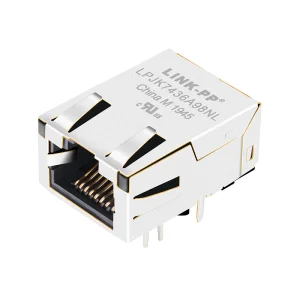
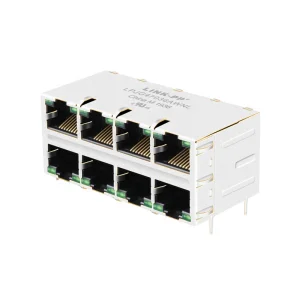
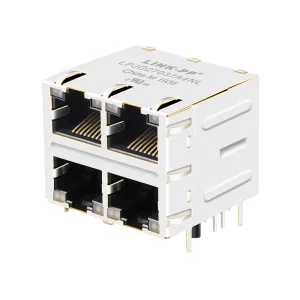
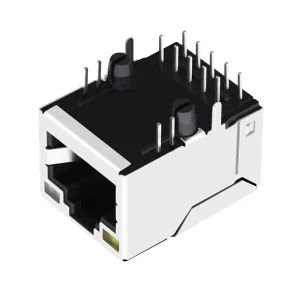
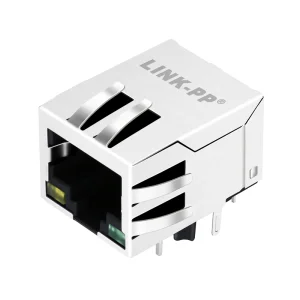
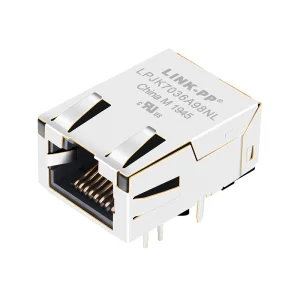
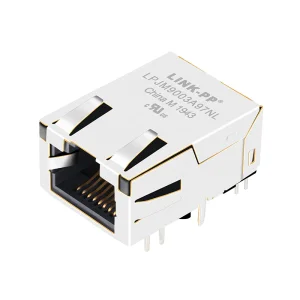
Discover our advanced structural elements, including shielded multi-port RJ45 connectors, fiber optical modules, and low-profile MagJacks designed for seamless network integration and high-speed data transmission.
In modern industrial communications, extending Ethernet beyond the standard 100-meter (328 ft) IEEE 802.3 limit is a critical operational hurdle. Enterprise-grade Ethernet extenders solve this issue by utilizing legacy copper telephone lines (twisted pair or coaxial) or bridging data signals into high-speed fiber-optic lines to cover distances spanning up to tens of kilometers.
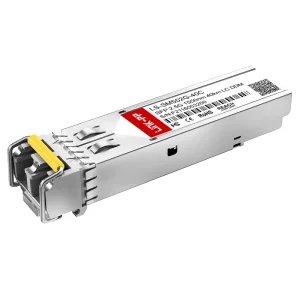
Traditional network expansions require expensive trenching and installation of new fiber cabling. Industrial Ethernet Extenders leverage advanced transmission standards like G.hn, VDSL2 (Very High Speed Digital Subscriber Line 2), or specialized optical conversions to route signals over existing infrastructures. By deploying high-precision RJ45 MagJack connectors and SFP transceiver modules, network operators achieve gigabit-level speeds over extended lengths while bypassing costly infrastructural revisions.
"By integrating custom electrical interfaces (such as low-profile shielded RJ45 modules) with robust optical backbones (SFP/LC Duplex modules), OEM custom Ethernet extenders offer a balanced approach between hardware durability and superior signal integrity."
For systems integrators and telecommunication operators, sourcing customized OEM solutions ensures that line protocols, form factors, thermal tolerances, and electromagnetic compatibility (EMC) parameters map precisely to the target operational environment. Whether upgrading a legacy subway signaling network or extending security cameras in a mining complex, specialized manufacturing guarantees localized protocol support, optimized latency, and robust reliability.
Below is a brief technical comparison highlighting how extension standards vary based on medium and target distance:
| Technology Type | Transmission Medium | Max Distance | Typical Data Rate |
|---|---|---|---|
| VDSL2 Profile 35b | Single Twisted Pair (Copper) | Up to 1.5 km | Up to 300 Mbps (symmetric) |
| G.hn Industrial | Coax / Twisted Pair / Powerline | Up to 2.0 km | Up to 1 Gbps (shared) |
| Fiber-Optic Media Converter | Single-Mode Fiber (SMF) | Up to 80 km | 1 Gbps to 10 Gbps+ |
OptiLinker Optoelectronics Co., Ltd. is a professional optical transceiver manufacturer and solution provider under the brand OptiLinker (www.optilinkertrans.com), specializing in high-speed optical communication modules for global data center and telecom applications.
Founded in 2016, OptiLinker operates a modern, high-precision production facility with a total building area of approximately 320㎡. We boast over 12 years of industry experience and 8 years of export experience, delivering reliable network equipment components worldwide.
With an annual export revenue of around USD 12 million, OptiLinker serves major markets across North America, Europe, Southeast Asia, and the Middle East. We focus on strategic OEM/ODM partnerships with top-tier network infrastructure providers.
Supported by a robust R&D framework, our engineering team launched approximately 120 new optical transceiver and connector products in the last year alone, ensuring rapid adaptation to evolving enterprise demands.
USD Annual Export Revenue
Optical & Hardware Engineers
Dedicated QC Professionals
Global Supply Chain Partners
The landscape of data transmission is shifting rapidly due to Edge AI, the Internet of Things (IoT), and smart factory automation. Understanding the developmental path of Ethernet extension technologies helps hardware specifiers make future-proof purchasing decisions.
While traditional VDSL2 remains highly reliable, industrial environments are moving toward G.hn Wave-2 technology. Operating over standard copper lines, coax, or twisted pair wires, G.hn allows speeds up to 1.7 Gbps on short loops. The technology utilizes modern orthogonal frequency-division multiplexing (OFDM) to maximize spectral efficiency and suppress local electromagnetic noise.
Extending Ethernet isn't just about data; it is also about delivering power. Modern extenders incorporate IEEE 802.3bt (PoE++) standards to supply up to 90W of power to remote devices (such as PTZ security cameras or wireless access points) over distances of 500m to 1km, eliminating the need for localized AC grid power lines.
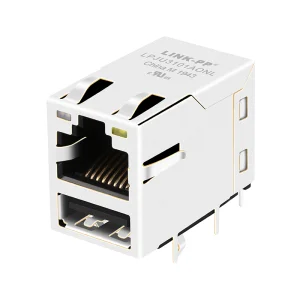
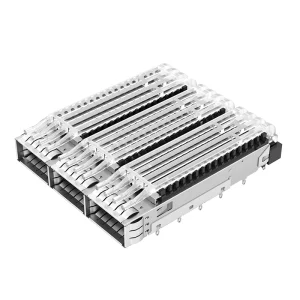
The ultimate goal is seamless transition between copper edge interfaces and high-capacity optical backhauls. Future extenders feature dual interfaces—such as custom-shielded low-profile RJ45 MagJacks alongside SFP/SFP+ cage systems. This enables modular setups where users plug in Single-Mode LC Duplex SFP Modules for long-distance transport (up to 80km) or swap to copper RJ45 interfaces for local distribution.
R&D Focus: OptiLinker’s 60-strong optical engineering team works closely on optical-electrical signal integrity to ensure zero-packet-loss conversions at high switching speeds.
Our industrial networking components and customized OEM Ethernet extenders are deployed across diverse sectors facing extreme distances and harsh environments.
Connecting outdoor IP cameras, traffic sensors, and toll booths along miles of highways requires long-distance transmission. Ethernet-over-Coax/Copper extenders utilize existing roadside emergency phone cables to transmit high-resolution video streams back to traffic hubs without digging up paved streets.
Automated manufacturing bays suffer from heavy EMI (electromagnetic interference) generated by high-voltage machinery. Custom shielded low-profile RJ45 Magjacks (incorporating integrated isolation transformers) and fiber transceivers shield communications against packet drops and electrical surges.
Corrosive, salt-heavy sea air and continuous mechanical vibrations damage standard networking hardware. For shipboard controls and railway signaling, we supply customized gold-pleated RJ45 female combo jacks and rugged transceivers certified to withstand heavy thermal shocks.
OptiLinker combines the operational agility of specialized precision engineering facilities with a robust procurement matrix to provide reliable OEM components under aggressive lead times.
Our quality assurance program is designed to meet strict international standards. Operating a streamlined, state-of-the-art facility, our quality control team consisting of 35 dedicated QC professionals conducts deep validation at every production gate:
Operating in close proximity to major electronics manufacturing hubs in Shenzhen and Guangdong, OptiLinker utilizes a vast network of 850 supply chain partners. This strong logistics system allows us to source high-grade components reliably, minimizing disruption during periods of supply volatility.
Whether you require Custom Ethernet RJ45 Magnetic modules, 10G SFP transceivers, or SFP cages with custom heatsinks, our supply chain ensures consistent raw-material flow, stable pricing, and scalable manufacturing output.
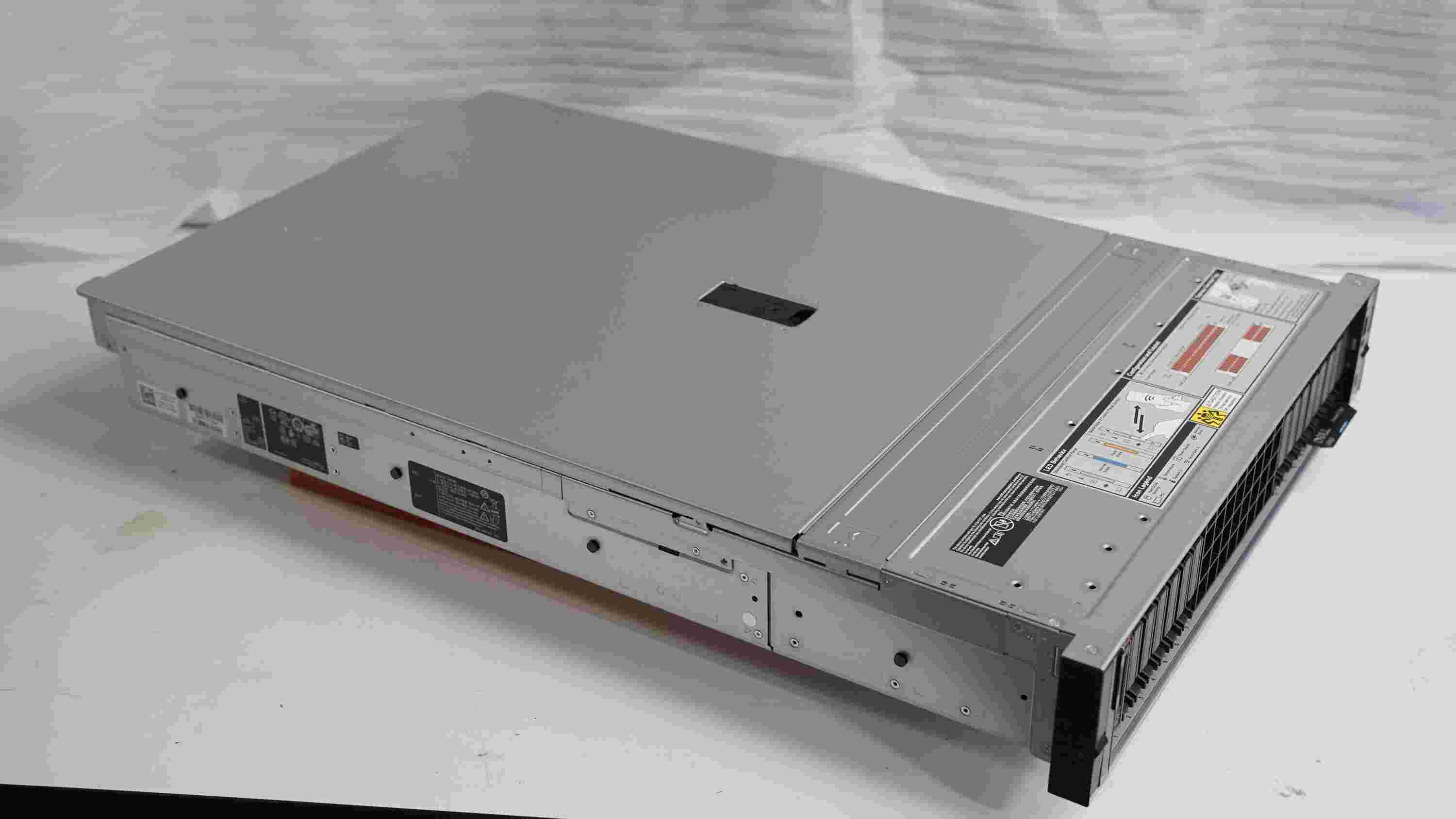
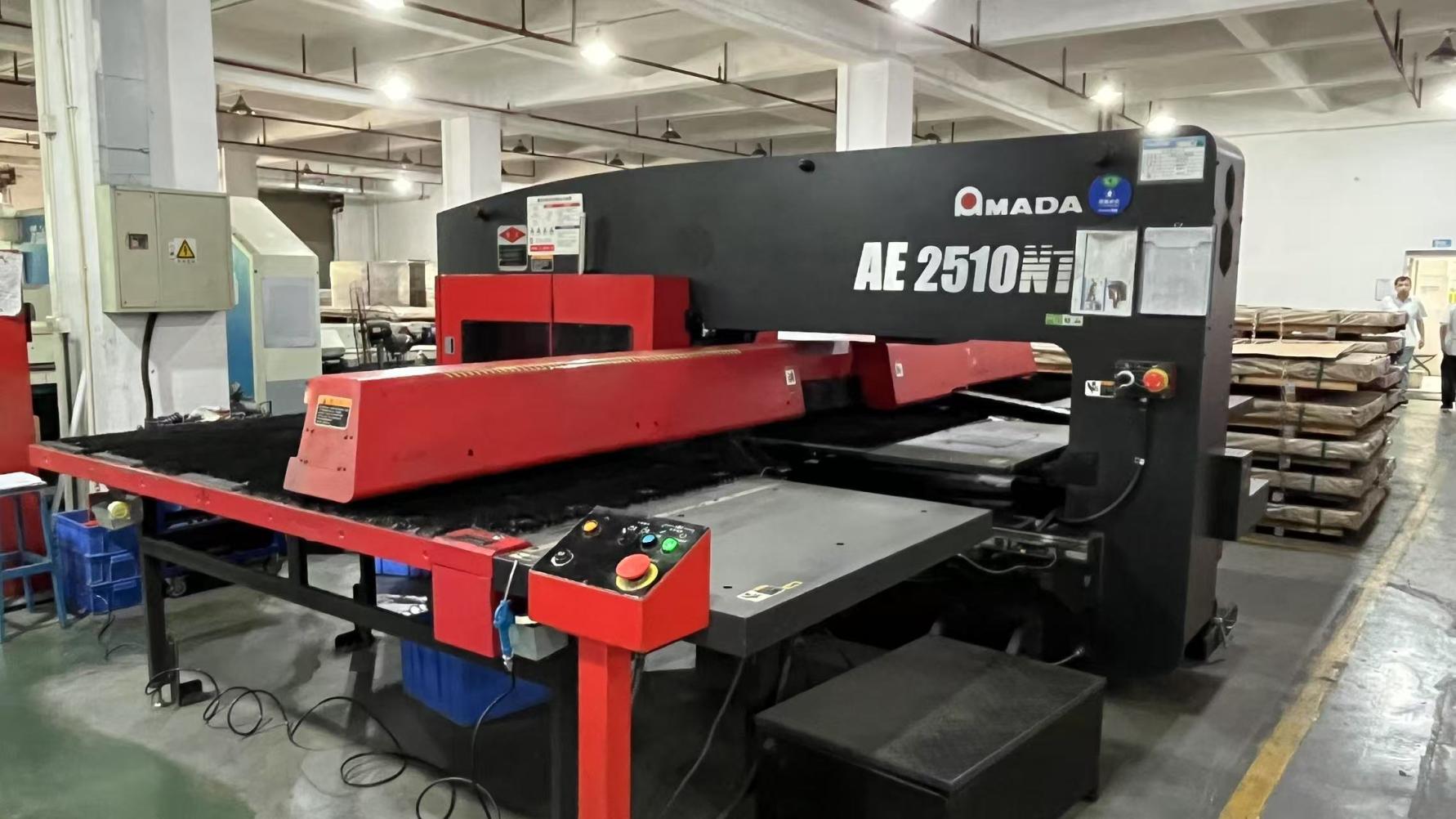
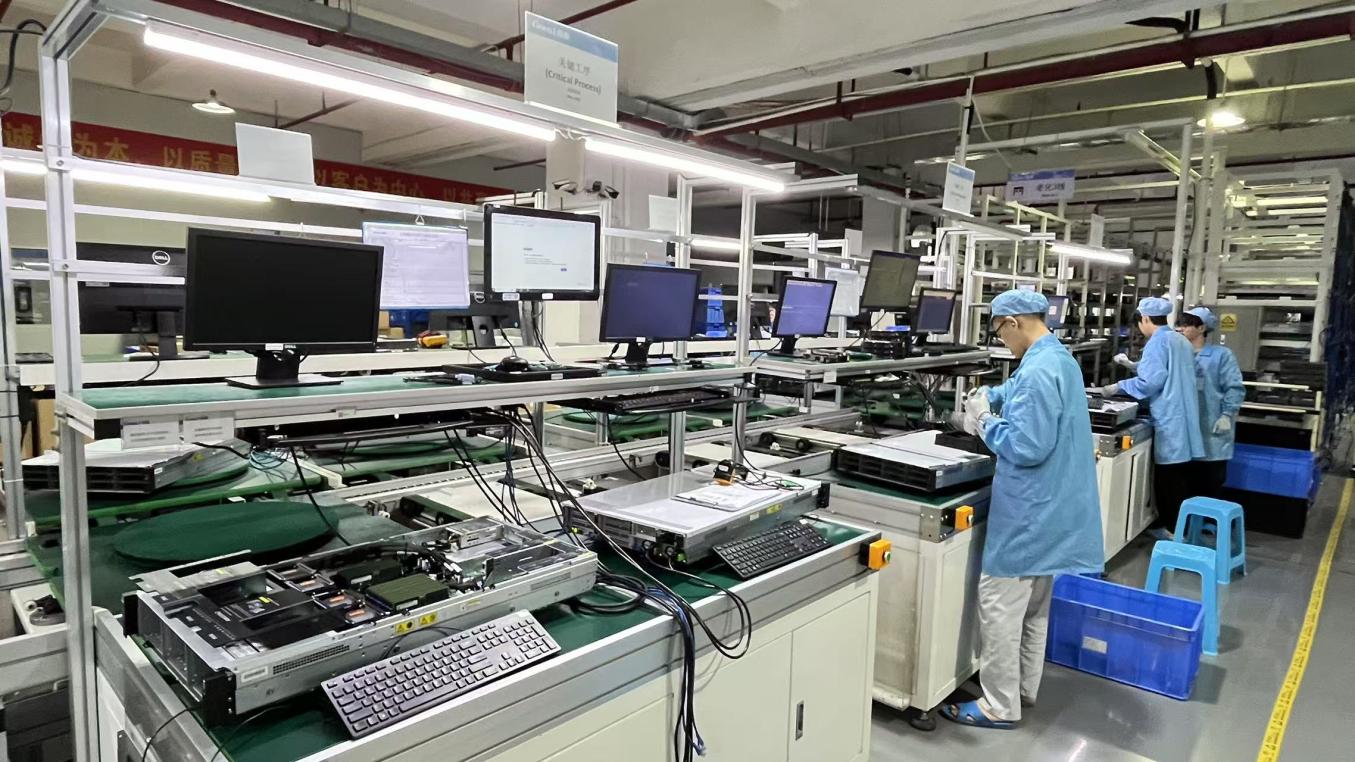
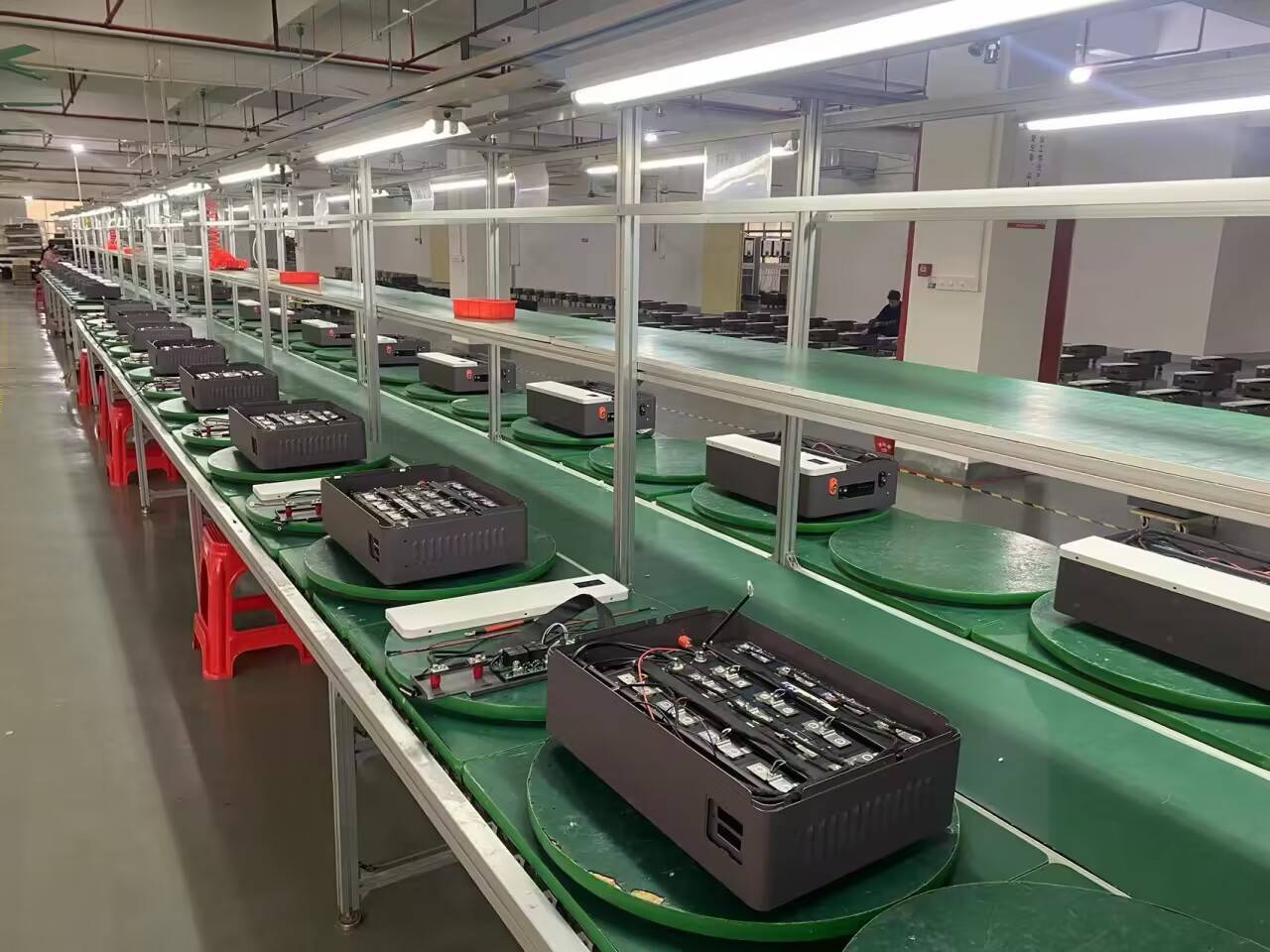
B2B procurement teams must carefully evaluate electrical and physical properties before committing to high-volume manufacturing orders. Below is the primary checklist of specifications to look for when choosing custom-built solutions:
Using RJ45 connectors with built-in magnetics (MagJacks) saves board space, reduces EMI emission, and improves overall ESD protection. Ensure the manufacturer offers low-profile versions if vertical space within the chassis is limited.
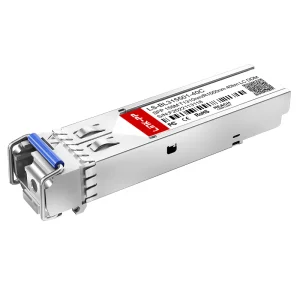
For transceivers (SFP/SFP+/SC/LC), compatibility with major brands (Cisco, Juniper, Huawei) is essential. Request firmware coding and device compatibility programming at the manufacturer level to avoid deployment faults on-site.
Select Commercial grade (0°C to 70°C) for office and server rooms, or Industrial grade (-40°C to 85°C) for transportation, marine, and outdoor junction boxes. Industrial grade requires ruggedized packaging and higher-purity gold plating.
Get answers to the most common technical questions regarding OEM specifications, distances, and component integrations.
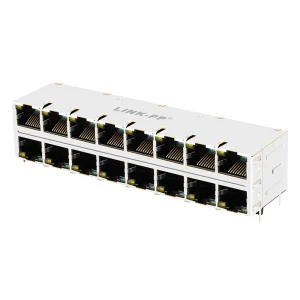
Browse the remainder of our high-quality range, featuring single-mode SFP modules, multi-port RJ45 modular jacks, and custom SFP cages.