OptiLinker
OptiLinker
OptiLinker
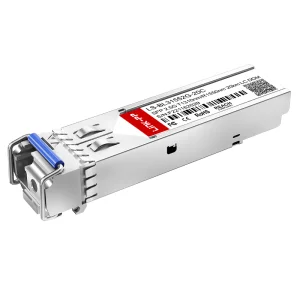
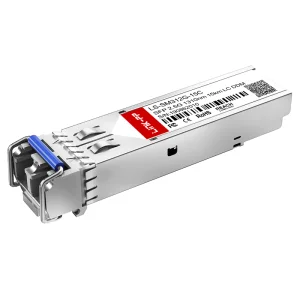
Premium 2.5G & 6G SFP configurations tailored for critical core routing, offering minimized latency and optimized optical budgets.
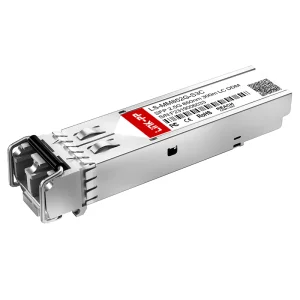
Located on the southern coast of Mahé in the Seychelles, Takamaka has traditionally been characterized by ecotourism and conservation. However, under the Seychelles National Digital Economy Strategy, the requirement for robust telecommunications infrastructures has surged. As maritime monitoring, high-capacity tourist resort local networks, and remote cellular base stations transition to higher bandwidths, the backbone optical connectivity requires specialized upgrades.
With subsea landing stations (such as the Seychelles East Africa System - SEAS) delivering high aggregate bandwidth to the archipelago, distributing this traffic to districts like Takamaka requires localized transmission nodes. Here, 2.5G to 6G SFP (Small Form-factor Pluggable) modules serve as critical bridging mechanisms. They enable network service providers to scale their GPON networks, support LTE-Advanced backhaul networks, and deploy high-speed enterprise links without incurring the capital expenditure of redesigning legacy platforms to 10G.
Operating optical networks in a coastal tropical environment like Takamaka poses severe hardware challenges. Standard commercial-grade modules suffer from thermal instability and moisture intrusion. OptiLinker transceivers designed for this region feature integrated hermetic laser packaging, rust-resistant housing alloys, and digital diagnostics monitoring (DDM) capable of tracking performance anomalies induced by salt-fog or high humidity levels. By delivering robust transceivers capable of withstanding industrial operating temperatures (-40°C to 85°C), we ensure minimal network downtime for critical municipal and tourist nodes.
| Environmental Parameter | Standard Enterprise Module | OptiLinker Industrial Grade (Takamaka Spec) |
|---|---|---|
| Operating Temperature Range | 0°C to 70°C | -40°C to 85°C (Extended/Industrial) |
| Humidity Resistance | Up to 85% Non-condensing | Up to 95% Hermetically Sealed Internal Components |
| ESD Protection | 1 kV Direct Contact | Up to 15 kV Air Discharge Protection |
| Laser Diode Lifespan (MTBF) | ~100,000 Hours | >1,000,000 Hours (DFB & EML Cooled Lasers) |
Understanding the standard protocols and implementation paths for multi-rate optical networks.
OptiLinker 2.5G to 6G modules support auto-negotiation, scaling seamlessly between CPRI Options 3 to 6, eCPRI, and 2.5G/5G Ethernet. This eliminates optical transceiver mismatch and enables smooth transitions from 4G LTE to localized 5G architectures.
Bi-directional (Bidi) transmission utilizes single-core optical fiber via multiplexing wavelengths (typically 1310nm/1550nm or 1490nm/1550nm). This saves up to 50% in physical cabling resources across Takamaka's mountainous routes.
Incorporating SFF-8472 guidelines, our modules support Digital Diagnostics Monitoring (DDM). Systems engineers can monitor laser bias current, temperature, optical output power, and receiver sensitivity dynamically.
Worldwide, the transition to high-speed optical architecture is no longer reserved strictly for Tier-1 hyperscale datacenters. With the ubiquity of Wi-Fi 6E/7 and multi-gigabit access networks, the demand for 2.5G, 5G, and 6G SFP modules has grown rapidly. Many telecommunications authorities globally specify intermediate rates to address power consumption budgets, physical heat limitations, and existing copper-to-fiber media converter parameters.
In Takamaka, local deployments focus primarily on three sectors:
OptiLinker Optoelectronics Co., Ltd. is a professional optical transceiver manufacturer and solution provider under the brand OptiLinker, specializing in high-speed optical communication modules for global data center and telecom applications.
Founded in 2016, OptiLinker operates a modern production facility with a total building area of approximately 320㎡. With continuous development in optical communication technology, the company has accumulated over 12 years of industry experience and approximately 8 years of export experience. In the past year, OptiLinker achieved an annual export revenue of around USD 12 million, serving customers across North America, Europe, Southeast Asia, and the Middle East.
Quality assurance is a core focus at OptiLinker. The company implements 100% incoming material inspection, AOI automated optical inspection, and full optical performance testing. Product verification includes BER testing, eye diagram analysis, and high/low temperature cycling tests, ensuring stable performance under demanding network environments. The quality control team consists of 35 dedicated QC professionals.
OptiLinker collaborates with a global supply chain network of approximately 850 partners, enabling efficient sourcing and stable production capacity. Its main customer base includes telecom operators, data centers, system integrators, and networking equipment manufacturers. Our engineering team specializes in high-speed optical design, signal integrity optimization, and protocol compatibility development. OptiLinker offers flexible customization options including wavelength tuning, transmission distance, packaging form factors, firmware coding, and device compatibility programming. In the last year alone, OptiLinker launched approximately 120 new optical transceiver products, reflecting its continuous innovation and rapid response to market demand.
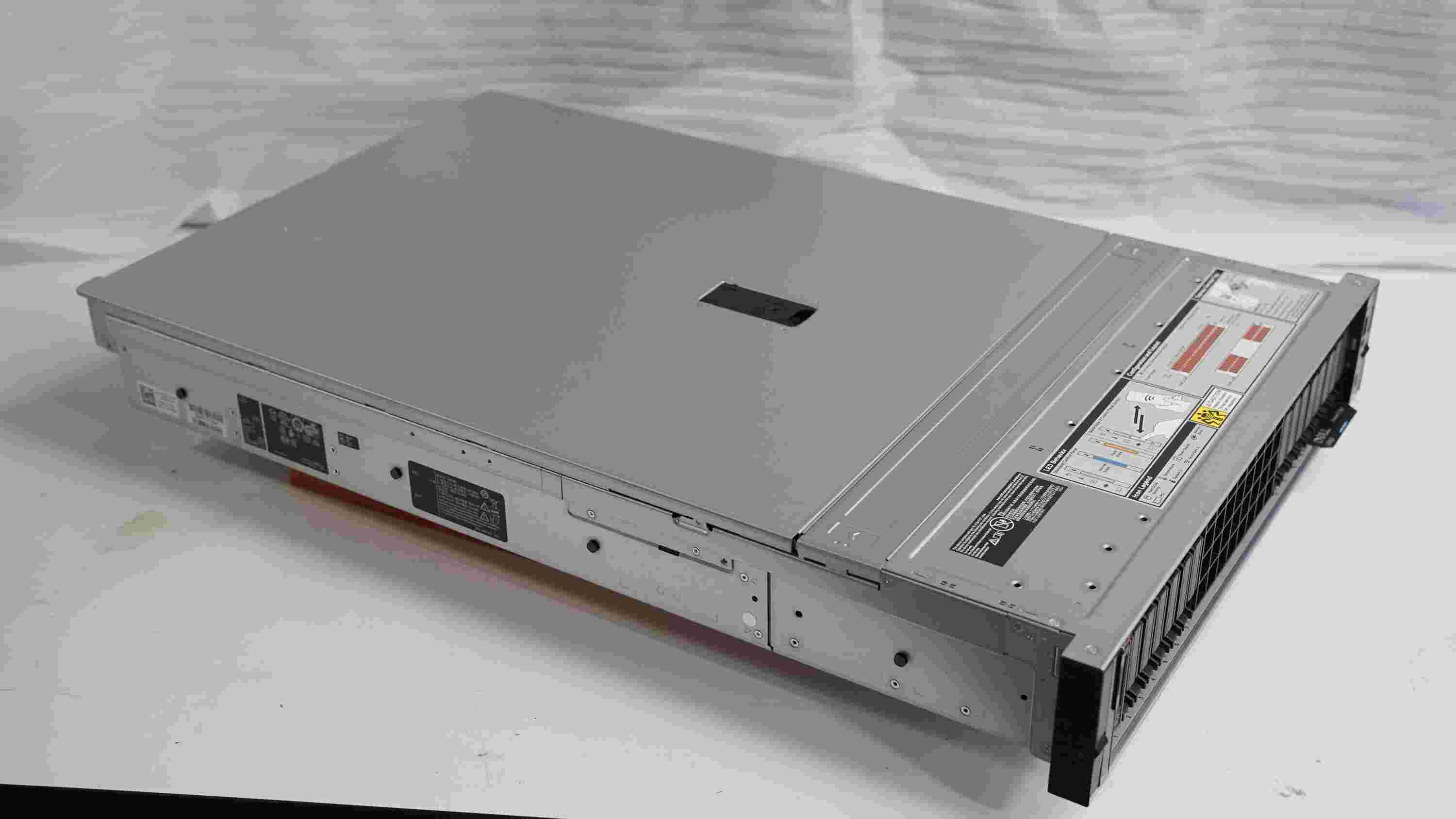

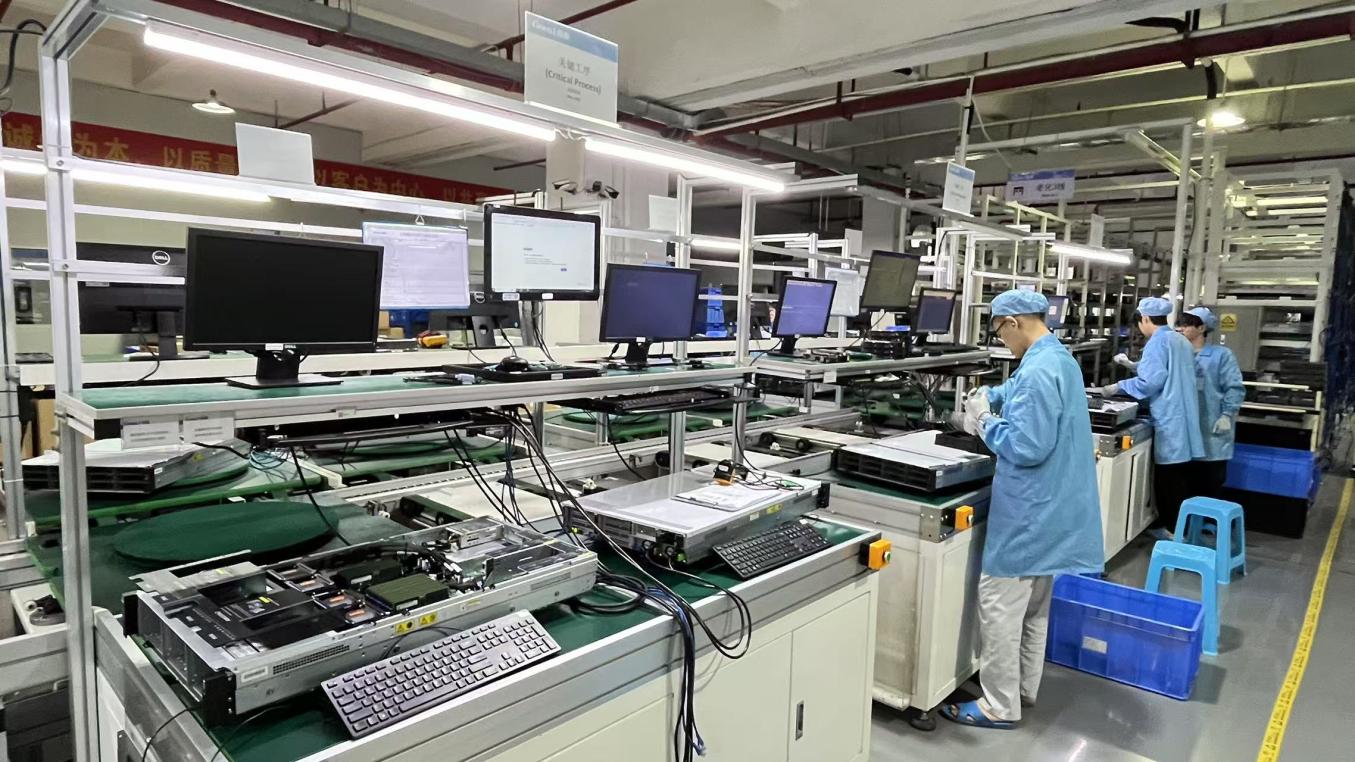
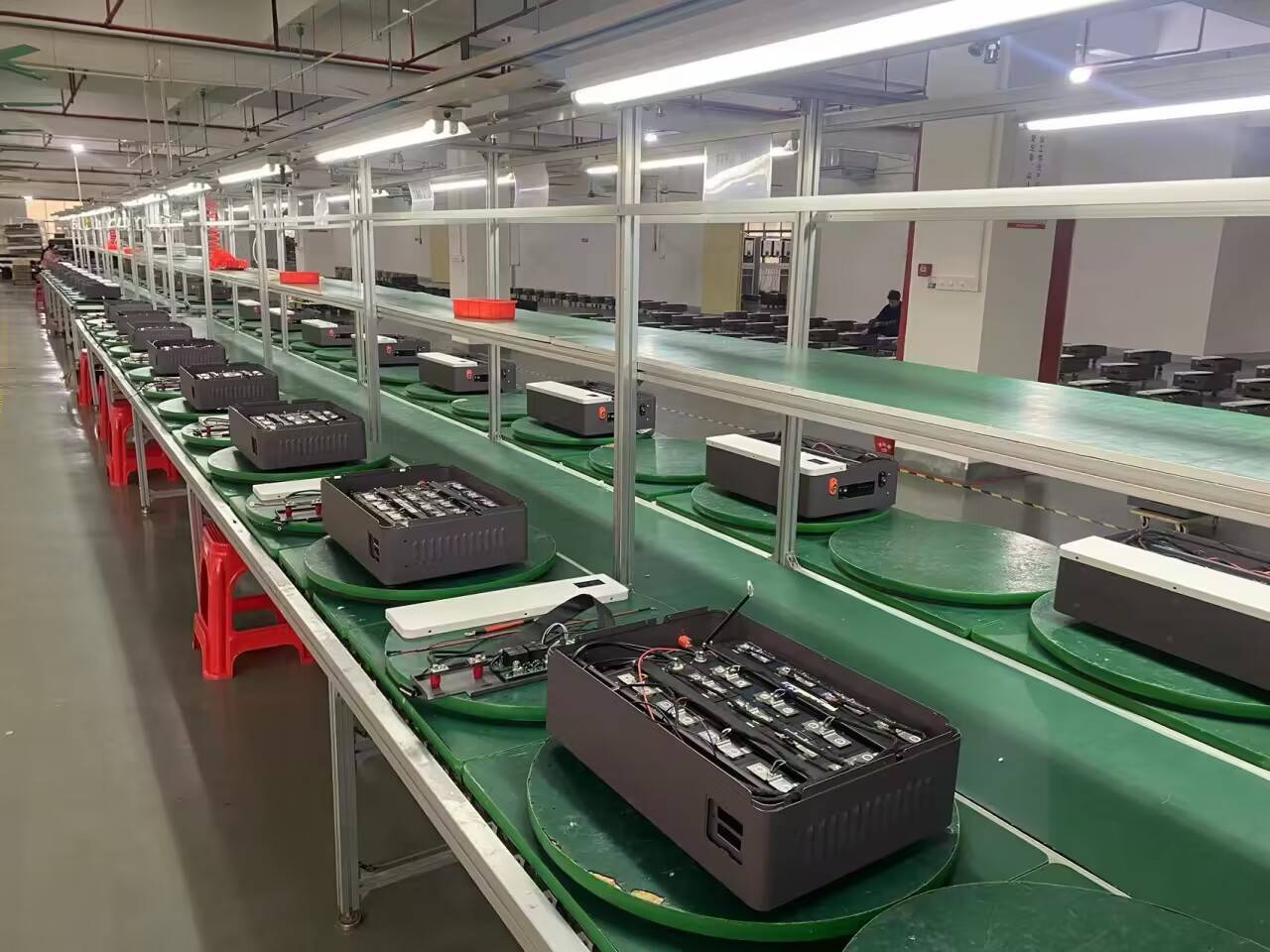
As standard systems demand faster interconnects, standard networks are progressively evolving. OptiLinker's hardware engineering division has drafted a technology migration path mapping current architectures to emerging physical-layer formats:
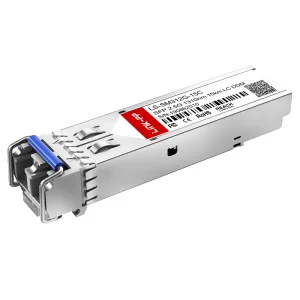
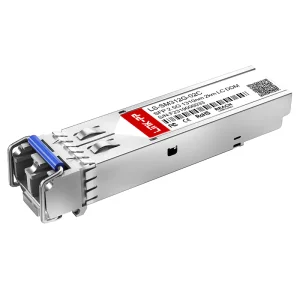
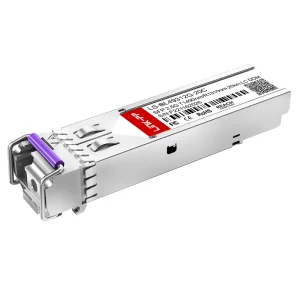
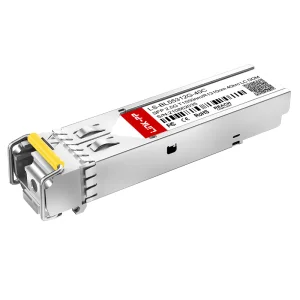
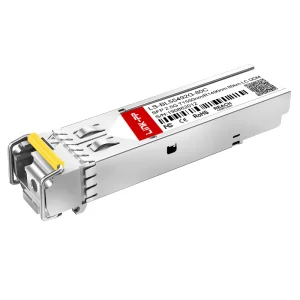
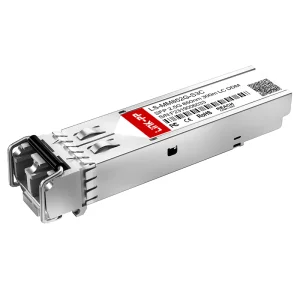
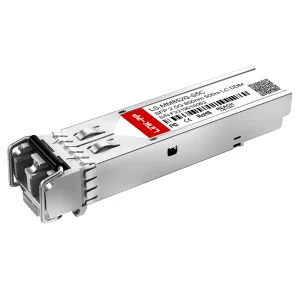
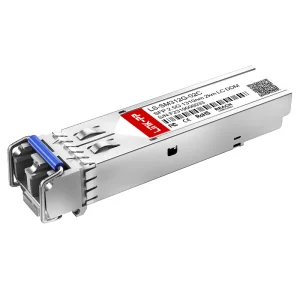
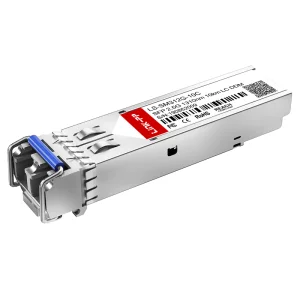
Engineered for full compatibility with global network switch brands. Select from our single mode and multimode configurations.
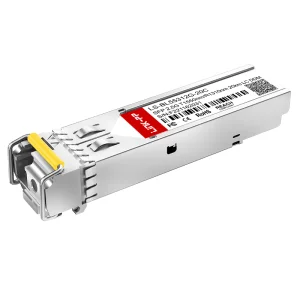
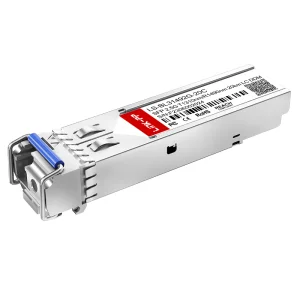
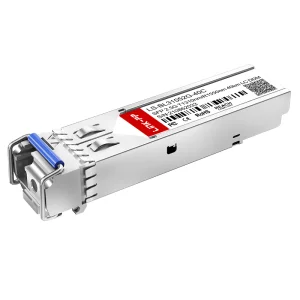
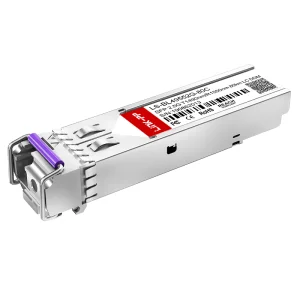
Addressing core compatibility, optical power budgets, and physical infrastructure integration queries.
OptiLinker's industrial-grade transceivers utilize hermetic laser packaging technologies that prevent atmospheric moisture and salt fog ingress. Internal components are built with high-grade alloys that resist corrosion and sustain wide temperature fluctuations (-40°C to +85°C) without losing spectral efficiency or inducing power variations.
Bi-directional (Bidi) SFP modules transmit and receive optical signals on a single physical fiber strand using distinct wavelengths (e.g., 1310nm-TX / 1550nm-RX and vice-versa). By multiplexing these signals, network operators in Takamaka can double their network link capacity instantly without laying additional physical cables, drastically reducing civil works and cabling budgets.
Yes. OptiLinker's dedicated R&D engineering department performs custom EEPROM coding and compatibility profiling. Our 2.5G~6G SFP transceivers can be programmed for complete native compatibility with brands including Cisco, Juniper, Huawei, HP, Arista, Mikrotik, and Ubiquiti.
OptiLinker subjects 100% of finished units to comprehensive quality loops: Automated Optical Inspection (AOI), Bit Error Rate (BER) analysis, eye diagram conformation, and high/low temperature chambers. All exported modules carry a robust warranty and are shipped in anti-static protective packaging to ensure absolute transport security.
Get in touch with our optical design and routing engineering teams for tailored configurations, bulk purchase quotes, or customized firmware specifications.
Send Inquiry Now