OptiLinker
OptiLinker
OptiLinker
Prequalified optical transceivers meeting local Hanoi and Ho Chi Minh City data center transmission standards.
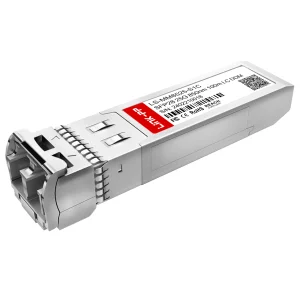
Understanding the economic shift from legacy 10G infrastructure to high-speed optical frameworks.
Vietnam is witnessing a massive expansion of localized data centers in tech hubs like Hoa Lac Hi-Tech Park (Hanoi) and Saigon Hi-Tech Park (Ho Chi Minh City). Driven by the local Data Localization Decree, operators such as Viettel IDC, VNPT, FPT Telecom, and CMC Telecom are scaling physical nodes. The transition from legacy SFP+ interfaces to 25G SFP28 and 32G SFP28 Fibre Channel storage networks has become the standard for optimizing compute density and thermal performance.
As major telecom operators roll out commercial 5G services nationwide, the active optical transmission layer faces stricter specifications. Deploying 25G BiDi (Bidirectional) and CWDM/DWDM SFP28 transceivers allows telecom providers to double bandwidth efficiency over existing single-fiber connections. This reduces front-haul fiber construction costs in dense urban areas like Da Nang, Hanoi, and Hai Phong.
Vietnam's electronics manufacturing corridors in Bac Ninh, Binh Duong, and Dong Nai are upgrading to Industry 4.0 frameworks. Industrial local-area fiber networks require industrial-temperature grade (-40°C to 85°C) 25G optical transceivers to ensure continuous system operation under harsh manufacturing conditions, mitigating risks of packet loss and unplanned line downtime.
A deep technical dive into transmission protocols, reliability, and optical signal integrity.
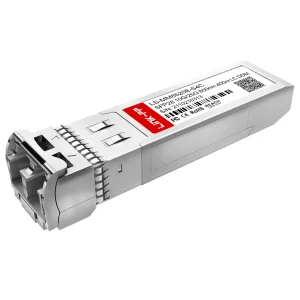
The 25G SFP28 form factor is designed to offer 2.5 times the bandwidth of standard 10G SFP+ without increasing the physical footprint. Operating on a single 25.78 Gbps lane, it aligns perfectly with the switch internal ASIC structure. This architecture eliminates the gearbox overhead required by multi-lane configurations, resulting in lower power consumption (typically under 1.2W per port for LR/SR modules) and reduced latency. This efficiency is critical for cloud data centers and high-frequency trading networks.
For high-capacity storage environments, 32G SFP28 modules operating under Fibre Channel protocols (32GFC) support backward compatibility with 16GFC and 8GFC. This makes them ideal for banking and enterprise storage upgrades across Vietnam. They ensure data-intensive applications like database transaction processing have access to dedicated, non-blocking high-bandwidth links with low bit error rates (BER).
A reliable optical infrastructure relies on selecting the appropriate transceiver technology based on deployment distances:
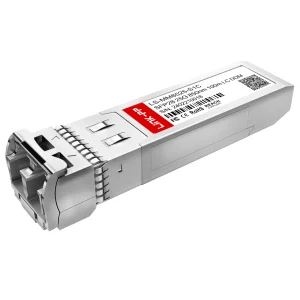
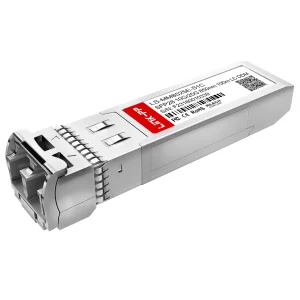
Highly adaptable optical transceivers for mixed-rate networks, supporting seamless upgrades from 10G to 25G.
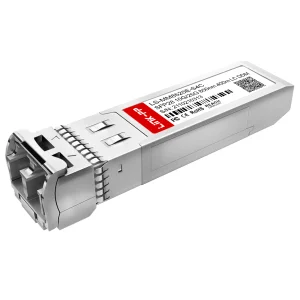
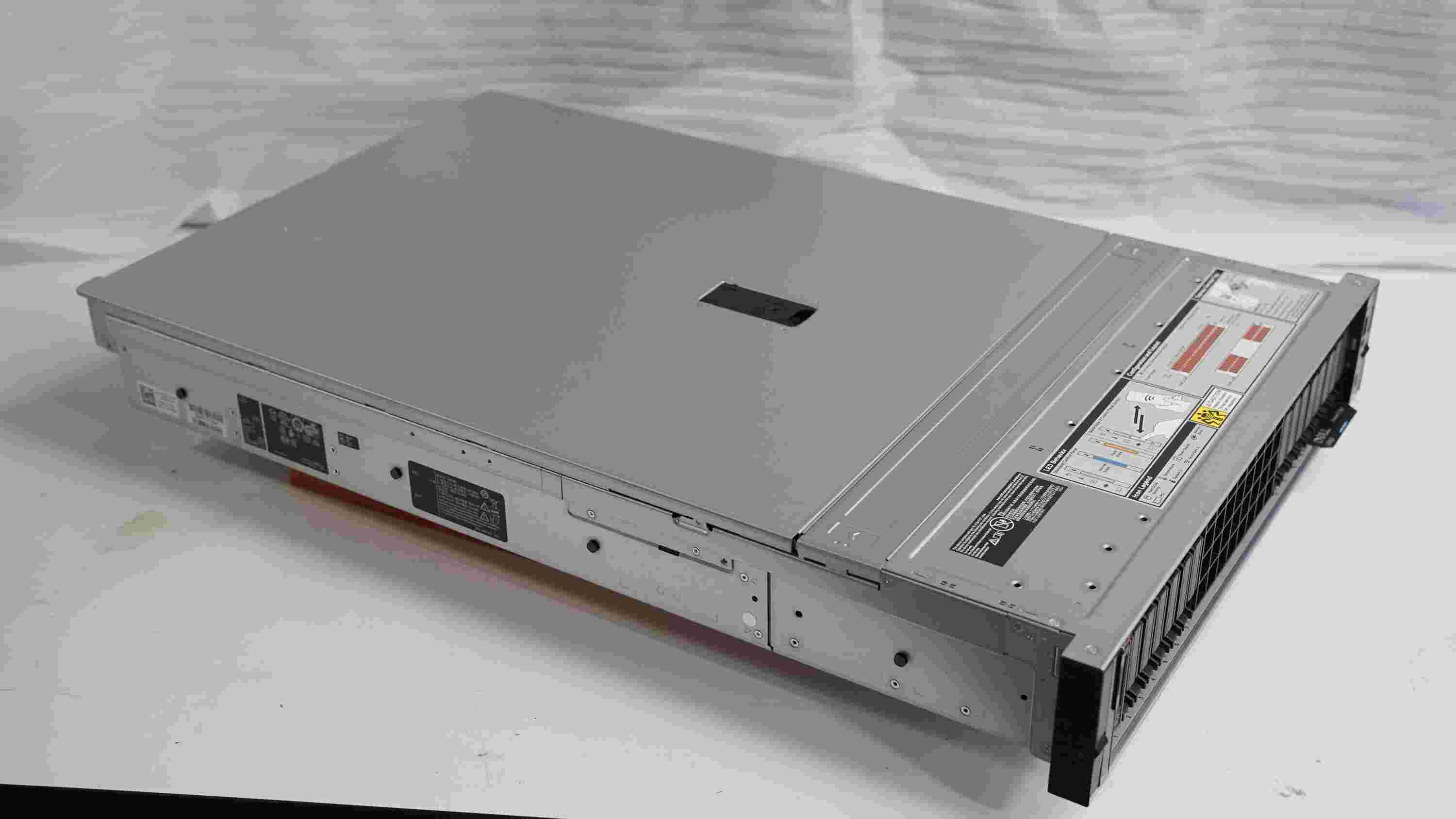
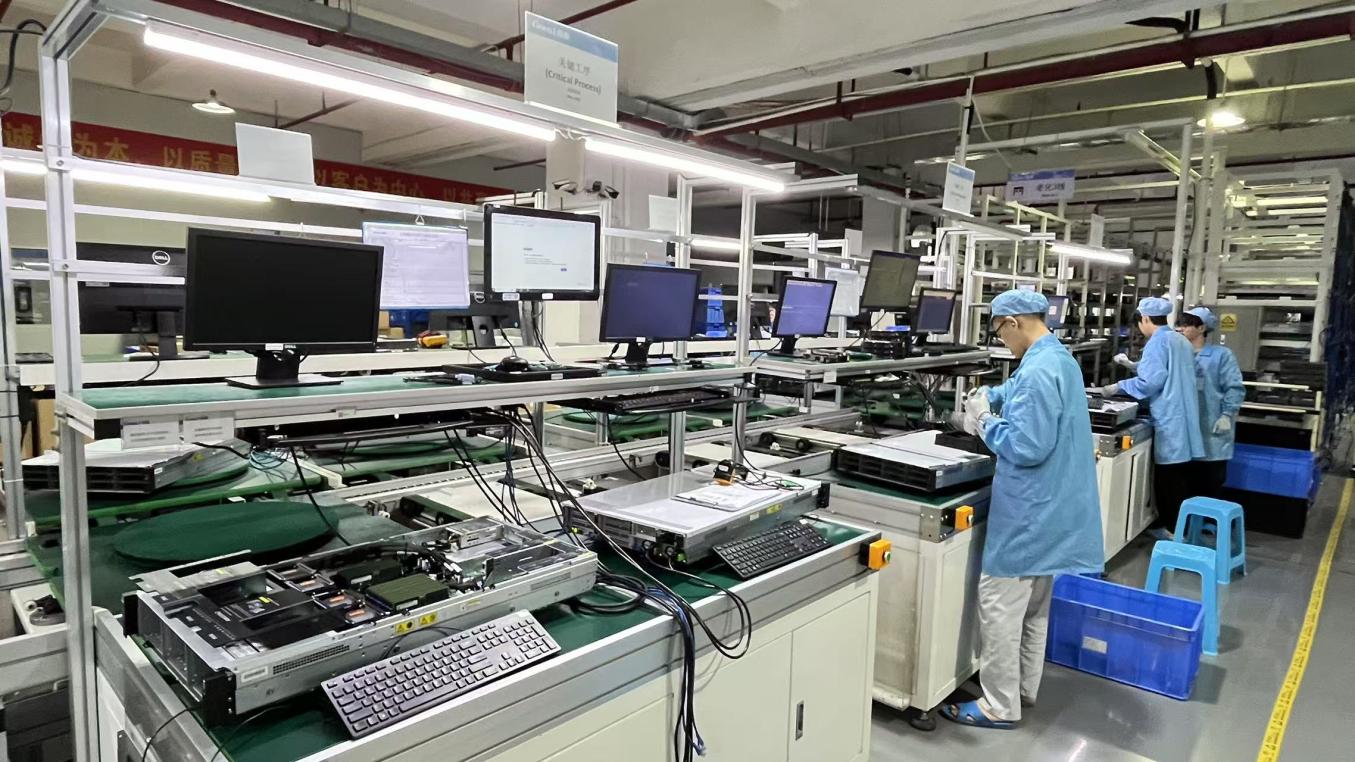
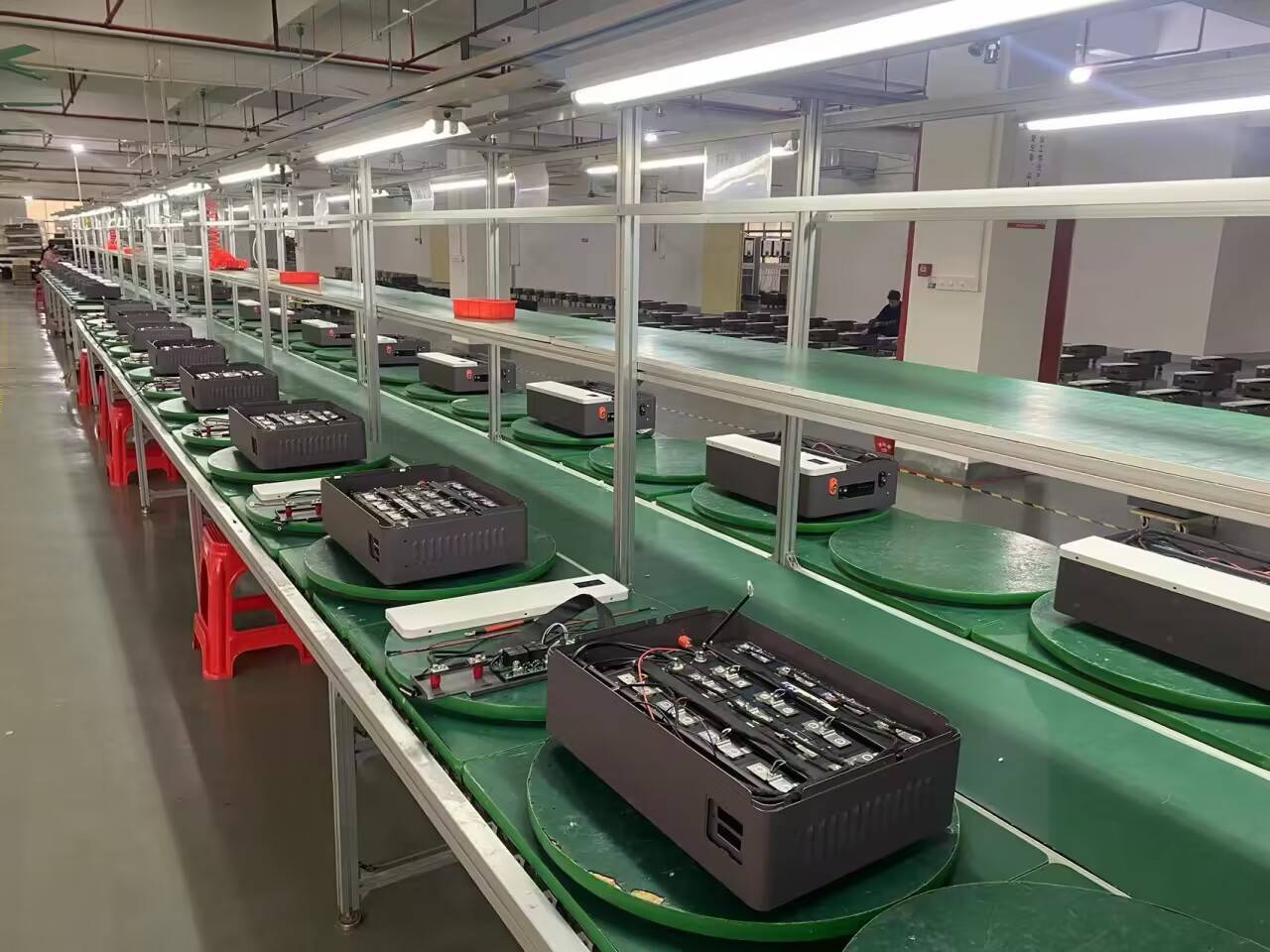
How our manufacturing processes ensure reliability, MSA compliance, and seamless operational continuity.
For enterprise system integrators and procurement teams in Vietnam, optical module compatibility remains a common operational challenge. Many OEM equipment brands restrict transceiver choices through proprietary vendor-locking mechanisms. OptiLinker resolves this by utilizing an advanced compatibility EEPROM programming matrix. This ensures our 25G SFP28 modules can be integrated alongside Cisco, Juniper, Huawei, Arista, and HPE equipment without triggering software warnings or port locking.
Vietnam’s tropical climate demands robust hardware designs. Industrial-grade modules must be engineered to withstand high humidity and temperature variations. We address these environmental factors at the hardware level through custom potting, gold-plated connectors, and high-specification optical components. These designs minimize signal degradation and thermal drift, helping extend the operational lifespan of the transceivers.
Each module undergoes a series of QA checks before shipment, helping eliminate early component failures (infant mortality) and ensuring consistent performance:
Leveraging advanced manufacturing and specialized design to support global digital networks.
OptiLinker Optoelectronics Co., Ltd. (OptiLinker) is a professional optical transceiver manufacturer and solution provider under the brand OptiLinker (www.optilinkertrans.com), specializing in high-speed optical communication modules for global data center and telecom applications.
Founded in 2016, OptiLinker operates a modern production facility with a total building area of approximately 320㎡. With continuous development in optical communication technology, the company has accumulated over 12 years of industry experience and approximately 8 years of export experience.
In the past year, OptiLinker achieved an annual export revenue of around USD 12 million, serving customers across North America, Europe, Southeast Asia, and the Middle East. The company maintains a strong global B2B trade background, focusing on OEM/ODM partnerships with network infrastructure providers.
Quality assurance is a core focus at OptiLinker. The company implements 100% incoming material inspection, AOI automated optical inspection, and full optical performance testing. Product verification includes BER testing, eye diagram analysis, and high/low temperature cycling tests, ensuring stable performance under demanding network environments. The quality control team consists of 35 dedicated QC professionals.
OptiLinker collaborates with a global supply chain network of approximately 850 partners, enabling efficient sourcing and stable production capacity. Its main customer base includes telecom operators, data centers, system integrators, and networking equipment manufacturers.
The company has strong R&D capabilities, supported by a team of 60 experienced optical engineers. Its engineering team specializes in high-speed optical design, signal integrity optimization, and protocol compatibility development. OptiLinker offers flexible customization options including wavelength tuning, transmission distance, packaging form factors, firmware coding, and device compatibility programming.
In the last year alone, OptiLinker launched approximately 120 new optical transceiver products, reflecting its continuous innovation and rapid response to market demand.
Driven by innovation and reliability, OptiLinker is committed to delivering high-performance optical connectivity solutions for the global digital infrastructure market.

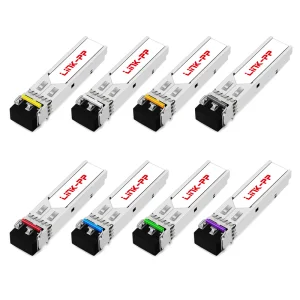
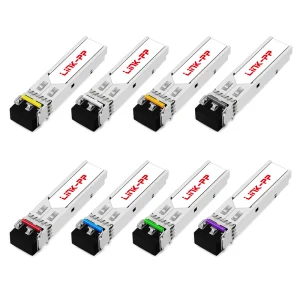
A full range of single-mode, multi-mode, BiDi, and CWDM/DWDM options for customizable networks.
Expert technical answers regarding optical transceivers, compatibility, and regional shipping.
Can 25G SFP28 transceivers operate in 10G SFP+ ports?
Generally, most 25G SFP28 transceivers are designed to support 25G rates and do not automatically auto-negotiate down to 10G unless specified as a dual-rate module (10G/25G). However, most 25G SFP28 ports on switches can accept 10G SFP+ modules. We recommend checking switch configuration settings, port capabilities, and module datasheets before installation.
How does OptiLinker guarantee Cisco, Huawei, and Juniper compatibility?
We maintain an extensive compatibility database and a hardware verification lab with native host switches. Each module is programmed with vendor-specific EEPROM code (MSA compliant) and tested directly on the target brand's switch. This process ensures the transceiver is recognized correctly without generating warning messages.
What is the advantage of 25G BiDi (Bidirectional) SFP28 over standard Duplex modules?
25G BiDi SFP28 modules utilize Wavelength Division Multiplexing (WDM) to transmit and receive signals over a single strand of fiber (using e.g., 1270nm-TX and 1330nm-RX). This allows operators in fiber-constrained environments to double physical cabling capacity without laying new fiber infrastructure, reducing material and installation costs.
What testing steps does OptiLinker use to ensure reliability in hot, humid climates?
Our modules undergo rigorous thermal chamber cycling testing. This cycle tests hardware stability from -40°C to 85°C, ensuring internal lasers and receiver photodiodes maintain stable target optical output power and high receiver sensitivity under varying humidity and temperature conditions.
What is the delivery time and customs clearance process for shipments to Vietnam?
We ship directly to major industrial parks and cities in Vietnam, including Hanoi, Hai Phong, Da Nang, and Ho Chi Minh City. Standard transit times via international express carriers (such as DHL, FedEx, or custom air cargo) are typically 3 to 5 business days. We provide comprehensive export documentation, certificates of origin, and custom declarations to assist with the local customs clearance process.
Contact our engineering support team for detailed specifications, compatibility validation sheets, and direct-factory pricing.
Send Inquiry Now