 OptiLinker
OptiLinker
OptiLinker
Explore our leading transceiver designs optimized for municipal backbones, enterprise storage, and university networks across Rajshahi.
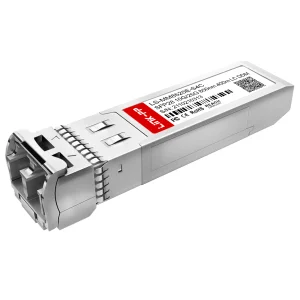
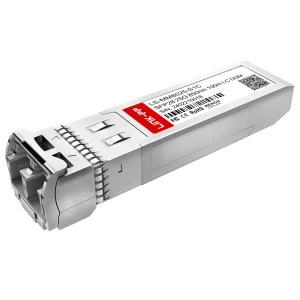
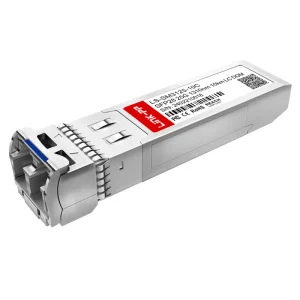
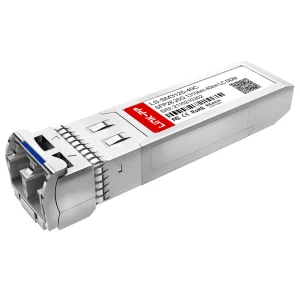
Analyzing the convergence of Bangladesh's regional growth and advanced telecommunication engineering.
Rajshahi, traditionally recognized as the silk and education hub of Bangladesh, is transitioning into a core digital territory. With the development of the Bangabandhu Hi-Tech Park, Rajshahi, and the ongoing implementation of the "Smart Bangladesh 2041" roadmap, the local ICT infrastructure is demanding high-density optical routing. Academic hubs such as the Rajshahi University of Engineering & Technology (RUET) and the University of Rajshahi are establishing high-performance computing (HPC) research environments that generate significant data loads. This digital push requires a shift from standard 10G networks to 25G/32G SFP28 optical modules to prevent data bottlenecks in core routing switches and local server rooms.
The local Internet Service Providers (ISPs), metropolitan networks, and regional mobile fronthaul providers in Rajshahi face the challenge of scaling bandwidth without modifying existing physical fiber installations. By implementing 25G SFP28 Single Mode and Multi-rate transceiver solutions, local operators can triple their data handling capacity using the same LC physical footprint. SFP28 technology provides a cost-effective pathway to 100G networks (utilizing 4x25G links), bypassing the higher overhead and cooling requirements associated with legacy 40G systems.
For network engineers in Rajshahi, the choice between upgrading to 25G/32G or jumping straight to higher modules depends on cost, distance, and heat dissipation. The SFP28 form factor is designed to offer 25Gb/s speed with the same power envelop and physical dimensions as the standard 10G SFP+. This compatibility allows for a straightforward upgrade path without replacing entire switch chassis.
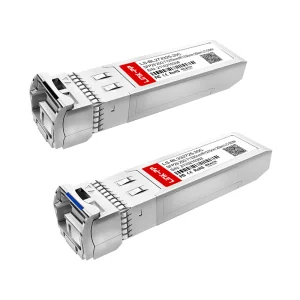
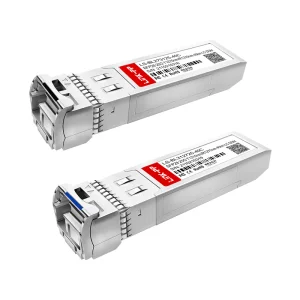
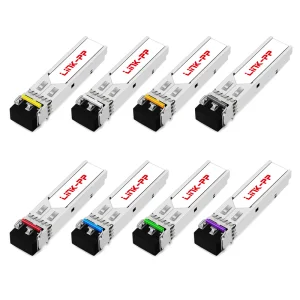
OptiLinker's portfolio includes Cisco-compatible dual-rate modules, CWDM/DWDM transceivers, and long-range BiDi configurations that optimize fiber usage by running upload and download channels over a single strand of fiber (Single-fiber BiDirectional). This is useful in dense municipal grids where physical fiber capacity is limited.
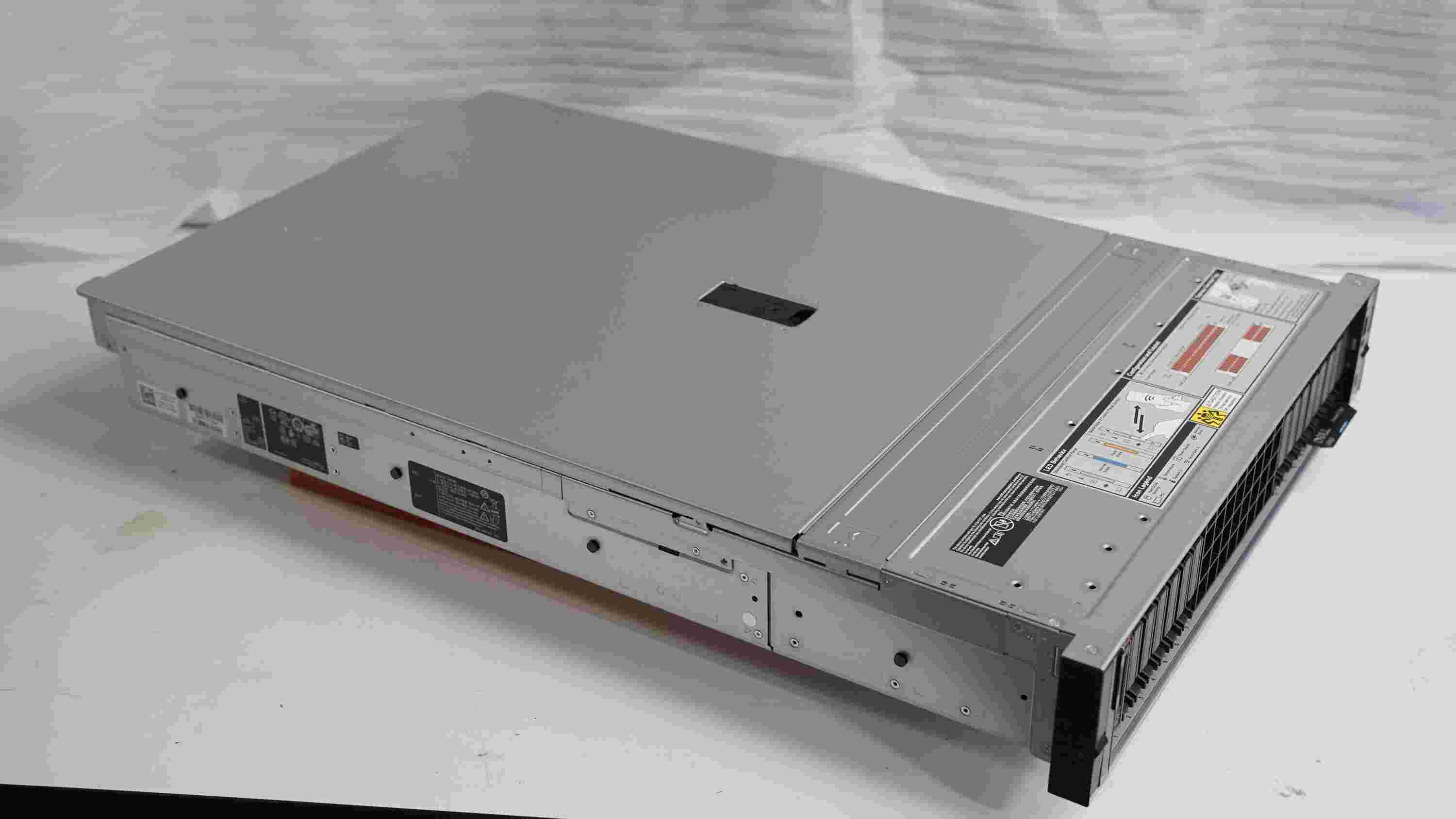

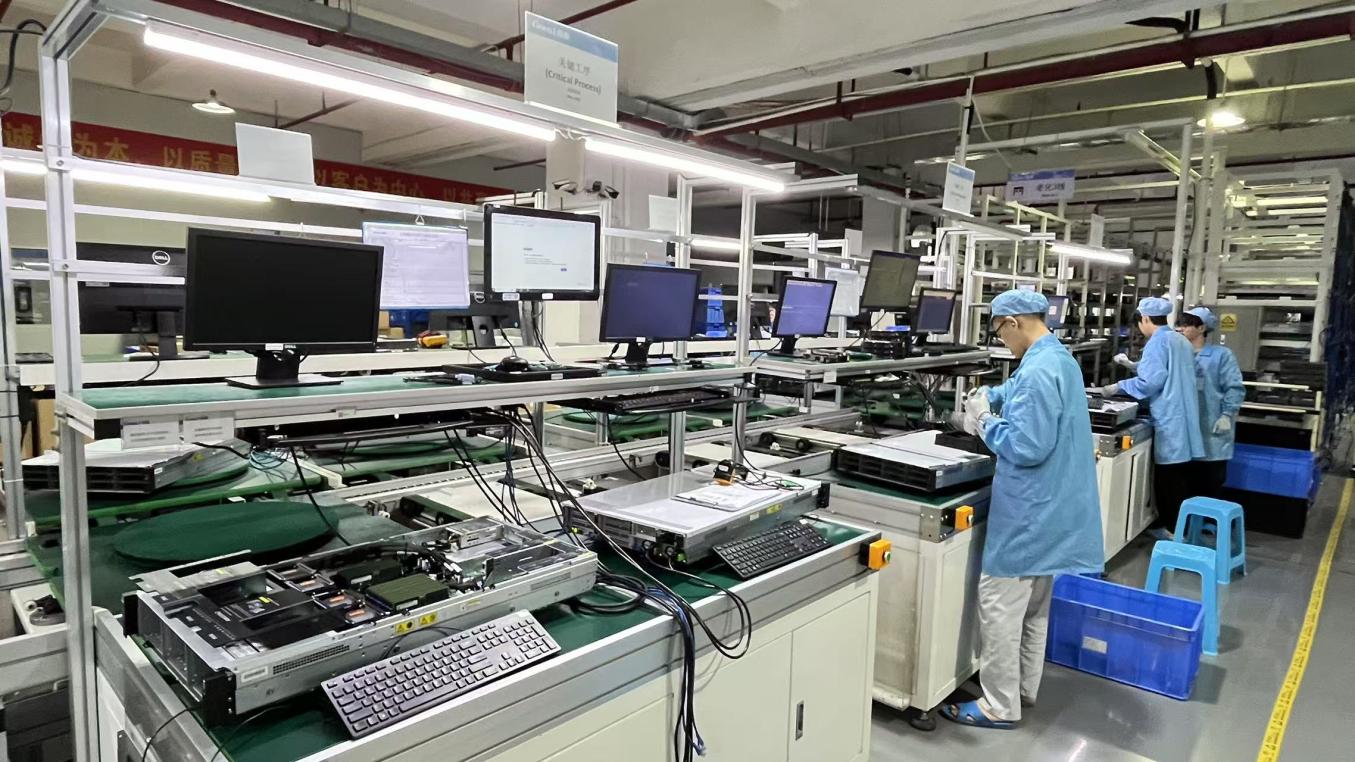
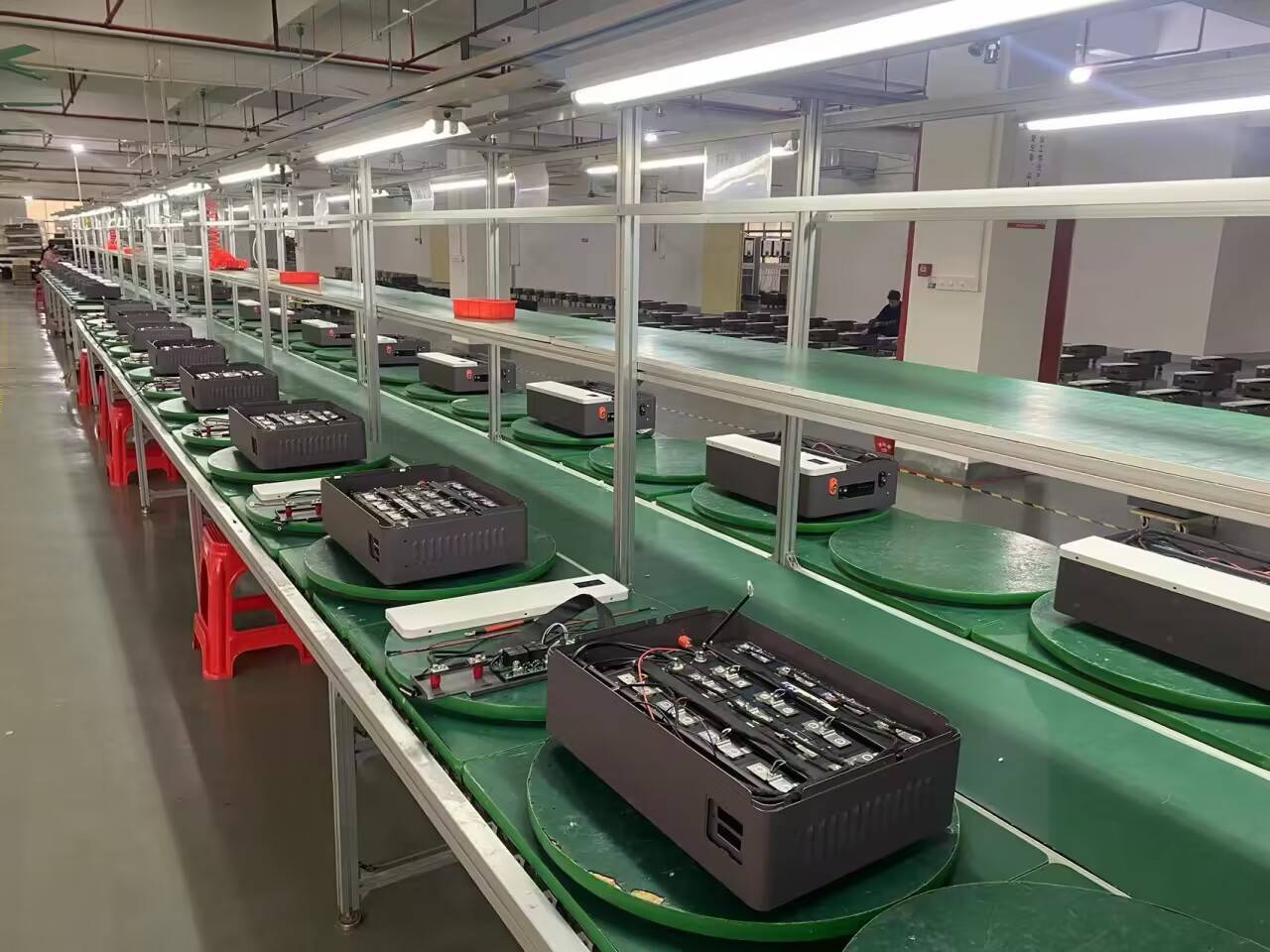
Leveraging China's manufacturing ecosystem to deliver tested, telecom-grade transceivers worldwide.
OptiLinker Optoelectronics Co., Ltd. (OptiLinker) operates under its own brand (www.optilinkertrans.com), producing high-speed optical communication modules for global data centers and telecommunications networks. Established in 2016, OptiLinker combines over 12 years of core industry experience with 8 years of export operations. Our facility features advanced cleanrooms and automated testing bays designed for optical transceivers.
Our quality control pipeline relies on automated optical inspection (AOI) and comprehensive optical performance testing. Every transceiver undergoes bit error rate (BER) analysis, eye diagram measurements, and temperature-controlled cycling tests to verify compliance with IEEE and MSA standards. With a dedicated 35-person quality control department and 60 engineering experts, OptiLinker manages signal integrity, low-latency firmware customization, and compatibility programming across over 120 new products launched annually.
By leveraging the supply chain ecosystem of Shenzhen and optical manufacturing hubs in China, OptiLinker optimizes component sourcing for TO-can packaging, optical sub-assemblies (TOSA/ROSA), and high-frequency printed circuit boards (PCBs). This integration allows us to supply competitive 25G SFP28 and 32G SFP28 modules to system integrators, municipal networks, and distributors in regions like Rajshahi, maintaining short lead times and stable pricing.
"Advanced manufacturing and automated testing guarantee that each module delivered to Rajshahi meets the standards required for enterprise datacenters and metropolitan carrier links."
Understanding physical parameters, modulation, and protocol mapping for custom local networks.
The SFP28 form factor (Small Form-factor Pluggable 28) supports data rates up to 28 Gbps per channel. It is used in two primary fields: Ethernet transmission (25GbE) and Fibre Channel storage networks (32GFC). While they share physical dimensions and LC duplex connectors, their internal protocol architectures, clock recovery schemes, and signal processing methods differ.
| Parameters | 25G SFP28 Ethernet | 32G SFP28 Fibre Channel (32GFC) |
|---|---|---|
| Nominal Bit Rate | 25.78 Gbps | 28.05 Gbps |
| Typical Applications | 5G wireless fronthaul (eCPRI), Data center TOR switches, Campus backbones | Storage Area Networks (SAN), High-speed enterprise backup networks |
| Standard Protocol | IEEE 802.3by / SFF-8402 / SFF-8431 | Fibre Channel FC-PI-6 |
| FEC (Forward Error Correction) | Base-R FEC / RS-FEC (Required for longer distances) | Transmitter-supported RS-FEC (mandatory for error correction) |
| Maximum Transmission Distance | Up to 40km (ER) / 80km (ZR) via SMF | Typically up to 10km via SMF, up to 100m via MMF OM4 |
Connecting Top-of-Rack (TOR) switches to core routers using 25G SFP28 SR multimode and LR single-mode modules to support software houses and IT operations.
Connecting distant departments at RUET and Rajshahi University over 10km to 40km links using SFP28 LR and ER modules without requiring signal repeaters.
Using SFP28 BiDi (Bidirectional) modules to double data capacity over existing single-core fiber, reducing infrastructure expansion costs for local ISPs.
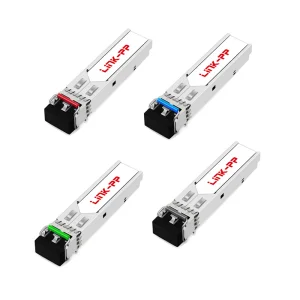
OptiLinker's production-grade optical modules designed for carrier-grade applications.
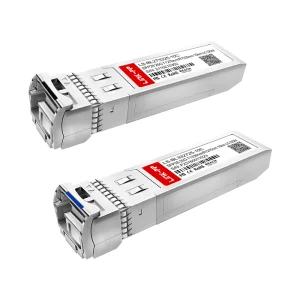
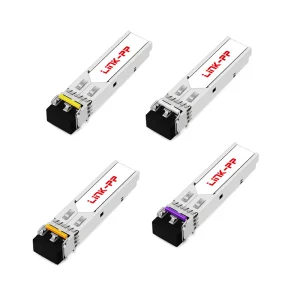
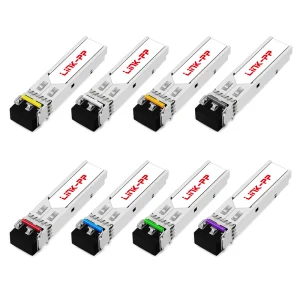
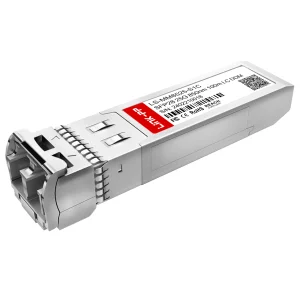
Factors to consider when evaluating international shipments, electrical specifications, and protocol layers.
When engineering fiber rings connecting Rajshahi to districts like Pabna or Natore, chromatic dispersion is a key limitation for 25G transmission speeds. Using 25G SFP28 LR modules with a 1310nm DFB laser limits transmission distance to 10km due to dispersion constraints over standard G.652 SMF. For paths reaching up to 40km, the 25G SFP28 ER module uses an EML (Electro-absorption Modulated Laser) paired with an APD (Avalanche Photodiode) receiver. APD receivers provide higher optical sensitivity to handle the signal loss caused by longer fiber runs.
Rajshahi experiences high ambient temperatures during summer months, which can affect outdoor equipment enclosures. SFP modules operating in these conditions require components certified for industrial temperatures (-40°C to 85°C). Operating commercial-grade modules (0°C to 70°C) outside their rated limits can lead to laser diode degradation, wavelength drift, and increased bit error rates. OptiLinker offers industrial-grade SFP28 modules equipped with automatic thermal shutdown mechanisms and real-time Digital Diagnostic Monitoring (DDM/DOM) to track real-time changes in temperature, voltage, and laser bias current.
Sourcing SFP28 modules for deployments in Bangladesh requires attention to custom clearances and compliance documentation. OptiLinker supplies complete shipping documentation, including certificates of origin, CE/FCC markings, and RoHS compliance certificates. Our packaging prevents electrostatic discharge (ESD) during shipping, and we coordinate air transport logistics directly to Dhaka (DAC) for onward customs transit to Rajshahi.
Technical and logistics answers for network administrators and procurement departments.
Contact our optical engineering team today to receive detailed data sheets, compatibility matrices, and customized volume pricing for 25G/32G SFP28 modules.
Send Inquiry Now