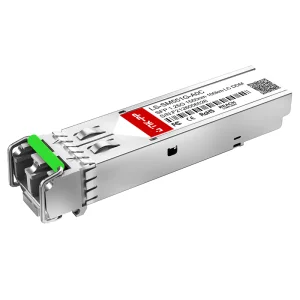
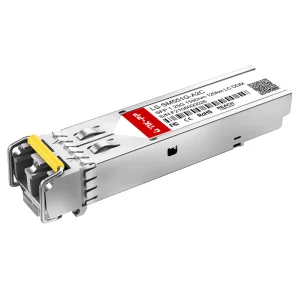
OptiLinker
OptiLinker
OptiLinker
Optimized for high compatibility with standard network interfaces across Belgium's public utility networks, digital campuses, and corporate intranets.
As the administrative heart of the European Union, Belgium occupies a central geopolitical and infrastructural role in Europe. Strategically positioned next to Europe's largest data market clusters (the FLAP region: Frankfurt, London, Amsterdam, Paris), Belgium serves as a massive digital logistics node. Major transit operators, telecom carriers like Proximus, Telenet, and Orange, and large-scale industrial sectors require extremely robust fiber-optic components to sustain day-to-day operations.
The digitization of Belgian industries is accelerating. Initiatives such as the "Smart Port" digital twins at the Port of Antwerp-Bruges (Europe's second-largest seaport), smart transit tracking by NMBS/SNCB, and automated manufacturing setups in Ghent and Wallonia require hundreds of thousands of fiber endpoints. While higher speeds like 100G and 400G are deployed in hyper-scale cloud data centers, 1.25G SFP (Small Form-Factor Pluggable) modules remain the core workhorse for FTTH/FTTB access networks, SCADA setups in industrial plants, and CCTV/security infrastructure throughout Belgium.
For Belgian system integrators and networks, importing high-reliability, standard-compliant SFP modules is vital. Procuring from an established Chinese manufacturer with the ability to offer MSA-compatible firmware ensures that Belgian infrastructure can scale without facing exorbitant licensing fees from proprietary equipment brands.
Globally, the optical communication industry is transitioning towards multi-gigabit and terabit speeds. However, the legacy status of the 1.25G SFP form factor is a common misconception. In reality, the global demand for 1.25G SFP transceivers is projected to remain stable for the next decade. Why is this the case?
From a global supply perspective, China has consolidated its position as the leading hub for optoelectronic assembly. By combining massive domestic raw material supply chains with highly automated testing setups, Chinese manufacturers can offer enterprise-grade transceivers at a fraction of the cost of European domestic distributors.
Real-time monitoring of optical output power, receiver sensitivity, laser bias current, temperature, and transceiver supply voltage.
Available in Commercial (0°C to 70°C) and Industrial (-40°C to 85°C) grades to survive rugged outdoor telecommunication cabinets.
Every module is programmed with custom firmware matching host system requirements, ensuring seamless compatibility bypasses.
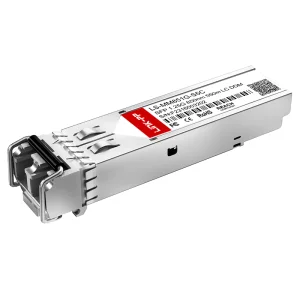
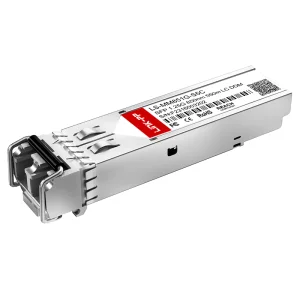
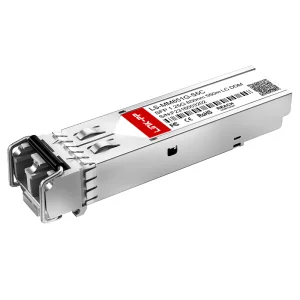
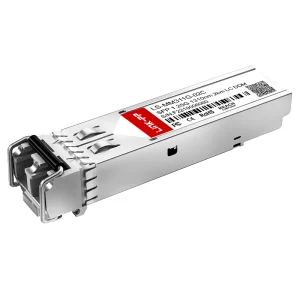
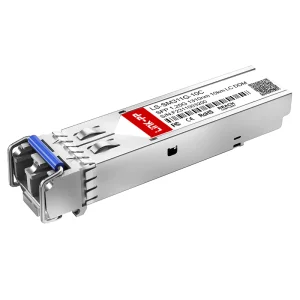
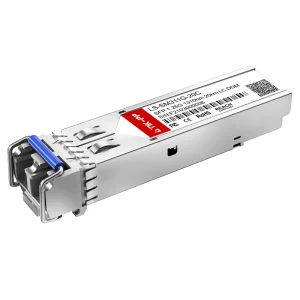
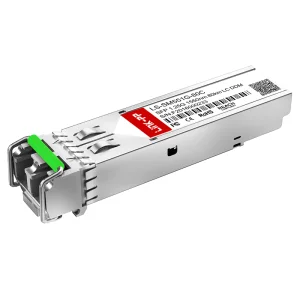
Explore single-mode, multi-mode, and extended-reach transceivers designed for heavy industrial applications and regional network bridges.
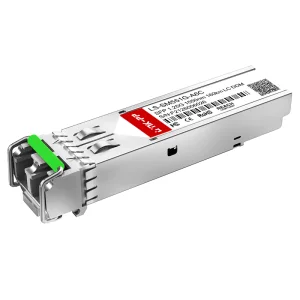
OptiLinker Optoelectronics Co., Ltd. (OptiLinker) is a professional optical transceiver manufacturer and solution provider under the brand OptiLinker (www.optilinkertrans.com), specializing in high-speed optical communication modules for global data center and telecom applications.
Founded in 2016, OptiLinker operates a modern production facility with a total building area of approximately 320㎡. With continuous development in optical communication technology, the company has accumulated over 12 years of industry experience and approximately 8 years of export experience.
In the past year, OptiLinker achieved an annual export revenue of around USD 12 million, serving customers across North America, Europe, Southeast Asia, and the Middle East. The company maintains a strong global B2B trade background, focusing on OEM/ODM partnerships with network infrastructure providers.
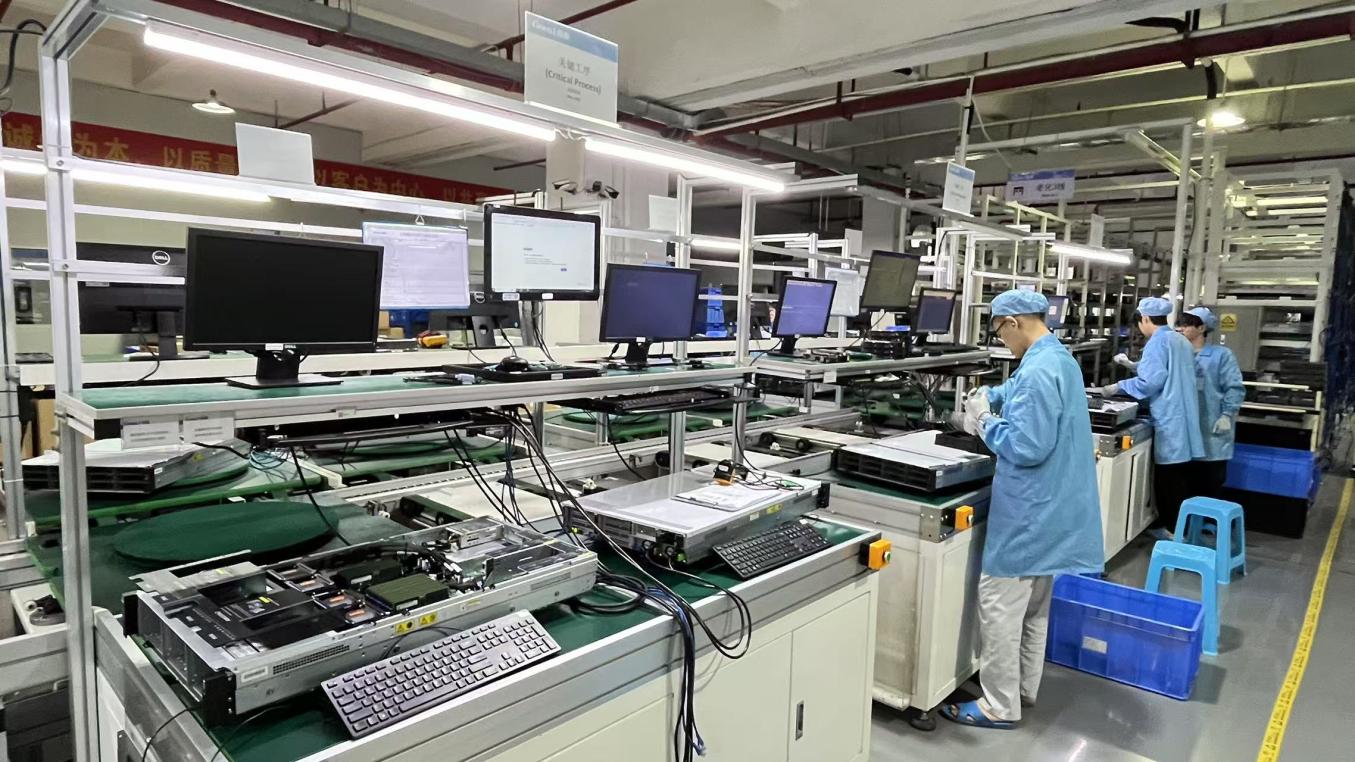
Quality assurance is a core focus at OptiLinker. The company implements 100% incoming material inspection, AOI automated optical inspection, and full optical performance testing. Product verification includes BER testing, eye diagram analysis, and high/low temperature cycling tests, ensuring stable performance under demanding network environments. The quality control team consists of 35 dedicated QC professionals.
OptiLinker collaborates with a global supply chain network of approximately 850 partners, enabling efficient sourcing and stable production capacity. Its main customer base includes telecom operators, data centers, system integrators, and networking equipment manufacturers.
The company has strong R&D capabilities, supported by a team of 60 experienced optical engineers. Its engineering team specializes in high-speed optical design, signal integrity optimization, and protocol compatibility development. OptiLinker offers flexible customization options including wavelength tuning, transmission distance, packaging form factors, firmware coding, and device compatibility programming.
In the last year alone, OptiLinker launched approximately 120 new optical transceiver products, reflecting its continuous innovation and rapid response to market demand.


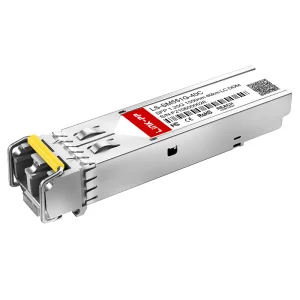
In Belgium, network engineering requires addressing diverse physical layouts, from high-density urban office setups in Brussels to highly challenging corrosive maritime environments along the North Sea coastline. Here is how our 1.25G SFP transceivers meet localized demands:
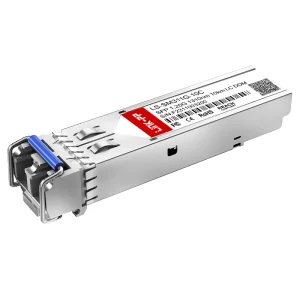
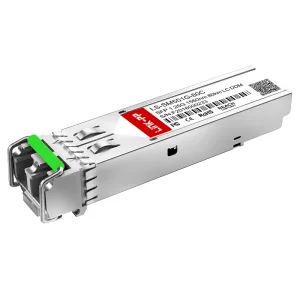
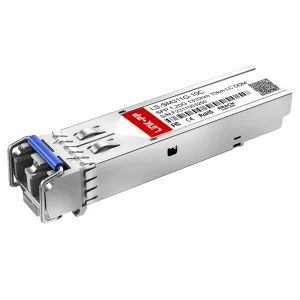
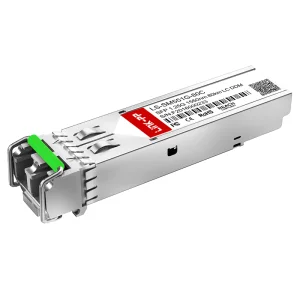
Outdoor logistics networks rely on industrial-grade fiber transceivers because sea breezes, high humidity, and extreme cold can easily disrupt optical signals. Our Duplex LC SMF 1310nm 10km and 1550nm 80km SFP modules are deployed inside rugged outdoor cabinets on dockside cranes, railway nodes, and surveillance stations. These transceivers feature robust laser diodes that withstand wide thermal oscillations without performance drift.
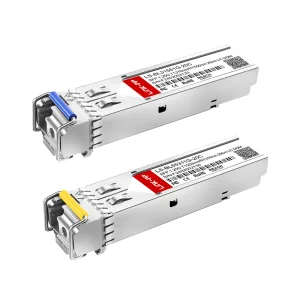
To reduce fiber deployment costs, Belgian regional ISPs leverage Single Mode Simplex LC BiDi (Bidirectional) SFP modules. BiDi technology uses Wavelength Division Multiplexing (WDM) to transmit and receive signals over a single strand of fiber (using 1310nm-TX/1550nm-RX and vice-versa). This effectively cuts the fiber leasing and installation cost in half, a major advantage in high-density European cities where civil excavation work is highly regulated and expensive.
Municipal transport networks (STIB/MIVB, De Lijn, TEC) operate extensive fiber-optic rings to connect train platforms, ticket dispensers, and signaling equipment. These systems demand low-latency, highly compatible transceiver modules. Standardizing on MSA-compliant 1G SFP transceivers allows public transport authorities to maintain mixed-vendor switch topologies (combining Alcatel-Lucent legacy switches with modern Juniper and Cisco nodes) without protocol conflicts.
Explore our complete range of standard-compliant Gigabit SFP modules. Fully compatible with major networking hardware vendors operating in European markets.
In the digital communications market, pricing and supply stability are key competitive differentiators. OptiLinker leverages China's highly centralized optoelectronics ecosystem to provide exceptional value to the Belgian market.
OptiLinker's operations in Guangdong connect directly to an expansive network of 850 raw material and component partners. This immediate proximity to semiconductor foundries, high-frequency PCB fabricators, and specialized metal connector stamping plants cuts production lead times significantly. Where European domestic assembly lines face lead times of 8 to 12 weeks for specialized transceivers, OptiLinker can transition from customer specifications to high-volume shipping in a fraction of that time.
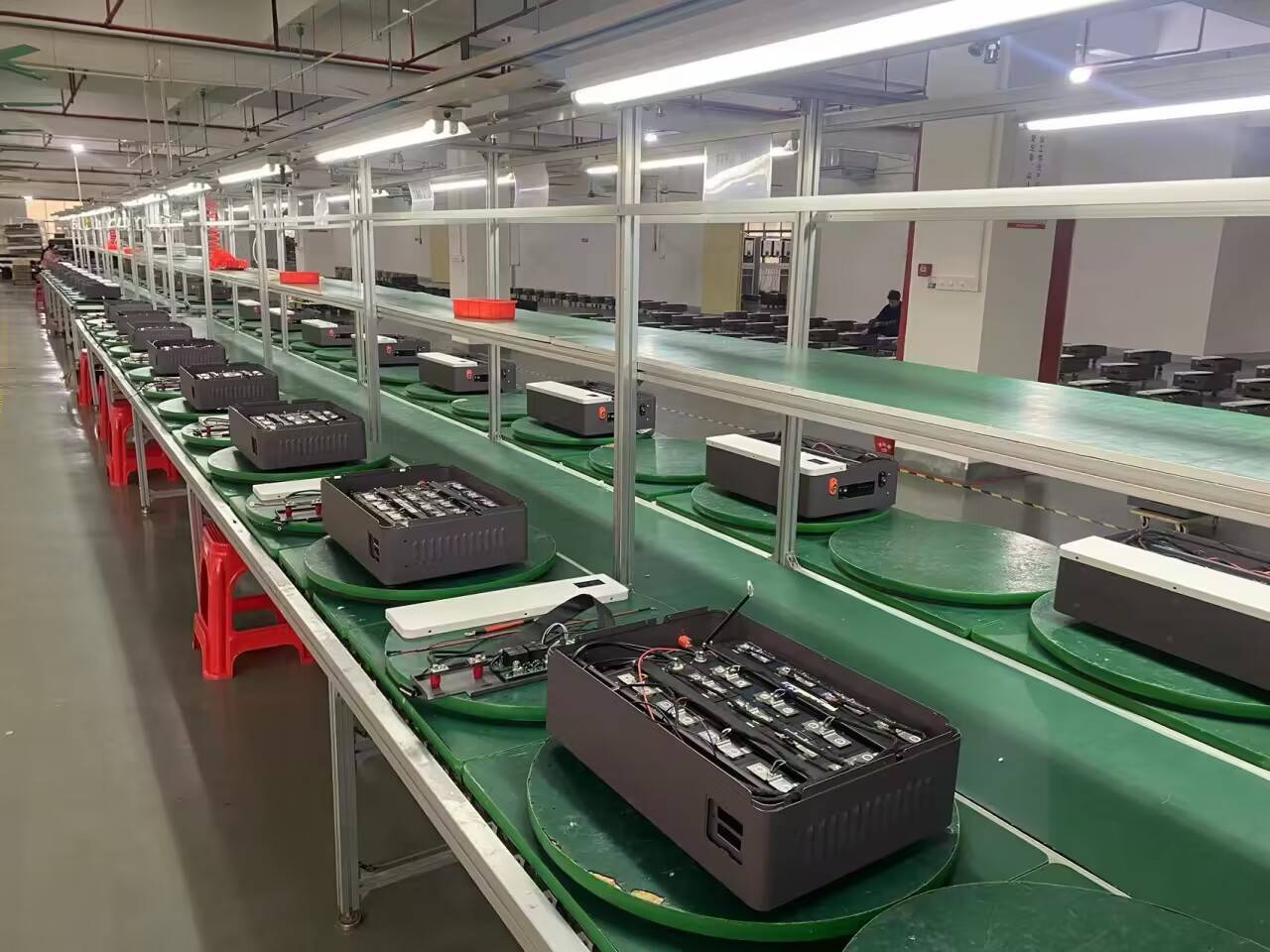
Although operating within a highly optimized 320㎡ building area, OptiLinker prioritizes space utilization. By dedicating this facility to advanced cleanrooms, high-precision laser alignment machinery, and automated testing rigs, our 60 optical engineers and 35 dedicated QC professionals maximize annual output efficiency. This lean manufacturing footprint minimizes administrative overhead, allowing us to pass directly onto Belgian buyers the cost advantages of direct-from-factory pricing.
Our quality control is comprehensive and follows strict international testing benchmarks:
Expert insights on importing, deploying, and managing 1.25G SFP transceivers for Belgian network infrastructures.
Yes. By utilizing custom EEPROM firmware programming, our engineering team codes our transceivers to match the vendor signatures of major brands, including Cisco, Juniper, HP, Aruba, Nokia, and Huawei. This avoids vendor lock-in and allows the modules to function in the host switch without triggering software warnings or port lockdowns.
For entry into the Belgian and broader European markets, optical transceivers must carry the CE mark. This indicates conformity with European directives regarding health, safety, and environmental protection. Our transceivers comply with the RoHS directive (restriction of hazardous substances in electrical and electronic equipment) and FCC Part 15 standards.
Commercial-grade SFP modules are rated for temperatures between 0°C to 70°C, suitable for temperature-controlled indoor data centers. Industrial-grade modules feature reinforced components, advanced heat dissipation, and rugged laser diodes to perform continuously from -40°C to 85°C. These are recommended for outdoor cabinets in maritime networks or Belgian utility plants.
BiDi SFP modules transmit and receive signals over a single optical fiber strand by using different wavelengths (for example, 1310nm for TX and 1550nm for RX). This is particularly advantageous for existing installations in crowded urban areas in Brussels where laying additional fiber cables is too expensive or physically impossible, allowing network bandwidth to be doubled using the same fiber footprint.
Digital Optical Monitoring (DOM) or Digital Diagnostics Monitoring (DDM) provides real-time access to key parameters: transceiver internal temperature, supply voltage, laser bias current, transmitted optical power, and received optical power. This enables network administrators to predict fiber degradations and schedule maintenance before link failure occurs.
We maintain close partnerships with leading international express couriers (DHL, FedEx, UPS) and air-freight forwarders. Orders are securely packaged in anti-static trays and outer cartons, arriving in Brussels, Antwerp, or Liege within 3 to 7 working days from our factory in China. We assist with all necessary customs documentation for seamless EU import clearance.
Partner with OptiLinker for customized 1.25G SFP transceivers, verified for reliability, compatibility, and speed. Contact our engineering team for sample requests and bulk pricing.