OptiLinker
OptiLinker
OptiLinker
Fully compliant with MSA standards, engineered for multi-vendor compatibility, and tested under extreme operational environments.
As a pioneer in high-performance optical communication technologies, OptiLinker Optoelectronics Co., Ltd. (OptiLinker) operates under the core premise of E-E-A-T (Experience, Expertise, Authoritativeness, and Trustworthiness) to supply high-density optical transceiver modules and magnetics for global data networks. Under our signature brand OptiLinker (www.optilinkertrans.com), we engineer integrated solutions that satisfy the strict low-latency, high-bandwidth demands of hyper-scale enterprises and telecom carriers.
Established in 2016, our trajectory is built upon a profound legacy of 12 years of core industry experience and 8 years of international export pedigree. From our modern, highly optimized production facilities with a total building area of approximately 320㎡, we scale custom engineering architectures that compete on a global stage, resulting in an annual export revenue exceeding USD 12 million last year.
OptiLinker is more than a manufacturer; we are a strategic OEM/ODM partner. We leverage our deep-domain expertise to serve clients across North America, Europe, Southeast Asia, and the Middle East, resolving structural bottleneck constraints in signal integrity, heat dissipation, and transceiver cross-platform compatibility.
Tracking the evolution of physical layer optical interfaces from 1G SFP up to 800G OSFP & Co-Packaged Optics.
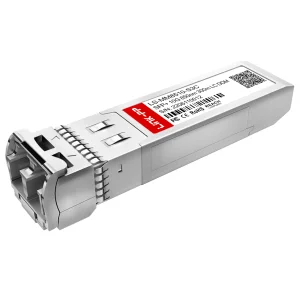
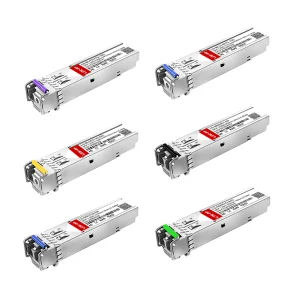
The Small Form-Factor Pluggable (SFP) ecosystem has evolved dramatically from original 1.25G networks to modern SFP28 (25Gbps) and SFP56 (50Gbps) form factors. Maintaining physical compatibility while scaling signal bandwidth requires advanced PAM4 modulation techniques to bypass the limitations of Non-Return-to-Zero (NRZ) encoding, lowering jitter and optimizing bit-error rates.
As transmission frequencies reach the microwave spectrum, insertion loss, return loss, and crosstalk within the SFP cage become paramount. Advanced gold-finger connector geometry, EMI shielding gaskets, and precision PCB layout termination are deployed to eliminate parasitic capacitance and maintain impedance matching of 100 ohms differential.
The future roadmap converges toward Silicon Photonics (SiPh) and Co-Packaged Optics (CPO). By integrating laser sources directly onto the silicon substrate with the switch ASIC, traditional pluggable interfaces are transitioning to high-density board-mounted optical interfaces, mitigating electrical copper trace losses entirely.
How OptiLinker architectures interface across complex network typologies.
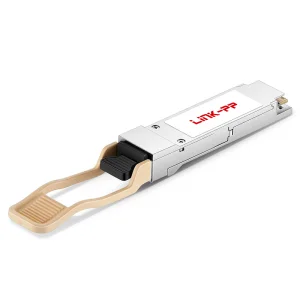
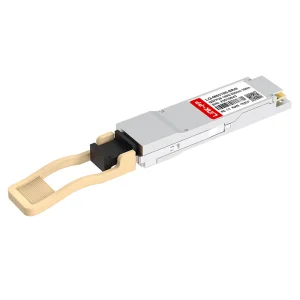
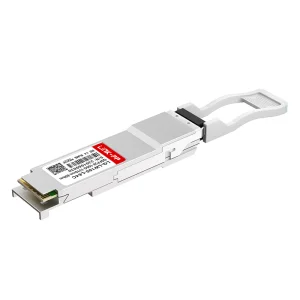
Demands for ultra-high throughput and ultra-low latency are addressed via QSFP28, QSFP56, and OSFP formats. OptiLinker's 100G and 200G transceivers utilize advanced MTP/MPO ribbons or LC Duplex optics to allow high-density distribution switches to interconnect seamlessly, optimizing heat dissapation and rack density.
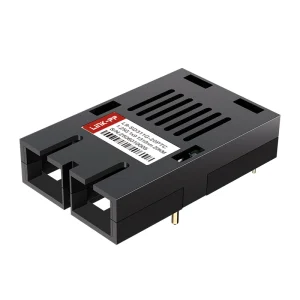
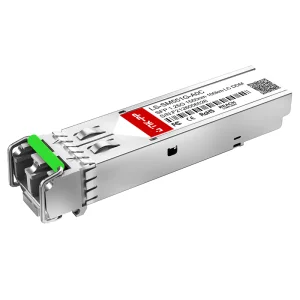
For metro Ethernet and long-haul transport networks, our 100GBASE-ER4 and 1.25G SC modules provide coverage up to 60km and 100km over single-mode fiber (SMF). With internal wavelength tuning and APD (Avalanche Photodiode) receivers, we guarantee link budgets even over high-attenuation fiber links.
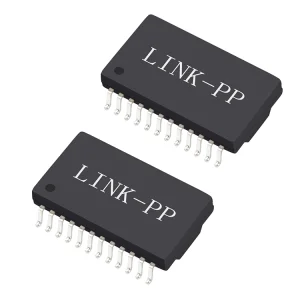
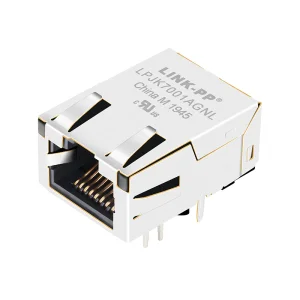
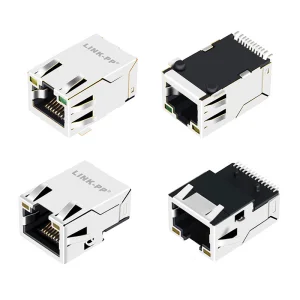
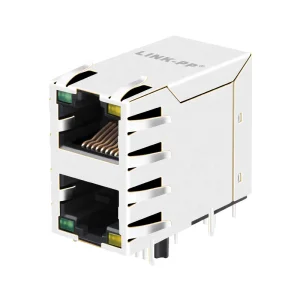
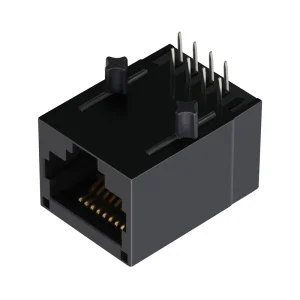
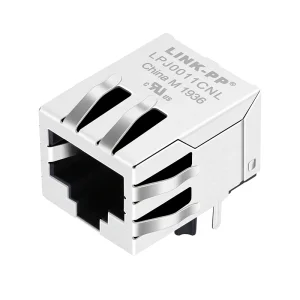
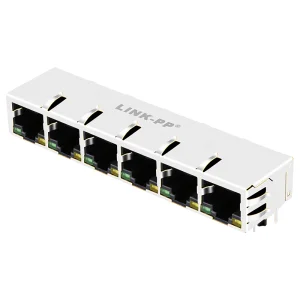
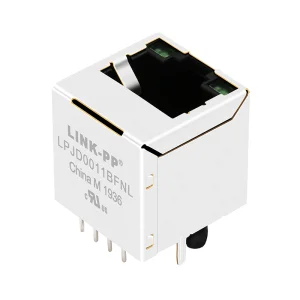
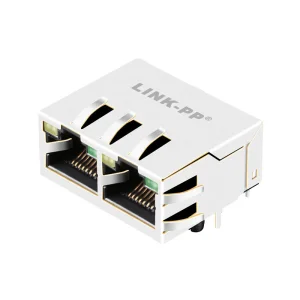
Reliable connectivity in hash manufacturing plants requires specialized interfaces. Our range of magnetic RJ45 connectors with integrated telecom transformers enables Power-over-Ethernet (PoE/PoE+) capabilities to remote surveillance, PLCs, and edge computing nodes, offering 1500Vrms isolation.
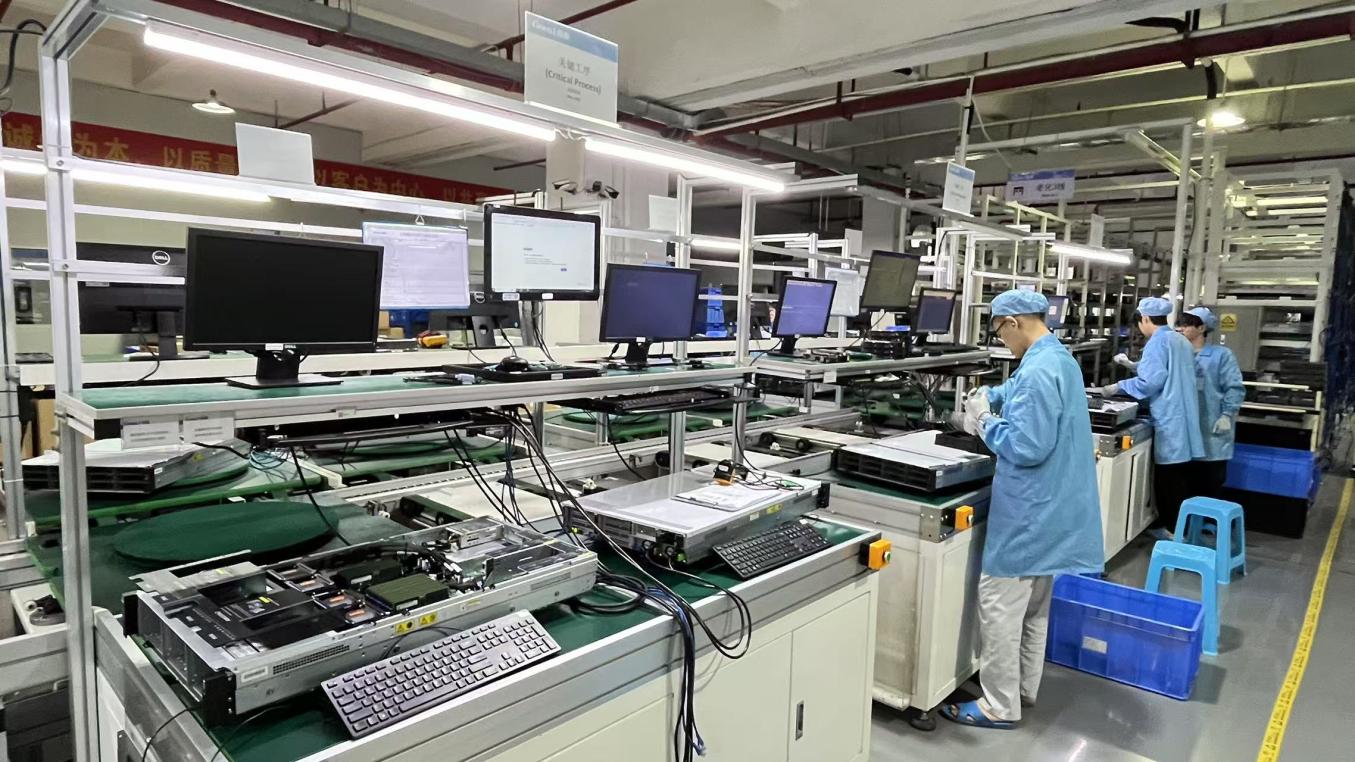
At OptiLinker, we operate under the guiding principle that transceiver failure is not an option. Our 35-member dedicated quality control division is tasked with executing a zero-tolerance testing framework across every stage of the assembly process.
OptiLinker maintains a formidable R&D facility powered by 60 experienced optical engineers. This team is dedicated to advancing transceiver firmware compatibility and optimization. We provide complete customization capacity including:
Our agility is demonstrated by the introduction of approximately 120 new optical transceiver designs within the past fiscal year alone, tracking the rapid migration of the global network equipment market.
Leveraging localized cluster engineering to optimize lead times, material sourcing, and production economics.
OptiLinker operates at the nexus of the world's most robust electronics manufacturing cluster in China. By collaborating with approximately 850 verified supply chain partners, we secure access to premium raw materials, specialized substrates, and precision tooling. This comprehensive ecosystem ensures that we can mitigate global disruption risks, secure raw material price stability, and guarantee on-time shipping for large scale OEM deployments.
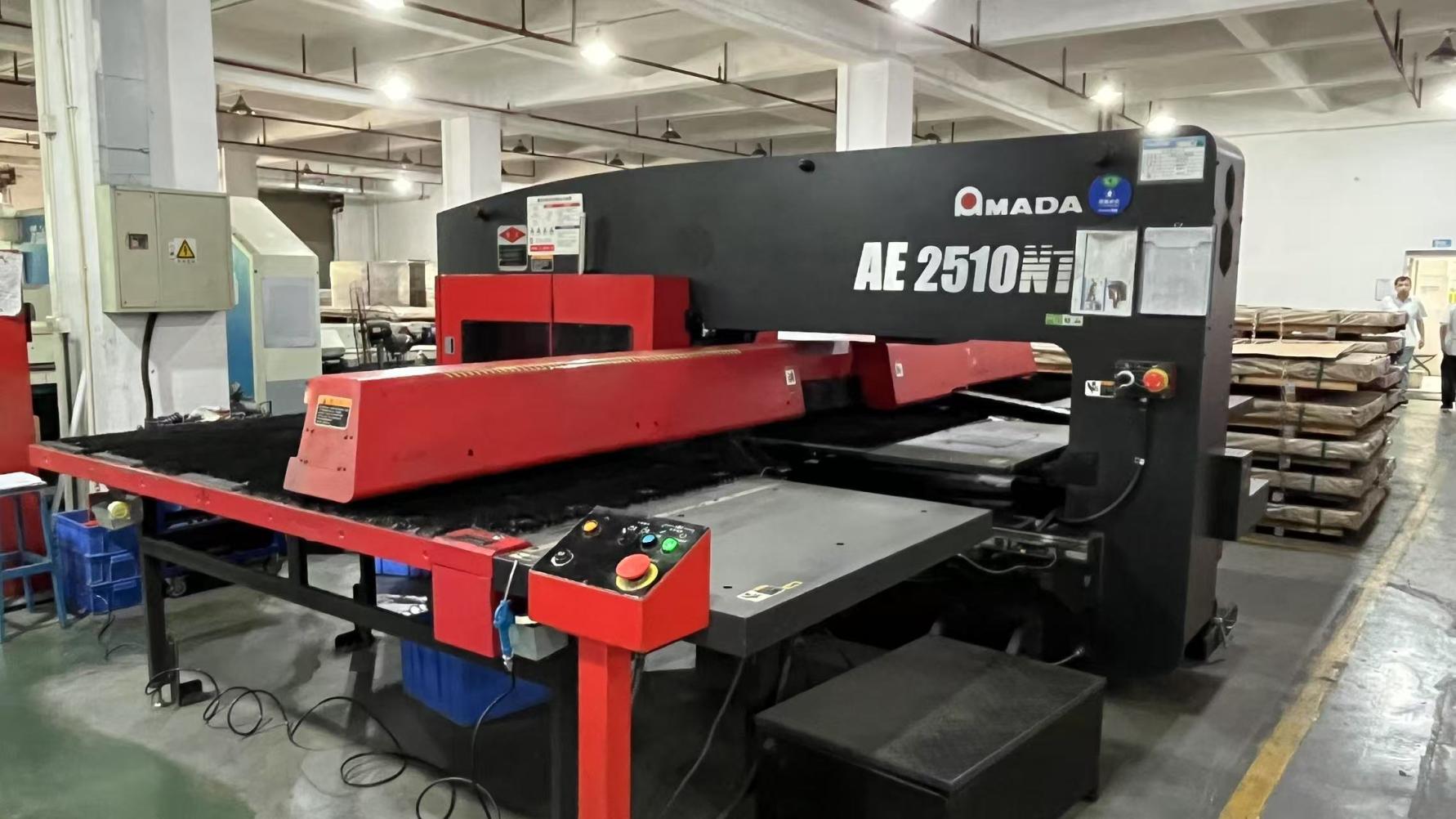
Our production utilizes fully automated packaging machines, precision laser alignment blocks, and optical wire bonding stations, maximizing production yields while minimizing unit variation.
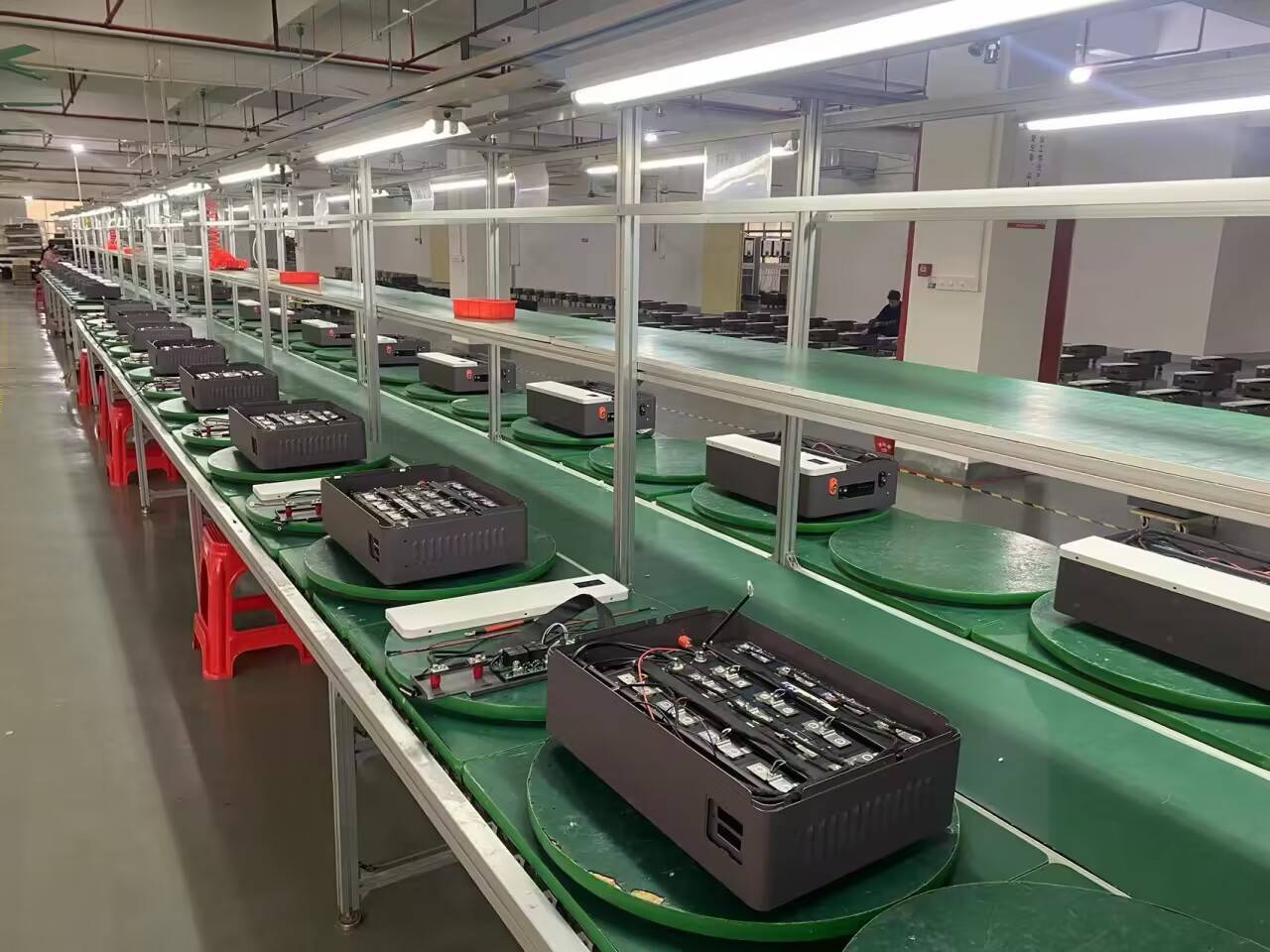
Our highly dense 320㎡ cleanroom represents the peak of manufacturing throughput efficiency, optimizing space utilization to yield thousands of optical transceivers daily.
Located in a global export hub, we provide multi-modal door-to-door express delivery with customs pre-clearance, drastically shortening transit times to major distribution centers globally.
Operating across diverse regulatory landscapes in North America, Europe, and Asia-Pacific requires rigid adherence to global manufacturing standards. OptiLinker certifies that all exported modules and connectors comply with international environmental and electrical directives:
To support global enterprises, our engineering desk offers localized firmware programming support. This guarantees our SFP, SFP+, and QSFP transceivers will be recognized natively by Cisco, Juniper, HW, and other proprietary network operating systems, avoiding warning alerts or disabled ports.
We align our manufacturing pipeline to suit procurement strategies of Tier-1 system integrators:
OEM/ODM Capabilities: Custom labelling, packaging, and EEPROM programming configurations.
Lead Time Security: Standard catalog items ship within 48-72 hours. Large production runs scale in 2-3 weeks.
Dedicated Technical Support: 24/7 post-sale support from specialized network compatibility engineers.
Designed for stable signal isolation, PoE compatibility, and high mechanical longevity.
Essential insights for network administrators, telecom procurement officers, and design engineers.