OptiLinker
OptiLinker
OptiLinker
Deploying High-Resilience Physical Layer Protection alongside Advanced Active Optical Modules
In the era of hyper-scale 5G buildouts, FTTH (Fiber-to-the-Home) densification, and AI-driven data center networks, structural physical layer integrity has emerged as the definitive benchmark for network reliability. At the center of this physical infrastructure sits the Dome Fiber Optic Splice Closure (FOSC)—a critical mechanism engineered to shield delicate optical fiber splices from intense environmental stresses. As a key manufacturing powerhouse, China produces over 70% of the world's protective optical enclosures, blending mechanical seal advancements with cost-optimized materials.
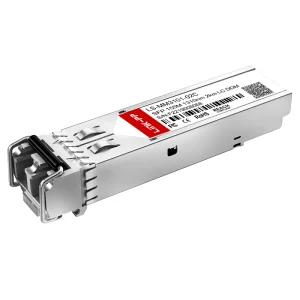
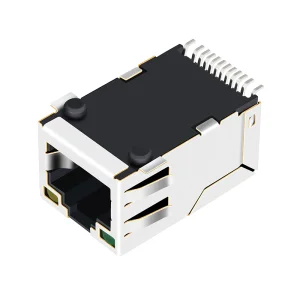
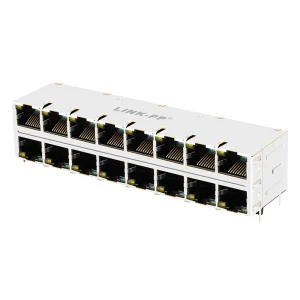
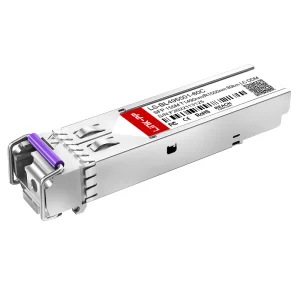
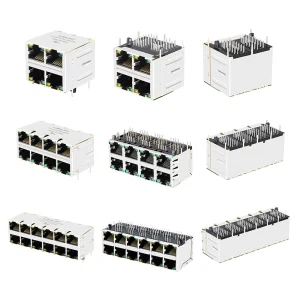
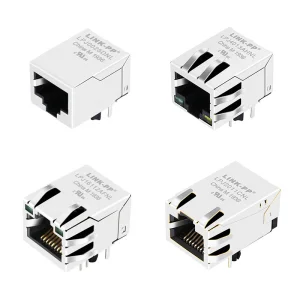
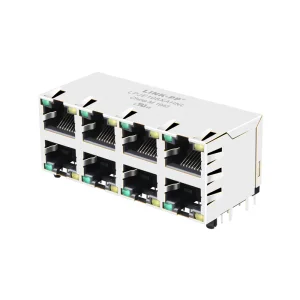
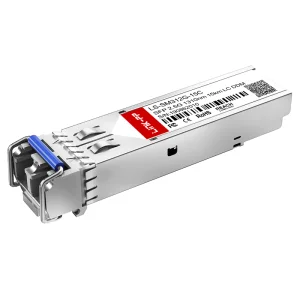
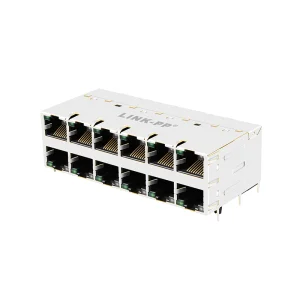
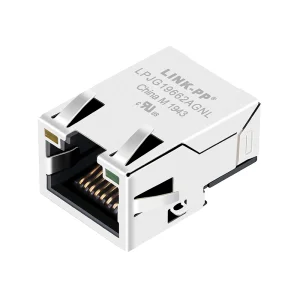
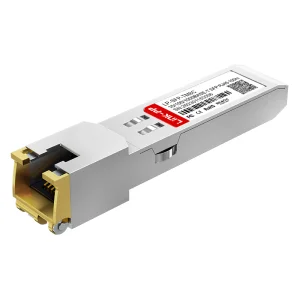
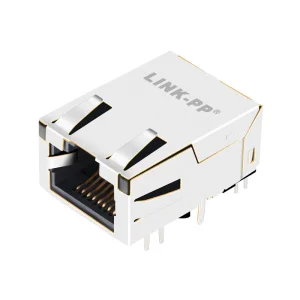
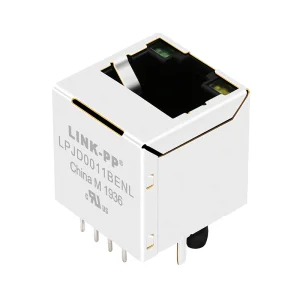
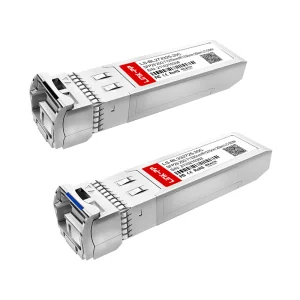
Parallel to these passive enclosure achievements, active optical elements like high-performance transceivers (SFP, SFP28) and high-density shielded RJ45 connectors must interact seamlessly in hybrid distribution hubs. As global network operators scale up bandwidth capacity, bridging the gap between passive cable management (such as dome closures) and active connectivity modules (such as transceivers and modular jacks) is essential. Companies like OptiLinker Optoelectronics Co., Ltd. (OptiLinker) lead this convergence, supplying state-of-the-art active systems designed for high-density applications globally.
Evaluating the technological trajectory of environmental sealing, fiber density, and material longevity.
Early FOSC deployments relied heavily on heat-shrinkable sealing methods, which required open flame or hot air guns during field setup. Modern engineering has transitioned toward mechanical sealing mechanisms using advanced silicone gel gaskets. These gel-based solutions allow tool-less re-entry, saving technicians time during expansions. China's top factories now focus on producing hybrid mechanical-sealing closures that support multiple cable entries without compromising their IP68 water-tightness rating.
With space inside underground manholes and on poles limited, the density inside dome closures has increased dramatically. Standard dome designs now support up to 576 or 1152 fiber splices by utilizing ultra-compact, modular micro-splice trays. These trays feature optimized bend-radius control (minimum 30mm) to reduce attenuation at high wavelengths (such as 1550nm and 1625nm). Modern ribbon fiber routing systems also facilitate organized management of high-core-count cables.
The future of physical layer diagnostics lies in smart, connected networks. Next-generation dome closures are being designed with passive RFID tracking tags and integrated low-power IoT pressure sensors. These modules track internal humidity, pressure drops, and unauthorized cover access, reporting the telemetry back to central network management software. This allows operators to fix air-tightness issues before water ingress causes signal loss.
From deep underground deployments to high-altitude aerial networks, dome fiber closures provide physical layer resilience.
Aerial installations expose dome closures to wind, freezing rain, intense UV rays, and extreme temperature changes. Top-tier China manufacturers construct these enclosures out of high-grade Polycarbonate (PC) mixed with specialized UV stabilizers. This prevents the outer shell from yellowing or cracking, even after 25 years of outdoor exposure. In addition, dynamic sealing gaskets help the unit withstand continuous wind-induced vibrations on the line.
Underground manholes frequently flood with water containing high levels of salt and chemicals. To handle this, dome closures designed for underground use feature IP68 ingress ratings and robust mechanical clamp rings. When pressurized up to 100 kPa, they maintain an air-tight seal, preventing water from reaching the fiber splices. These closures also use acid- and alkali-resistant plastics to stand up to corrosive groundwater over long deployments.
Direct buried installations subject closures to constant soil compression, shifting ground, and potential damage from rodents. China's leading factories design heavy-duty dome closures with reinforced ribs and double-walled impact protection. Specially formulated plastic compounds make the shell difficult for rodents to bite through, protecting the delicate glass fibers inside from physical harm.
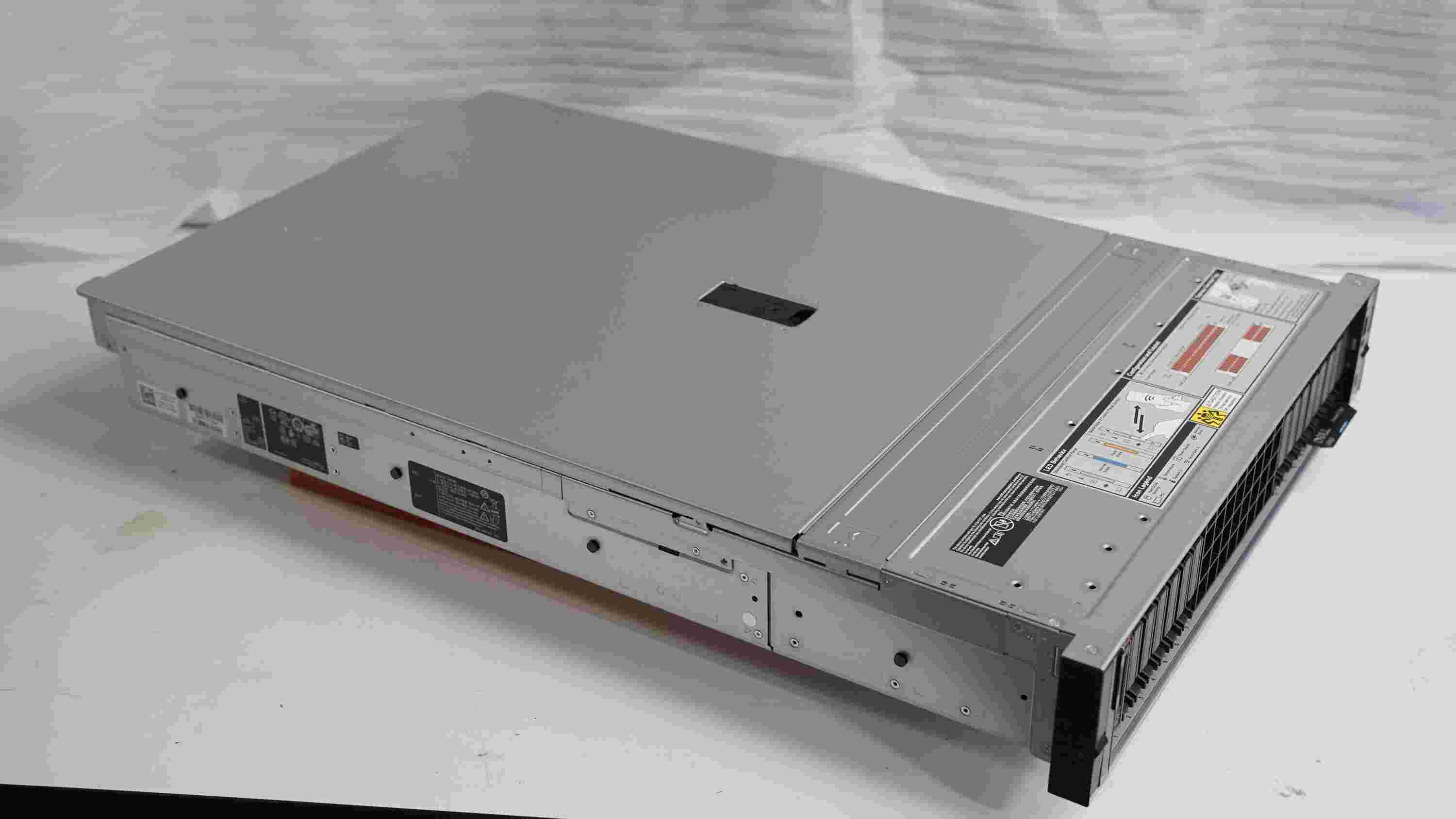
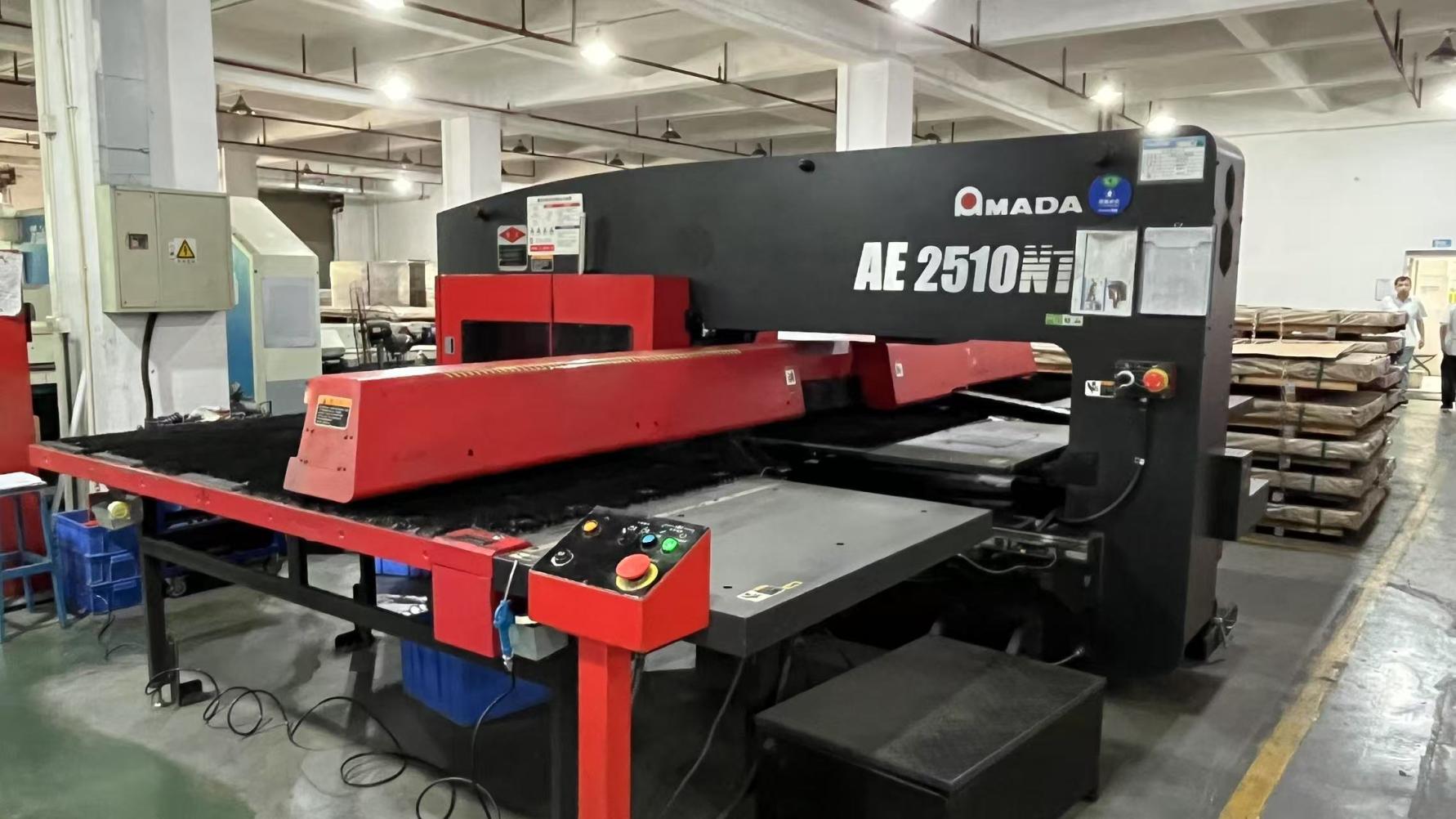
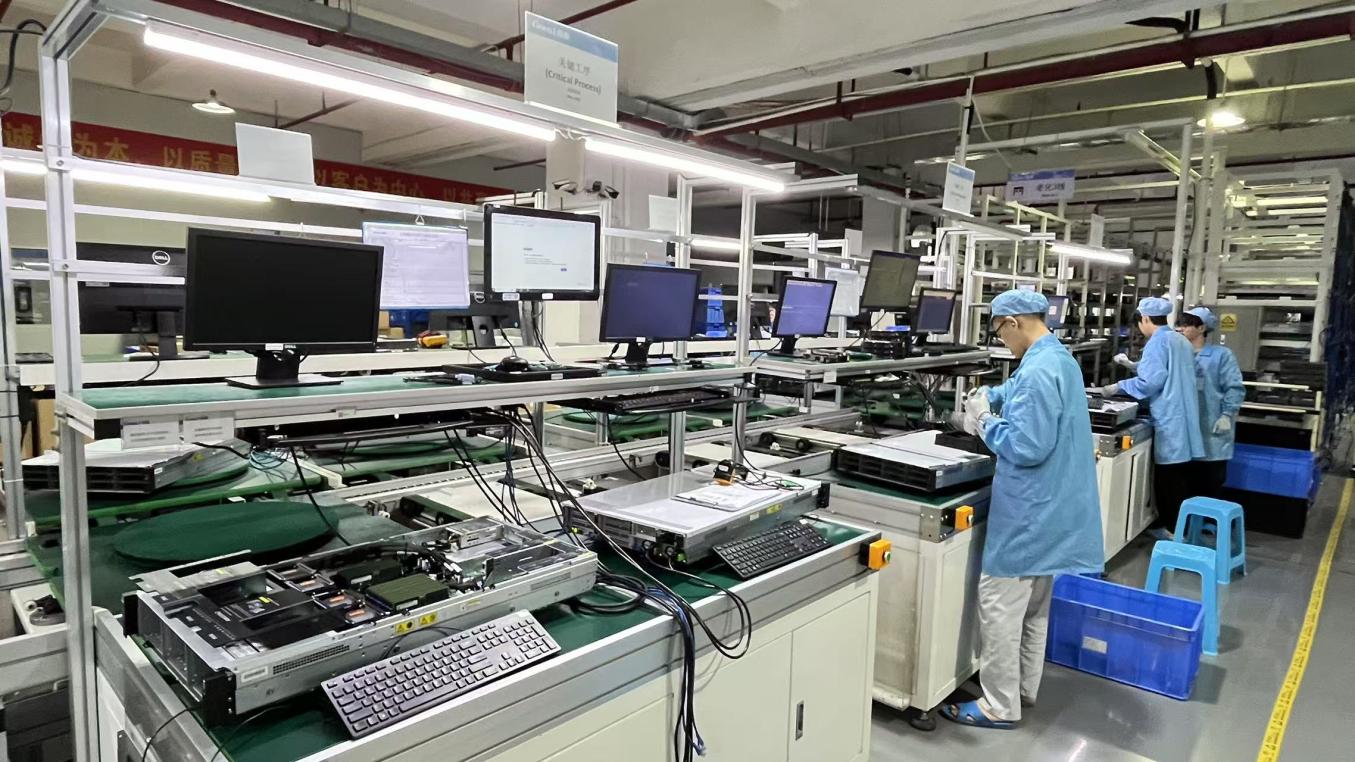
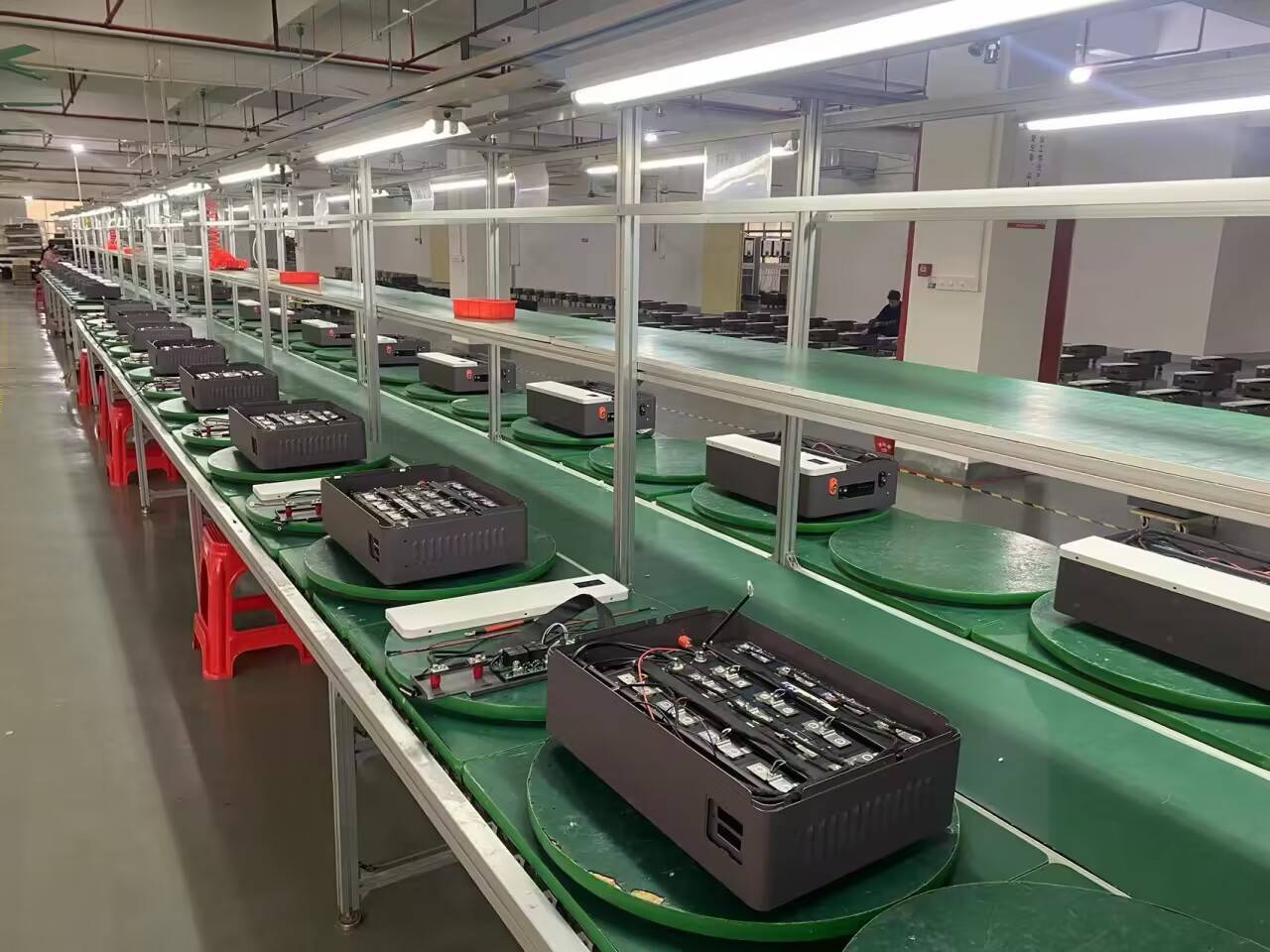
How domestic raw material access, precision molding, and active-passive component integration optimize lead times.
Top China dome fiber closure factories benefit from a localized ecosystem of raw material suppliers. From specialized polypropylene (PP) and polycarbonate formulations to stainless-steel mounting brackets and vulcanized rubber seals, every component is sourced within a small geographical radius. This robust network of over 850 supply chain partners helps manufacturers insulate production schedules from global logistics disruptions.
Producing reliable IP68-rated dome closures requires consistent mold quality. China's Industry 4.0 facilities utilize automated, high-pressure injection molding machines with real-time temperature and pressure monitoring. This ensures each enclosure has uniform wall thickness, preventing weak spots that could fail structural stress tests. Integrated robotic arms package components efficiently, lowering production costs while maintaining tight tolerances.
As telecom networks evolve, passive distribution boxes are increasingly housing active transceivers and media converters in hybrid nodes. OptiLinker leverages its high-speed optical R&D team of 60 engineers to optimize active-passive integration. By pairing ruggedized mechanical housings with specialized 2.5G/25G SFP modules and high-speed RJ45 jacks, the company delivers complete connectivity solutions built for demanding modern field environments.
Strict verification protocols ensuring long-term reliability in critical telecom networks.
To meet the reliability expectations of global telecom operators, China's leading factories implement rigorous quality management systems (QMS). From incoming material inspections to final performance checks, every stage of production is verified. OptiLinker utilizes a dedicated QC team of 35 professionals to inspect all optical components and physical interfaces before they leave the factory floor.
For active optoelectronic modules, verification includes BER (Bit Error Rate) testing, eye diagram analysis, and high/low temperature cycling. For passive dome fiber closures, compliance testing follows the strict requirements of the Telcordia GR-771-CORE standard, which governs optical splice enclosures in extreme outdoor conditions. These testing procedures evaluate:
Resolving compatibility, compliance, and custom engineering challenges for overseas projects.
Global operators run equipment from a mix of network vendors, including Cisco, Juniper, Moxa, and Huawei. When sourcing active modules, buying generic transceivers can lead to system errors. To address this, OptiLinker provides custom EEPROM firmware programming, matching the exact compatibility requirements of the destination network hardware to ensure plug-and-play installation.
Sourcing products for North American and European markets requires strict compliance with environmental regulations. Top-tier China manufacturers ensure all materials—from dome closure polypropylene casings to internal transceiver lead frames—fully comply with RoHS, REACH, CE, and FCC standards, avoiding customs delays and regulatory fines.
Every network project has unique needs, such as specific cable port counts, color-coded splice trays, or localized mounting brackets. OptiLinker offers comprehensive customization options, including wavelength tuning, transmission distance adjustments, custom packaging, and private-label branding, allowing operators to match components to their design specs.
Answers to critical technical questions regarding environmental sealing, fiber density, and material longevity.