OptiLinker
OptiLinker
OptiLinker
Explore high-performance connectors, magnetic jacks, and transceiver accessories verified by global data center networks.
Analyzing industry-wide migration from legacy installations to robust, high-performance gigabit physical layer networks.
In the modern landscape of high-speed telecommunications and automated industrial processes, physical network connections serve as the critical foundation. Standard RJ45 connections, while ubiquitous, have undergone substantial engineering advancements. Today's hyper-scale setups require custom RJ45 cable assemblies designed to combat electromagnetic interference (EMI), signal degradation, and mechanical wear over decades of operation.
With the rapid adoption of Cat6A, Cat7, and Cat8 ethernet specifications, global enterprises require suppliers capable of executing precise shielding methods (S/FTP, F/UTP) and maintaining strict tolerances for return loss and near-end crosstalk (NEXT). Choosing the right RJ45 assembly manufacturer is no longer just a purchasing decision; it is a critical engineering partnership.
High-frequency networks operating at 10 Gbps and above require connectors and cable assemblies that maintain impedance continuity within ±5 ohms. Deviations lead to packet loss, increased error rates (BER), and costly downtime in critical data center and industrial automation environments.
Future-proofing network deployments through advanced engineering, SPE, and material science.
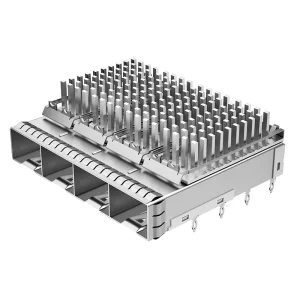
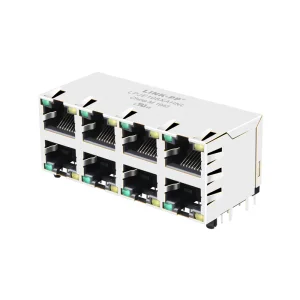
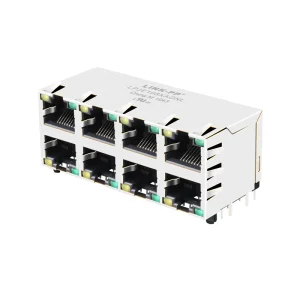
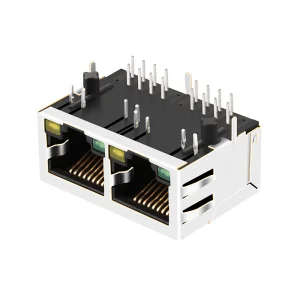
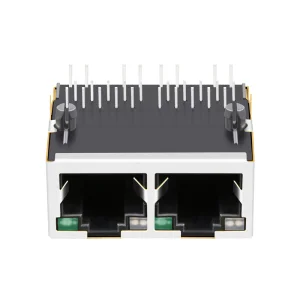
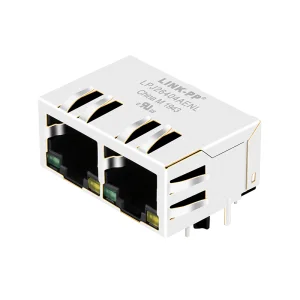
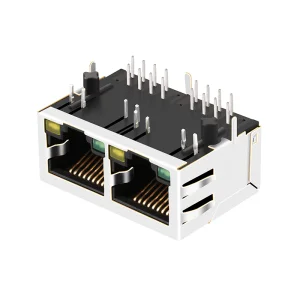
Data center switches demand space optimization. Multi-port integrated RJ45 jacks (such as 2x4, 1x8 harmonica architectures) reduce footprint while maintaining board-level shielding integrity.
Delivering up to 90W-100W of DC power over copper pairs requires thicker gold plating (50μ") and precise thermal management in RJ45 contacts to prevent contact damage from electrical arcing during unmating.
Reducing weight and cost in automotive and industrial networks, SPE replaces traditional 4-pair cabling with a single pair of copper wires, necessitating next-generation connector designs.
Key parameters and engineering criteria defined by procurement teams when qualifying tier-1 manufacturers.
| Evaluation Parameter | Technical Threshold (Tier-1 Standard) | Procurement Purpose |
|---|---|---|
| Gold Plating Thickness | Minimum 50μ" (microinches) on contact areas | Ensures corrosion resistance and durability over 750+ mating cycles. |
| Shielding Architecture | Fully shielded metal shell with grounding tabs | Prevents electromagnetic interference (EMI) in high-density rack configurations. |
| Magnetic Integration | 100% test on integrated magnetics (coils/transformers) | Saves PCB space and filters common-mode noise directly at the port. |
| Environmental Resistance | IP67/IP68 rating for industrial applications | Protects signal paths from moisture, dust ingress, and chemical exposure. |
| Compliance Certificates | UL94V-0, RoHS, REACH, CE | Ensures environmental safety, flame retardancy, and global customs clearance. |
An Industry-Leading Case Study in High-Speed Data Communication and Connectivity Solutions
OptiLinker Optoelectronics Co., Ltd. is a professional optical transceiver manufacturer and solution provider operating under the trusted brand OptiLinker (www.optilinkertrans.com). Specializing in high-performance optical communication modules and hybrid copper transceiver solutions, the company serves global data centers, enterprise networks, and telecom applications.
Founded in 2016, OptiLinker operates a modern production facility designed to optimize manufacturing processes. With a total building area of approximately 320㎡ and continuous R&D investments, the company leverages over 12 years of industry experience and approximately 8 years of export experience.
In the past year alone, OptiLinker achieved an annual export revenue of around USD 12 million, proving its status as a reliable global partner across North America, Europe, Southeast Asia, and the Middle East.
Quality control is embedded at every phase of the manufacturing cycle at OptiLinker. The company employs 100% incoming material inspection, AOI automated optical inspection, and full optical/electrical performance testing. Validation routines are comprehensive, utilizing BER (Bit Error Rate) testing, eye diagram analysis, and high/low temperature thermal cycling to guarantee long-term stability in hostile physical environments.
OptiLinker's engineering department supports flexible customization, tailoring solutions to specific client demands. This includes wavelength tuning, transmission distance optimization, packaging form factors, firmware coding, and device compatibility programming for major networking brands. Last year, the engineering team introduced approximately 120 new products to meet rapidly changing market requirements.
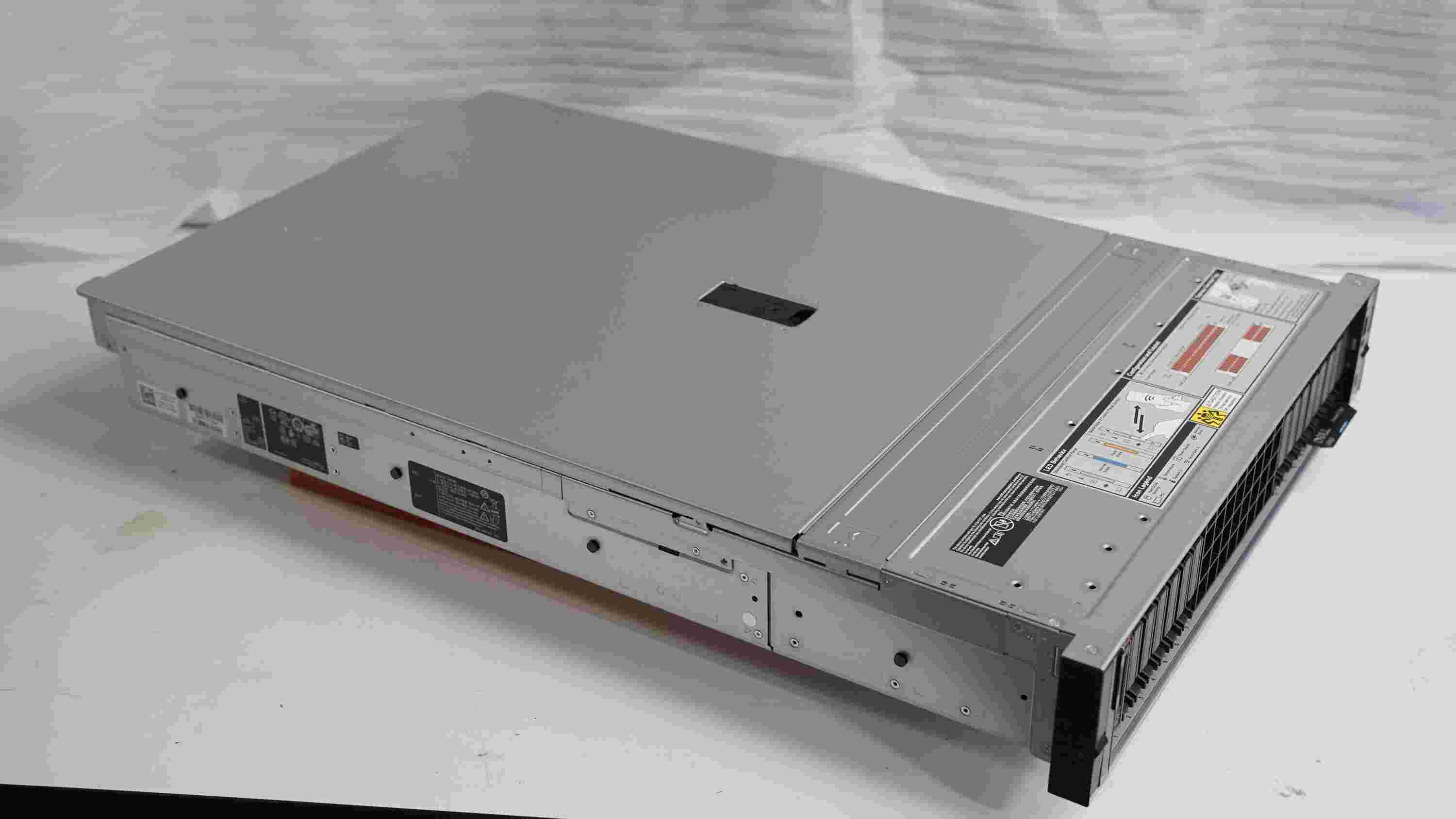

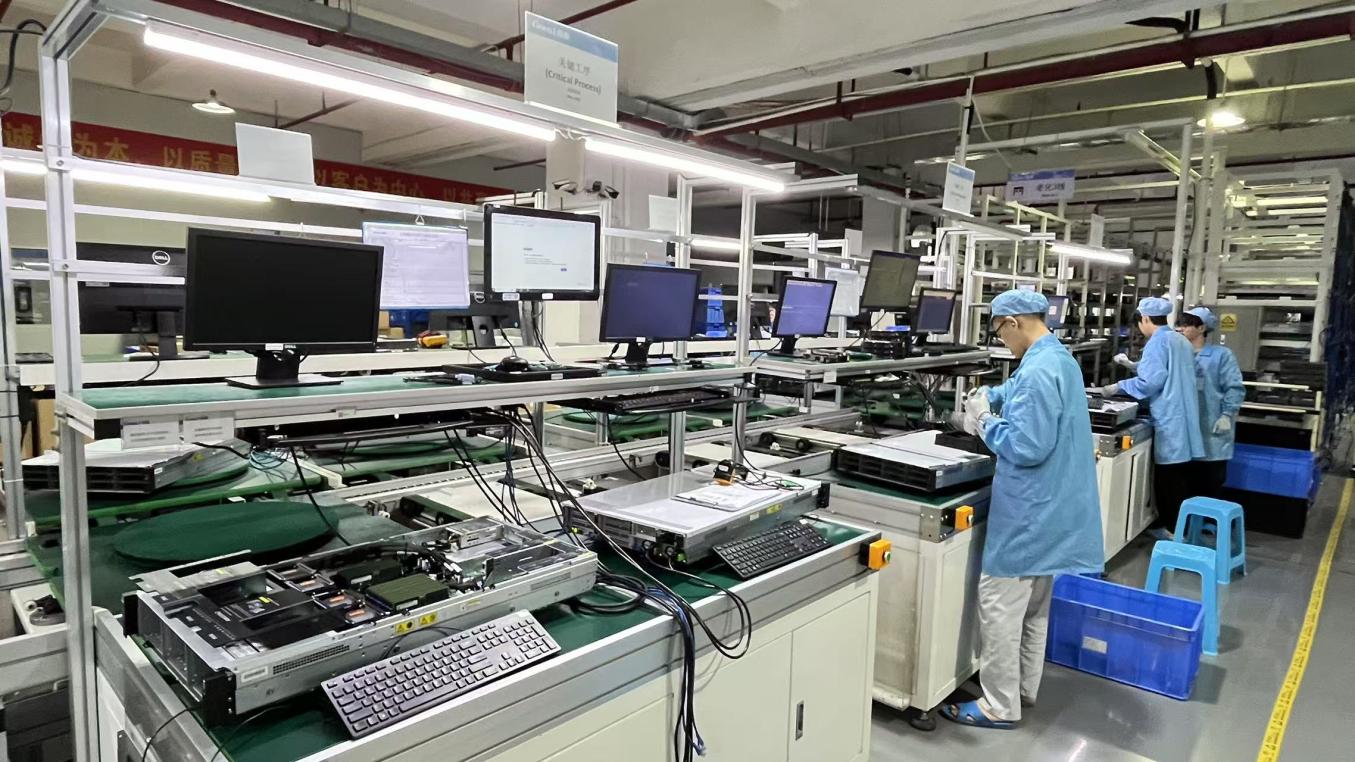
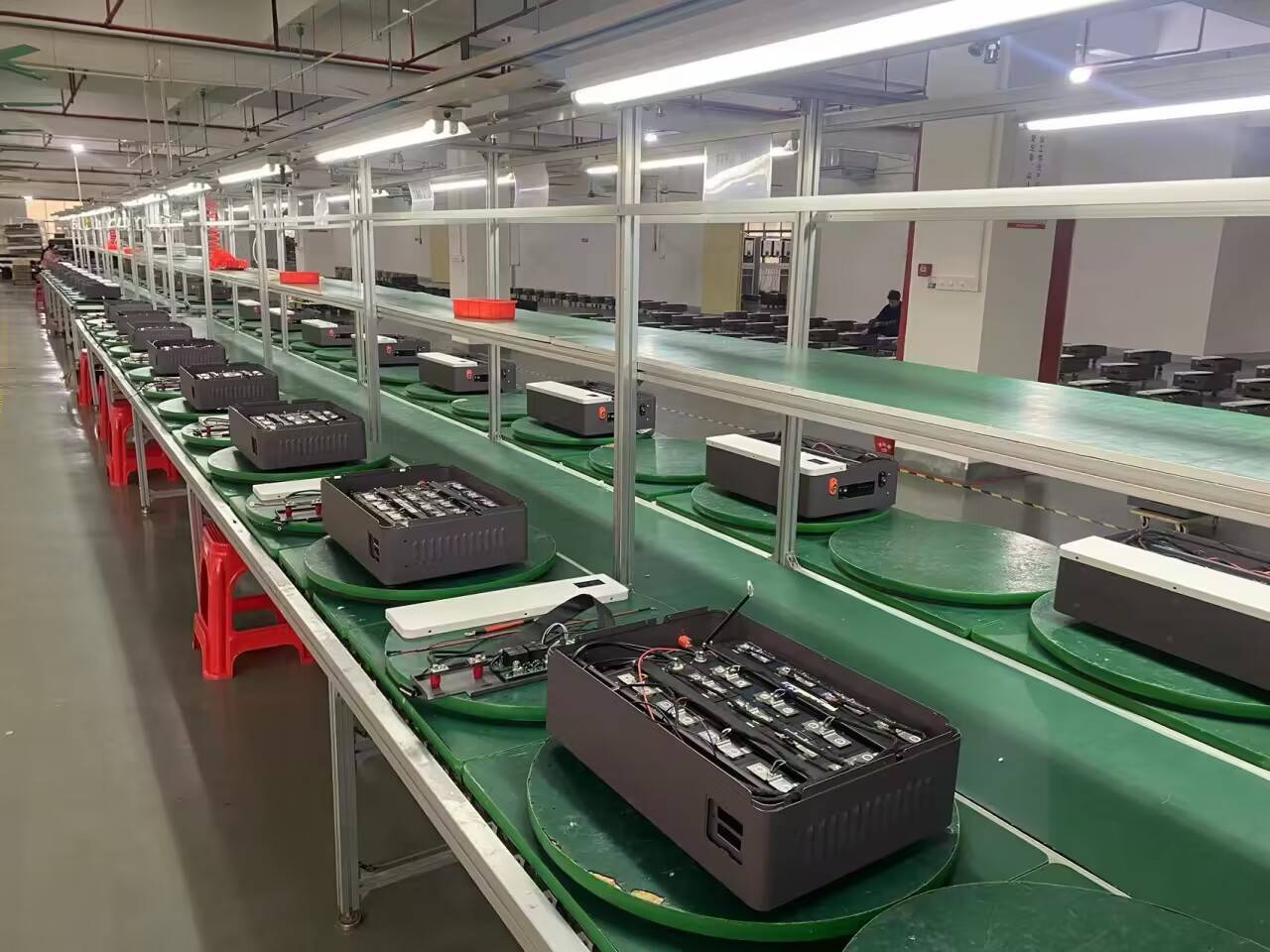
A structured approach to identifying, verifying, and collaborating with global manufacturing partners.
When building high-density, high-reliability networking hardware, choosing an OEM/ODM supplier requires careful evaluation. The world's top RJ45 cable assembly factories distinguish themselves by investing heavily in raw material quality and testing automation.
Manual crimping introduces variations in contact resistance and conductor geometry. Top suppliers utilize high-speed automated termination machinery that strips insulation, arranges conductor pairs, and crimps contacts with consistent mechanical pressure. This keeps NEXT (Near-End Crosstalk) to a minimum and guarantees high yield rates across production runs.
Electromagnetic interference (EMI) is a major issue in industrial control and telecom environments. Factories must offer advanced shielding configurations, including braided wire, metal foils, and integrated drain wires, to shield inner conductors from external interference. Additionally, the outer shell must connect securely to the chassis ground through high-quality grounding tabs.
High-quality suppliers perform more than just simple continuity checks. They use sophisticated network analyzers (such as Fluke DTX/DSX series or Keysight systems) to test assemblies up to their maximum rated frequencies (e.g., 500 MHz for Cat6A, 2000 MHz for Cat8). These tests measure attenuation, return loss, propagation delay, and delay skew to ensure compliance with TIA/EIA-568 standards.
A manufacturer's reliability is demonstrated through third-party certifications like UL, Intertek, or GHMT. Always request certified test reports for high-frequency assemblies to verify performance in demanding real-world environments.
From modern industrial automation to next-generation hybrid copper-optical network configurations.
Industrial environments present unique challenges like mechanical vibration, oil exposure, temperature fluctuations, and high EMI. Factories require custom-molded, ruggedized RJ45 assemblies with bayonet-style IP67/IP68 locking shells. These designs prevent connection failures caused by physical stress or moisture ingress on the factory floor.
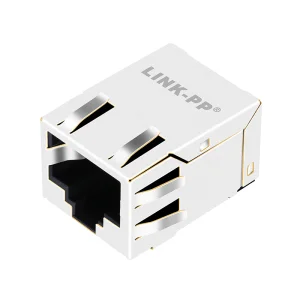
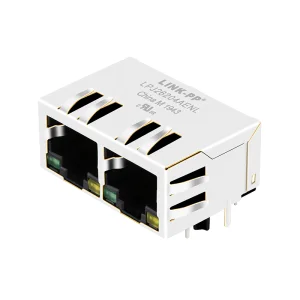
In modern data centers, space is a primary concern. Multi-port RJ45 connectors with integrated magnetics (MagJacks) integrate components directly into the connector housing, saving valuable PCB space. This integration reduces component count and simplifies board layouts while improving EMI filtering.
As copper technology moves toward 25G and 40G Ethernet over short distances, physical layer requirements are becoming much stricter. Innovation focuses on:
Direct answers to common engineering questions regarding RJ45 connectors and optical transceivers.
RJ45 jacks with integrated magnetics (MagJacks) house the isolation transformers, common-mode chokes, and resistors directly inside the metal shielding of the connector. This filters electromagnetic noise, provides electrical isolation, and saves PCB space. Non-magnetic jacks require these components to be laid out separately on the system PCB, which increases board complexity but offers greater layout flexibility.
Gold does not oxidize or corrode under typical atmospheric conditions, providing a stable, low-resistance interface. A 50μ" gold layer resists wear from repeated mating cycles, preventing the underlying nickel layer from being exposed. This is critical for industrial networks and high-current PoE setups where contact degradation can cause signal dropouts.
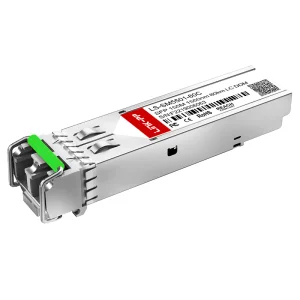
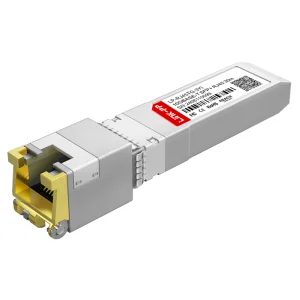
SFP copper transceivers (using RJ45 ports) are a cost-effective choice for short distances, typically up to 30 meters over Cat6A/Cat7 cabling. They operate with lower latency and require less expensive cabling than optical fibers. However, optical transceivers are preferred for longer distances (over 100 meters) because they are completely immune to EMI and support higher data transmission rates.
Compliance is defined by adherence to ANSI/TIA-568-C.2 and ISO/IEC 11801 standards. These regulate performance metrics such as insertion loss, return loss, propagation delay, and NEXT. In addition, physical safety certifications like RoHS, REACH, and UL94V-0 are required to verify environmental friendliness and flame-retardant properties.
Explore SFP cages, low-profile RJ45 connectors, and advanced transceiver assemblies for high-speed data links.