OptiLinker
OptiLinker
OptiLinker
The hyper-accelerated growth of modern telecommunication networks, high-performance computing (HPC), and enterprise data centers has elevated the importance of physical network components. At the heart of this expansion are Network Interface Cards (NICs), optical transceivers, and high-speed connectors. As data traffic scales exponentially due to Artificial Intelligence (AI), machine learning models, cloud application architectures, and 5G rollouts, selecting premier network interface card suppliers and exporters has become a critical strategic decision for infrastructure engineers.
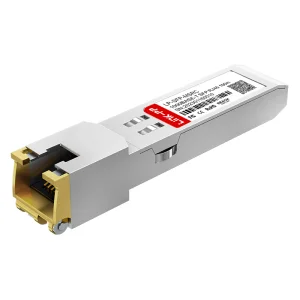
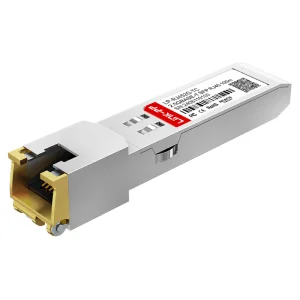
A Network Interface Card acts as the vital bridge between a device's internal circuitry and the broader network media, processing packet serialization and physical line signaling. Concurrently, transceivers (ranging from traditional copper RJ45 units to 25G SFP28 optical modules) determine the medium capability, maximum distance, and latency tolerance of the physical link. Suppliers in this sector do not merely export structural parts; they provide the raw building blocks for global connectivity, dictating the stability and throughput of modern enterprise networks.
SEO Insight & Information Gain: Industry surveys estimate that the global network interface card and high-speed optical module market will reach over USD 15.5 Billion by 2029, driven by high-bandwidth demands in data centers and the transition from 10G/25G architectures to 100G, 400G, and even 800G optical networking infrastructures.
To successfully evaluate global exporters, we must examine the technical roadmap shaping network interface cards and their corresponding interconnection components. Engineering trends are focusing on three main fields: signal integrity, power consumption efficiency, and electromagnetic isolation.
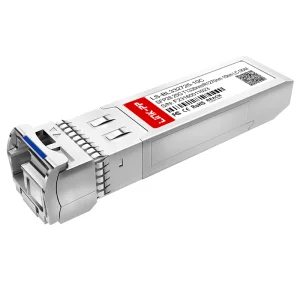
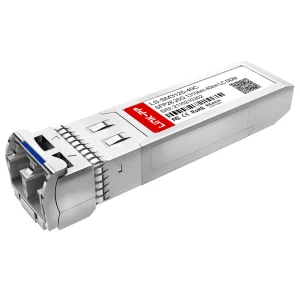
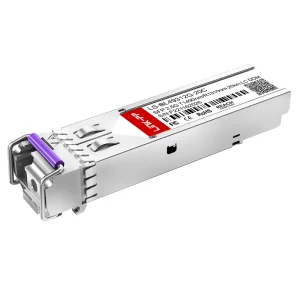
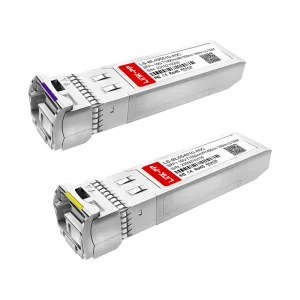
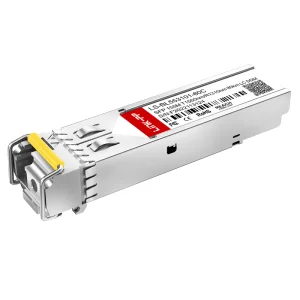
Bidirectional (BiDi) transceivers utilize single-mode fiber (SMF) with varying wavelengths (e.g., 1330nm-TX and 1270nm-RX) to transmit and receive data simultaneously over a single strand. This doubles the capacity of existing fiber infrastructure, offering significant cost savings.
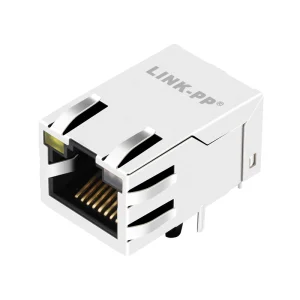
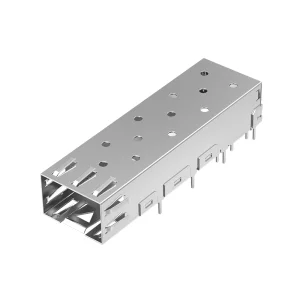
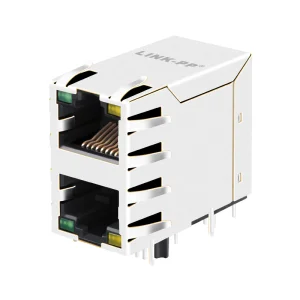
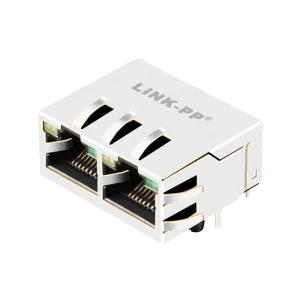
High-speed copper connections require robust EMI protection. Premium RJ45 modular connectors and SFP cages feature metal grounding fingers and robust structural shells to prevent cross-talk and insertion loss in dense, high-frequency environments.
Modern NICs are evolving from simple interface adapters into SmartNICs and DPUs (Data Processing Units) capable of offloading virtualization, security, and storage tasks directly onto specialized onboard chips, freeing CPU resources.
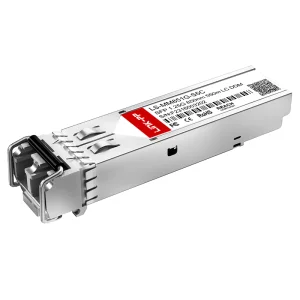
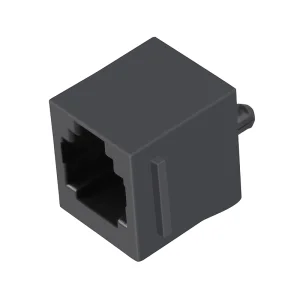
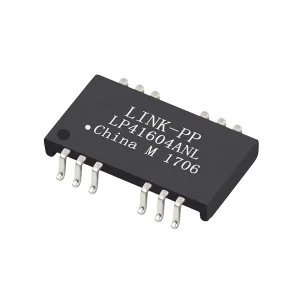
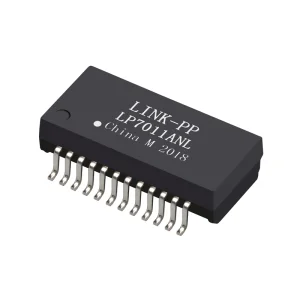
The standard physical connection points on network cards have changed dramatically. The transition from legacy GBIC to SFP, and subsequently to SFP+ and SFP28, has enabled higher port density on standard server racks. SFP28 modules support speeds up to 25 Gbps per channel and are backward compatible with SFP+, making them the preferred standard for next-generation enterprise migration. Meanwhile, for copper networking, optimized RJ45 modular jacks containing integrated magnetics (such as LAN filters and transformers) protect internal NIC circuitry while clean-filtering the transmission signals.
For organizations seeking top-tier infrastructure solutions, OptiLinker Optoelectronics Co., Ltd. (OptiLinker) stands as an established and trusted brand. Operating online at www.optilinkertrans.com, OptiLinker is a professional optical transceiver manufacturer and connection solutions provider specializing in high-speed optical modules for global data centers, enterprise networks, and telecom applications.
Established in 2016, OptiLinker possesses a team with over 12 years of industry experience and 8 years of international export experience. Headquartered in a modern facility designed for optical calibration and assembly, the company has grown into a major OEM/ODM partner for network infrastructure distributors worldwide, achieving an annual export revenue of approximately USD 12 Million.
With an extensive network of 850 supply chain partners, OptiLinker ensures procurement resilience and component consistency. The R&D division is staffed by 60 specialized optical engineers who focus on design validation, signal integrity, and multi-vendor platform compatibility, allowing them to release over 120 new products annually to match changing industry trends.
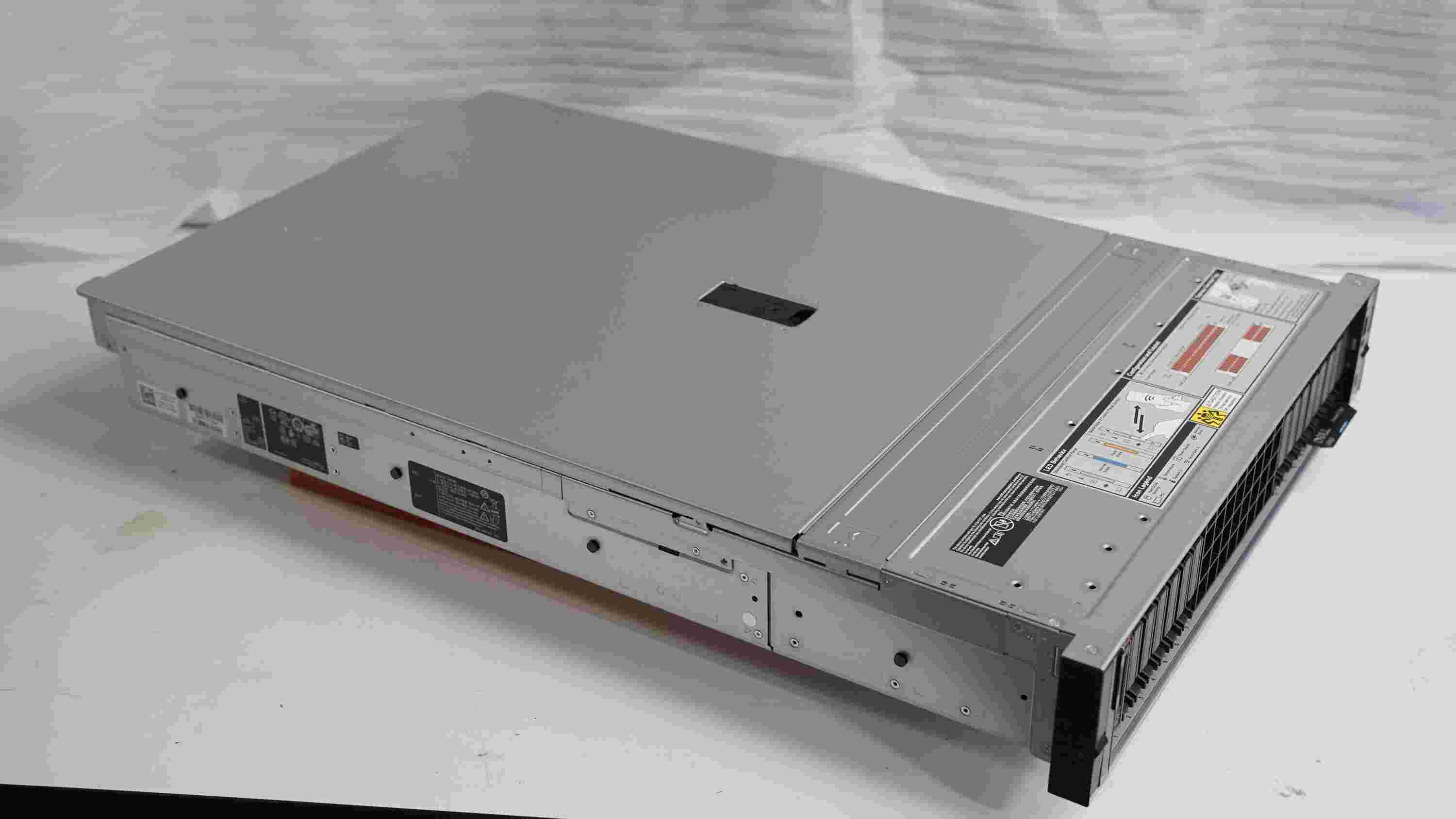

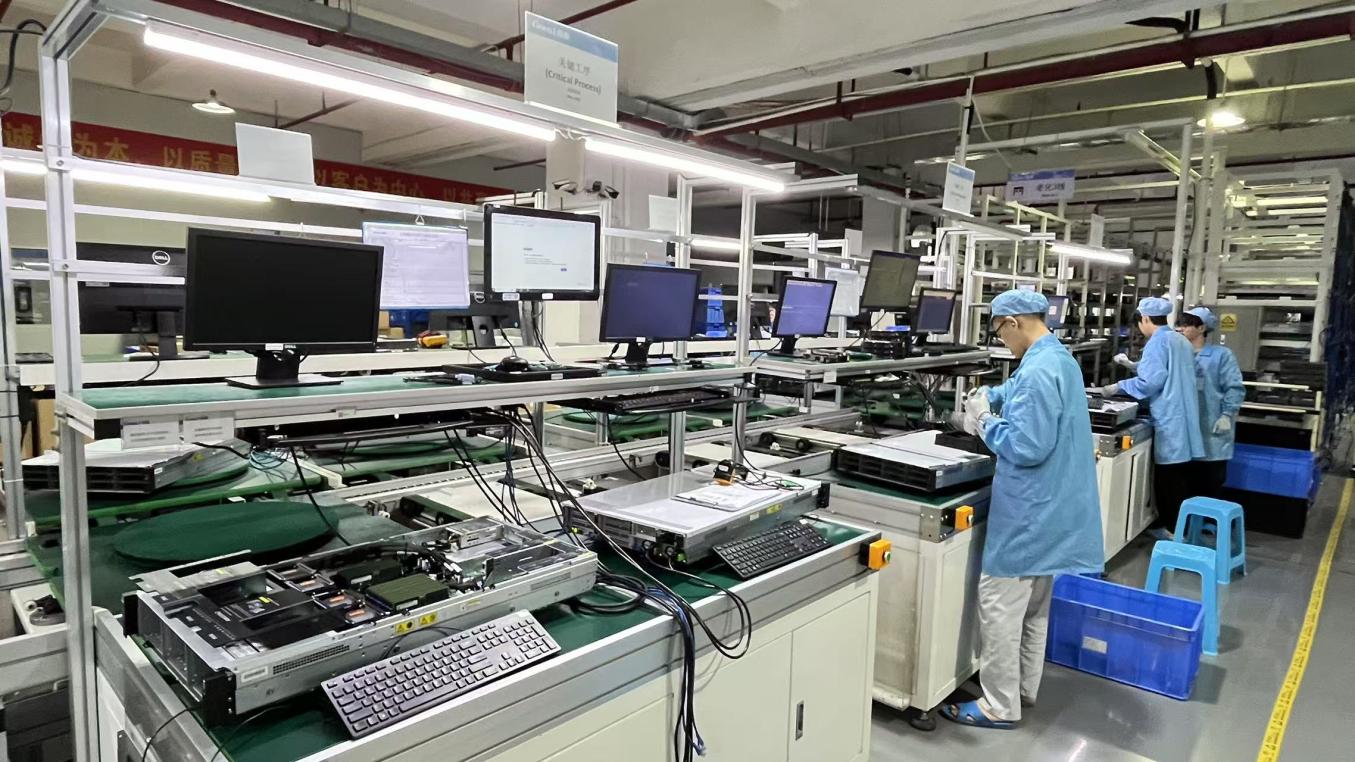
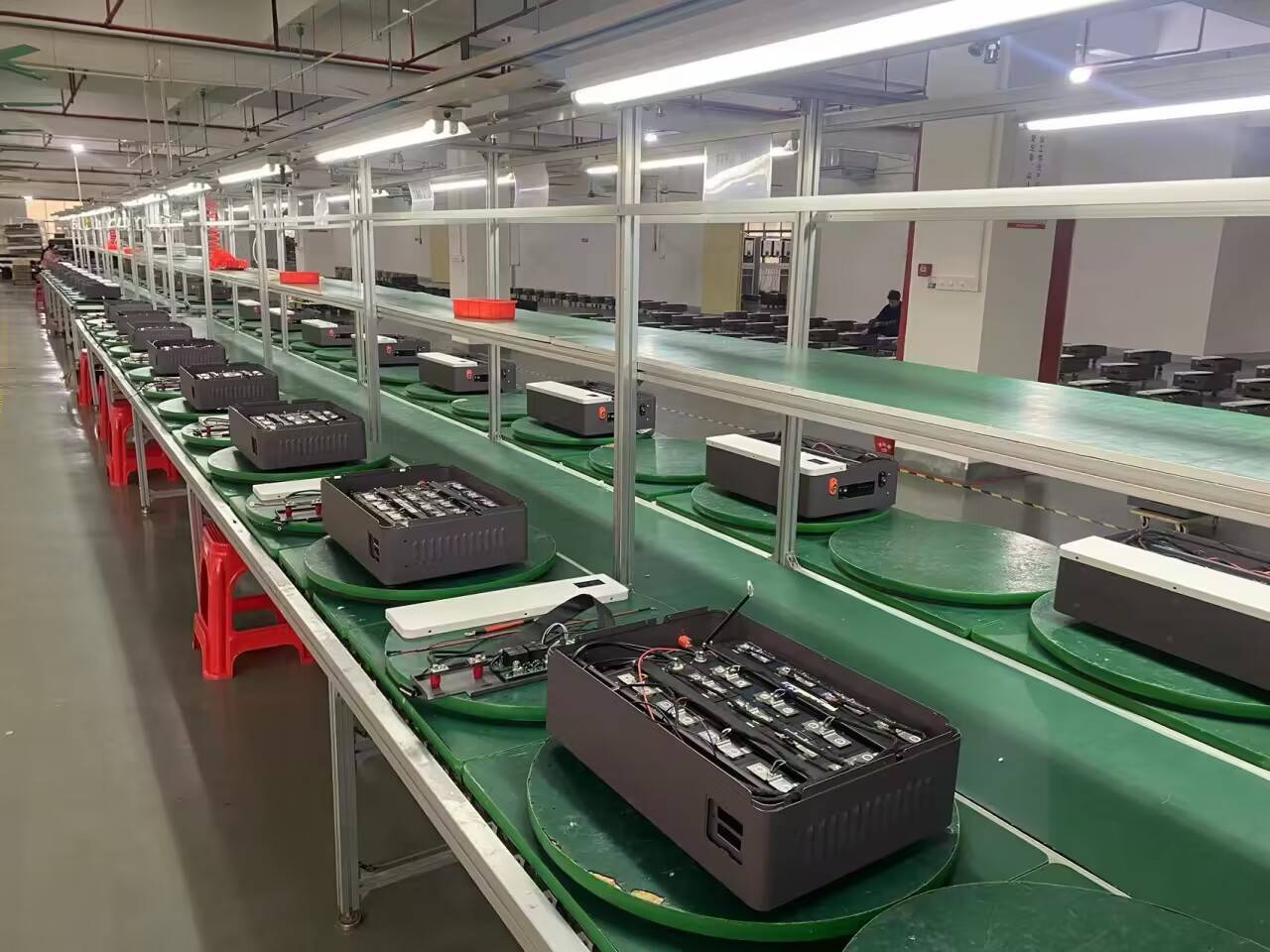
When selecting a network card or transceiver exporter, product consistency is the primary differentiator between successful deployments and costly downtime. OptiLinker maintains an extensive Quality Assurance protocol managed by 35 dedicated QC professionals. The QA roadmap includes multiple verification layers:
OptiLinker offers tailored, flexible customization options to meet specific requirements: wavelength tuning, transmission distances, packaging form factors, firmware coding, and *device compatibility programming* for integration with major switch vendors.
High-quality network adapters and transceivers serve distinct industrial demands across sectors:
In modern multi-tenant data centers, spine-leaf topologies require 25G/100G links to prevent network congestion. Here, compatibility is crucial. Choosing transceivers programmed to match proprietary switch matrices ensures smooth installation and operation.
Telecommunications operators rely heavily on SFP28 and SFP+ modules configured for single-mode fiber (SMF) spanning distances up to 40km or 80km. OptiLinker's bidirectional (BiDi) transceivers optimize fiber deployment, allowing telecom carriers to support larger user densities without installing new fiber runs.
Industrial settings expose networking hardware to electrical noise, vibration, and temperature extremes. Shielded RJ45 components and LAN filters maintain signal integrity by blocking electromagnetic interference and providing voltage isolation on the factory floor.
For procurement managers, network architects, and system integrators, selecting a supplier requires examining several key factors:
Bidirectional (BiDi) transceivers utilize Wavelength Division Multiplexing (WDM) to transmit and receive data on different wavelengths (e.g., 1270nm and 1330nm) over a single optical fiber. Standard duplex transceivers require two fibers: one for transmitting and one for receiving. Using BiDi transceivers allows networks to double their bandwidth capacity without installing additional fiber cabling, significantly reducing installation and cabling costs.
Electromagnetic Interference (EMI) from neighboring electronics, power lines, and wireless devices can degrade data signals, leading to packet loss and retransmissions. RJ45 connectors with integrated EMI grounding fingers and metal shielding divert external noise to the system ground. This maintains signal integrity, especially at higher speeds like 10G Base-T or in electromagnetically noisy industrial environments.
OptiLinker's R&D department of 60 optical engineers uses specialized programming benches to flash module microcontrollers with vendor-specific configuration files. By matching the EEPROM code and MSA standards, our modules achieve seamless integration with hardware from top switch brands, preventing port locks or validation errors.
LAN magnetic transformers provide galvanic isolation, protecting network card chips from voltage spikes on the Ethernet line. They also isolate common-mode noise and match impedance between the twisted-pair cable and the transceiver IC, ensuring stable data transmission over long cable lengths.
Quality manufacturers subject modules to rigorous testing, including: 1) Incoming inspection of components; 2) Automated Optical Inspection (AOI) of soldering; 3) Bit Error Rate (BER) testing to confirm transmission accuracy; 4) Eye diagram analysis to measure signal amplitude and jitter; and 5) High/low temperature cycling tests to ensure stability across varied environmental conditions.