OptiLinker
OptiLinker
OptiLinker
Bridge your copper Ethernet networks with optical backbones using our standard-compliant high-performance hardware modules.
In the era of 5G, IoT, and ultra-high-definition streaming, copper connectivity remains a foundational pillar for local-area infrastructure. While optical fibers dominate long-haul and data center backplanes, **Category 5e (Cat5e) cables** continue to support a massive installation base worldwide. Modern Cat5e designs have evolved significantly, achieving compliance with strict international electrical and environmental standards like **ANSI/TIA-568.2-D** and **ISO/IEC 11801 Class D**.
A key driver for Cat5e sustainability is the rise of **Power over Ethernet (PoE, PoE+, and PoE++)**. Today's manufacturing technologies focus heavily on heat dissipation and signal integrity when carrying high wattage (up to 90W) alongside Gigabit Ethernet. This has shifted manufacturing demands toward **Pure Oxygen-Free Copper (OFC)** and advanced insulation materials (like Fluorinated Ethylene Propylene, or FEP, for Plenum applications) to guarantee physical durability and electrical isolation.
Integration with advanced IoT and smart building systems requires Cat5e cables to carry both 1Gbps data and substantial DC power without overheating.
To combat electromagnetic interference (EMI) in industrial settings, manufacturers utilize complex foil and braided shielding configurations.
Low-Smoke Zero-Halogen jacket compounds are standard requirements for public infrastructure projects to protect people and equipment during thermal events.
Global buyers, engineering firms, and system integrators face severe operational challenges when vetting Cat5e cable manufacturers and exporters. Under standard Google Quality Rater guidelines, **Experience, Expertise, Authoritativeness, and Trustworthiness (E-E-A-T)** are the benchmarks for selecting partners. Top-tier enterprises demand more than just competitive pricing; they require verified performance metrics, supply chain stability, and strict regulatory adherence.
Key procurement demands include:
Fluke DSX-8000 compliance, high-frequency sweeps up to 350MHz.
UL1666 (Riser), UL910 (Plenum), CPR (Construction Products Regulation) Euroclass compliance.
Factory audits, raw copper index pricing transparency, and ISO 9001 compliance.
How Category 5e structured cabling provides reliable data transport in diverse macro environments.
Factory floors present high levels of EMI/RFI due to heavy machinery. Double-shielded (SF/UTP) Cat5e cables with robust PUR (Polyurethane) jackets withstand extreme temperatures, chemicals, and mechanical strain, linking remote sensors and actuators to central PLC networks.
In modern commercial properties, Cat5e serves as the primary data highway for HVAC controls, IP surveillance cameras, and LED lighting nodes. Incorporating low-smoke zero-halogen (LSZH) materials ensures compliance with local fire codes while maintaining robust bandwidth delivery.
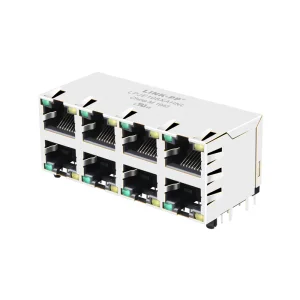
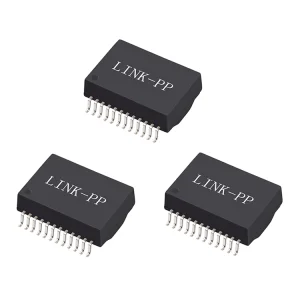
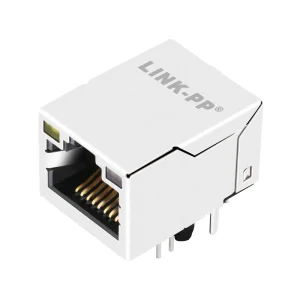
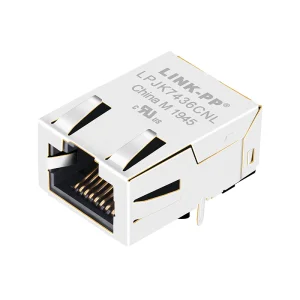
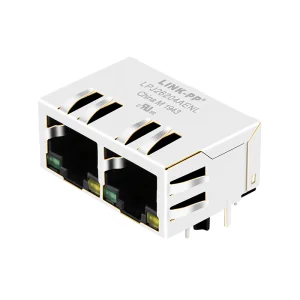
Telecom operators utilize Cat5e to connect edge computing modules, outdoor cabinets, and small cell antennas. High-quality RJ45 interfaces, integrated with telecom magnetics and shielded cages, ensure stable impedance matching and lightning surge protection.
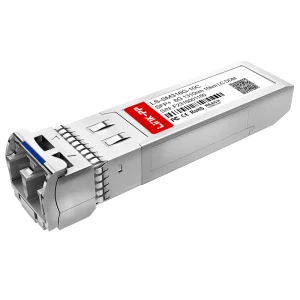
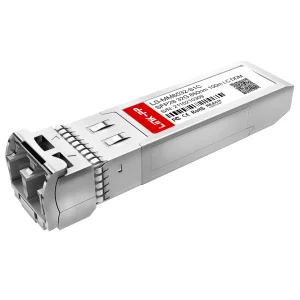
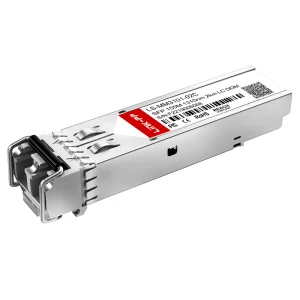
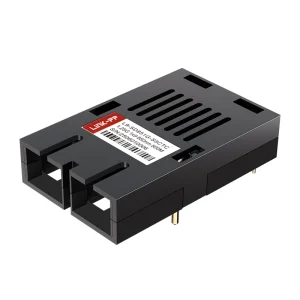
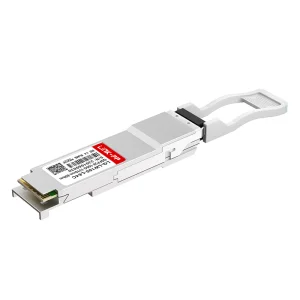
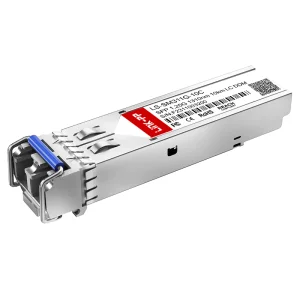
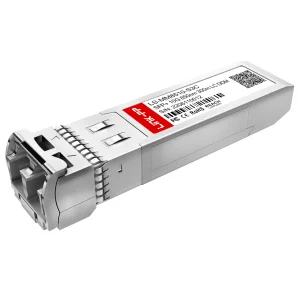
Integrating copper Ethernet endpoints with advanced, high-speed optical transceivers for data centers and modern telecom applications.
OptiLinker Optoelectronics Co., Ltd. (OptiLinker) is a professional optical transceiver manufacturer and solution provider under the brand OptiLinker (www.optilinkertrans.com), specializing in high-speed optical communication modules for global data center and telecom applications.
Founded in 2016, OptiLinker operates a modern production facility with a total building area of approximately 320㎡. With continuous development in optical communication technology, the company has accumulated over 12 years of industry experience and approximately 8 years of export experience. In the past year, OptiLinker achieved an annual export revenue of around USD 12 million, serving customers across North America, Europe, Southeast Asia, and the Middle East. The company maintains a strong global B2B trade background, focusing on OEM/ODM partnerships with network infrastructure providers.
Quality assurance is a core focus at OptiLinker. The company implements 100% incoming material inspection, AOI automated optical inspection, and full optical performance testing. Product verification includes BER testing, eye diagram analysis, and high/low temperature cycling tests, ensuring stable performance under demanding network environments. The quality control team consists of 35 dedicated QC professionals.
OptiLinker collaborates with a global supply chain network of approximately 850 partners, enabling efficient sourcing and stable production capacity. Its main customer base includes telecom operators, data centers, system integrators, and networking equipment manufacturers.
The company has strong R&D capabilities, supported by a team of 60 experienced optical engineers. Its engineering team specializes in high-speed optical design, signal integrity optimization, and protocol compatibility development. OptiLinker offers flexible customization options including wavelength tuning, transmission distance, packaging form factors, firmware coding, and device compatibility programming. In the last year alone, OptiLinker launched approximately 120 new optical transceiver products, reflecting its continuous innovation and rapid response to market demand.
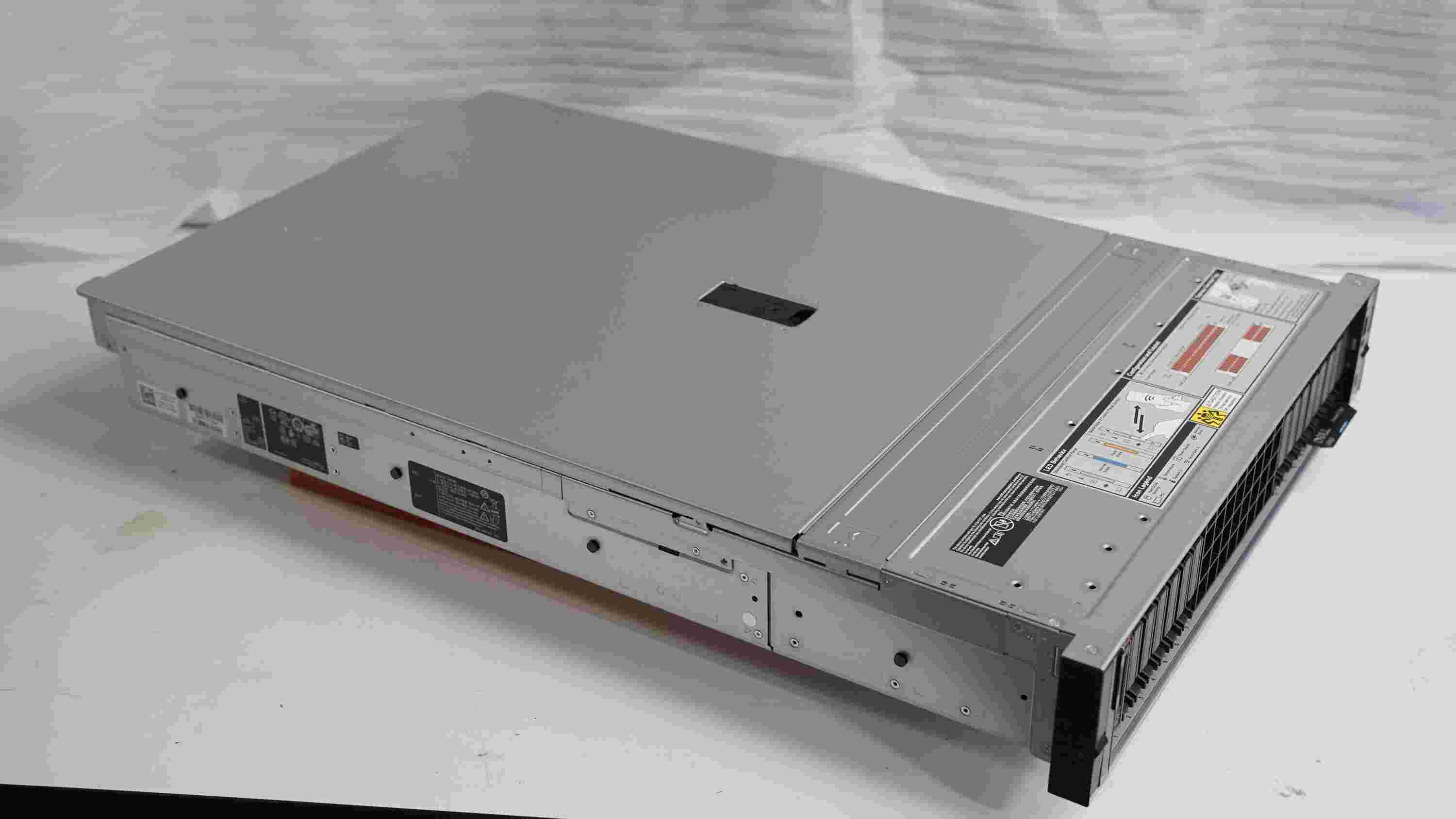
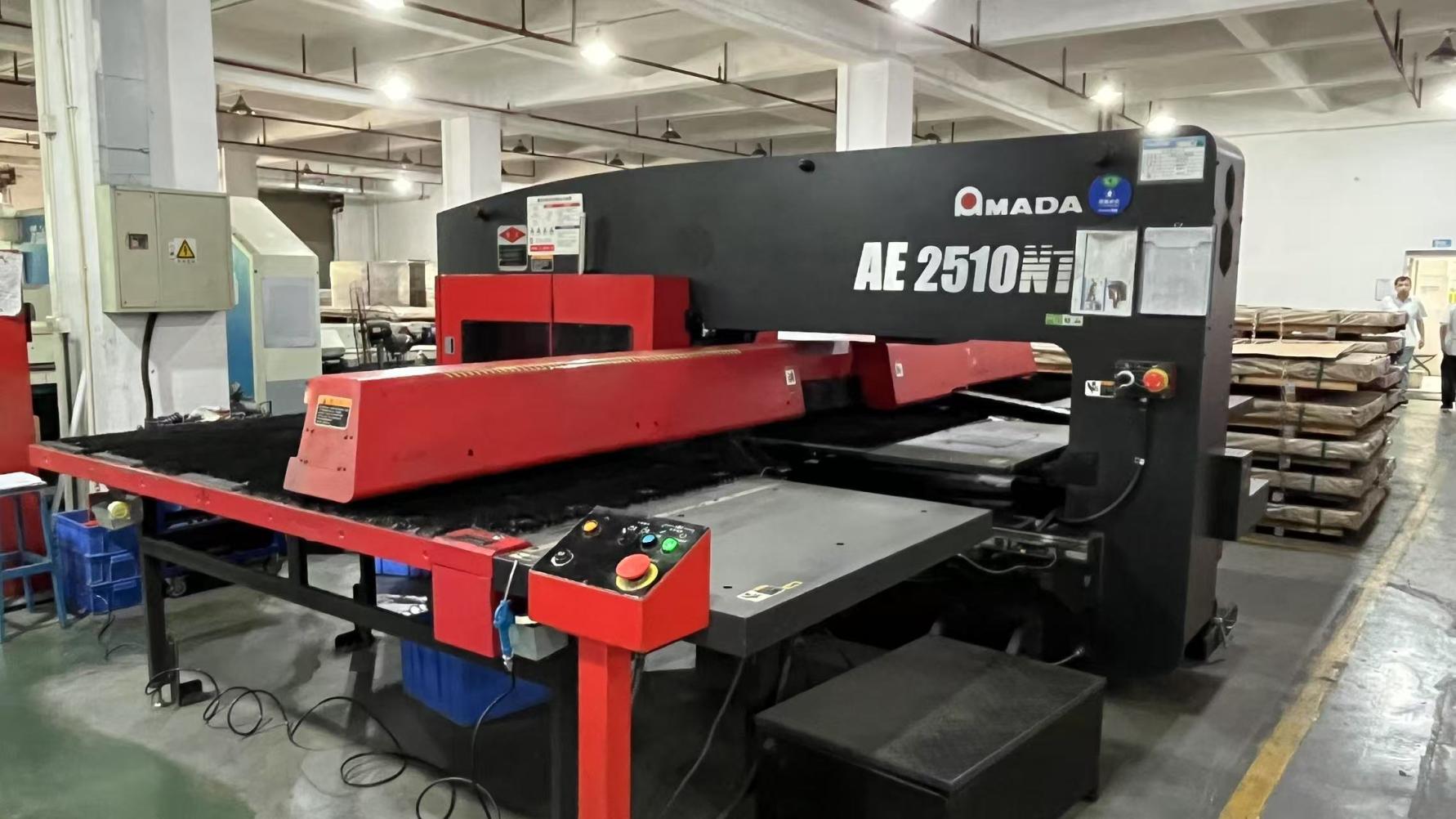
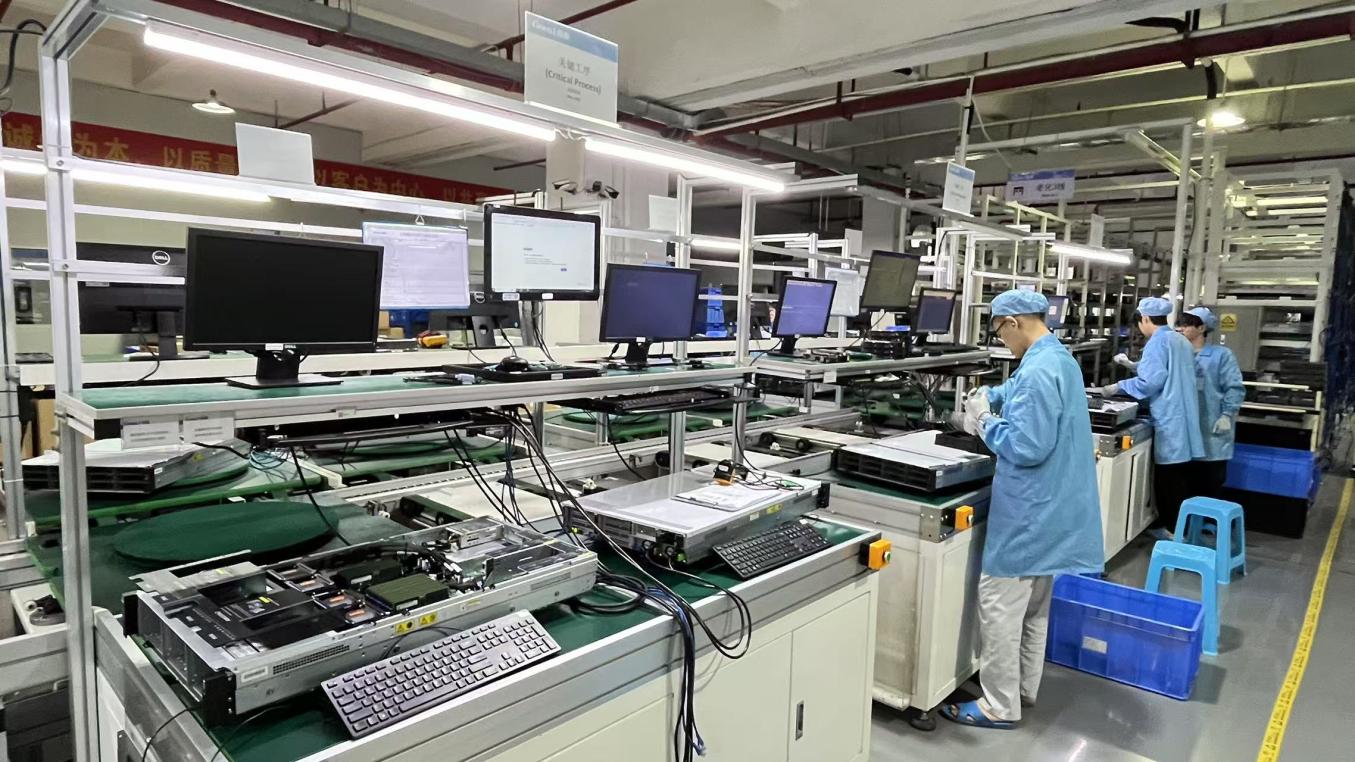
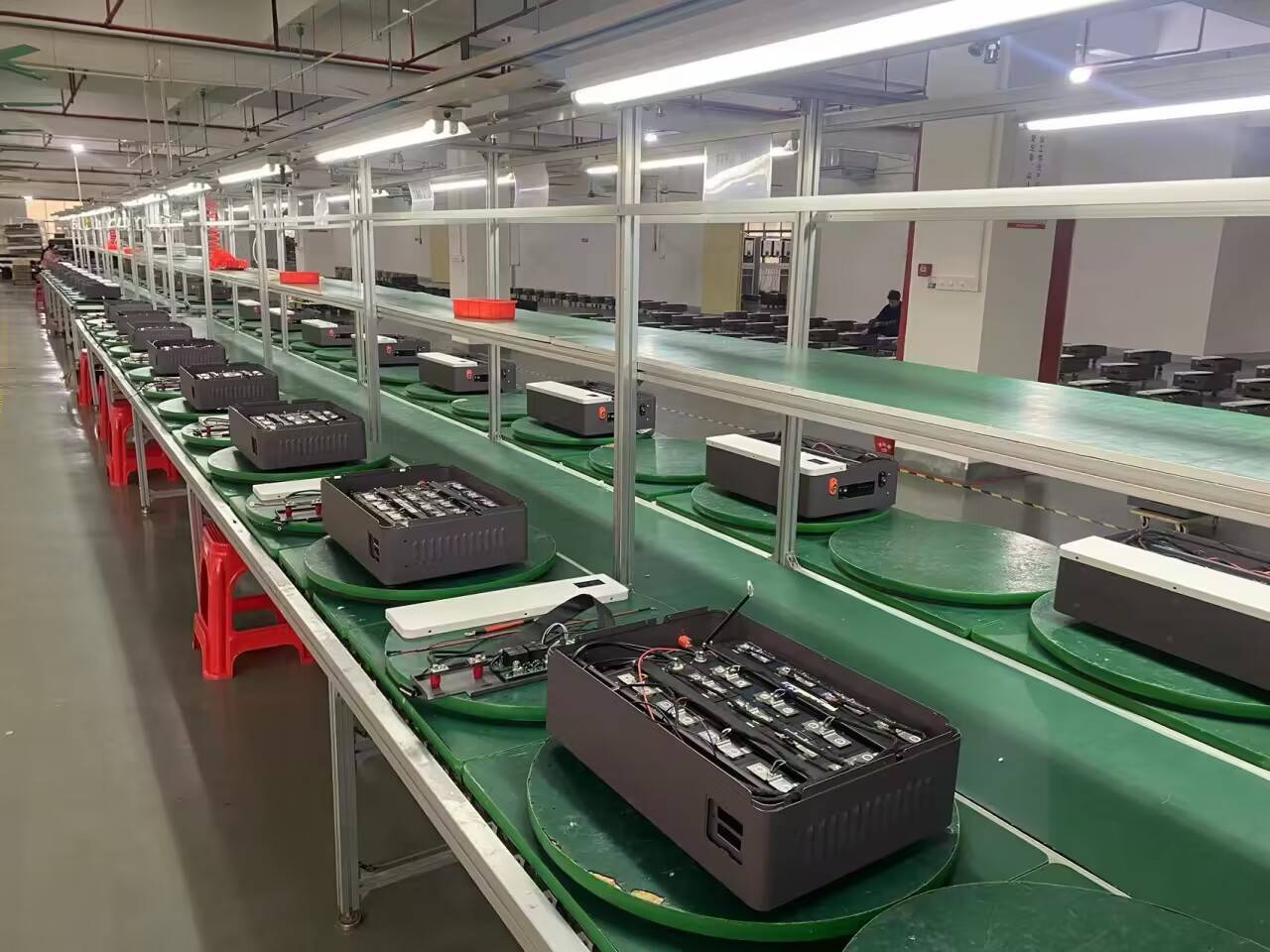
The convergence of copper and optical networking technologies requires strict localization and compliance alignment. While copper cables carry data signals up to 100 meters at the local distribution tier, optical systems bridge backhaul operations over kilometers. Both topologies are subject to safety and environmental standards. For global buyers importing networking products into North America, Europe, and Japan, localized compliance acts as a legal and operational safeguard.
Key standards include the **Construction Products Regulation (CPR)** in Europe, which categorizes cables based on their flame spread and acid gas emission rates (e.g., Euroclasses B2ca, Cca, Dca). Similarly, in North America, **National Electrical Code (NEC) Article 800** sets guidelines for Riser (CMR) and Plenum (CMP) ratings. To satisfy these regulatory frameworks, manufacturers must invest in advanced extrusion tooling and high-precision testing machinery.
Looking ahead, the technical roadmap for copper cabling involves **Single Pair Ethernet (SPE)**. Developed under the **IEEE 802.3cg** standard, SPE uses a single pair of copper wires to transmit data up to 1000 meters at 10Mbps, and up to 40 meters at 1Gbps. This development will coexist alongside standard 4-pair Cat5e cabling, reducing physical weight, installation complexity, and overall deployment costs in automation grids and IoT projects.
Crucial technical answers regarding compliance, materials, and engineering integration.
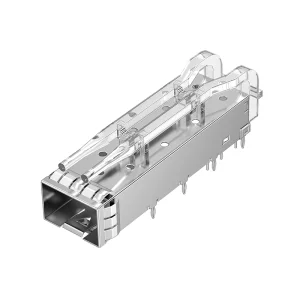
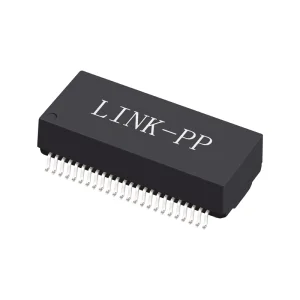
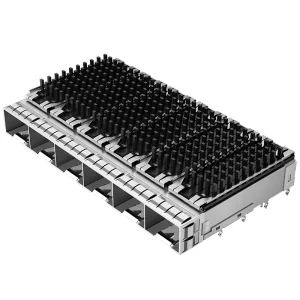
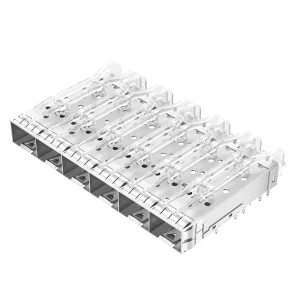
Browse our selection of shielded RJ45 jacks, transformer modules, and optical cages designed for robust connectivity.