OptiLinker
OptiLinker
OptiLinker
In the era of hyper-connectivity, the Fiber Optic Splitter has transitioned from a simple passive component to a critical nexus in global telecommunications infrastructure. As the world pivots toward 5G densification, FTTH (Fiber to the Home) expansion, and AI-driven data center architectures, the demand for precision-engineered spectral management has reached unprecedented heights. A Fiber Optic Splitter—whether employing Planar Lightwave Circuit (PLC) or Fused Biconical Taper (FBT) technology—is the backbone of Passive Optical Networks (PON), enabling a single optical interface to be shared among multiple end-users without compromising signal integrity.
OptiLinker Optoelectronics Co., Ltd. (OptiLinker) stands at the forefront of this evolution. As a premier custom OEM Fiber Optic Splitter supplier and exporter, we leverage over 12 years of industry depth to provide solutions that go beyond the standard "off-the-shelf" offerings. Our role as an industry growth engine is defined by our ability to translate complex signal requirements into reliable, high-density hardware that powers the digital economies of North America, Europe, and Asia.
Founded in 2016 and headquartered in a modern production facility, OptiLinker integrates 8 years of rigorous export experience. Our brand is synonymous with durability, serving global telecom operators and system integrators with 100% material inspection protocols.
With a dedicated R&D team of 60 optical engineers, we specialize in high-speed optical design. We don't just supply; we innovate—offering wavelength tuning, transmission distance optimization, and bespoke firmware coding for complex network environments.
Our 35 QC professionals employ AOI automated optical inspection, BER testing, and eye diagram analysis. Every fiber optic splitter and transceiver undergoes high/low temperature cycling to ensure stability in extreme industrial climates.
Why do global enterprises look to China for their fiber optic needs? The answer lies in the "Supply Chain Cluster Effect." OptiLinker’s strategic location allows us to collaborate with approximately 850 upstream and downstream partners. This ecosystem ensures:
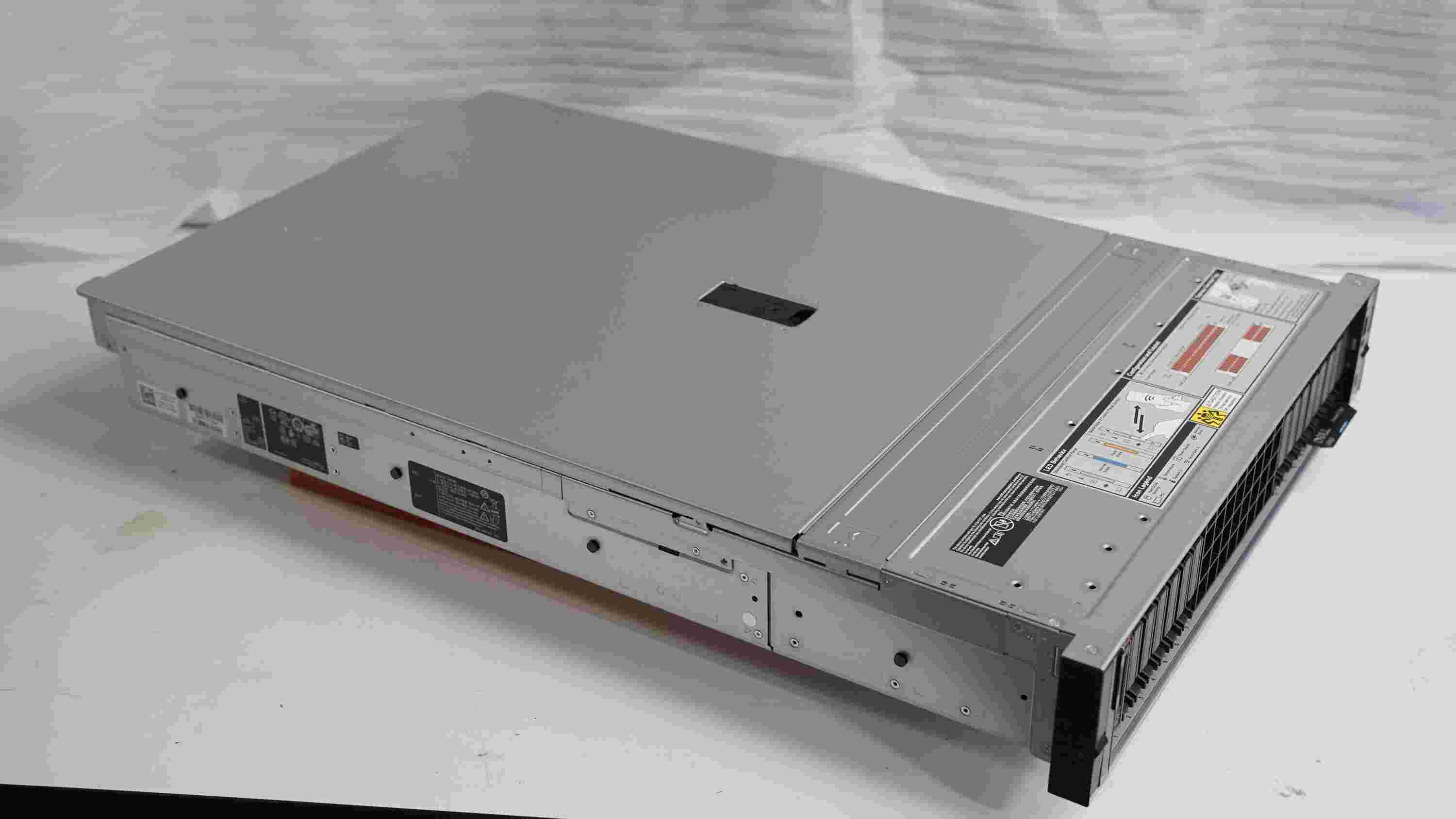
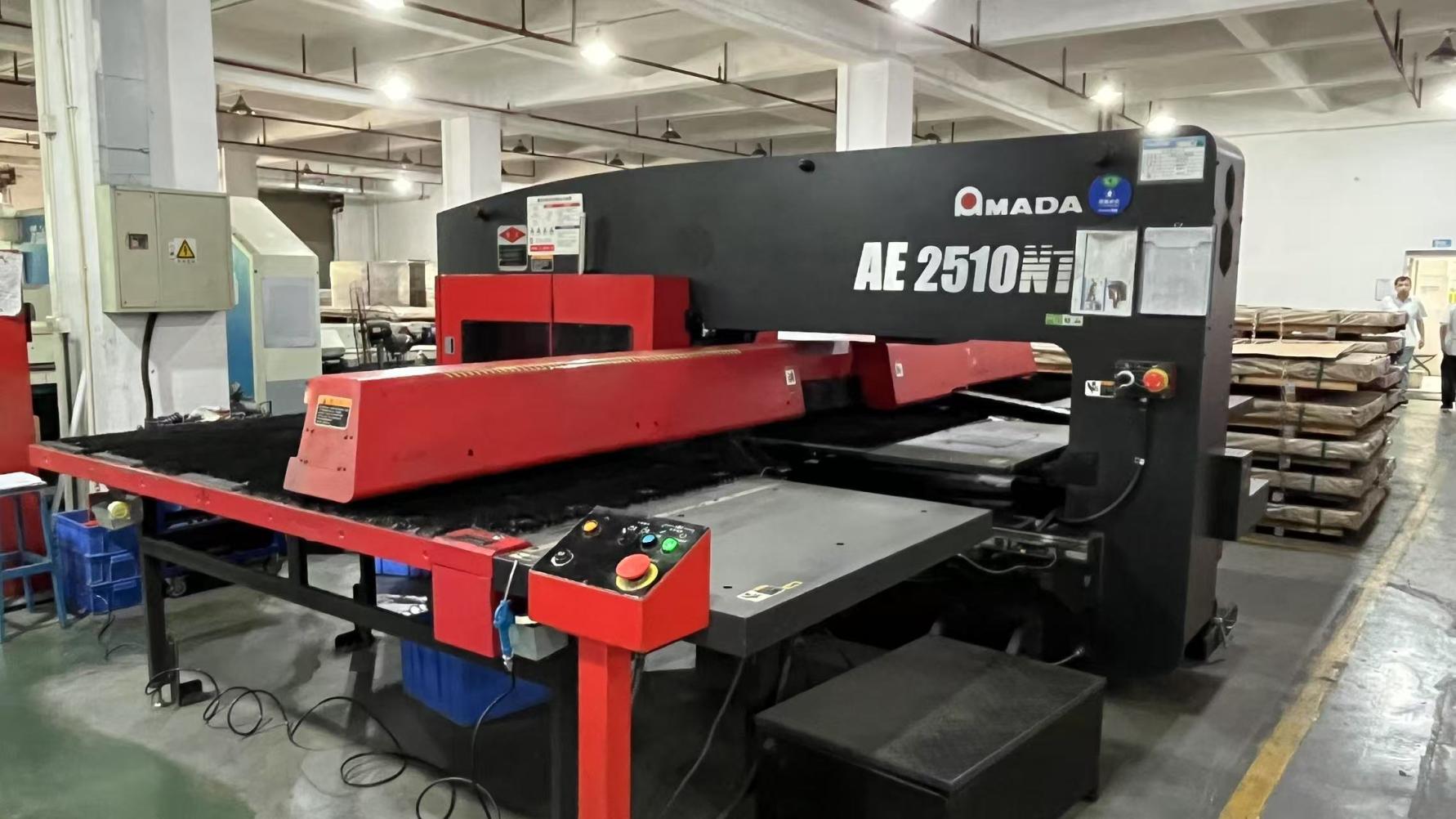
In urban centers across Southeast Asia, our splitters are used in distributed antenna systems (DAS) to ensure seamless 5G coverage, splitting signals efficiently from central hubs to street-level small cells.
High-durability PLC splitters are deployed in harsh mining environments in Australia and South America, providing reliable data backhaul for autonomous machinery where vibration and temperature fluctuations are extreme.
Customized high-density MPO/MTP splitters allow data center operators in Northern Europe to maximize rack space while maintaining ultra-low latency for AI training workloads.
As we look toward 2030, the fiber optic splitter market is evolving toward Higher Splitting Ratios (1:128) and Unbalanced Splitting. The rise of Edge Computing requires splitters that can handle higher power levels and wider wavelength ranges (1260nm to 1650nm). OptiLinker is already integrating these requirements into our OEM roadmaps, ensuring our clients stay ahead of the technology curve.
Global procurement teams are shifting focus from "lowest cost" to "Information Gain" and "Total Cost of Ownership (TCO)." This means prioritizing suppliers who offer comprehensive testing reports, cross-brand compatibility, and long-term technical support.
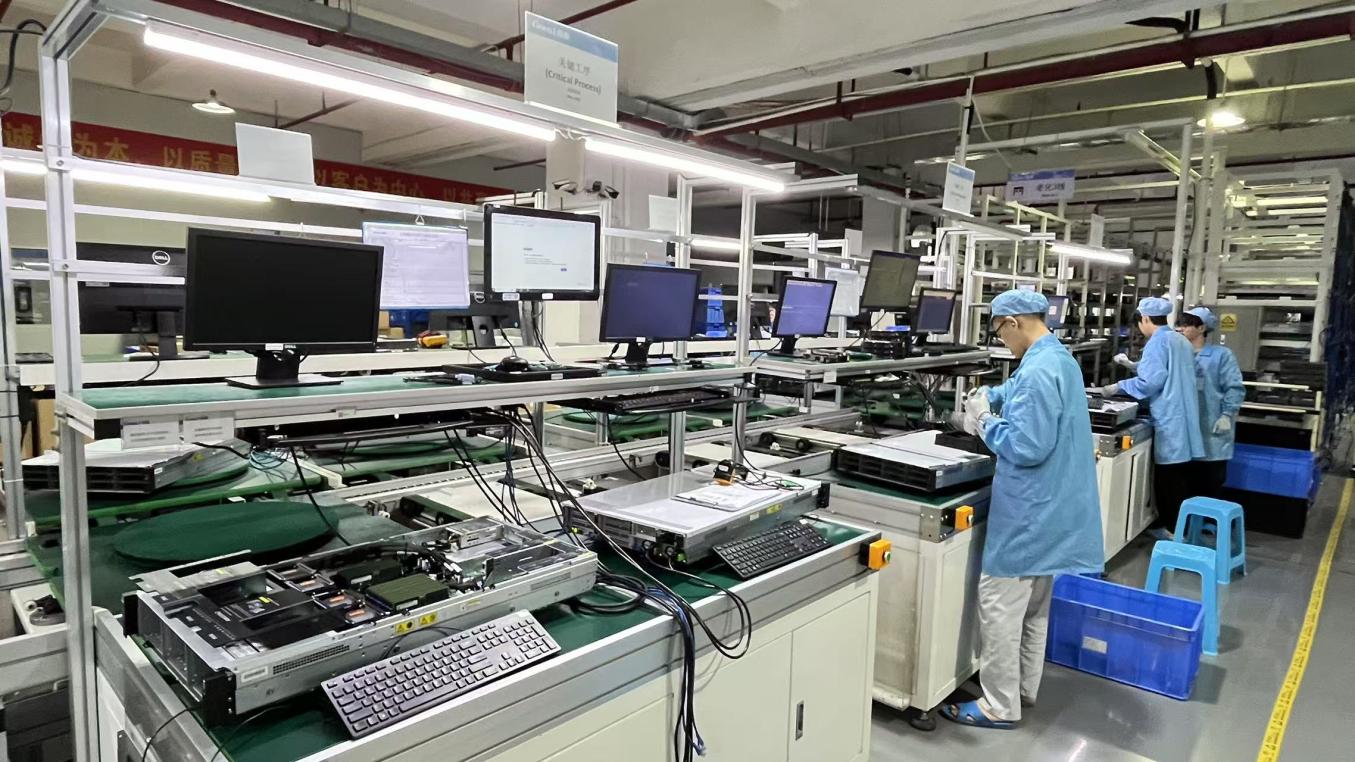
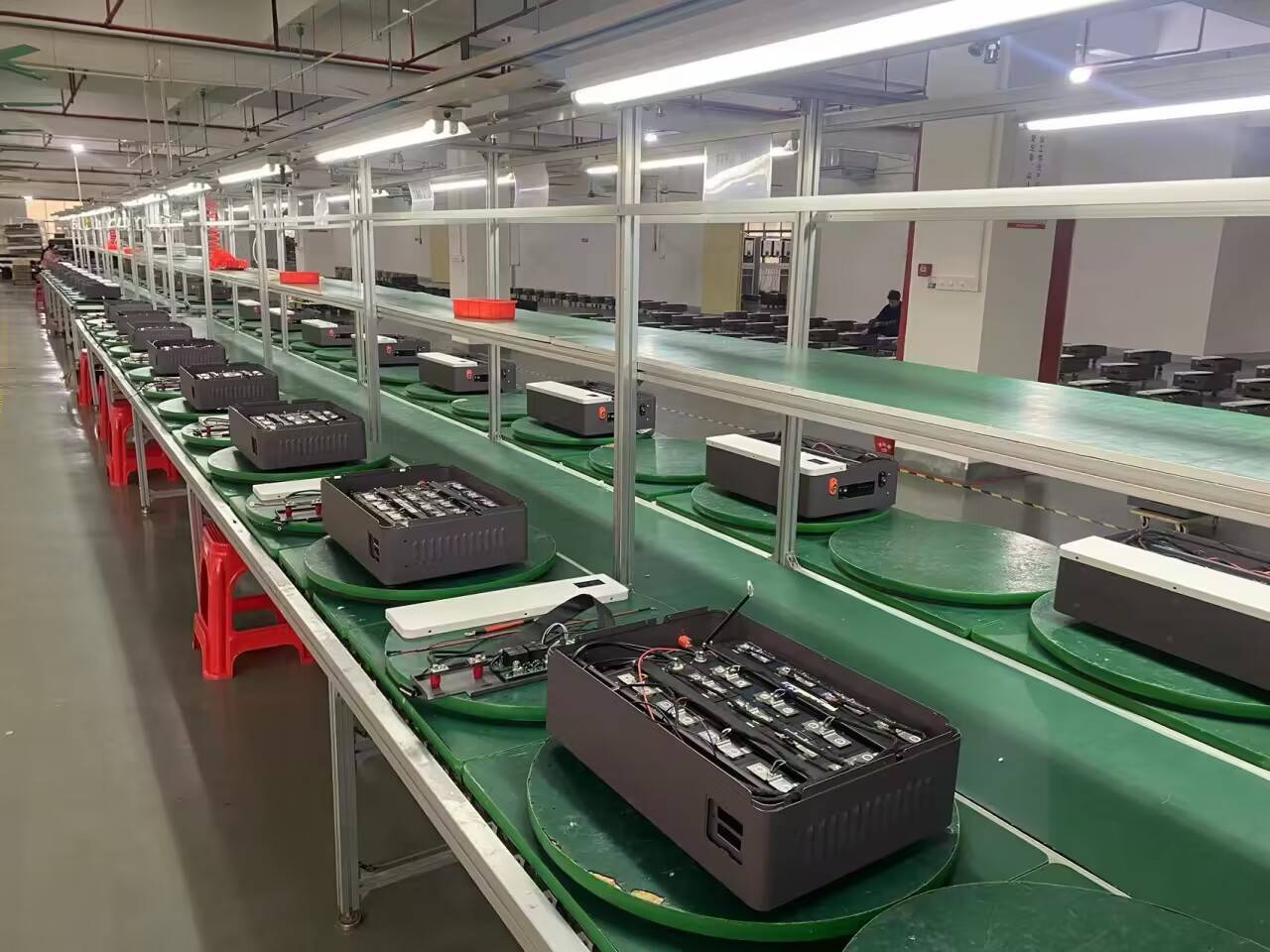
PLC (Planar Lightwave Circuit) splitters offer better uniformity and are ideal for high-density applications (1xN), while FBT (Fused Biconical Taper) splitters are more cost-effective for simple 1x2 or 2x2 splits and allow for customized coupling ratios (e.g., 90/10).
Our engineering team performs protocol compatibility programming and firmware coding during the OEM process. Every module is verified against the target environment's EEPROM requirements to ensure "plug-and-play" functionality.
Yes. As a custom OEM supplier, we offer full flexibility in pigtail lengths, jacket materials (LSZH, PVC, OFNP), and connector configurations (SC/APC, LC/UPC, etc.) to meet specific regional installation standards.
Standard orders typically ship within 2-3 weeks. For custom OEM projects involving new R&D, we provide a detailed timeline within 48 hours of the initial inquiry, leveraging our 850-partner supply network to expedite sourcing.