OptiLinker
OptiLinker
OptiLinker
Premium enterprise components optimized for high-speed transmission and seamless rack consolidation
The convergence of rapid cloud expansion, IoT infrastructure, and high-density computing is reshaping standard physical layers.
As corporate campuses and telecom networks migrate toward 10GBASE-T and 40GBASE-T transmission speeds, legacy Cat5e and Cat6 panels are rapidly being replaced. Modern systems require rigid crosstalk attenuation and high insertion/return loss integrity to shield channels from external Electromagnetic Interference (EMI).
Modern data centers no longer isolate copper distribution and fiber trunks into separate cabinets. High-density mixed-media modular panels allow network engineers to patch both RJ45 keystone jacks and fiber cassettes (LC/MTP/MPO) inside a single rack unit (1RU/2RU), drastically optimizing spatial footprint.
With Power over Ethernet standard IEEE 802.3bt (PoE++) delivering up to 90W-100W of power, patch panels experience elevated localized temperatures. Exporters must construct patch bays with premium alloys and specialized internal contact layouts to prevent electrical arcing and micro-arc erosion when disconnecting powered channels.
Navigating complex infrastructure projects requires sourcing from factories that align with global compliance and technical thresholds.
System integrators require direct validation via Fluke DSX-8000 Analysis. Patch panels must pass component-level, link-level, and channel-level verification to prove compliance with TIA-568.2-D and ISO/IEC 11801 Class EA specifications.
Heavy-duty, electro-galvanized cold-rolled steel (SECC/SPCC) frames are crucial. Standard-grade models undergo structural deflection under load; premium-grade distribution structures preserve planar alignment under heavy cable weight bundle pulls.
Fixed-port patch bays limit network scalability. Global telecom partners demand customizable unloaded patch bays with color-coded keystone module options, ground bars, and rear cable management trays configured to individual specifications.
Integrating deep manufacturing heritage with advanced optoelectronic design to scale mission-critical network topologies.
Founded in 2016, OptiLinker Optoelectronics Co., Ltd. (OptiLinker) operates under the brand name OptiLinker (www.optilinkertrans.com). The enterprise is a professional optical transceiver manufacturer and structured solution provider specializing in high-speed optical communication modules for global data centers and telecommunication backbones.
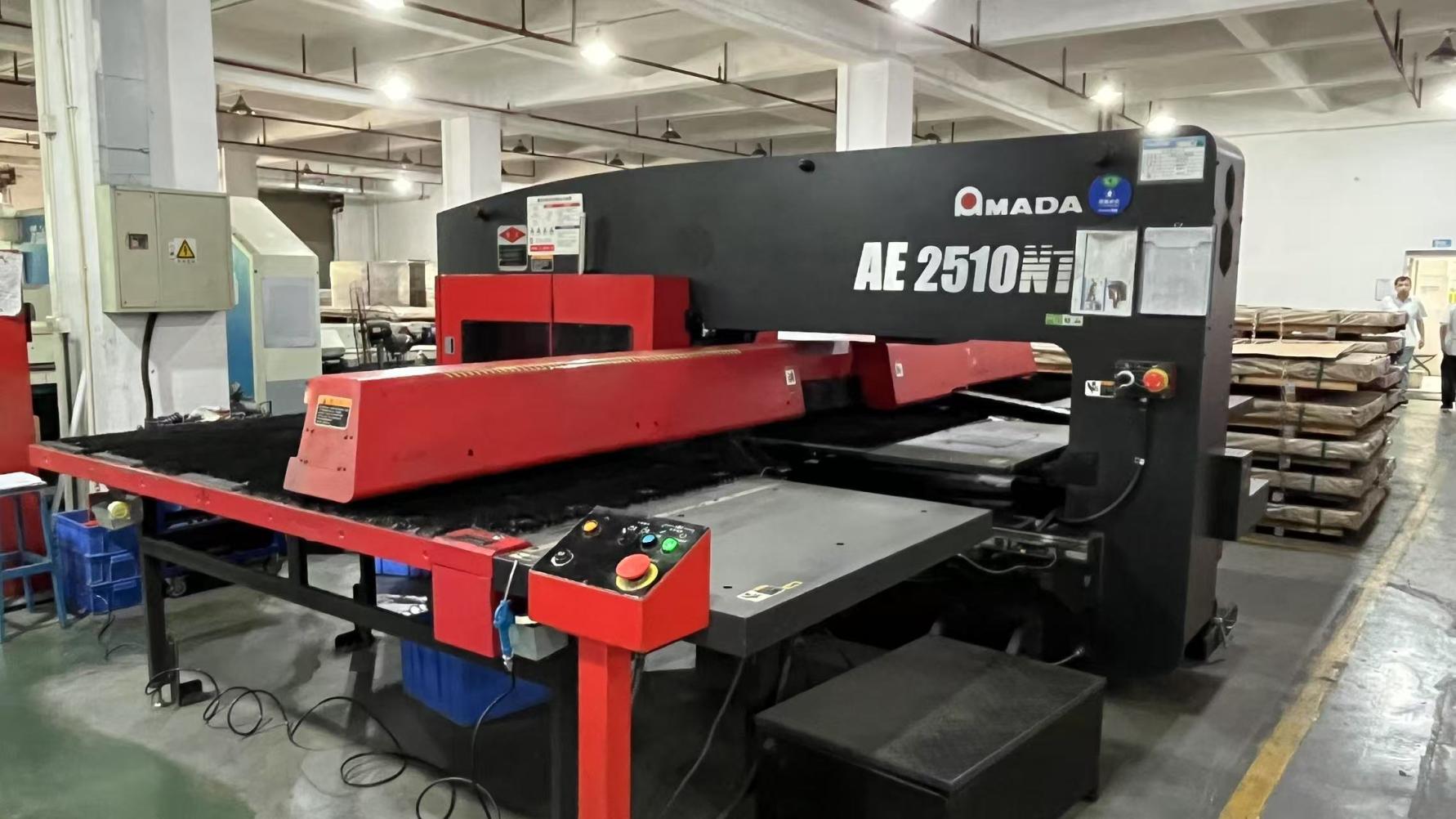
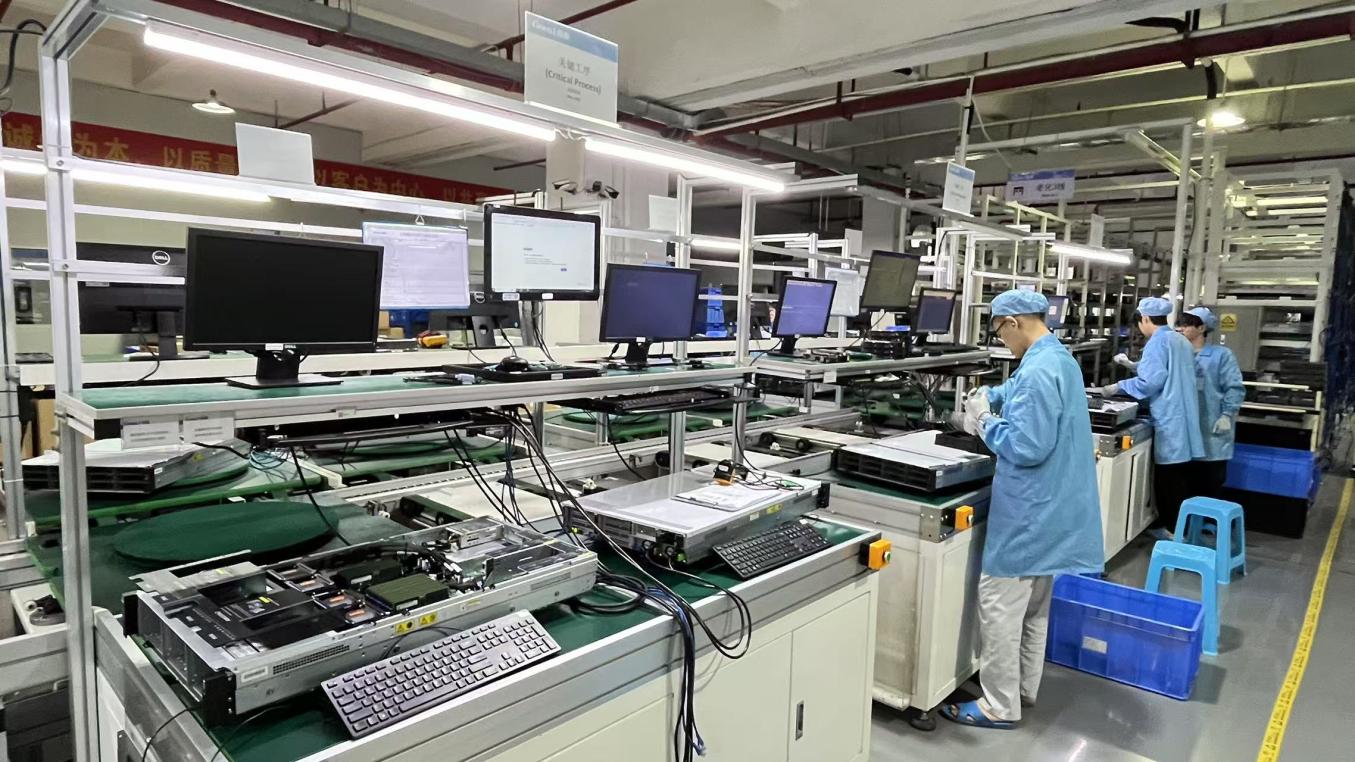
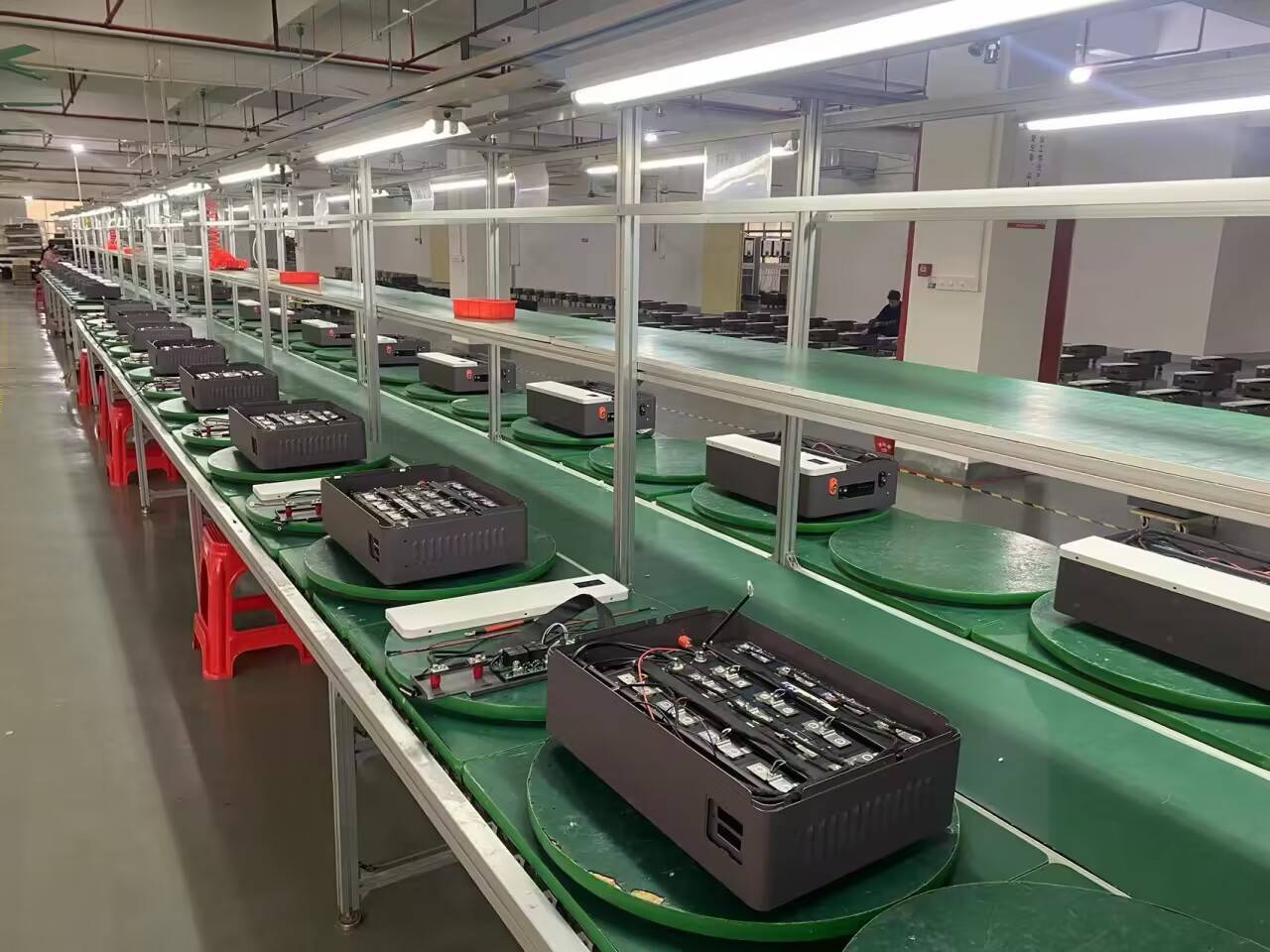
Operating a specialized facility with a dedicated building area of approximately 320㎡, the company focuses on high-precision core engineering, R&D prototyping, and comprehensive clean-room assembly. Boasting over 12 years of industry experience and 8 years of export experience, OptiLinker is a cornerstone supplier for worldwide connectivity operations.
Last year, OptiLinker recorded an annual export revenue of approximately USD 12 million, exporting to crucial regions including North America, Europe, Southeast Asia, and the Middle East. Supported by a robust network of 850 raw material and component suppliers, the firm ensures uninterrupted production scheduling and pricing stability even during global material shifts.
Our collaborative infrastructure supports system integrators, data center operators, and telecom providers. With 60 specialized optical engineers, customization covers wavelength tuning, transmission distances, packaging form factors, firmware coding, and physical/digital device compatibility programming.
From hyper-scale cloud centers to rugged edge industrial topologies, patch panels and optical transceivers act as the central nervous system of data flows.
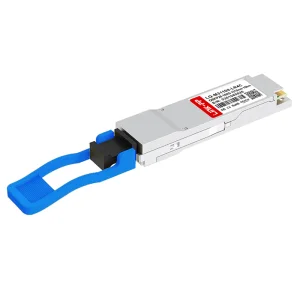
Within Tier-4 data centers, managing thousands of active fiber links requires dense cross-connect structures. High-density angled patch panels eliminate the need for horizontal cable management rings, allowing high-performance transceivers (such as the 25G SFP28 and 100G QSFP28) to route directly into structural distribution zones without causing severe cable strain.
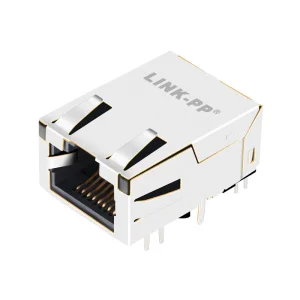
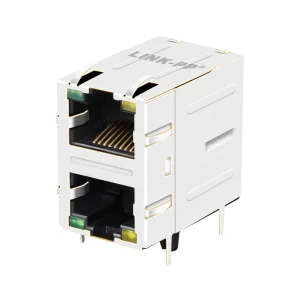
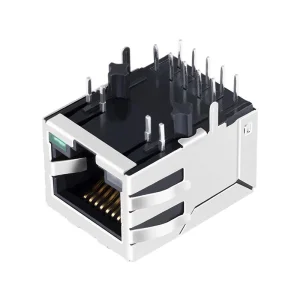
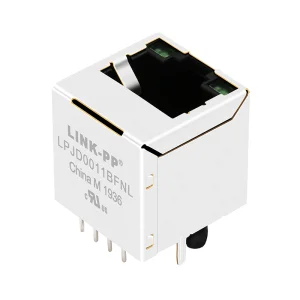
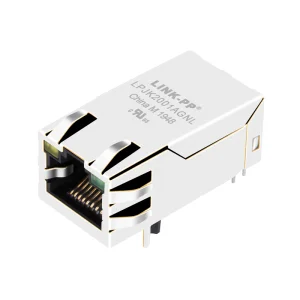
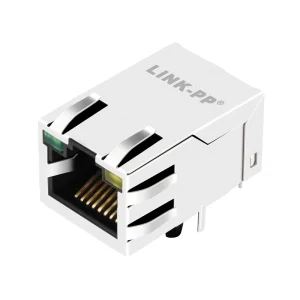
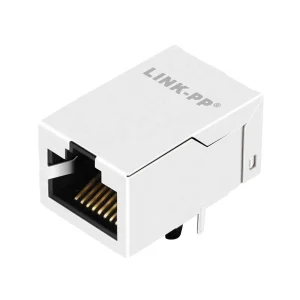
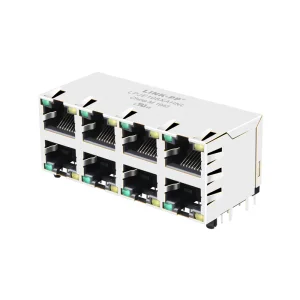
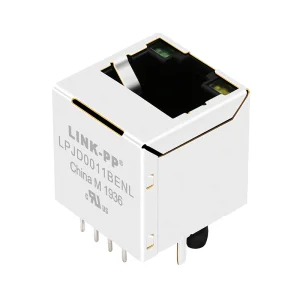
Industrial edge computing units deployed in manufacturing halls or cellular nodes encounter mechanical vibrations and particulate contamination. Sourcing shielded patch bays with dust-tight shutters and industrial-grade RJ45 magnetic connectors (such as Vertical Top Entry Female sockets and shielded RJ45 modules) maintains connection continuity under harsh operational conditions.
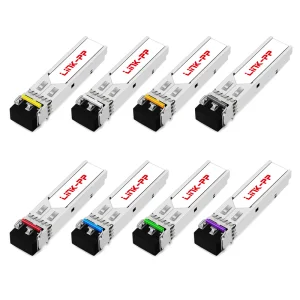
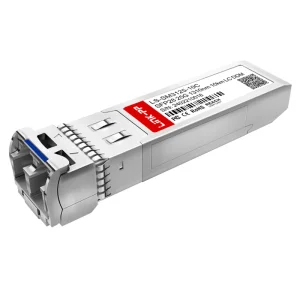
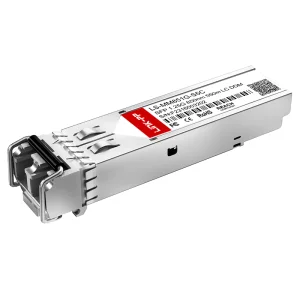
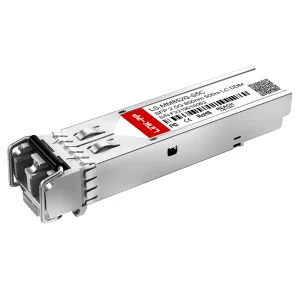
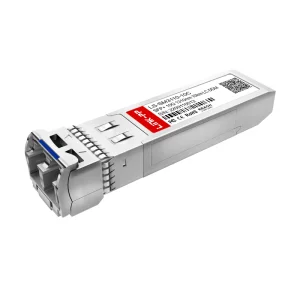
Carrier transport environments depend heavily on clean fiber termination zones. Dynamic optical distribution frames (ODF) integrated with single-mode transceivers (such as the Cisco SFP-25G-LR-S Compatible 10km Module) ensure stable light pathways over long distances, providing regional backbones with consistent throughput levels.
Every single product undergoes an exhaustive testing sequence managed by 35 dedicated QC professionals to guarantee failure-free network performance.
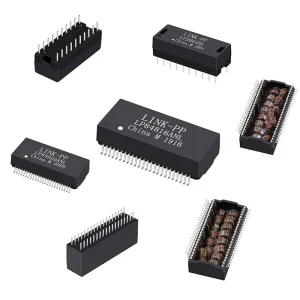
100% of raw inputs are systematically screened. Sub-components, including printed circuit boards, modular housings, internal magnetic cores, and transceiver optics, undergo dimensional verification and alloy composition scanning prior to assembly line release.
High-resolution camera grids inspect contact layouts, pin orientations, and solder connections down to micro-millimeter thresholds. By identifying structural defects early, we eliminate potential high-resistance joints and signal-loss anomalies.
Optical systems undergo strict verification cycles including Bit Error Rate (BER) analysis, Eye Diagram profiling, and Insertion/Return Loss mapping. These evaluations guarantee compatibility with switches and routers under full duplex loads.
Our components are engineered for deployment globally. Thermal cycle cabinets test components between extreme ranges (-40°C to +85°C) to prevent micro-contraction faults and housing fatigue across diverse climates.
To avoid handshake issues on optical lines, transceivers undergo EEPROM coding sweeps. These tests ensure immediate recognition when installed in hardware from brands like Cisco, Juniper, Arista, and HP.
Driven by 60 optical engineers, OptiLinker launched 120 new products over the last year alone, offering high technical agility to address changing market requirements.
Industrial-grade components supporting scalable telecom platforms and enterprise data consolidation
Resolving core procurement challenges and installation inquiries for engineering executives.
Inside our high-precision assembly lines, testing cleanrooms, and automated product verification workspaces.