OptiLinker
OptiLinker
OptiLinker
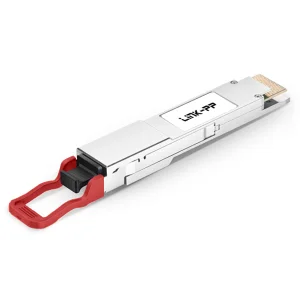
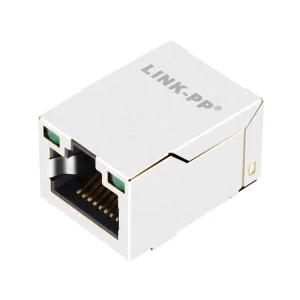
In modern data centers, telecom networks, and high-performance smart office buildings, the physical layer is the foundation of digital stability. As bandwidth expands from standard 1G copper Ethernet to massive 10G copper and 400G QSFP-DD optical lines, even a minor impedance variation, connector misalignment, or cable degradation can trigger severe packet loss, latency spikes, and system outages.
An industrial-grade Network Cable Tester is not merely a tool for continuity checks. It is an analytical instrument engineered to evaluate insertion loss, near-end crosstalk (NEXT), return loss, propagation delay, and overall cable certification parameter compliance (such as Cat6, Cat6A, Cat7, and Cat8 specs). Selecting a manufacturer with deep roots in physical-layer component engineering guarantees that your diagnostic instruments are designed with a fundamental understanding of signal integrity.
Professional testers emit highly precise electrical pulses down the conductor core. By calculating the amplitude and delay of returning reflections (impedance changes), the tester determines the exact location of open circuits, shorted pairs, split pairs, and water ingress in real-time.
Near-End Crosstalk (NEXT) and Far-End Crosstalk (FEXT) measure electromagnetic leakage between twisted pairs within a single jacket. Our testing models analyze structural balance up to 2000 MHz, ensuring compatibility with Category 8 channels running high-density packets.
Under IEEE 802.3af/at/bt specifications, modern testing requires drawing actual power from the Power Sourcing Equipment (PSE). Our testers measure real-time DC voltage drops, current delivery, and physical wire configurations to prevent equipment damage.
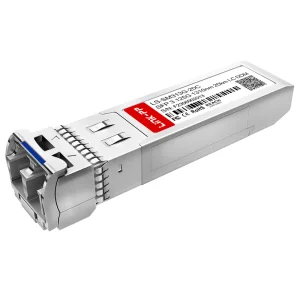
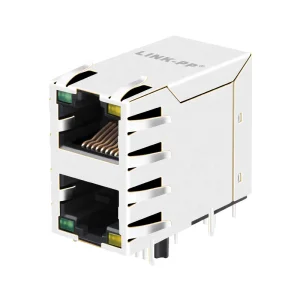
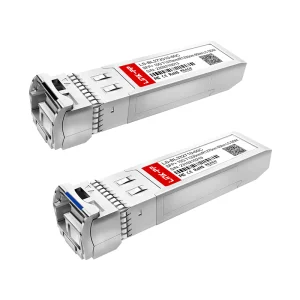
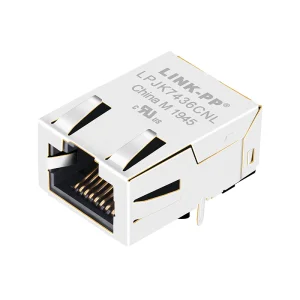
An advanced physical layout often deploys media converters and hybrid systems. OptiLinker leverages over 12 years of optical transceiver manufacturing (producing high-performance components like the 10G SFP+ 60km module and 400G QSFP-DD) to integrate dual-medium diagnostic functions. Network administrators can verify copper wiremaps through heavy-duty RJ45 connectors and simultaneously analyze SFP+ active transceiver power parameters using single instrument configurations.
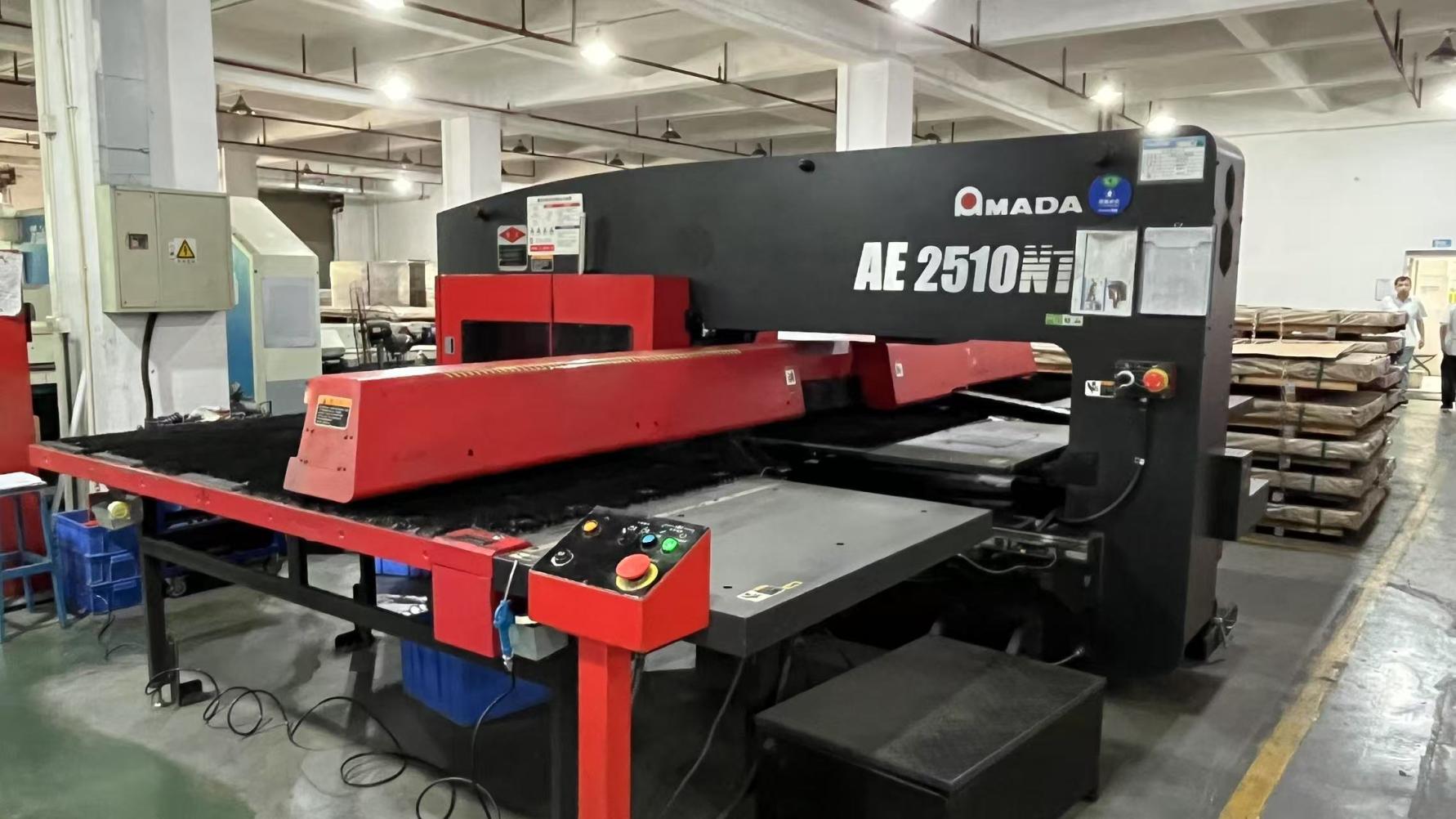
OptiLinker Optoelectronics Co., Ltd. (OptiLinker), founded in 2016, has developed into an elite supplier within China's network infrastructure ecosystem. Based in a modern facility with structural component labs, we maintain a vast partner network of over 850 raw material suppliers. This extensive footprint ensures stable production volume even when global semiconductor or copper markets experience volatility.
Our export portfolio represents an annual volume of approximately USD 12 million, with critical customer installations in North America, Europe, Southeast Asia, and the Middle East. Operating a tight production lifecycle enables us to provide flexible OEM/ODM modifications, custom firmware development, and bespoke enclosure designs to international distributors.
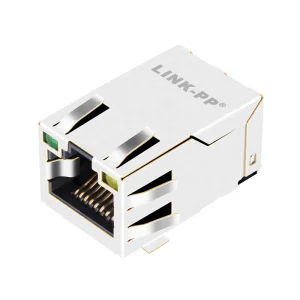
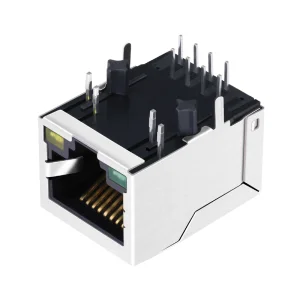
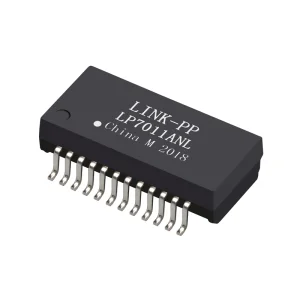
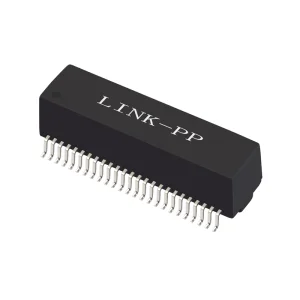
Our facility operates 100% incoming material inspection, AOI automated optical inspection, and full performance testing including BER testing and eye-diagram checks to ensure physical network components like SMT RJ45 Female Connectors and Magnetic Transformers exceed industry standards.
Enterprise operations demand local compliance and seamless user interfaces to reduce onboarding overhead.
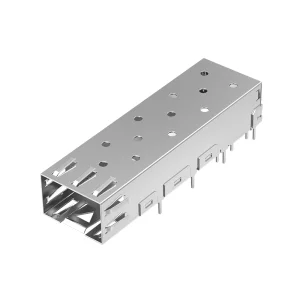
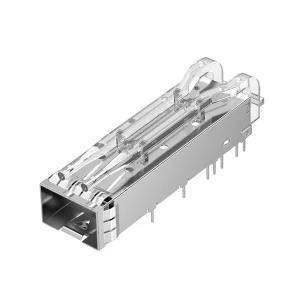
OptiLinker testers conform strictly to international safety and emission standards, including FCC Class B, CE, RoHS, and UKCA certifications. We ensure that shielding components on our structural RJ45 elements (such as the EMI Shielded THT Soldering SFP Cage) prevent electromagnetic interference with surrounding equipment, providing a clean electrical baseline for diagnostic assessments.
Our testers are deployed globally, featuring multi-lingual software localizations including English, German, French, Spanish, Japanese, and Arabic. We offer OEM partners the ability to customize calibration constants, startup graphics, and localized reports that integrate directly with enterprise ERP field management tools.
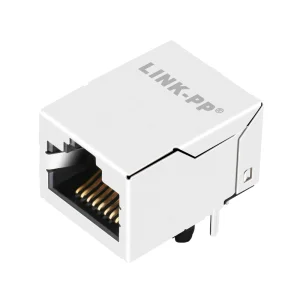
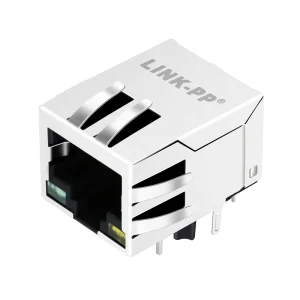
In environments deploying high-speed links, cable testers verify physical connection integrity prior to provisioning. Techs trace connections through dense server racks using patch bays built with components like the Low Profile Female RJ45 Connector, identifying structural wire crimps that may limit link speeds.
Outdoor security arrays utilizing PoE cameras require stable voltage over extended runs. Our testers assess loop resistance and verify that inline magnetic transformers are delivering correct voltage configurations without overheating the conductor cores.
Field engineers use hybrid diagnostic equipment to measure optical signal losses at the termination point. Confirming connection purity across simplex LC SMF fibers ensures transceiver links (like the 155M BiDi 1x9 Optical Transceiver) operate with zero packet errors.
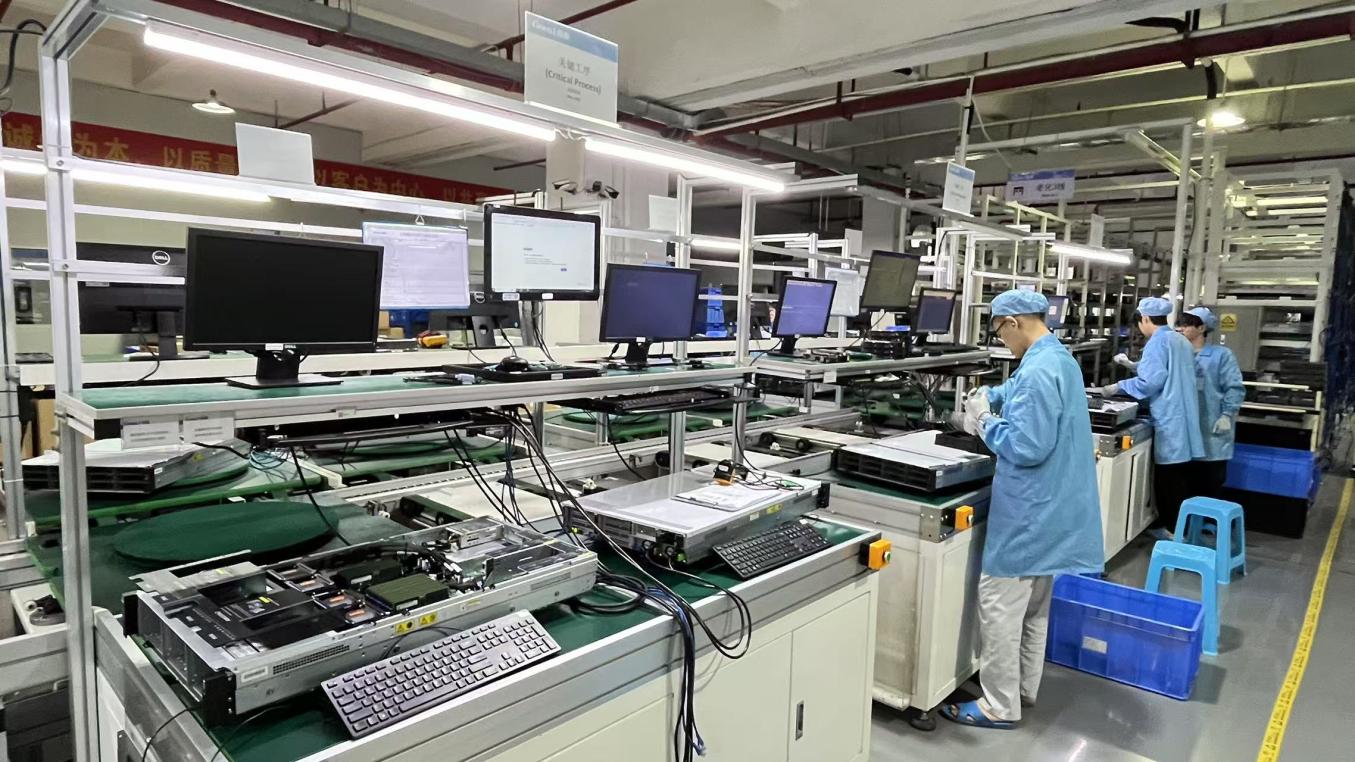
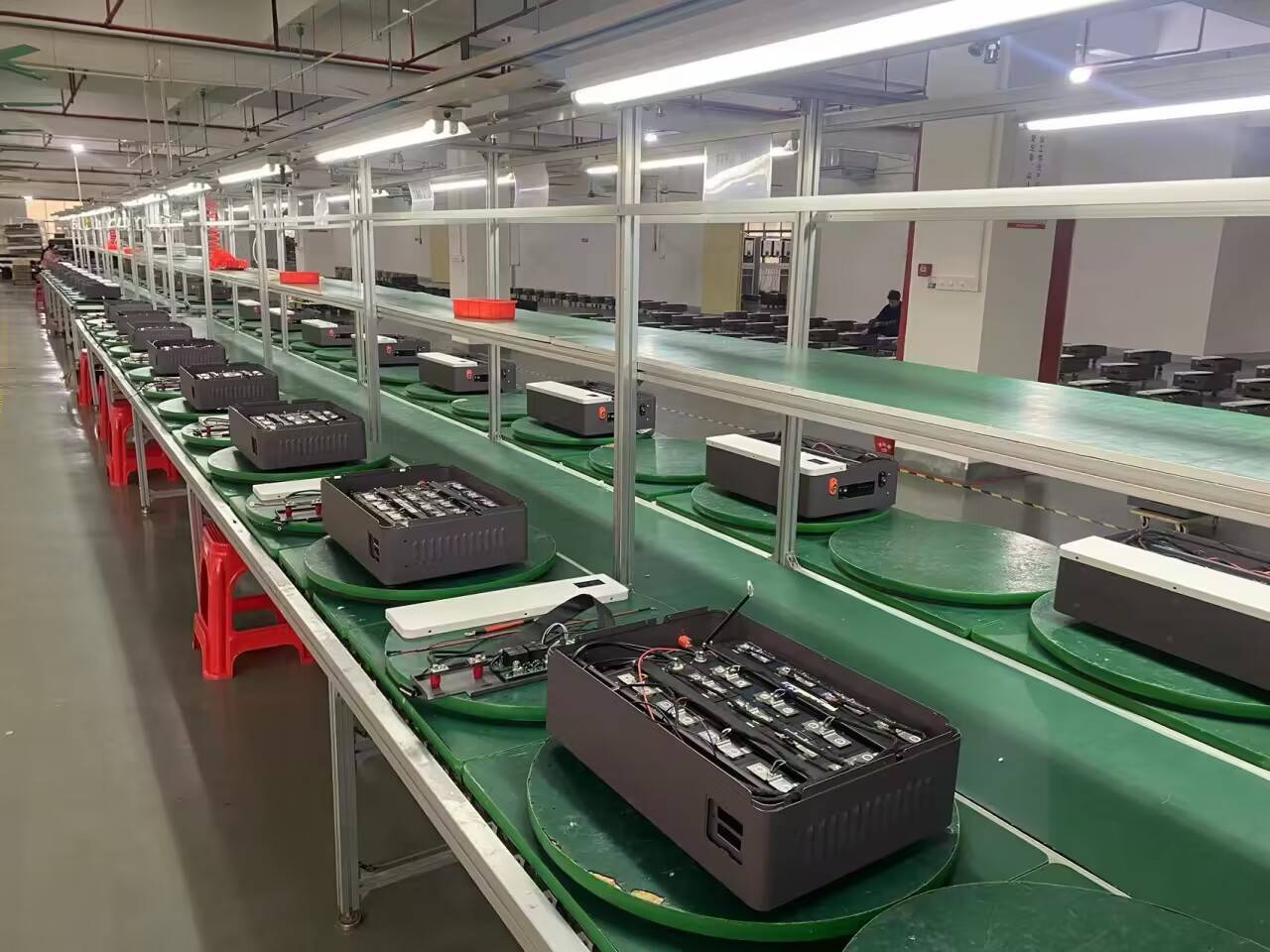
The networking landscape is shifting towards modularity and higher frequencies. With the rollout of WiFi 7 and advanced data architectures, legacy Category 5e and Category 6 cables are being retrofitted or replaced with Category 6A, Category 7, and Category 8 components. Consequently, tester manufacturers must adapt, ensuring diagnostic units can verify higher frequencies (up to 2 GHz) and operate with minimal internal crosstalk.
OptiLinker continues to track these shifts, engineering testing products that verify signal integrity across complex paths. By maintaining close ties between components like High-Speed RJ45 Magnetic Connectors and diagnostics tools, we ensure structural elements and test instrumentation evolve in tandem.
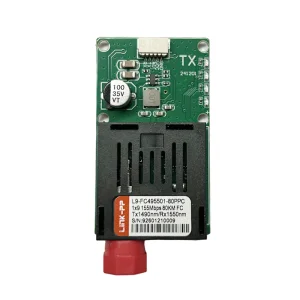
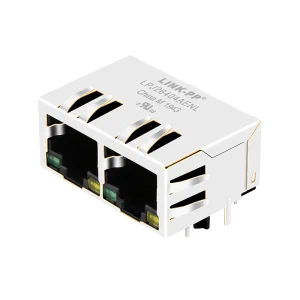
OptiLinker Optoelectronics Co., Ltd. is a professional optical transceiver manufacturer and solution provider under the brand OptiLinker (www.optilinkertrans.com), specializing in high-speed optical communication modules for global data center and telecom applications.
Founded in 2016, OptiLinker operates a modern production facility with a total building area of approximately 320㎡. With continuous development in optical communication technology, the company has accumulated over 12 years of industry experience and approximately 8 years of export experience.
In the past year, OptiLinker achieved an annual export revenue of around USD 12 million, serving customers across North America, Europe, Southeast Asia, and the Middle East. The company maintains a strong global B2B trade background, focusing on OEM/ODM partnerships with network infrastructure providers.