OptiLinker
OptiLinker
OptiLinker
High-performance Ethernet transceivers, standard MagJack RJ45 interfaces, and high-frequency SFP/SFP28 cages engineered for modern networking infrastructures.
OptiLinker Optoelectronics provides the baseline data proving our commitment to production excellence, technology innovation, and structural scalability.
In the era of hyper-scale hyperscale data centers, 5G cellular communication, edge computing networks, and industrial IoT (IIoT), the physical layer (Layer 1) remains the critical link determining overall system latency, packet error rate, and throughput capabilities. As global communication infrastructures migrate from traditional gigabit bandwidths toward 100G, 400G, and even 800G transmission planes, the demand for precision-engineered Ethernet connectors and high-speed cages has skyrocketed.
This industry whitepaper explores the critical intersection of mechanical engineering, electronic signal integrity, and supply chain logistics that defines modern China wholesale Ethernet connector manufacturing. Under the E-E-A-T framework, we dissect how advanced fabrication plants in China optimize these interfaces to meet international IEEE, RoHS, and MSA standards while ensuring stable deployment across critical application scenarios globally.
The global interconnect market is undergoing a structural transition driven by the demands of AI compute clusters and high-density networking arrays. Historically, standard RJ45 connectors served as the ubiquitous standard for localized networks. However, modern industrial environments require specialized variations:
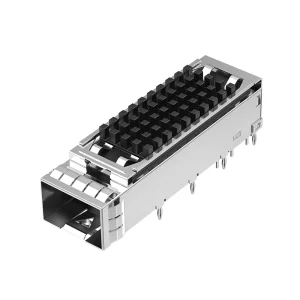
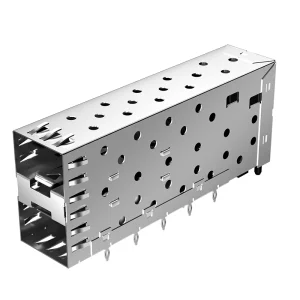
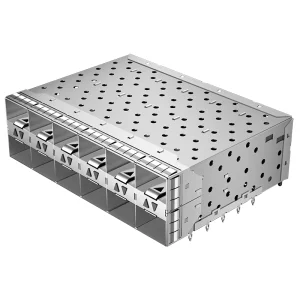
SFP, SFP+, and SFP28 stacked configurations (such as 2x1 and 2x6 architectures) optimize faceplate real estate in switches and network interface cards (NICs), enabling high-speed optical module integration.
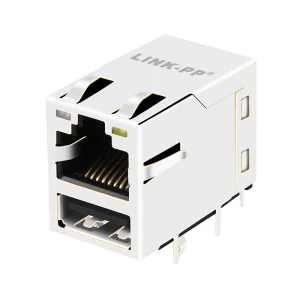
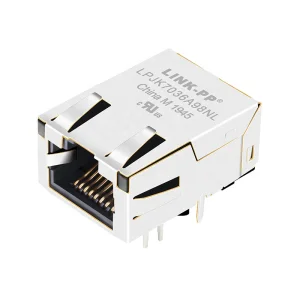
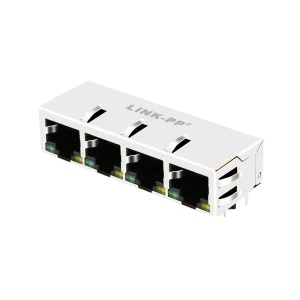
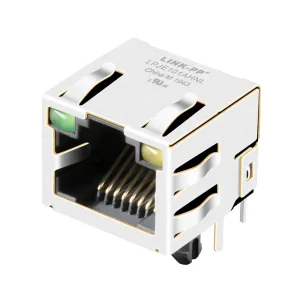
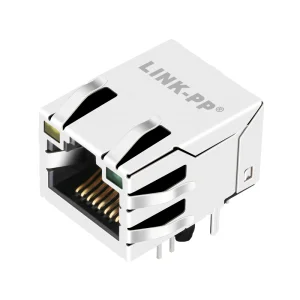
Also known as MagJacks, these components combine standard RJ45 structures with internal transformers, chokes, and capacitors to provide electrical isolation, EMI filtering, and ESD protection directly on the PCB interface.
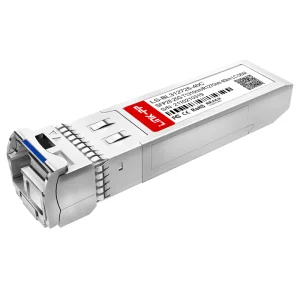
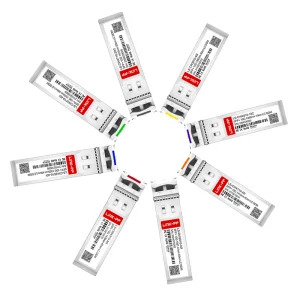
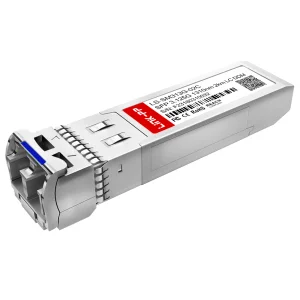
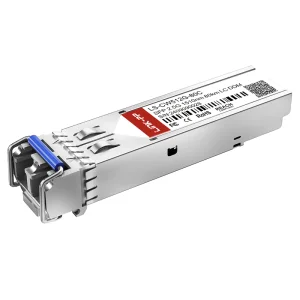
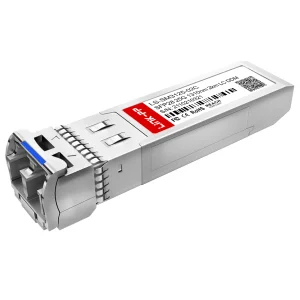
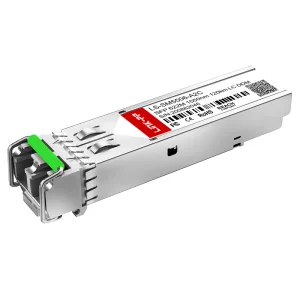
Active optical components, including CWDM and BiDi transceivers, enable fiber optic transmission lines to extend up to 120km, supporting data backhauls and cross-provincial network structures.
From a commercial perspective, supply chain executives prioritize multi-port adaptability and backward compatibility. For instance, the transition from zSFP+ to SFP28 configurations demands precise tolerance matching and mechanical press-fit alignment. If a cage does not possess strict compliance with Multi-Source Agreements (MSA), system integrators risk thermal bottlenecks, elevated signal degradation, and connector fatigue over repeated insertion cycles.
China's dominance in the wholesale production of Ethernet components is not merely a product of labor scaling. It is built upon vertical integration, centralized supply ecosystems, and highly automated verification pipelines. Major production centers like those operated by OptiLinker Optoelectronics Co., Ltd. showcase the advantages of local manufacturing clusters:
To establish true authority (E-E-A-T), a connector is not just a plastic housing containing metal contacts; it is a critical waveguide for high-frequency electrical signals. Several engineering criteria determine its real-world performance:
In high-speed lines (like 25Gb/s channels in SFP28 modules), maintaining a continuous 100-ohm differential impedance is paramount. Any geometrical mismatch in the contact interface creates reflections (measured as Return Loss), which corrupts the data stream. By simulating designs using advanced Finite Element Method (FEM) tools, engineers optimize the shape, length, and positioning of internal copper pins to prevent impedance dips and peaks.
Unshielded Ethernet paths act as antennas radiating radio frequencies. To achieve compliance with FCC Class B and EN 55022 parameters, high-quality cages utilize EMI spring fingers or elastomeric conductive gaskets. These contacts bridge the physical gap between the connector body and the chassis panel, channeling stray high-frequency currents safely to the system ground.
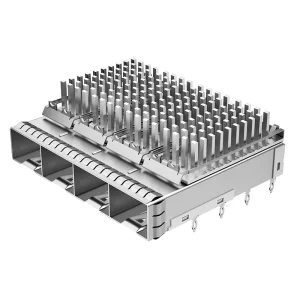
As optical transceivers operate at high speeds, their internal laser diodes (like CWDM or BiDi setups) generate substantial heat. Active thermal dissipation is facilitated by integrating optimized heat sinks directly onto the cage structures (such as seen in the U77-E16E8-2001 SFP+ cage model). This prevents thermal runaway in high-density switch boards and maintains the operating environment of transceiver modules within standardized bounds (0°C to 70°C for commercial grade, -40°C to 85°C for industrial grade).
Depending on the geographic region and operational environment, Ethernet and fiber connect systems must adapt to varying deployment constraints. The following table showcases typical localized applications for our manufactured product range:
| Application Vertical | Key Connector Challenge | Optimal Product Solution |
|---|---|---|
| Hyperscale Data Centers | Maximizing port density & ensuring low thermal resistance. | SFP28 Stacked 2x6 Cages & 25G Optical Transceivers. |
| Industrial IoT & Automations | High vibration, debris intrusion, and electric noise (EMI). | Through-Hole MagJack Connectors (LPJE101AHNL) with LED indicators. |
| Telecom Access Networks | Extending transmission distance while preserving fiber cores. | BiDi Simplex LC Optical Transceivers (1310nm-TX/1270nm-RX). |
| Consumer Network Appliances | Low-profile footprint integration and peripheral expansion. | Low-profile RJ45 with integrated Dual USB 3.0 ports. |
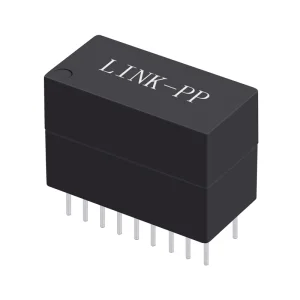
For example, in North American telecom infrastructure upgrades, legacy systems are frequently retrofitted with SFP+ compatible cages featuring integrated heat sinks. Meanwhile, in Southeast Asian smart factory developments, robust RJ45 connections with integrated magnetic transformers (such as HR851110C) protect control boards from high-voltage surges caused by heavy machinery starting cycles.
For procurement directors and network hardware engineering leads, evaluating a supplier requires rigorous verification. The following steps ensure structural reliability and reduce product failure risk:
Inside our specialized factory facilities, where engineering designs translate to scalable, high-performance connectivity components.
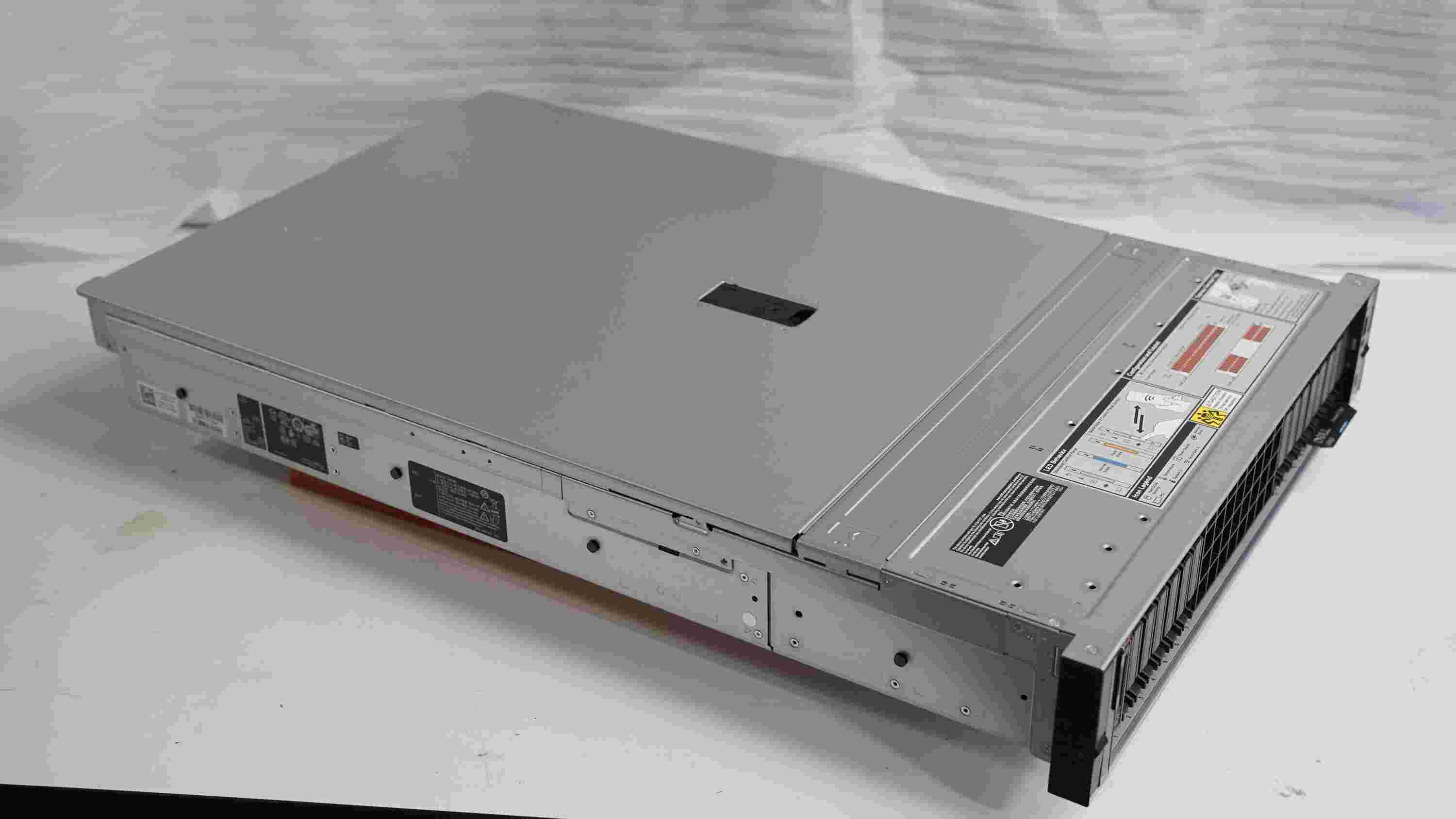
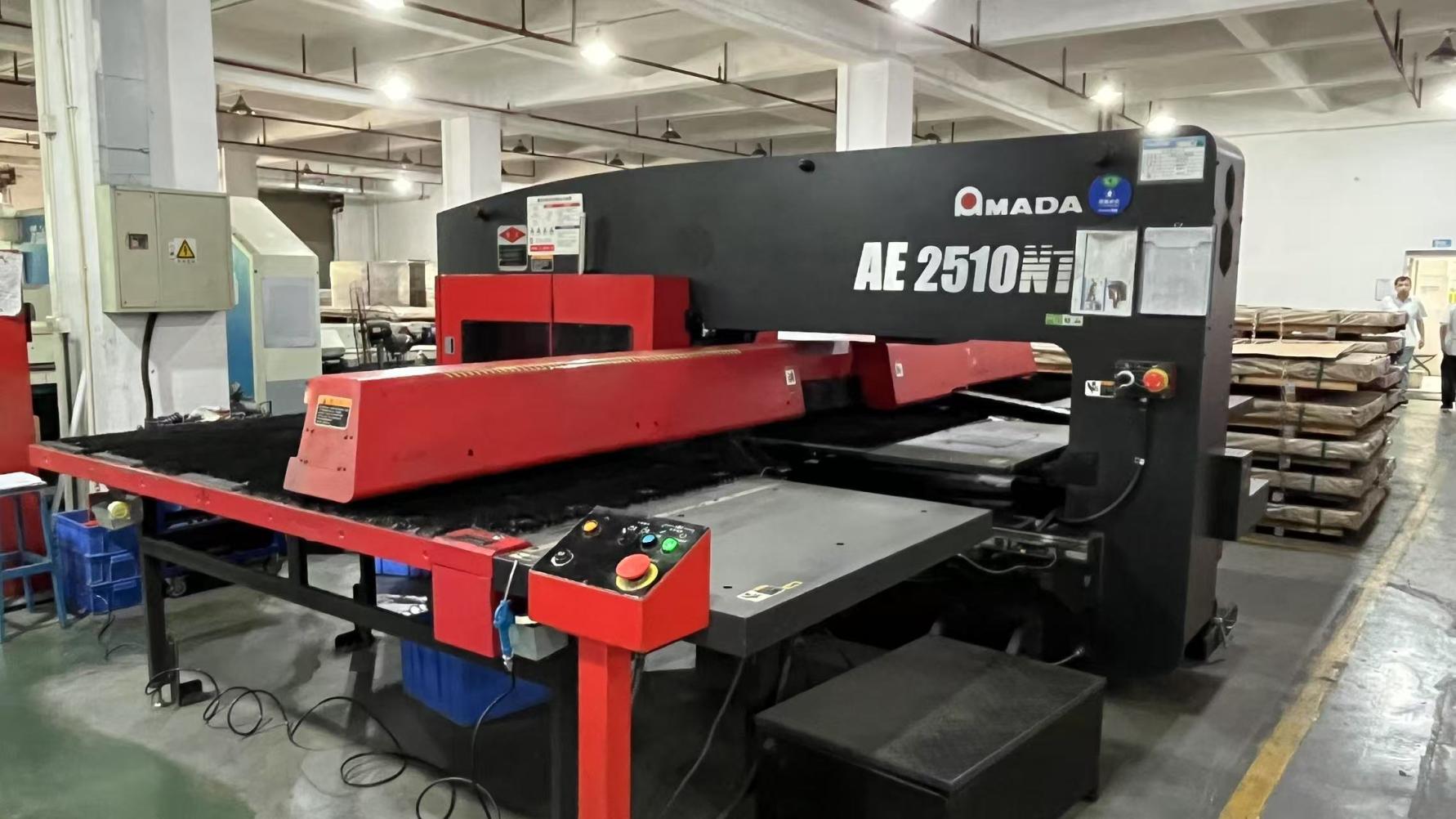
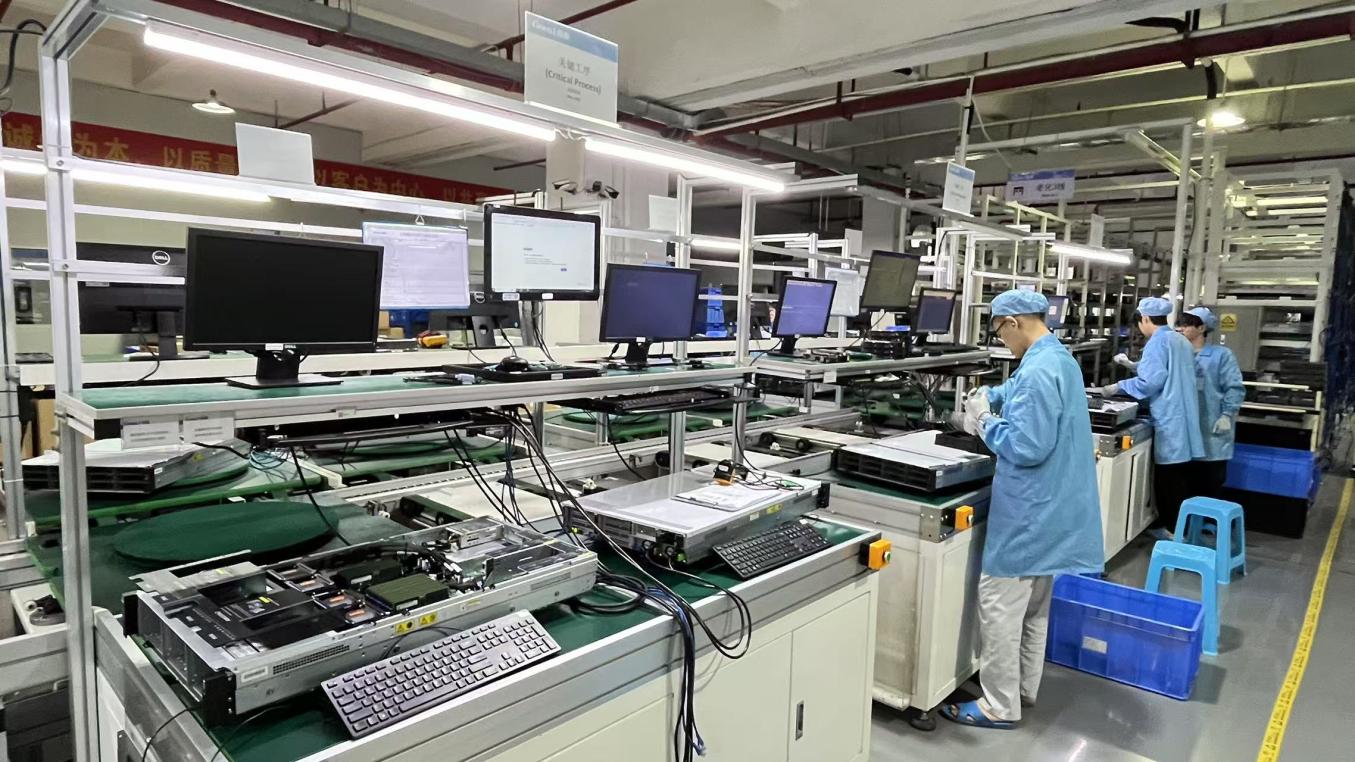
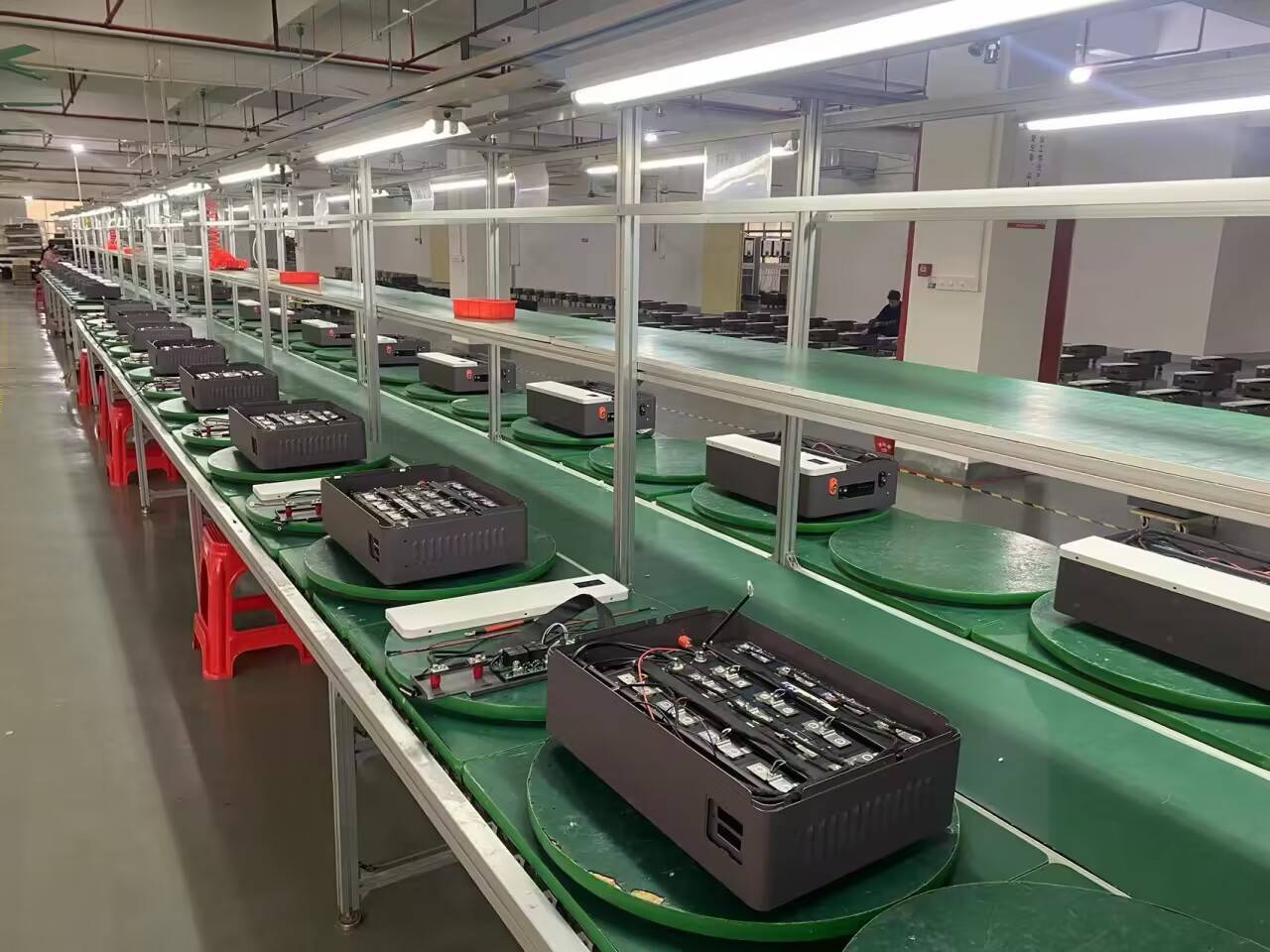
OptiLinker operates a modern production facility featuring a dedicated building layout, integrating optical alignments, laser welding, and automated performance testing units. Supported by a professional R&D group composed of 60 experienced engineers, we handle custom compatibility coding, high-speed circuit simulations, and customized thermal analysis to guarantee robust mechanical layouts and excellent high-frequency characteristics.
Examine our complete selection of optical transceivers, low-profile modular RJ45 sockets, and high-port-density stacked SFP frames designed for your next hardware layout.