OptiLinker
OptiLinker
OptiLinker
High-reliability SFP cages, optical transceiver modules, and Ethernet magnetics optimized for high-density networking architectures.
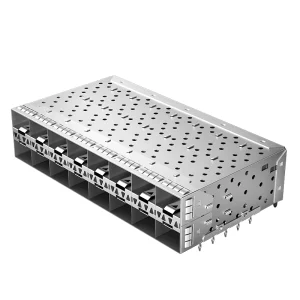
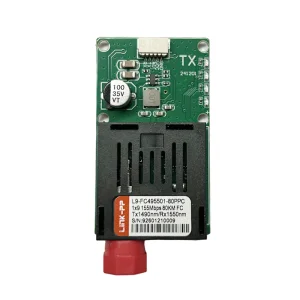
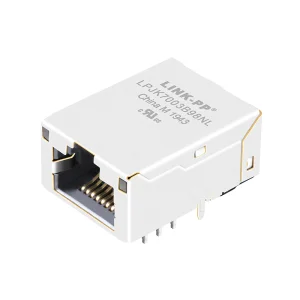
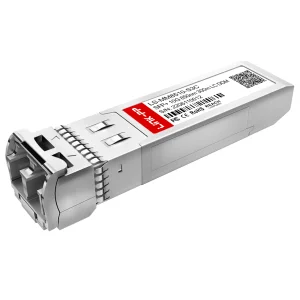
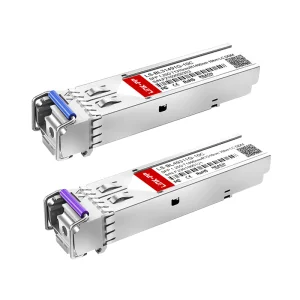
Modern industrial networking environments demand an unprecedented combination of high-speed transmission capacity and extreme physical resilience. As global enterprise networks transition from traditional architectures to automated industrial Internet of Things (IIoT) platforms and high-density virtualization, standard commercial-grade transceivers fall short. Commercial-grade modules are typically designed for temperature-controlled enterprise server closets, whereas industrial modules must operate flawlessly in environments plagued by electrical noise, broad temperature fluctuations, high humidity, and physical vibration.
The global industrial transceiver market has shifted significantly toward standardized CE certified modules. The CE (Conformité Européenne) marking is not merely a label; it represents rigorous alignment with European Union harmonized standards for electromagnetic compatibility (EMC), low voltage directives, and restriction of hazardous substances (RoHS). For system integrators and telecom operators globally, acquiring modules from a verified CE-certified industrial factory ensures hardware compatibility, operational longevity, and regulatory compliance across critical network interfaces.
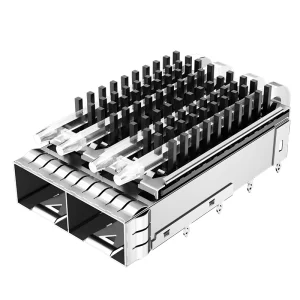
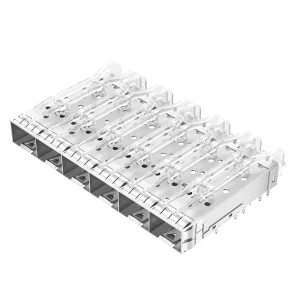
Unlike commercial units that function safely between 0°C and 70°C, true industrial-grade optical transceivers operate within the extended industrial temperature range of -40°C to +85°C. To achieve this, factories must utilize customized hermetically-sealed optical subassemblies (OSA) and implement specialized thermal dissipation models within the physical metal housings. Furthermore, advanced EMI-shielding components, such as press-fit SFP+ cages and multi-port ganged configurations, are required to mitigate electromagnetic interference in high-density installations.
OptiLinker Optoelectronics Co., Ltd. (OptiLinker) is a premier manufacturer and integrated solution provider of high-speed optical transceivers, operating under the globally registered brand OptiLinker (www.optilinkertrans.com). Established in 2016, OptiLinker has rapidly grown to support critical digital infrastructure by providing highly reliable optical communication modules tailored specifically for global data centers, metropolitan area networks (MANs), and complex industrial telecom topologies.
OptiLinker's operational core lies in its modern, high-precision cleanroom facility. Spanning a total building area of approximately 320㎡, this facility is optimized for the micro-assembly and high-density testing of optoelectronic components. Over its corporate lifecycle, the company has accumulated more than 12 years of industry experience in optoelectronics design, coupled with 8 years of dedicated export experience to major international markets.
In the past fiscal year alone, OptiLinker recorded an annual export revenue of approximately USD 12 million, proving its status as a trusted, high-volume manufacturing partner. Its robust B2B export background serves major networking sectors across North America, Europe, Southeast Asia, and the Middle East via tailored OEM/ODM arrangements.
Supported by a dedicated R&D team of 60 optical engineers focusing on high-frequency signal integrity, firmware compatibility, and wavelength tuning.
Deploying 35 specialized QC personnel to conduct 100% incoming material inspection, AOI, BER analysis, and high/low temperature cycling.
Leveraging a diversified ecosystem of approximately 850 partners to secure stable raw component sourcing, minimizing lead times.
To keep pace with the shifting digital landscape, OptiLinker prioritizes agile engineering development. In the previous year, the R&D division successfully commercialized and launched 120 new optical transceiver products, meeting modern parameters for high data rates, low power dissipation, and customized multi-vendor compatibility protocols.
The global optoelectronics supply chain has consolidated around key hubs capable of providing rapid prototyping, scalable production, and tight quality loops. China’s manufacturing ecosystem stands at the forefront of this industry. The clustering of component suppliers, automated PCB assembly (PCBA) plants, precision optical bench manufacturers, and specialized packaging testing facilities allows Chinese factories to dramatically reduce development cycle times.
For OptiLinker, operating within this optimized industrial cluster yields direct benefits for global buyers:
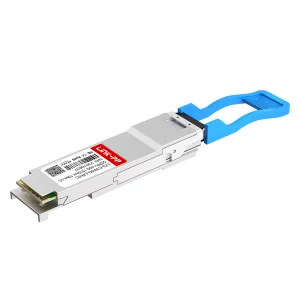
As industry standards progress from 10G and 25G architectures toward 100G, 400G, and 800G coherent optics, OptiLinker utilizes its local supply relationships and testing capacities to produce highly complex form factors—such as QSFP28 LR4 and QSFP+ modules—that comply fully with industrial operating requirements.
True industrial transceivers and connection components find application in demanding real-world deployment contexts where network failure is not an option. Key localized scenarios include:
Electrical substations produce severe electromagnetic interference (EMI). Implementing shielded SFP+ cages (such as TE replacement cages) and optical transceivers isolates network links, preventing data packet corruption in high-voltage switchgear environments.
Roadside traffic controllers, tolling booths, and railway signaling cabinets are exposed to extreme environmental conditions. Utilizing wide-temperature SFP BiDi modules allows single-fiber transmission over distances up to 20km/80km without requiring outdoor enclosure cooling units.
With high-density server rack setups, airflow restriction requires cages with integrated heatsinks and light pipes. OptiLinker's multi-port SFP+ cages enable high physical layout densities while maintaining thermal reliability and providing active visual port-status indicators.
Furthermore, marine systems, oil and gas exploration networks, and underground mining operations depend heavily on rugged optical fiber links to maintain high-throughput communications back to processing nodes, making durable component selection a primary design parameter.
When sourcing industrial transceivers and modular components, global enterprises must move beyond unit price analysis. A complete assessment of Total Cost of Ownership (TCO) requires evaluation of the following variables:
Addressing the critical questions of network engineers and procurement officers regarding industrial transceivers.
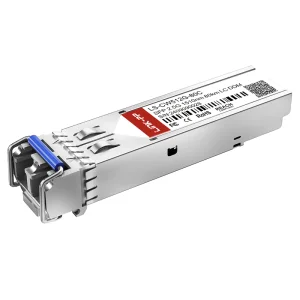
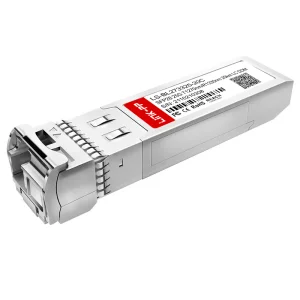
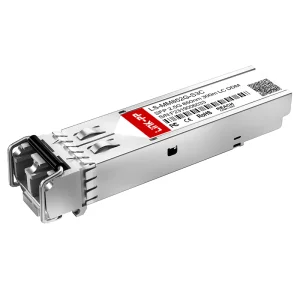
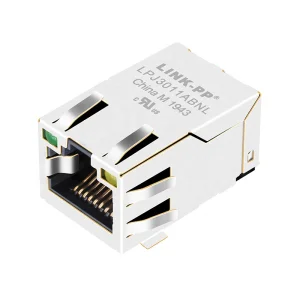
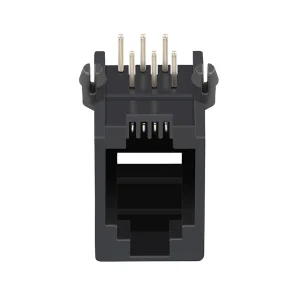
Further exploration of our industry-leading optical connectivity portfolio, including QSFP28, BiDi SFP modules, and modular copper connectivity.
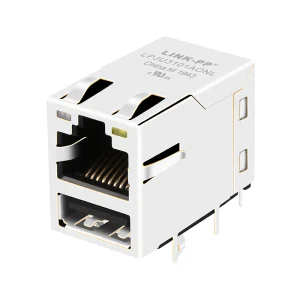
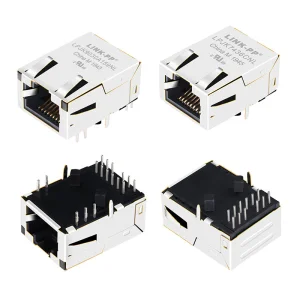
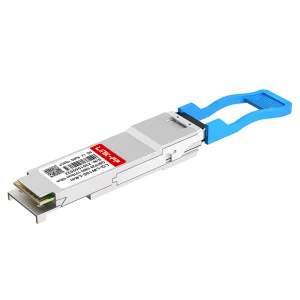
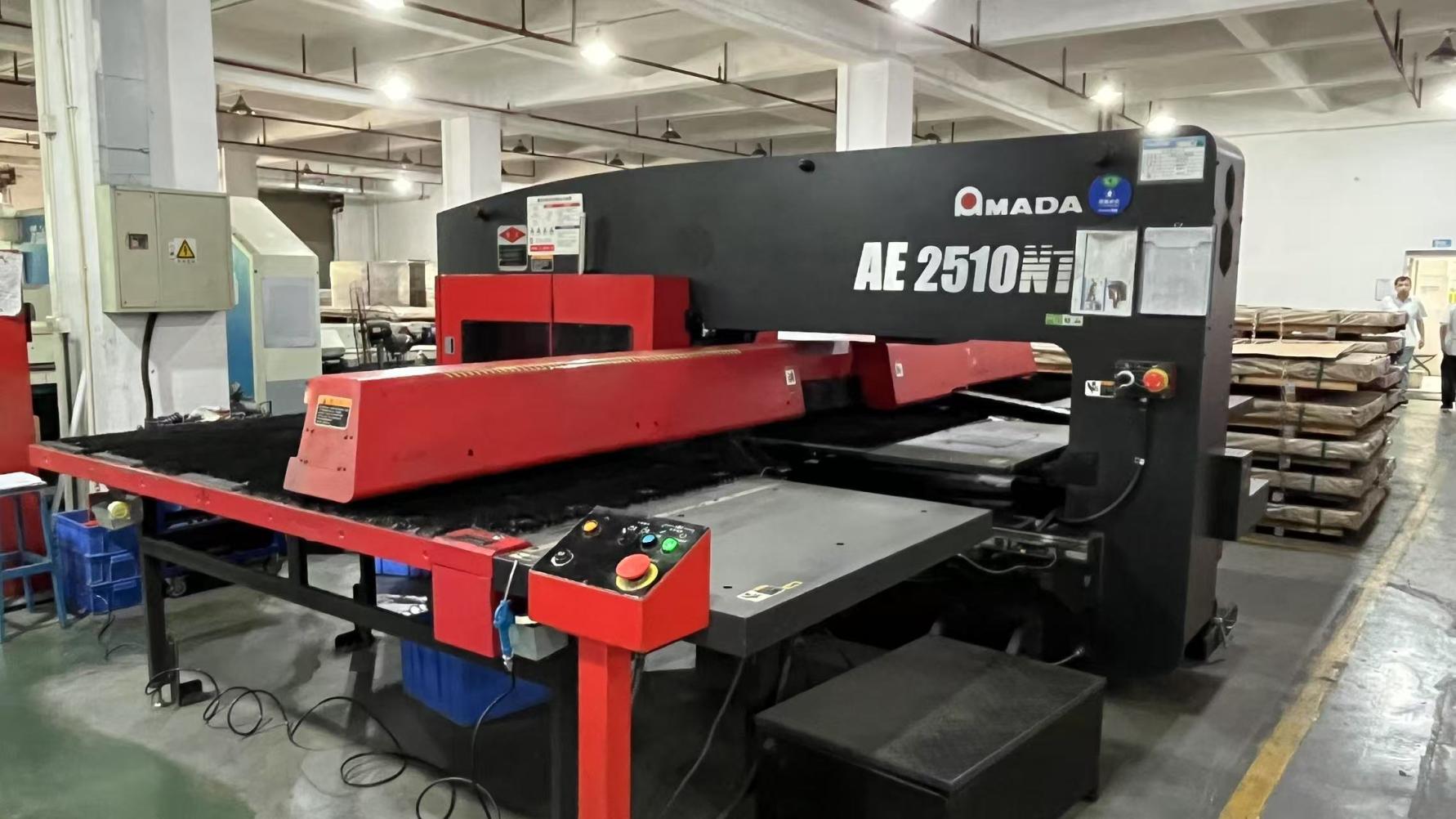
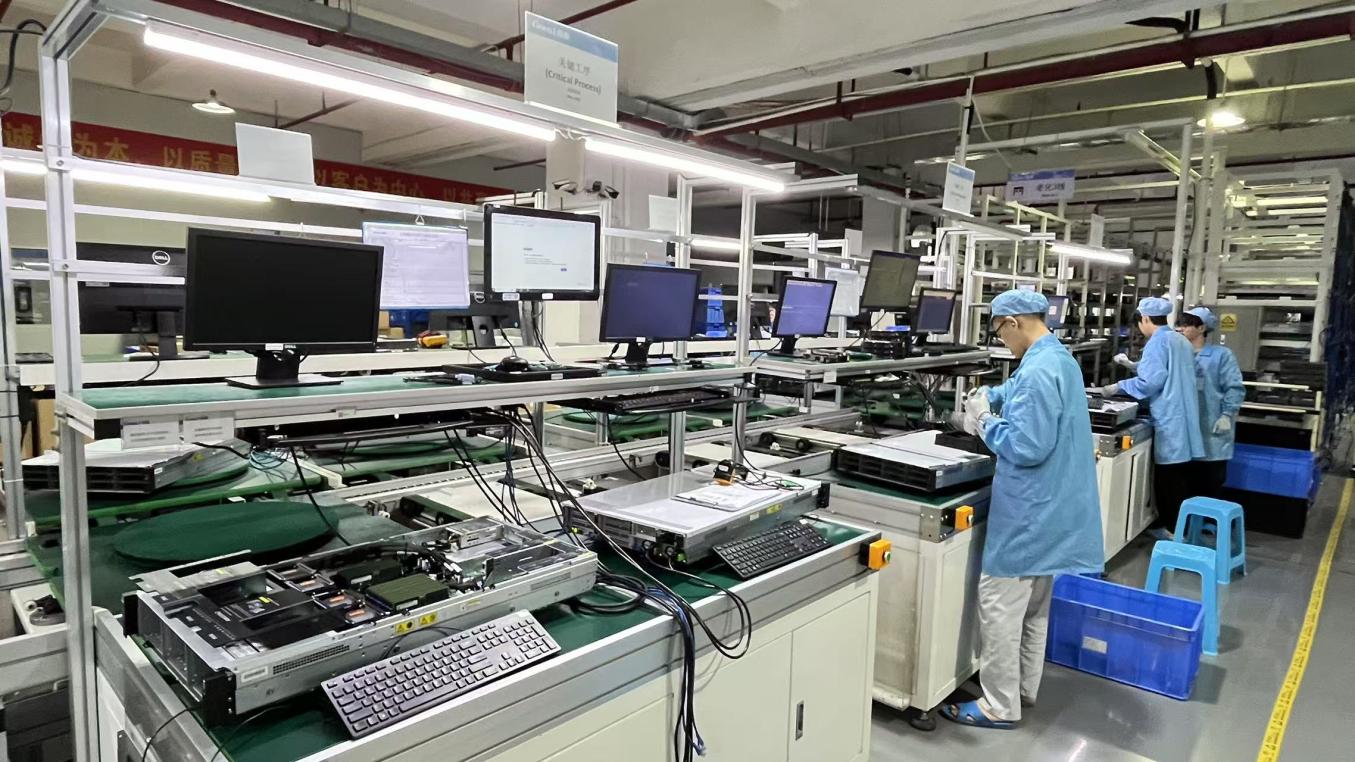
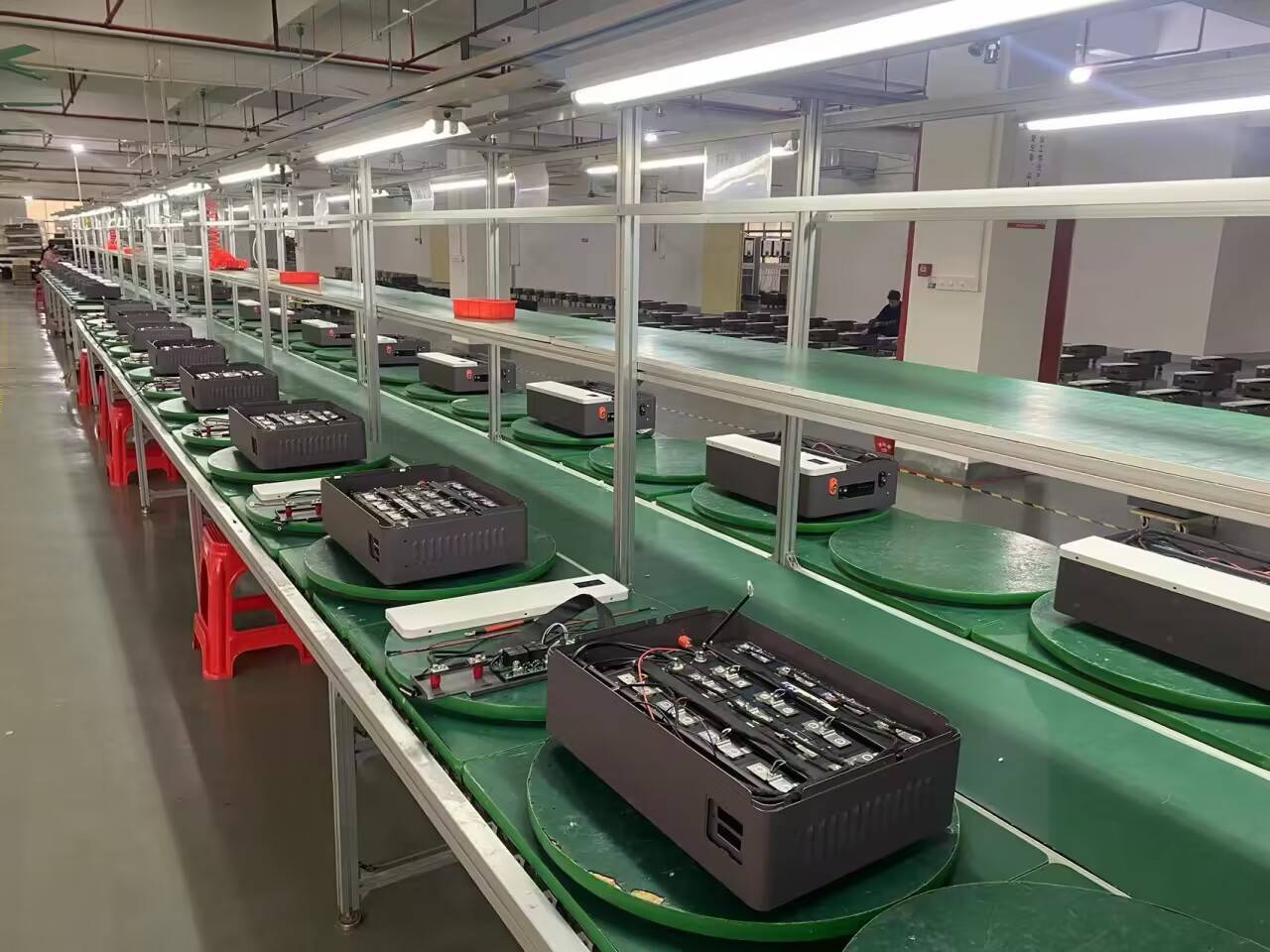
A glimpse inside our ISO-compliant manufacturing cleanroom, quality inspection lines, and high-frequency wave-testing equipment setups.