OptiLinker
OptiLinker
OptiLinker
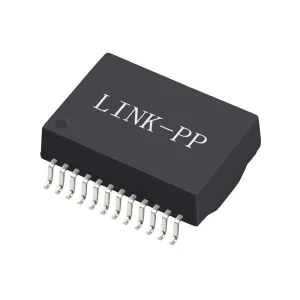
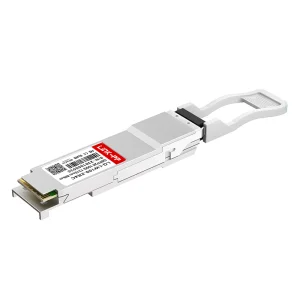
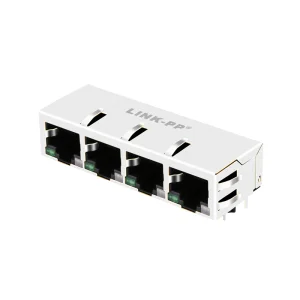
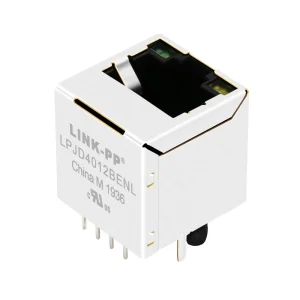
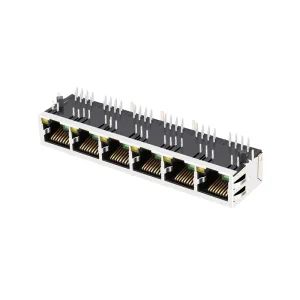
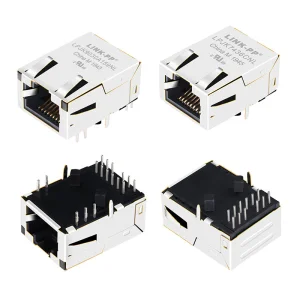
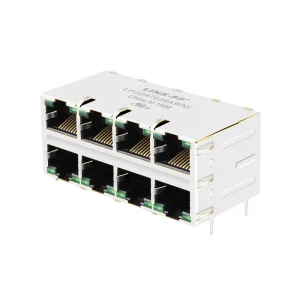
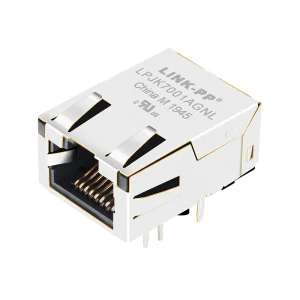
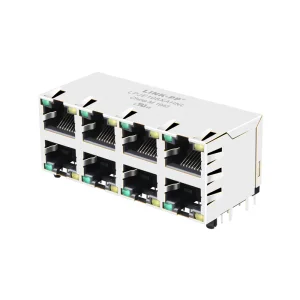
In enterprise networking, Link Aggregation (IEEE 802.3ad/IEEE 802.1AX) is traditionally understood as a protocol-level mechanism handled by switches and network operating systems to group multiple physical Ethernet links into a single logical channel. However, the true hardware performance of link aggregation depends fundamentally on physical layer connections. An **RJ45 Link Aggregation Module** acts as the foundational hardware component that enables multi-port systems to maintain signal integrity, manage thermal dissipation, prevent crosstalk, and support the raw throughput required when grouping multiple 1G, 2.5G, 5G, or 10G Base-T ports.
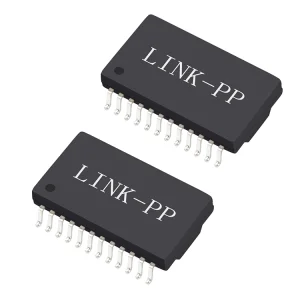
To successfully combine ports without packet loss or signal degradation, the layout design inside physical connectors must be engineered to mitigate electromagnetic interference (EMI). The integrating of magnetics directly into multi-port RJ45 connectors (Integrated Connector Modules, or ICMs) ensures that high-density switch ports can run at full capacity simultaneously. Our components represent the peak of high-frequency magnetic designs, integrating isolation transformers and common mode chokes that guarantee smooth operation across aggregated physical links.
When multiple RJ45 ports are bundled using LACP (Link Aggregation Control Protocol), any micro-level signal drop or phase delay in a single port can cause the switch to drop the link from the bundle, triggering packet re-transmission and degrading system bandwidth. A specialized RJ45 link aggregation module minimizes crosstalk and phase shift between adjacent ports, ensuring physical layer reliability.
An optimized multi-port RJ45 module integrates several key elements into a singular, space-saving PCB layout. It is not simply a housing; it is an active filter and shield. Key components include:
| Interface Type | Supported Data Rates | LACP Compatibility | EMI Immunity | Power Delivery (PoE) | Typical Applications |
|---|---|---|---|---|---|
| Multi-port RJ45 ICM (Integrated Magnetics) | 100M / 1G / 2.5G / 5G / 10G | Excellent (Low Phase Shift) | High (Internal Shielding) | Supported (PoE/PoE+ up to 90W) | Switch Stacking, Edge Servers, High-density Routers |
| SFP+ / SFP28 Cage + Direct Attach Copper (DAC) | 10G / 25G | Excellent | Very High (Direct Shield) | Not Supported | Top-of-Rack Switch Aggregation, Core Networking |
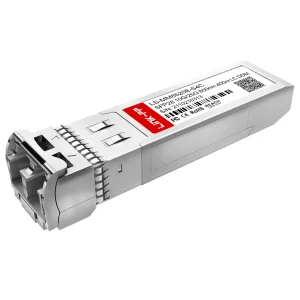
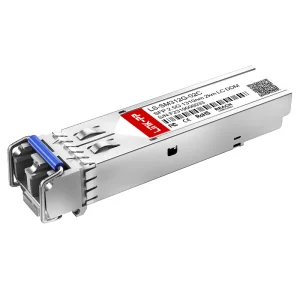
| Optical Transceiver (SFP/QSFP) + LC SMF | 1G up to 100G / 400G | Excellent | Absolute (Optical Isolation) | Not Supported | Inter-facility Links, Enterprise Uplinks, Data Centers |
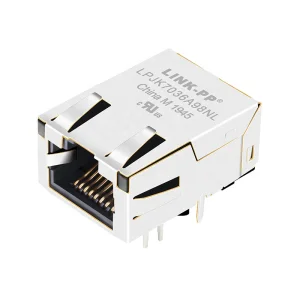
| Standard RJ45 (Without Magnetics) | 10M / 100M / 1G | Moderate (Risk of EMI Failures) | Low | Requires external magnetic setup | Consumer Devices, Basic Network Terminals |
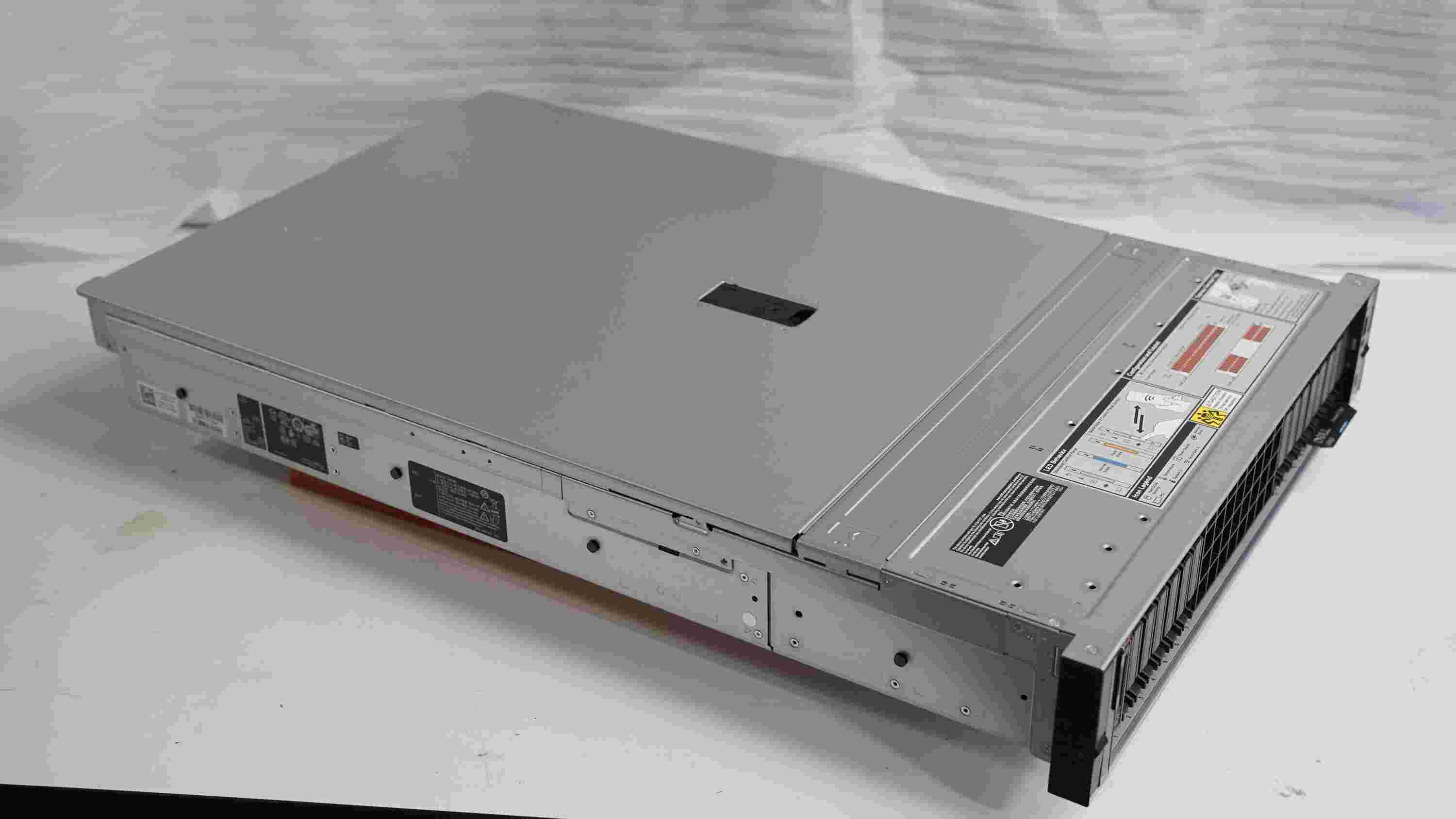
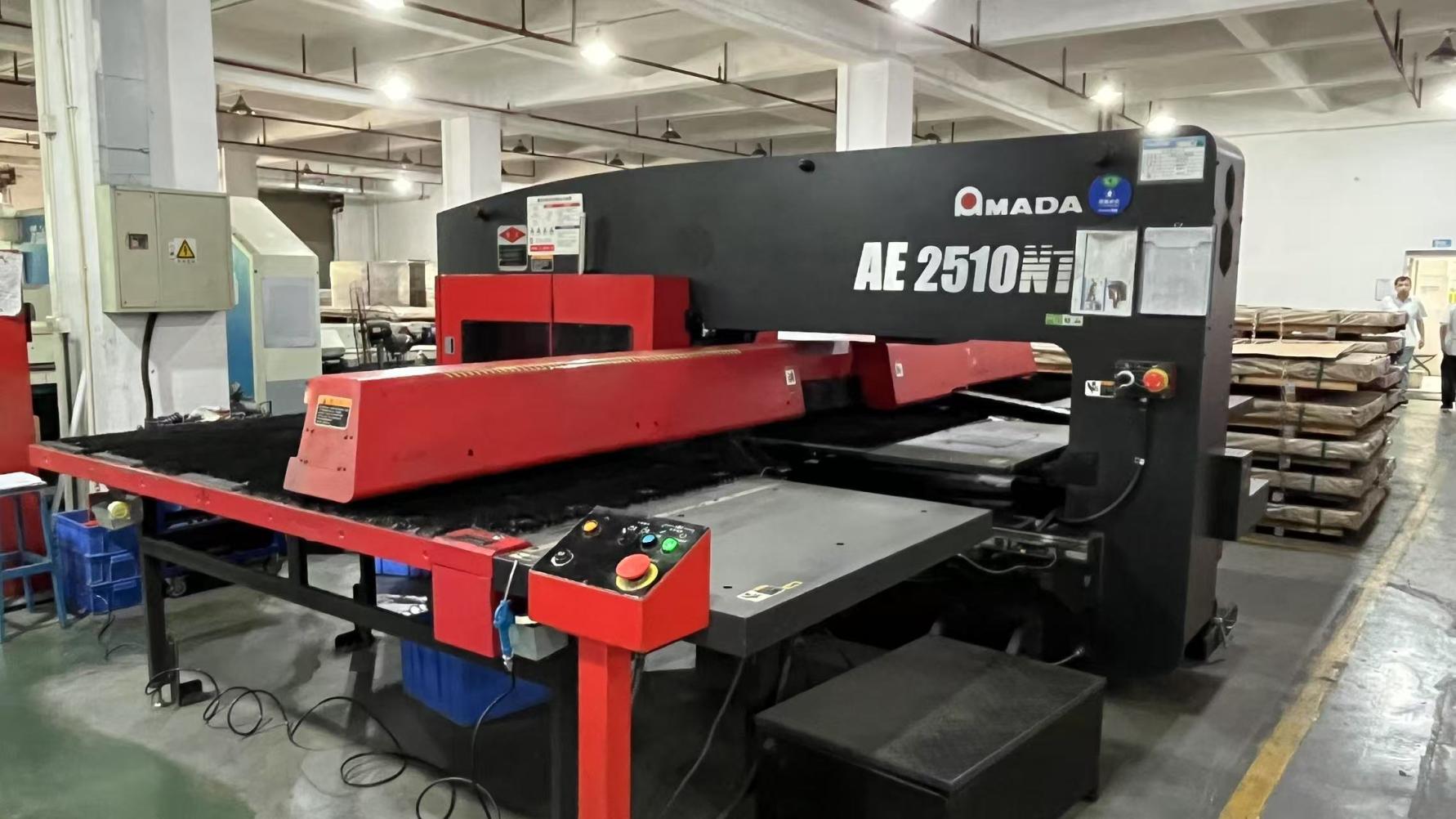
In the highly specialized field of telecommunications component manufacturing, China holds a unique and irreplaceable position. The cluster of raw material suppliers, automated optical inspection (AOI) technology providers, and precision injection molding factories located within China's tech hubs enables OptiLinker to deliver ultra-reliable networking modules at scale. Our supply chain configuration allows for immediate sourcing of high-permeability magnetic cores, low-loss PCBs, and precision gold-plated contact pins, minimizing production lead times while maximizing consistency.
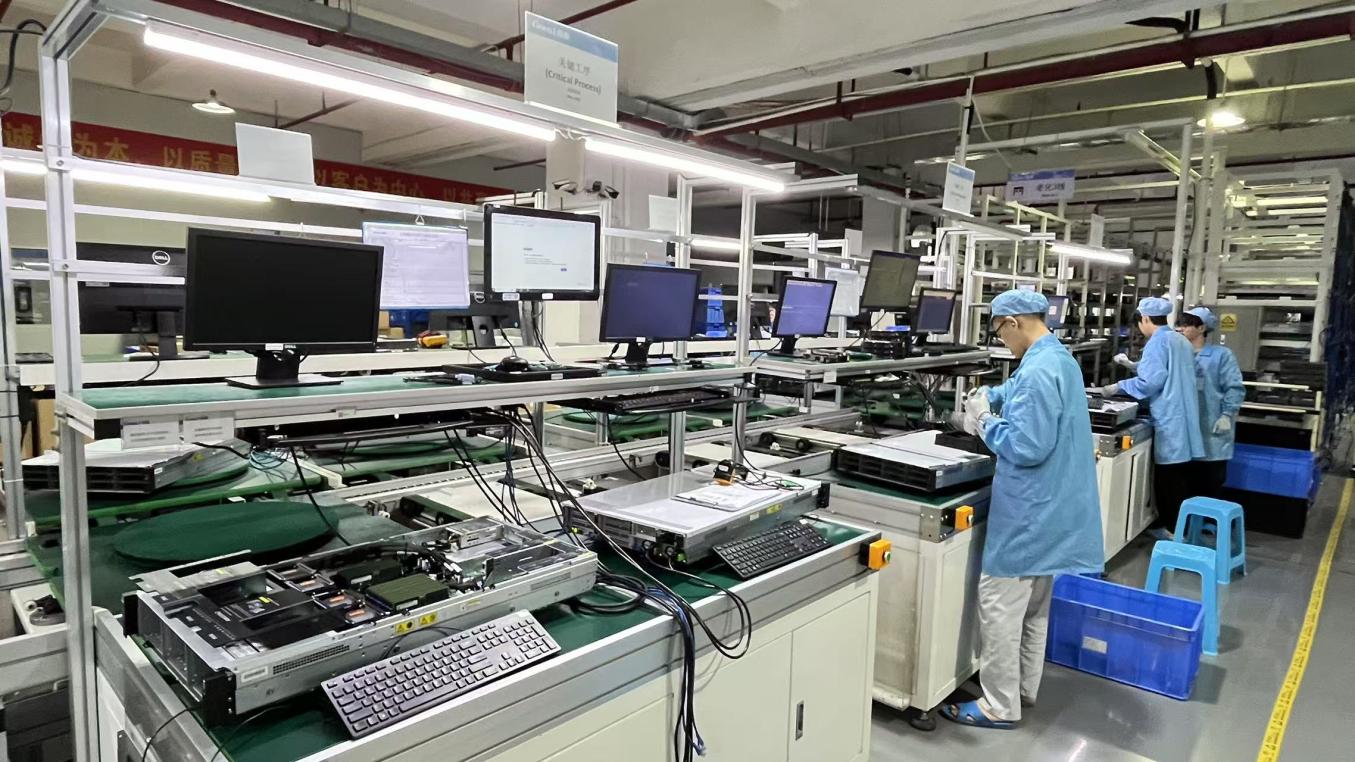
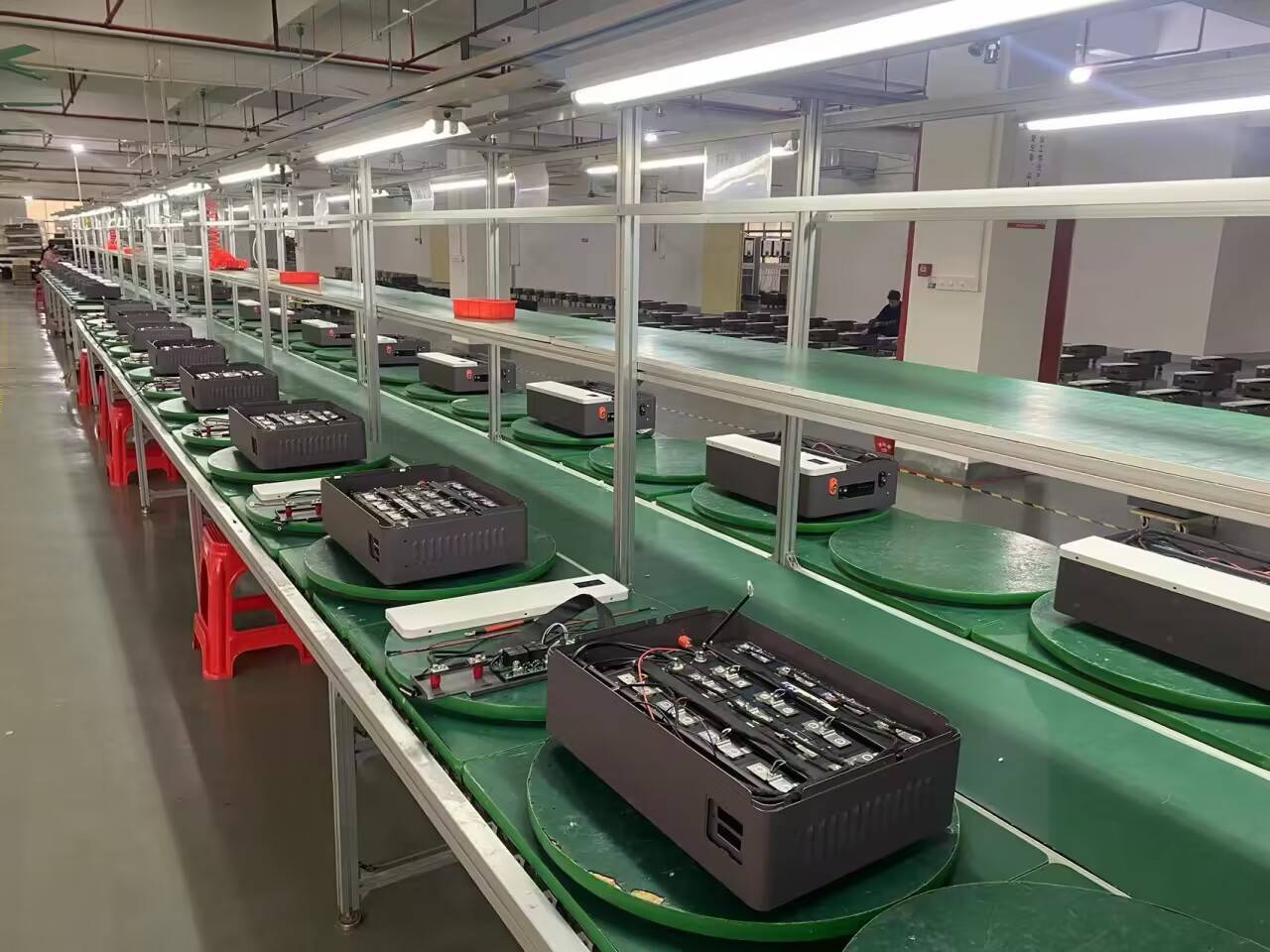
At **OptiLinker**, we turn these supply chain advantages into direct value for our global B2B clients. Backed by 12 years of industry experience and 8 years of export operations, we optimize the production flow through advanced manufacturing processes, minimizing scrap rates and offering competitive prices. Operating a modern facility since 2016, we have established a strong baseline of structural and logistical execution:
With an R&D department staffed by 60 experienced optical and hardware engineers, OptiLinker is capable of rapid component design iterations. In the past year alone, our engineering team successfully launched approximately 120 new products, matching the fast transition cycles of modern data centers and telecom operations. This continuous innovation makes us a top trusted partner for OEMs and system integrators worldwide.
Enterprise buyers and telecom network architects operate under strict constraints when selecting physical layer hardware. The demands go beyond raw performance metrics; procurement officers require supply chain predictability, full compliance with target-market frameworks, and guaranteed hardware longevity. The primary requirements include:
To serve customers in North America, Europe, Southeast Asia, and the Middle East, OptiLinker maintains full compliance with international safety and environmental regulations. All products leaving our production floor are verified to meet regional requirements:
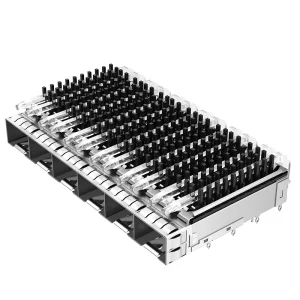
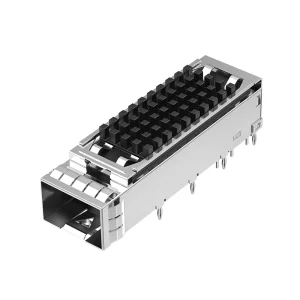
The networking landscape is shifting towards higher speeds and denser deployments. As 2.5G and 10G Base-T installations expand across enterprise campus environments, the demand for high-port-count switches has surged. The industry is currently moving towards **highly integrated, multi-row RJ45/SFP+ hybrid stacks**. These setups allow switches to dynamically allocate bandwidth by either using copper connections for local nodes or optical links for high-speed uplinks.
Another key trend is the integration of Smart PoE (Power over Ethernet) modules. As IoT devices, Wi-Fi 7 access points, and surveillance cameras demand more power, RJ45 modules must handle up to 90W of power (PoE++ / IEEE 802.3bt) without introducing magnetic saturation. OptiLinker is at the forefront of this technology, designing modules that maintain clean signal integrity even under full PoE loads.
Our RJ45 Link Aggregation Modules and optical components are designed to resolve real-world deployment challenges across various industrial and business sectors:
LACP depends on consistent communication (LACPDUs) between switch ports. If a physical port suffers from signal distortion due to high return loss or insertion loss, the switch may flag the link as unstable and drop it from the aggregation group. High-quality RJ45 modules with integrated magnetics ensure balanced common mode noise suppression and signal isolation, preserving link stability and preventing packet drops.
An ICM (Integrated Connector Module) contains isolation transformers, capacitors, resistors, and common-mode chokes built directly into the metal connector housing. This saves board space on the main PCB, simplifies routing, provides superior EMI shielding, and ensures reliable signal processing compared to using a discrete magnetics module placed separately on the PCB.
Yes. Our R&D team of 60 engineers provides extensive customization options, including custom footprint layouts, vertical or right-angle pins, integrated LED color combinations, and varying internal magnetic designs to match specific PHY chips from major vendors.
PoE+ introduces DC current through the center taps of the isolation transformer. This current can saturate the ferrite cores, reducing their impedance and degrading high-frequency data signals. OptiLinker's PoE+ modules are built with larger, high-permeability magnetic cores that handle up to 600mA/900mA of DC current without compromising data transmission at 1G or 2.5G speeds.
OptiLinker applies a 100% incoming material inspection, AOI (Automated Optical Inspection) during assembly, and full optical/electrical testing. For transceivers and magnetics, this includes eye diagram analysis, Bit Error Rate (BER) testing, high/low temperature cycling, and insertion loss characterization across a team of 35 dedicated QC professionals.
Yes. Many of our components, such as the 2198236-4 TE replacement or the U77-E16E8-2001 Amphenol replacement, are engineered with matching mechanical footprints and electrical characteristics, allowing direct drop-in replacement on existing switch PCBs.
Thanks to our network of approximately 850 raw material and logistics partners in China, our typical manufacturing lead time ranges from 2 to 4 weeks, depending on product complexity and ordering volume.