OptiLinker
OptiLinker
OptiLinker
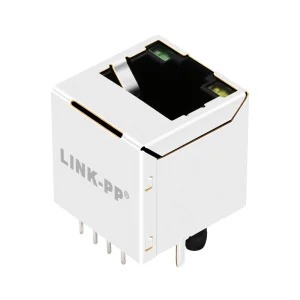
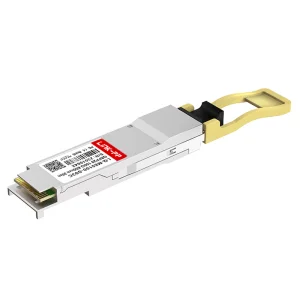
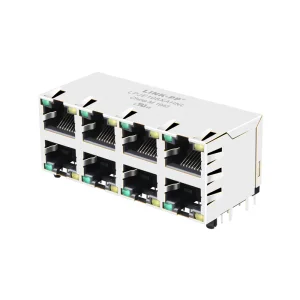
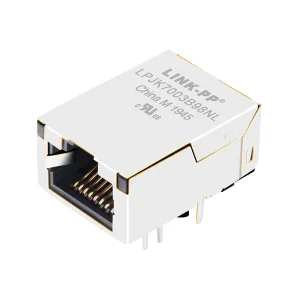
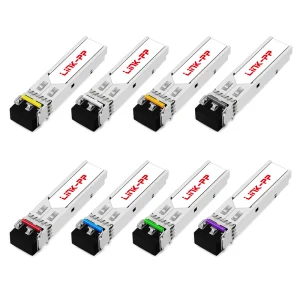
In modern enterprise networks, industrial automation, and metropolitan surveillance infrastructures, the integration of high-bandwidth data systems with robust power distribution networks is critical. Power over Ethernet (PoE) technology has transformed from a convenient office LAN utility into a robust industrial-grade infrastructure backbone. By supplying reliable DC power over existing category copper cabling (Cat5e, Cat6, Cat6A), PoE injectors bypass the need for local AC power outlets at the device node. This is especially vital when deploying Edge IP cameras, Wireless Access Points, and IoT gateways in complex environments.
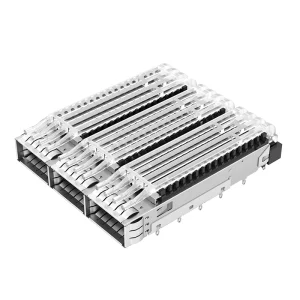
While PoE operates strictly over copper media, the massive data aggregates generated at the edge must be backhauled using high-speed fiber links. To achieve optimal performance, today's network designers deploy modular solutions where RJ45 magnetic connectors, high-speed SFP/QSFP optical transceivers, and heavy-duty PoE injectors operate in close proximity. As a trusted manufacturer, OptiLinker understands that maintaining signal integrity across these hybrid boundaries requires rigorous control over EMI shielding, insertion loss, and thermal dissipation.
OptiLinker Optoelectronics Co., Ltd. (OptiLinker) stands at the forefront of this convergence. Founded in 2016, the company leverages over 12 years of industry experience and 8 years of dedicated export experience to supply global telecom and data center networks with high-reliability optical communication modules and precision networking connectors. Our solutions are engineered to ensure seamless power and data pathways under demanding network conditions.
Selecting the right PoE infrastructure requires a precise understanding of the IEEE standards that dictate power delivery budgets. Modern PoE applications demand reliable performance across three key generations of standards:
| Standard | Type Name | Max Power at PSE Source | Min Power at PD Device | Supported Wire Pairs | Primary Use Cases |
|---|---|---|---|---|---|
| IEEE 802.3af | PoE (Type 1) | 15.4W | 12.95W | 2-Pair | Standard IP Phones, Static Security Cameras, Basic Access Points |
| IEEE 802.3at | PoE+ (Type 2) | 30.0W | 25.5W | 2-Pair | PTZ Speed Dome Cameras, Dual-Band WAPs, VoIP Video Phones |
| IEEE 802.3bt | PoE++ (Type 3) | 60.0W | 51.0W | 4-Pair | High-Power PTZ Cameras, Thin Clients, Smart Lighting Controllers |
| IEEE 802.3bt | PoE++ (Type 4) | 90W - 100W | 71.3W | 4-Pair | Digital Signage Displays, Compact Edge Servers, Industrial IoT Terminals |
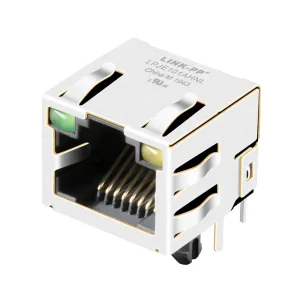
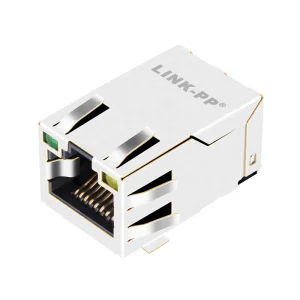
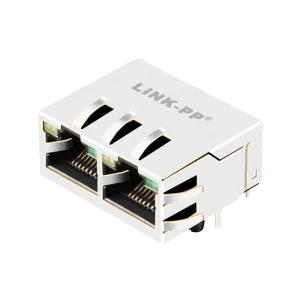
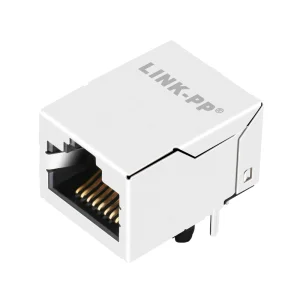
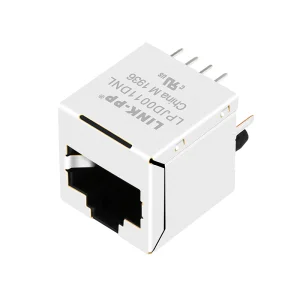
To safely deliver high levels of power, our structural interconnects (such as the High Speed RJ45 Magnetic Connectors XRJD-S-21-8-8-Z With/Without PoE) are built with advanced copper termination and integrated electromagnetic protection. Proper magnetic shielding is essential to prevent DC power bias from degrading signal transmission lines, which can lead to high bit-error rates (BER) in Gigabit Ethernet links.
Different regional markets present unique technical challenges and regulatory requirements for PoE and optical networking deployments. Below is an overview of key application profiles in key regions:
Industrial IoT & Hyper-Scale Data Centers
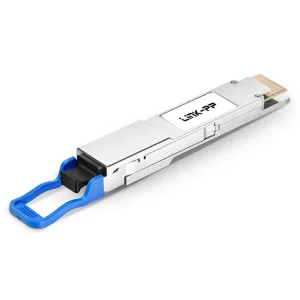
US and Canadian networks prioritize compliance with strict UL electrical safety codes and National Electrical Code (NEC) regulations. Edge applications require high-power PoE++ injectors to support intelligent LED lighting and automated HVAC control networks, feeding telemetry data directly into fiber backbones managed by high-speed 100G QSFP28 and 400G QSFP-DD transceiver modules.
Smart Industry 4.0 & Telecommunication Hubs
European deployments focus heavily on energy efficiency and strict RoHS/WEEE compliance. In modern European automated manufacturing facilities, PoE injectors power smart machinery sensors and edge controllers. Our 25G SFP28 and LWDM transceivers connect local networks to regional fiber backhauls, operating reliably under strict electromagnetic compatibility (EMC) regulations.
Telecom Expansion & High-Temperature Resilience
In Southeast Asia and the Middle East, outdoor network installations face challenges from high temperatures and humidity. Fiber-to-the-Home (FTTH) rollouts and municipal IP CCTV networks rely on rugged PoE injectors and weather-hardened RJ45 connectors. OptiLinker's components are designed to withstand extreme thermal variation, ensuring stable data transmission across long-range optical fiber networks.
OptiLinker operates a modern production facility in Shenzhen, China, with a total building area of approximately 320㎡. This highly optimized layout is dedicated to high-precision optical assembly and rigorous quality control. Our localized footprint enables fast sourcing of raw materials, short manufacturing cycles, and competitive cost structures.
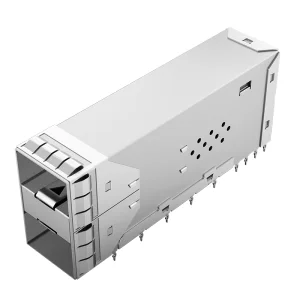
Our global supply network includes over 850 partners, securing access to high-quality optical chips, precision metal cages, and advanced magnetics. We handle everything from high-volume production of standard RJ45 connectors to complex, custom optical transceivers. This supply chain structure helps protect our customers from material shortages and logistics delays.
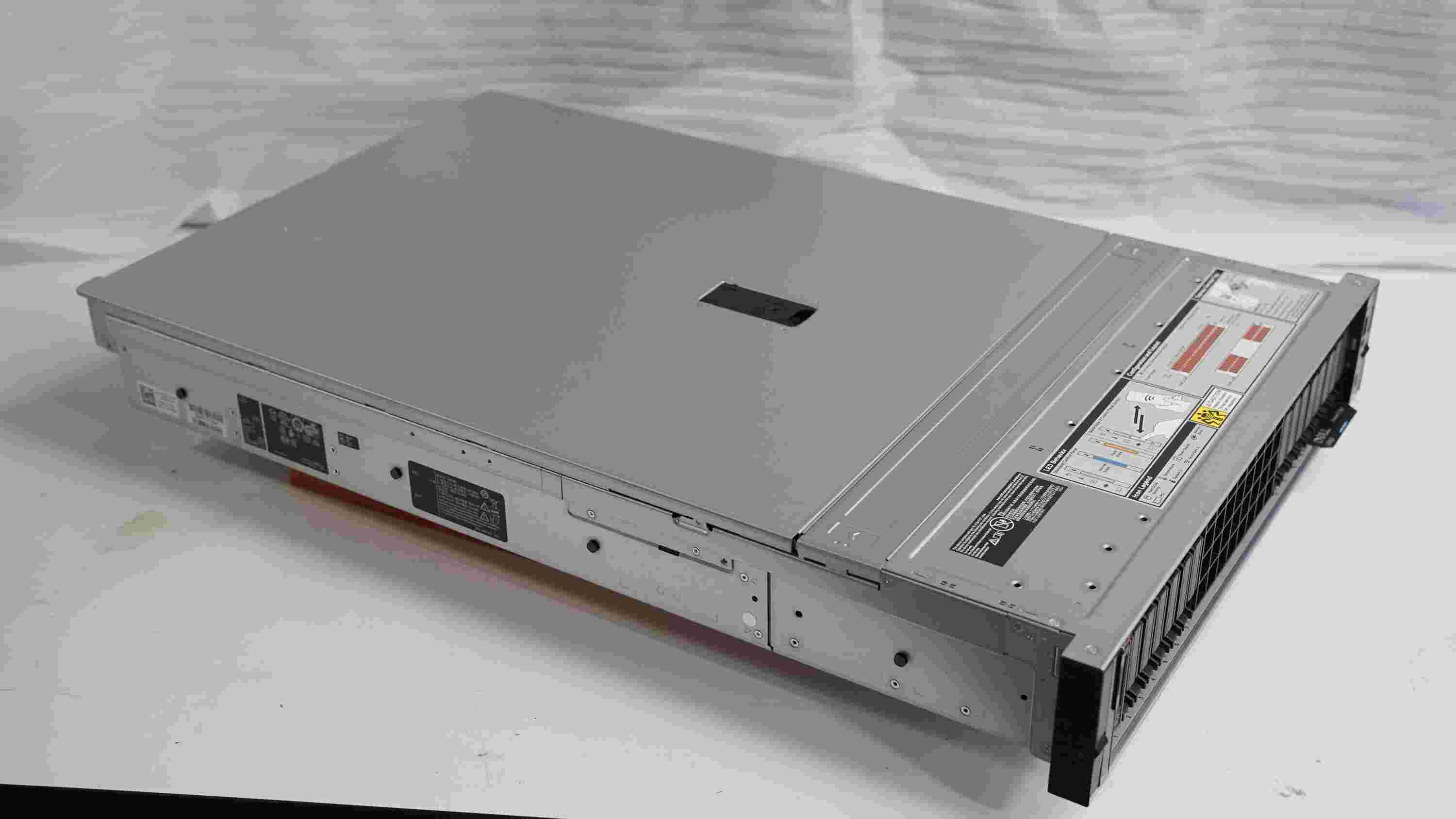

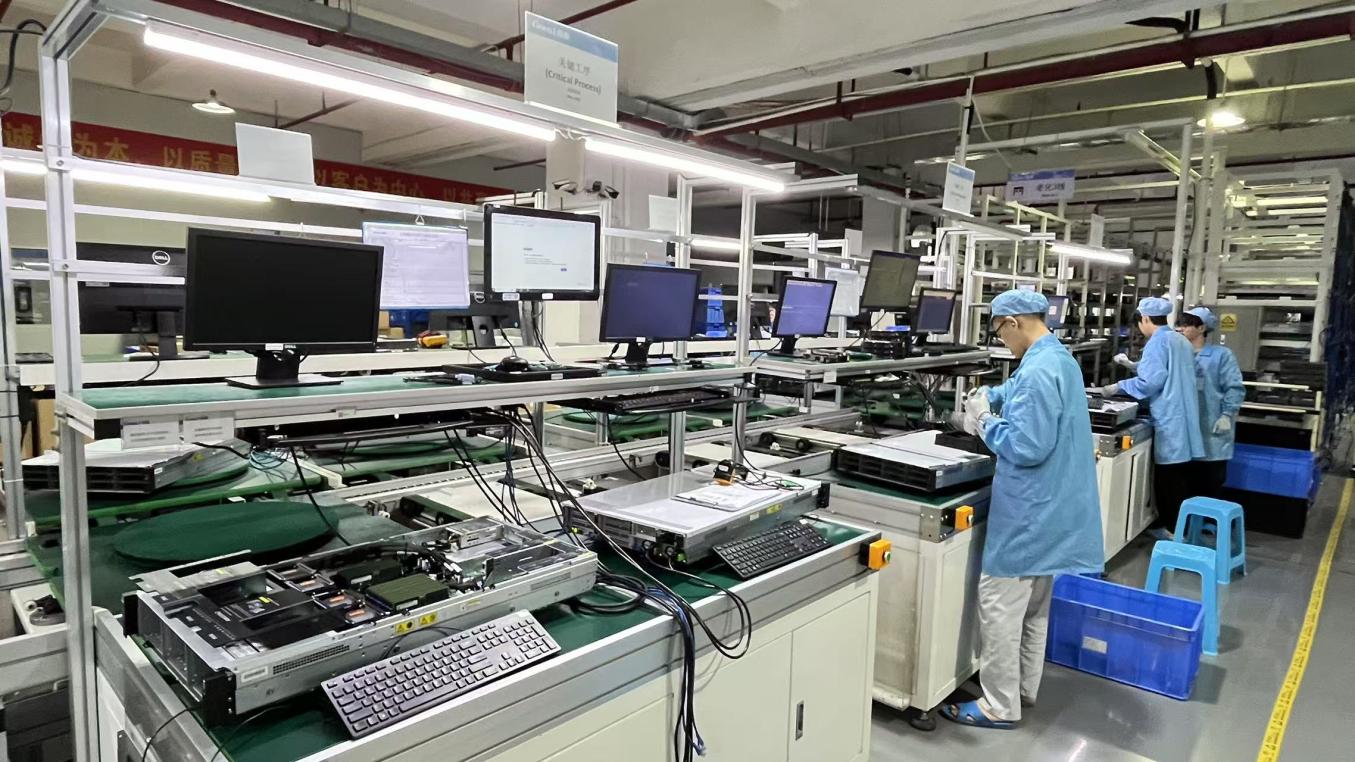
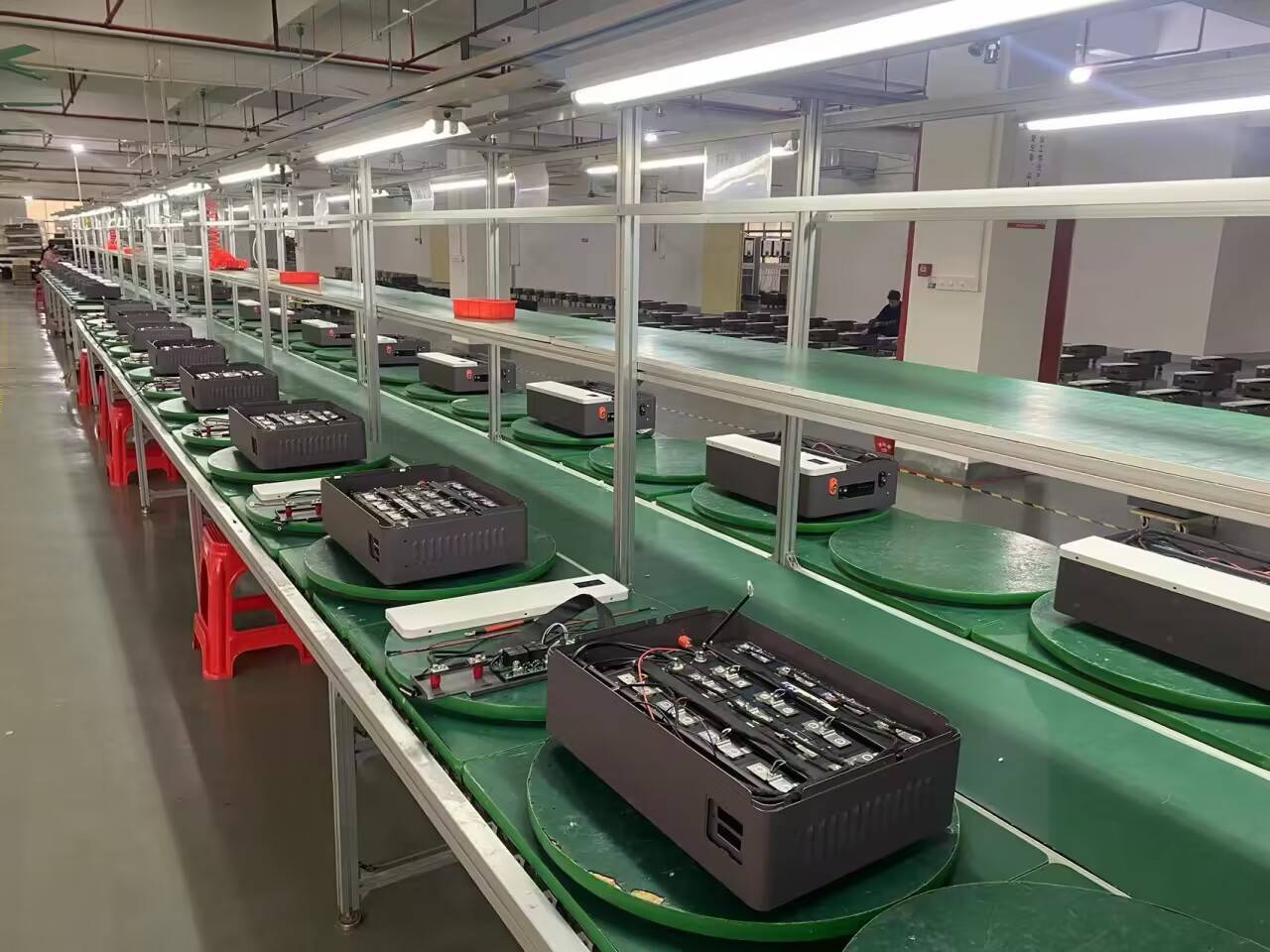
Quality assurance is a core focus at OptiLinker. The company implements 100% incoming material inspection, Automated Optical Inspection (AOI), and full optical performance testing. Product verification includes Bit Error Rate (BER) testing, eye diagram analysis, and high/low temperature cycling tests, ensuring stable performance under demanding network environments. Our quality control team consists of 35 dedicated QC professionals.
As the network edge becomes faster and more power-demanding, high-performance connectivity solutions must evolve. OptiLinker is tracking three key technological trends:
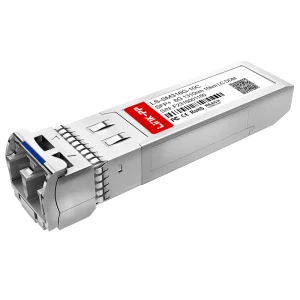
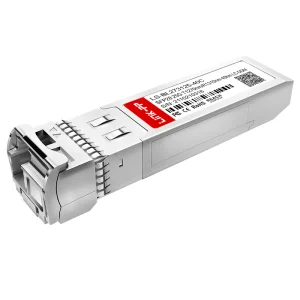
OptiLinker maintains standard compliance certifications for all exported products, ensuring seamless integration into strict Western enterprise environments. Our products carry CE, FCC, RoHS, and UL-certified components, matching the safety expectations of telecom operators worldwide.
Our experienced R&D team of 60 optical engineers specializes in high-speed optical design, signal integrity optimization, and protocol compatibility programming. We offer flexible OEM/ODM customization options to meet specific requirements, including:
Writing EEPROM code to ensure seamless compatibility with switches from major vendors, preventing port lockouts and link negotiation failures.
Adjusting transmitter outputs (CWDM, DWDM, LWDM) and link configurations from short-reach multi-mode to long-range single-mode (up to 120km).
Designing custom heat sinks and structural cages to ensure safe operation in tight, high-power environments.