OptiLinker
OptiLinker
OptiLinker
Explore our elite range of high-density vertical SMT RJ45 jacks, SFP+ cages, high-frequency transformers, and copper transceiver modules.
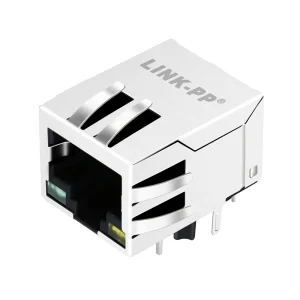
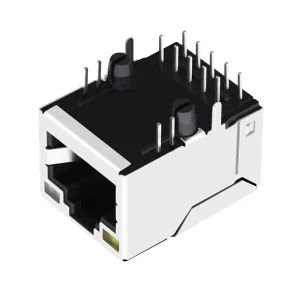
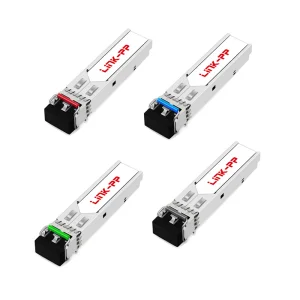
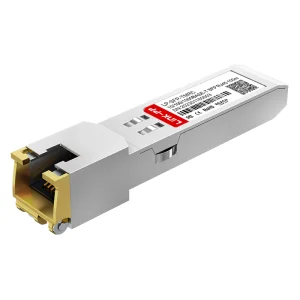
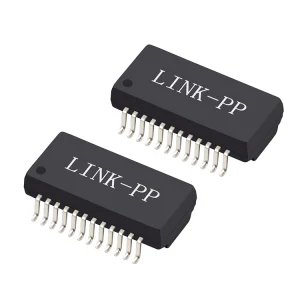
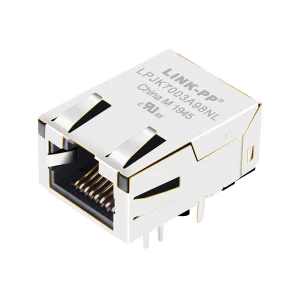
In the era of hyper-scale cloud data centers, 5G cellular communication networks, and the Industrial Internet of Things (IIoT), the physical layer remains the absolute cornerstone of operational continuity. The **external RJ45 connector**—a decades-old standard originating from simple voice band telephone services—has undergone a massive technological renaissance. Modern implementations are not merely plastic receptacles; they are highly engineered optoelectronic interfaces designed to withstand immense mechanical, electrical, and thermal stresses.
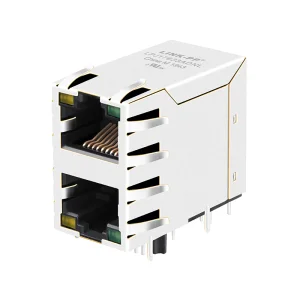
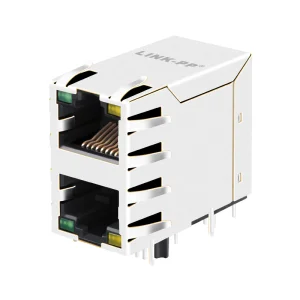
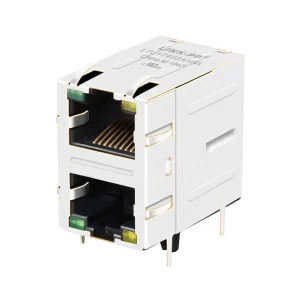
For instance, multi-port low-profile SMT configurations (such as the 1xN and 2xN layouts) now feature integrated magnetics (Magjacks) that perform critical functions like galvanic isolation, common-mode noise suppression, and signal conditioning. In networks operating up to 10 Gbps and beyond, the margins for insertion loss and electromagnetic crosstalk are remarkably tight. Signal integrity must be preserved through careful contact placement, robust internal grounding tabs, and shielding that complies with strict global electromagnetic compatibility (EMC) regulations.
"According to recent market research, the global industrial connector market is experiencing a compounded annual growth rate of 7.2%, driven primarily by the transition from older analog infrastructures to ruggedized, EMI-shielded, and high-density copper-to-fiber hybrid communication protocols."
Industrial procurement departments face complex challenges when sourcing external RJ45 connectors and optical transceivers. Sourcing teams look beyond price per unit; they evaluate total cost of ownership (TCO), multi-year component lifespans, and strict compliance with global directives such as RoHS (Restriction of Hazardous Substances) and REACH (Registration, Evaluation, Authorisation and Restriction of Chemicals).
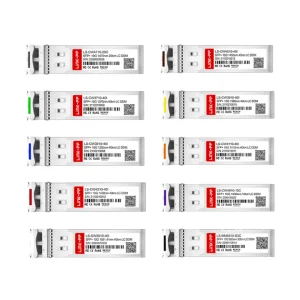
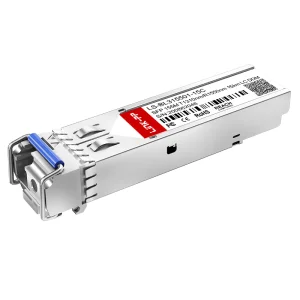
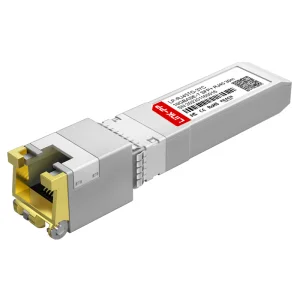
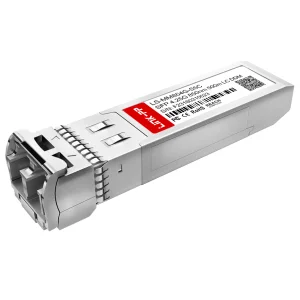
Furthermore, compatibility across multi-vendor environments remains a significant issue. High-speed networking switches rely on standard MSA (Multi-Source Agreement) form factors. An Ethernet transceiver, such as a **10GBASE-T SFP+ copper module**, must interface flawlessly with Host Board Physical Layers (PHYs) designed by different manufacturers. To reduce risks, global enterprises are focusing their procurement strategies on manufacturers that offer certified custom engineering services, long-term product availability, and reliable, high-speed automated validation processes.
Why do high-density vertical SMT and standard through-hole connectors require integrated magnetics? A raw copper cable acts as an antenna, picking up external radio frequencies and electrostatic discharge (ESD). A **magnetic RJ45 connector module** contains micro-sized toroidal transformers and common-mode chokes. These components isolate the sensitive network PHY chip from voltage spikes and electrostatic discharge while maintaining signal bandwidths up to 500 MHz for Category 6A installations.
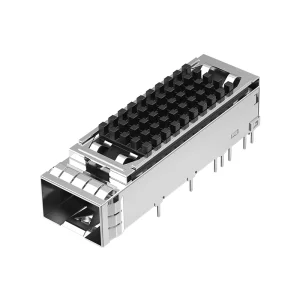
In higher bandwidth environments, transceivers generate significant heat. A prime example is the **U77-E16D3-3001 SFP+ cage with integrated heatsinks**. When transmitting 10G or 25G signals over copper or optical paths, thermal dissipation is vital. Without custom heatsinks and airflow-optimized layouts, local thermal overloading can cause optical degradation, packet losses, or total transceivers failures.
A detailed engineering comparison highlighting operational distances, latency profiles, and typical application use cases.
| Interface / Module Type | Maximum Reach | Latency Profile | Power Consumption | Key Application Use-Case |
|---|---|---|---|---|
| 10GBASE-T RJ45 Copper SFP+ | 30m to 100m (Cat6a/7) | ~2.5 to 3.0 Microseconds | 2.0W - 2.5W per Port | ToR (Top-of-Rack) switches to servers in enterprise data centers. |
| Multi-mode 850nm SFP | Up to 500m (OM3/OM4) | < 0.1 Microseconds | 0.8W - 1.0W per Port | Intra-facility backbone links, core enterprise networks. |
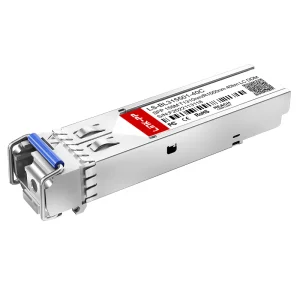
| Single-mode 10G CWDM SFP+ | Up to 80km | < 0.1 Microseconds | 1.2W - 1.5W per Port | Metropolitan Area Networks (MANs) & backhaul telecommunication lines. |
| Low Profile Vertical SMT Jack | Direct PCB up to 100m | Negligible (PHY Dependent) | Passive (No independent draw) | Embedded controllers, IoT gateways, and networking switches. |
How OptiLinker integrates advanced automation, rigorous optical validation, and an extensive network to ensure component reliability.
OptiLinker Optoelectronics Co., Ltd. (OptiLinker) is a professional optical transceiver manufacturer and solution provider under the brand OptiLinker (www.optilinkertrans.com), specializing in high-speed optical communication modules for global data center and telecom applications.
Founded in 2016, OptiLinker operates a modern production facility with a total building area of approximately 320㎡. With continuous development in optical communication technology, the company has accumulated over 12 years of industry experience and approximately 8 years of export experience.
In the past year, OptiLinker achieved an annual export revenue of around USD 12 million, serving customers across North America, Europe, Southeast Asia, and the Middle East. The company maintains a strong global B2B trade background, focusing on OEM/ODM partnerships with network infrastructure providers.
Quality assurance is a core focus at OptiLinker. The company implements 100% incoming material inspection, AOI automated optical inspection, and full optical performance testing. Product verification includes BER (Bit Error Rate) testing, eye diagram analysis, and high/low temperature cycling tests, ensuring stable performance under demanding network environments. The quality control team consists of 35 dedicated QC professionals.
OptiLinker collaborates with a global supply chain network of approximately 850 partners, enabling efficient sourcing and stable production capacity. Its main customer base includes telecom operators, data centers, system integrators, and networking equipment manufacturers.
The company has strong R&D capabilities, supported by a team of 60 experienced optical engineers. Its engineering team specializes in high-speed optical design, signal integrity optimization, and protocol compatibility development. OptiLinker offers flexible customization options including wavelength tuning, transmission distance, packaging form factors, firmware coding, and device compatibility programming.
In the last year alone, OptiLinker launched approximately 120 new optical transceiver products, reflecting its continuous innovation and rapid response to market demand.
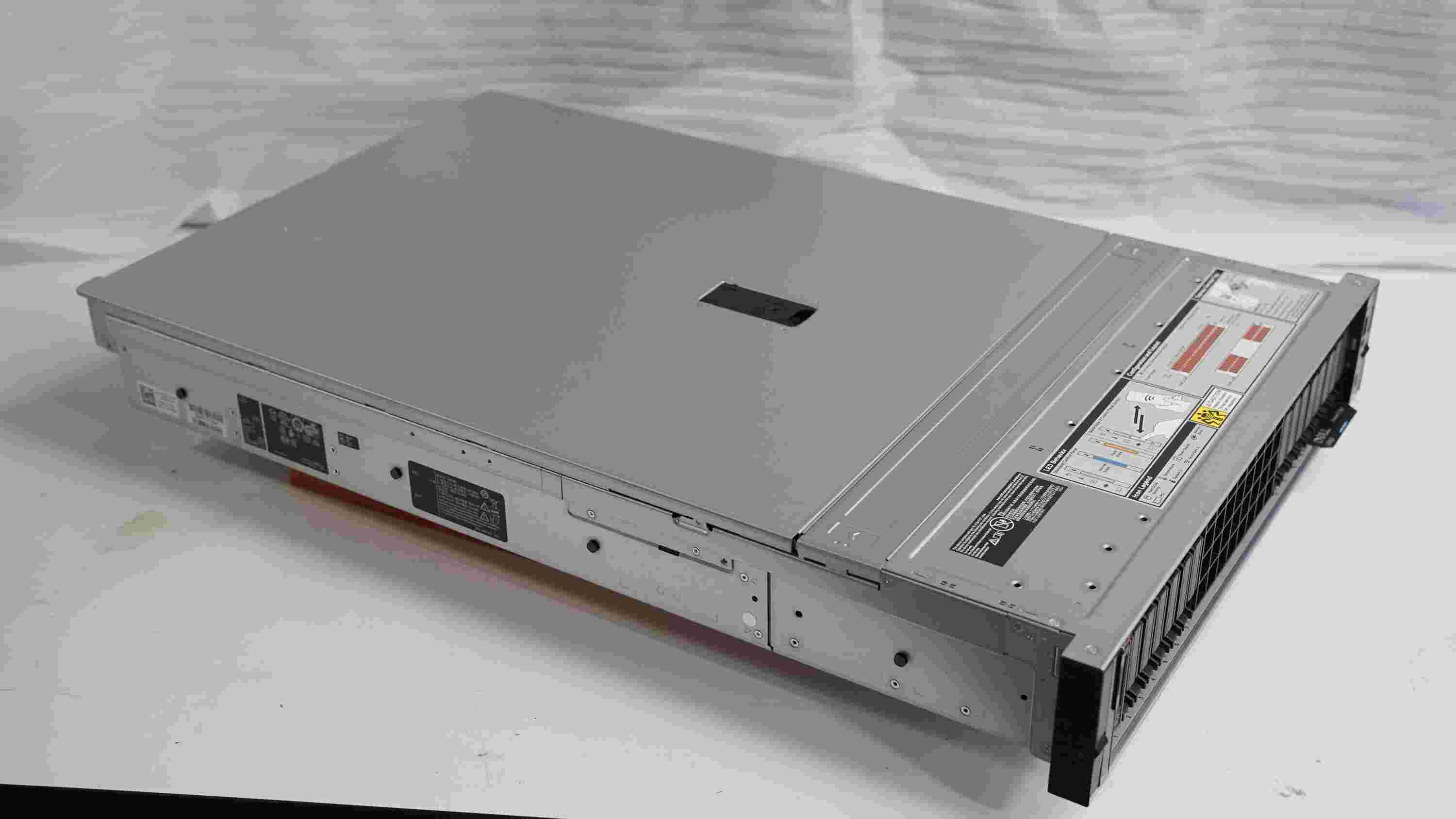
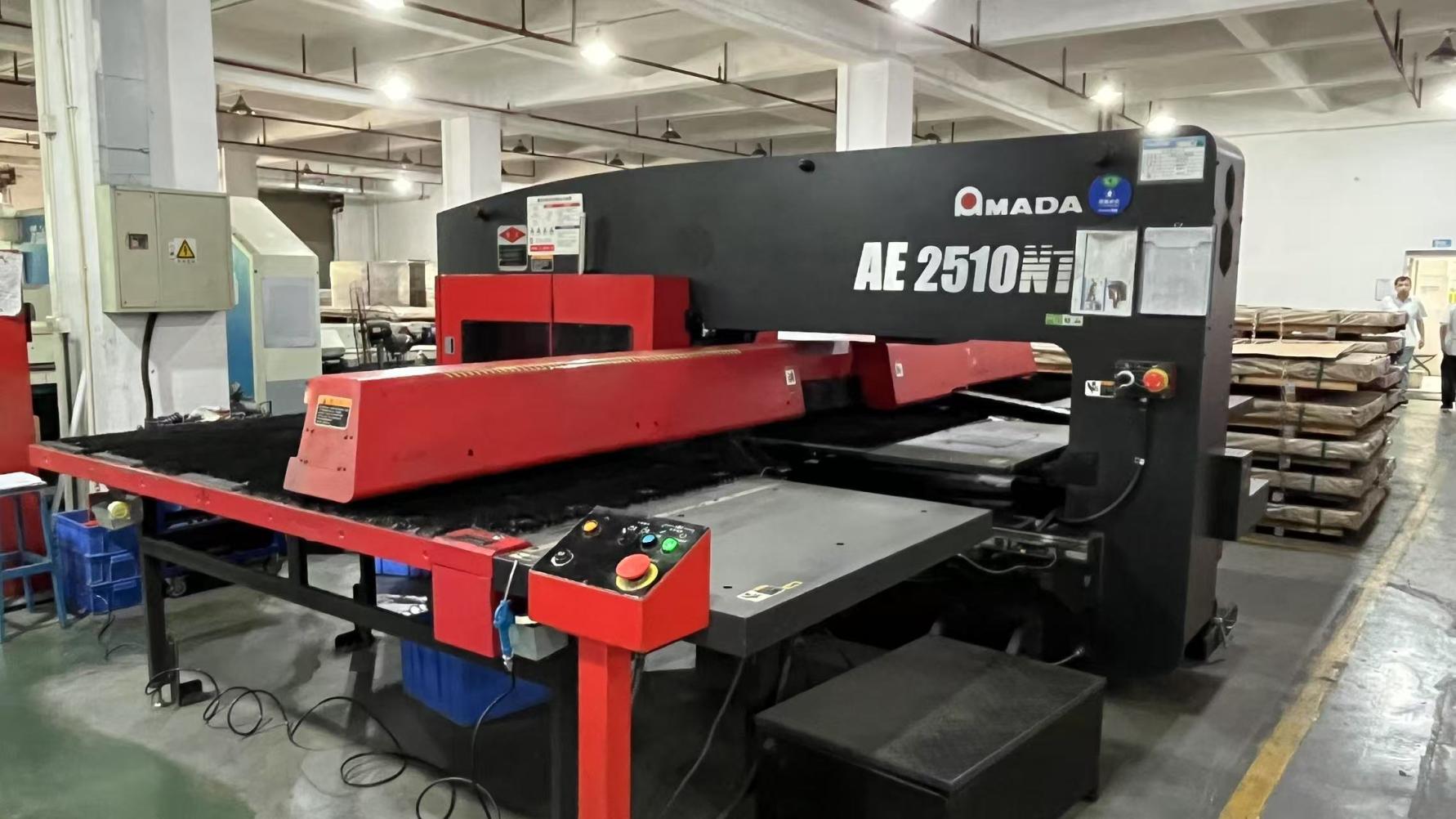
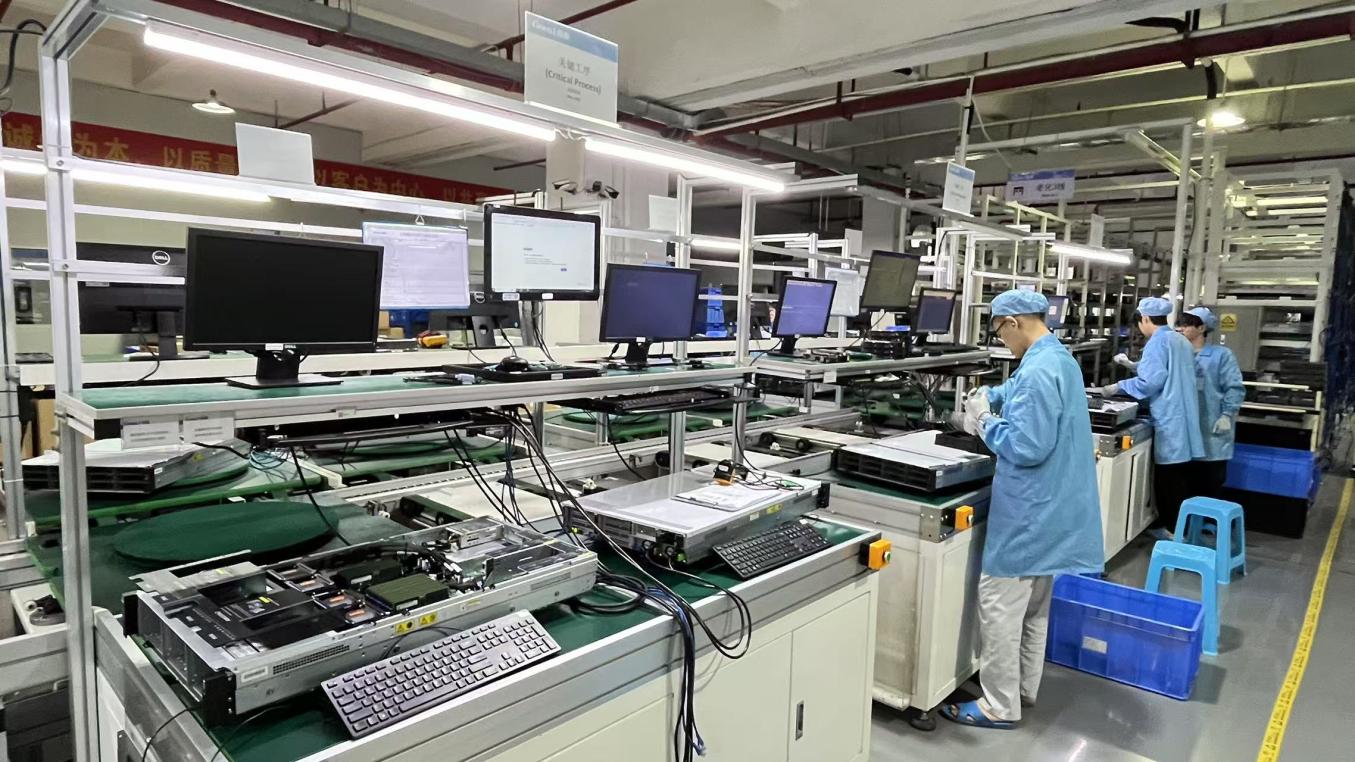
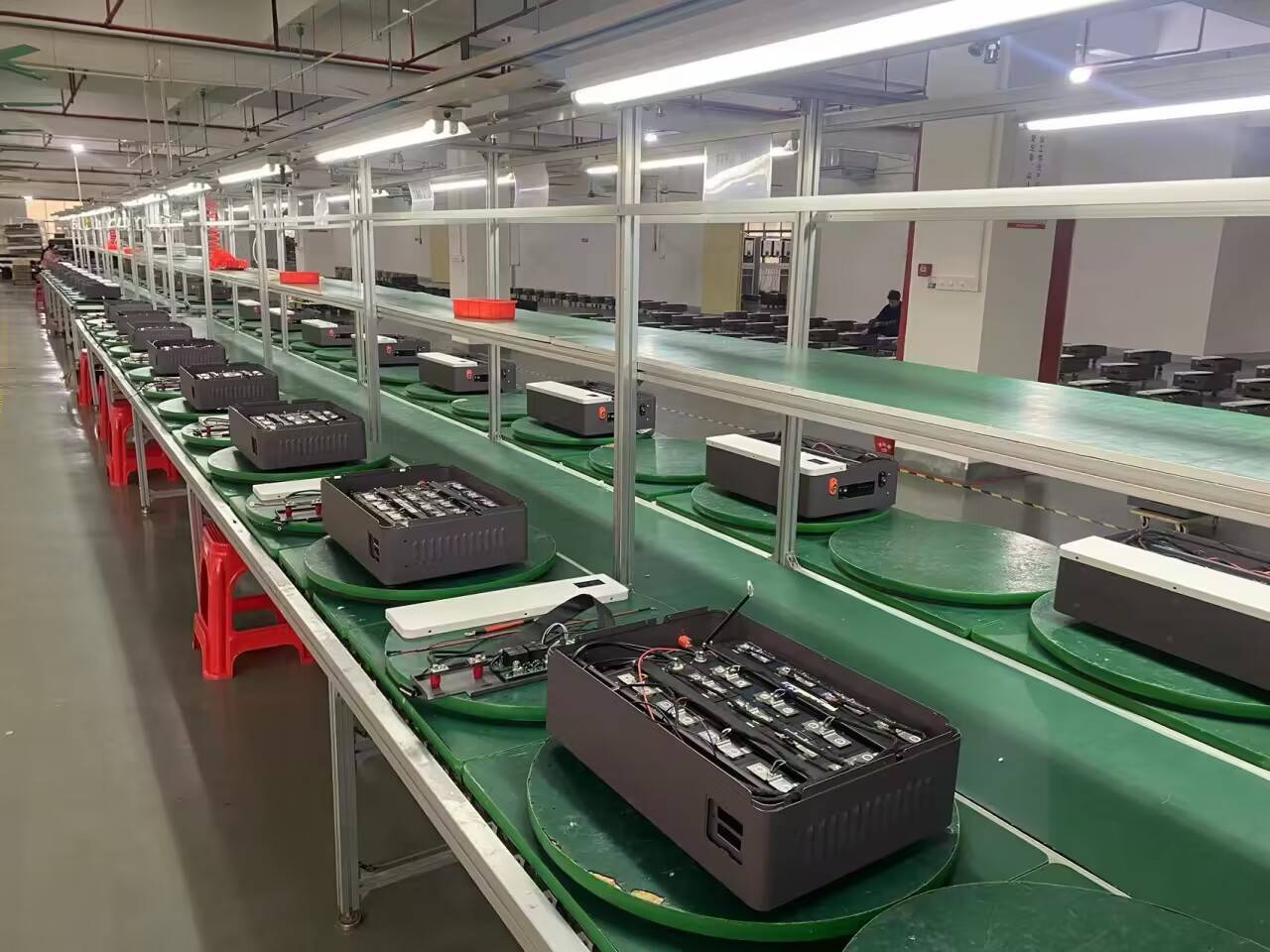
From heavy industrial automation to high-frequency telecommunication switches, explore how external RJ45 connectors operate on the front line.
Modern edge switches demand tight physical positioning of horizontal and vertical low-profile RJ45 connectors. Integrated LEDs allow system engineers to quickly diagnose link status, saving valuable maintenance time in dense server racks.
Harsh factory floors expose Ethernet connections to vibration, moisture, and extreme temperatures. Using tab-up or tab-down PCB mount RJ45 jacks with heavy gold plating ensures long-term mechanical contact reliability.
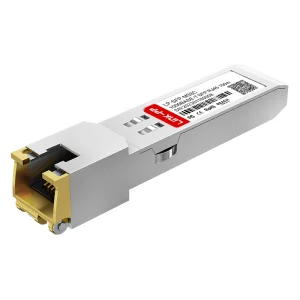
SFP and SFP28 cages, when integrated directly alongside high-performance RJ45 copper interfaces, enable seamless hybrid network designs. This allows transitions between short-reach copper and long-haul fiber paths.
Detailed answers to critical technical questions regarding high-speed interconnectivity, shielding, and compliance.
Discover more professional-grade modular jacks, CWDM transceivers, and SFP modules optimized for global distribution.