OptiLinker
OptiLinker
OptiLinker
Essential physical-layer components optimized for high-speed Ethernet switches, server line-cards, and software-defined switching nodes.
In modern telecommunications and high-speed data center topologies, the boundary between physical connectors, optical transceivers, and switching logic has effectively dissolved. High-throughput switching demands more than just robust silicon; it requires highly reliable physical interfaces to prevent signal degradation, reduce packet loss, and optimize energy efficiency. OptiLinker Optoelectronics Co., Ltd. (OptiLinker) operates at this critical juncture, serving as a trusted global manufacturer, supplier, and exporter of industrial-grade connectivity and optical modules under the brand OptiLinker (www.optilinkertrans.com).
Founded in 2016 and backed by over 12 years of core industry experience and 8 years of dedicated export history, OptiLinker is a specialized provider of high-speed optical transceivers, SFP/QSFP cages, and integrated magnetics RJ45 connectors. Based out of our modern facility, we cater specifically to B2B clients, network engineers, system integrators, and telecom operators across North America, Europe, Southeast Asia, and the Middle East, generating an annual export revenue of approximately USD 12 million.
An Ethernet switch acts as the central nervous system of any enterprise or cloud data center network. As switching capacities evolve from 12.8 Tbps to 25.6 Tbps and even 51.2 Tbps, the performance of the physical layer (L1) determines the practical limits of the upper layers (L2/L3). The connection points between the main switching ASIC and the distribution medium (fiber-optic or copper cabling) rely entirely on modules such as transceivers (SFP/QSFP) and magnetic RJ45 connectors.
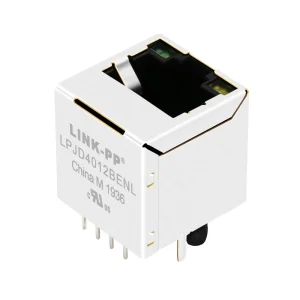
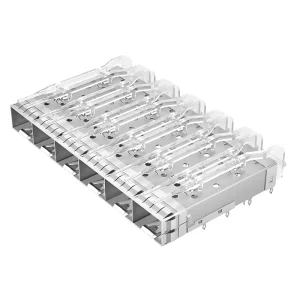
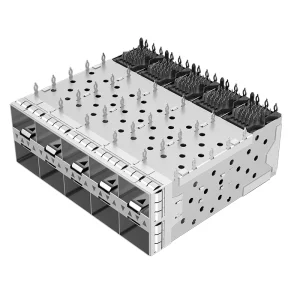
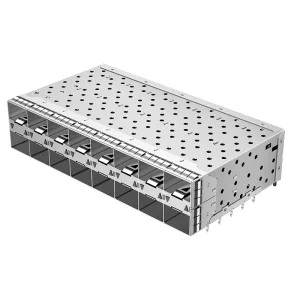
At high speeds (such as 25G, 40G, or 100G per channel), skin effect, impedance mismatches, and electromagnetic interference (EMI) can severely degrade signals. Our press-fit, ganged SFP+ cages and copper RJ45 modular jacks are engineered with advanced shielding technology to minimize crosstalk and Insertion Loss (IL), preserving clean eye diagrams across demanding workloads.
Thermal management is a critical bottleneck in dense core switches. OptiLinker's optical transceivers utilize advanced optoelectronic designs with low-power DSPs and optical components, ensuring modules operate within standard temperature envelopes, minimizing cooling overhead in standard 1U/2U switch chassis designs.
Integrated DDM support allows network administrators to monitor real-time parameters of optical lines—such as optical output power, input power, temperature, laser bias current, and transceiver supply voltage—directly from the switch OS interface, facilitating proactive network maintenance.
As the global demand for cloud applications, AI computation clusters, and 5G backhaul expands, purchasing coordinators require a supplier that balances agility, raw output capacity, and strict quality control. Choosing a specialized Chinese exporter like OptiLinker provides distinct structural advantages:
Ethernet switches and their corresponding optical physical layers operate in vastly different environments. OptiLinker develops specialized hardware to meet the distinct demands of three primary deployment zones:
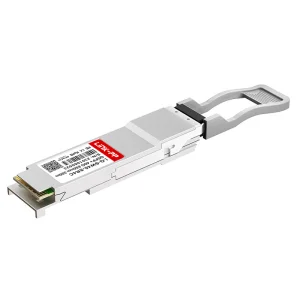
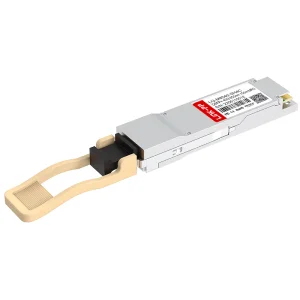
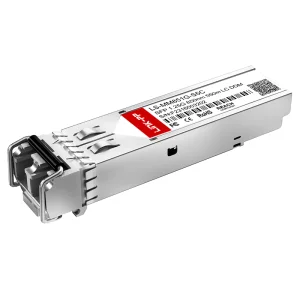
Modern hyperscale datacenters deploy spine-and-leaf architectures that require immense bandwidth density over short distances. Our QSFP+ 40GBASE-SR4 and QSFP-40G-SR-BD BiDi transceivers allow data centers to maximize existing multimode fiber infrastructures, minimizing cable bulk and path congestion within rack structures.
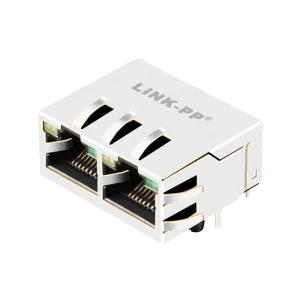
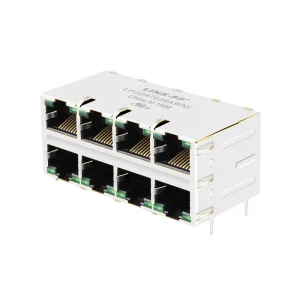
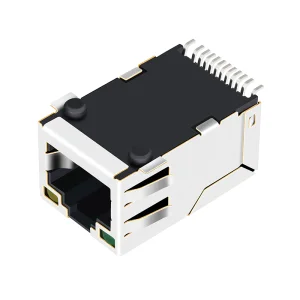
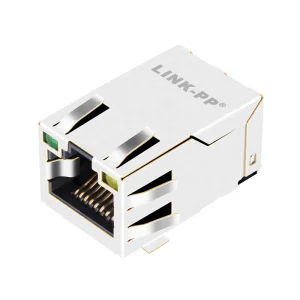
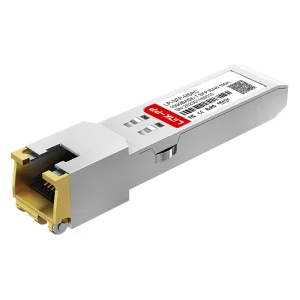
Industrial Ethernet environments are plagued by electrical noise, vibrations, and high ambient temperatures. OptiLinker's 2.5G Base-T Integrated Magnetics PoE+ RJ45 Connectors provide isolation and supply up to 30W of power over standard copper Cat5e/Cat6 lines, ideal for industrial IoT devices and surveillance cameras.
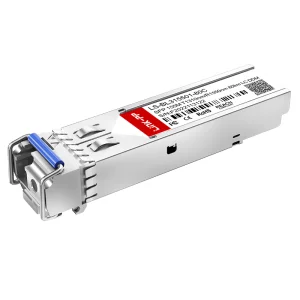
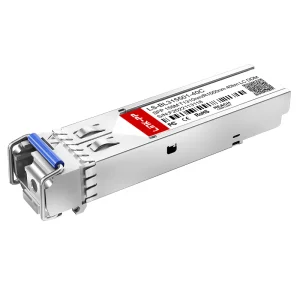
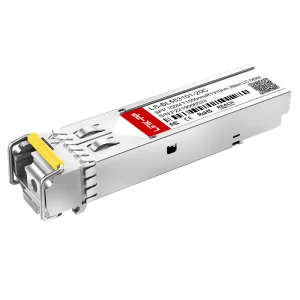
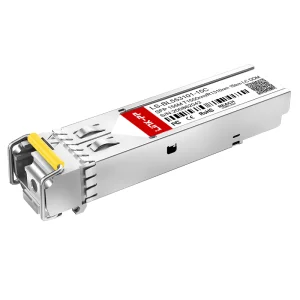
For carrier backhaul and regional networks, long-distance signal integrity is critical. Our specialized 1310nm/1550nm Single Mode SFP Bidi 80km modules enable telecom operators to run high-speed point-to-point connections over single-core optical fiber, effectively doubling fiber efficiency across long spans.
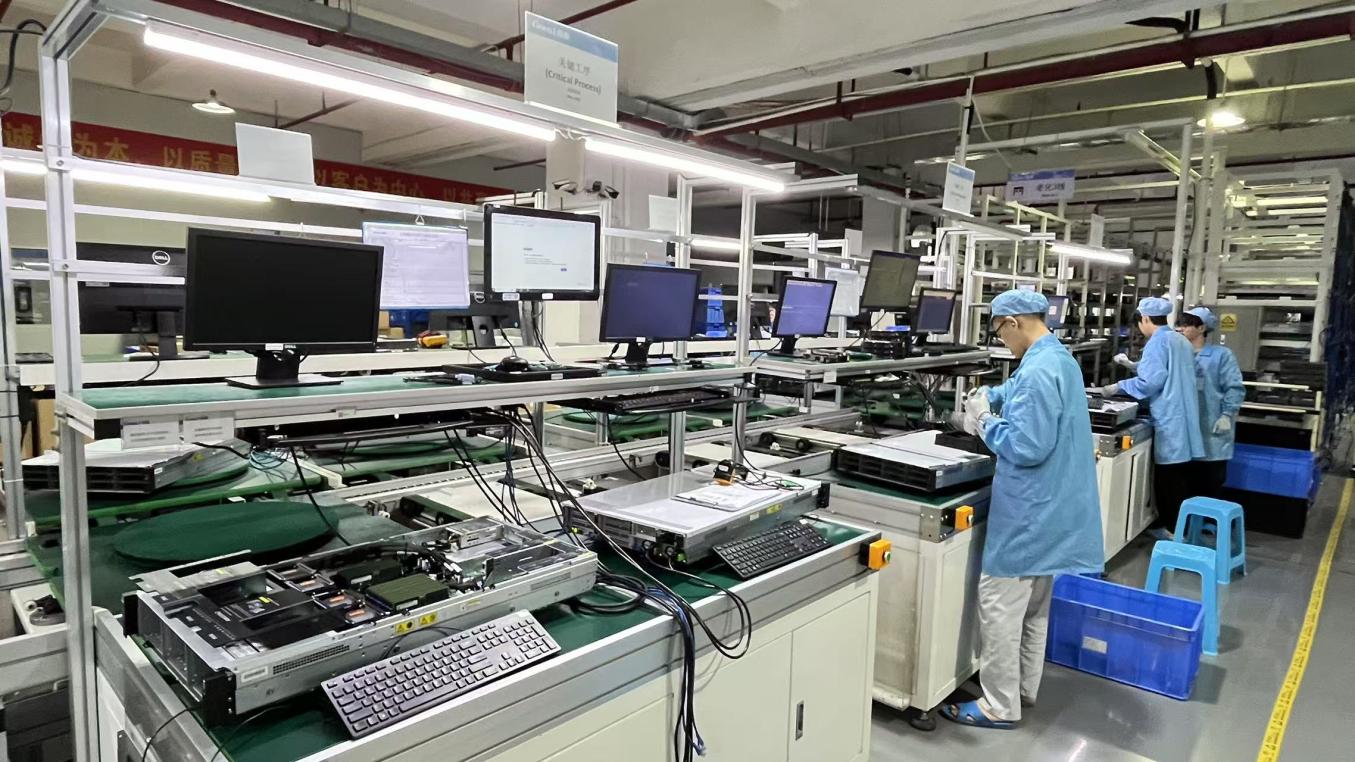
At OptiLinker, we recognize that a network failure can result in costly downtime. To ensure outstanding reliability, we implement strict, multi-stage testing regimens across our cleanroom manufacturing facility. Under the leadership of 35 dedicated QC professionals, every single device undergoes rigorous testing before shipment.
All incoming optoelectronic dies, laser diodes, PCB assemblies, and connector housings undergo strict incoming material validation to ensure component uniformity.
Our surface mount technology (SMT) lines leverage AOI systems to inspect component alignment and solder joint integrity at the micron level, preventing cold joint anomalies.
Every active transceiver is verified via Bit Error Rate (BER) testers and digital oscilloscopes to analyze eye-diagram parameters, ensuring clear signal boundaries.
Modules intended for industrial deployments undergo high/low temperature cycling tests to ensure stable frequency lock and minimal thermal drift in outdoor enclosures.
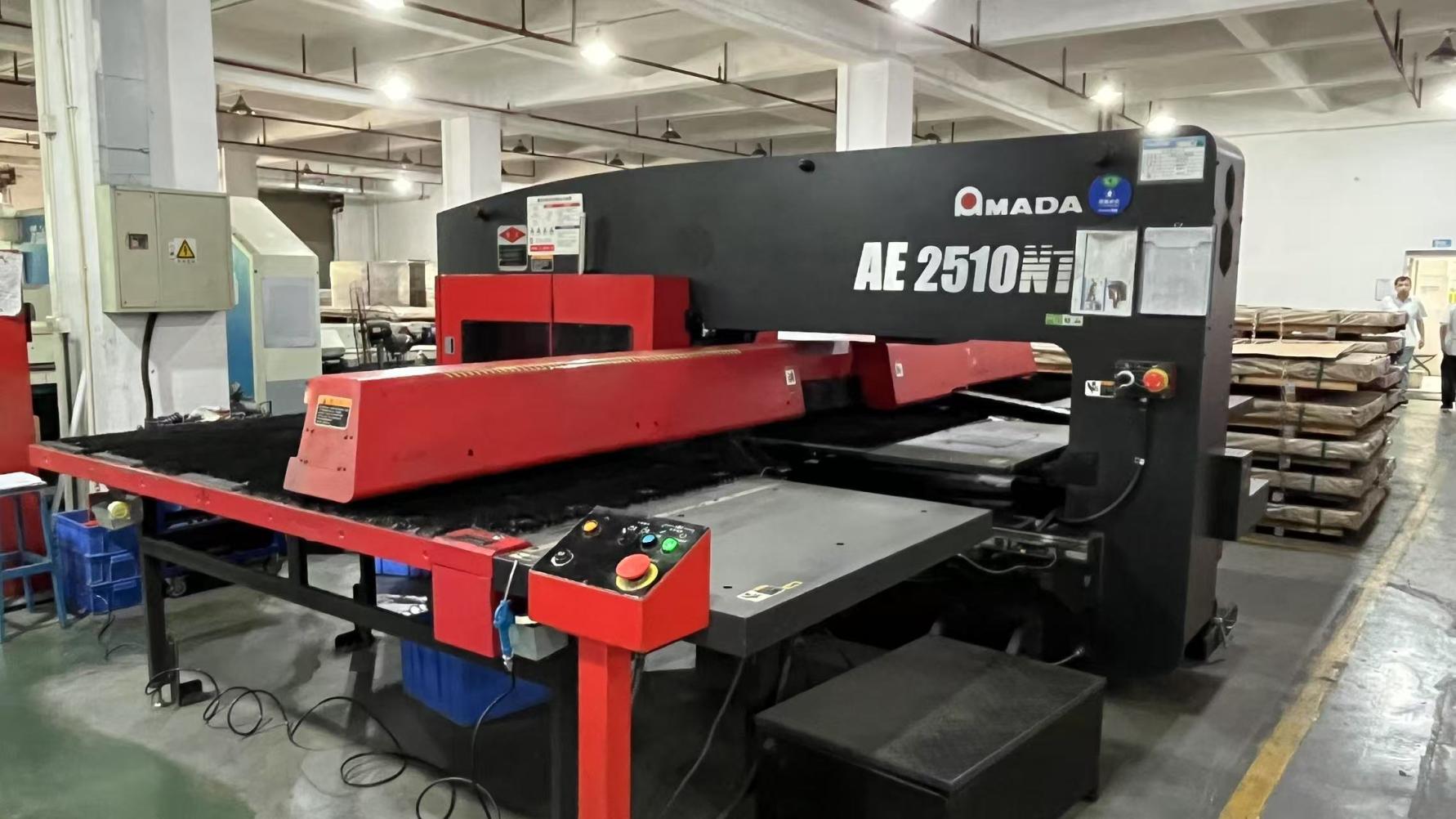
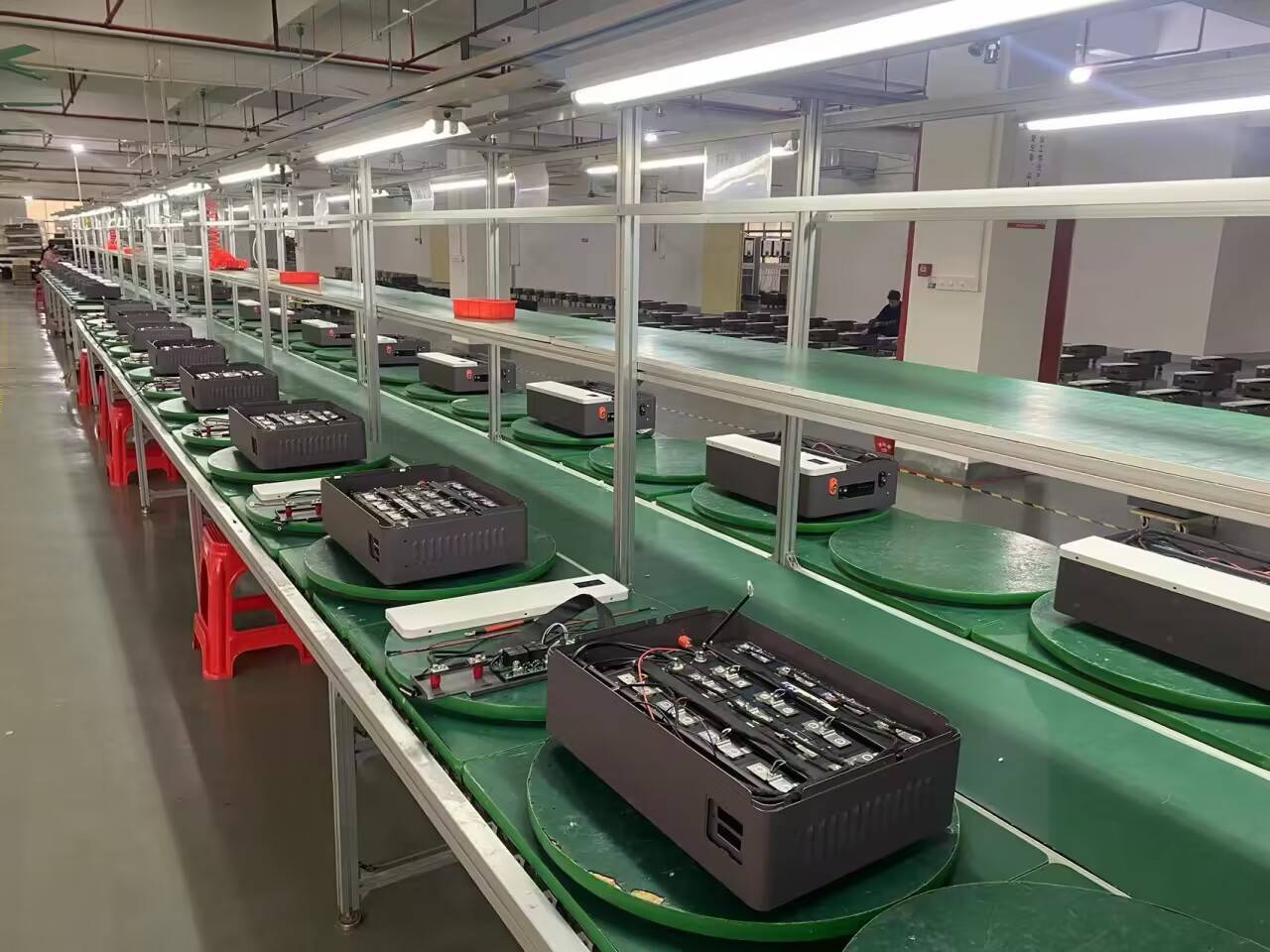
OptiLinker maintains strict static-controlled environments, class-10,000 cleanrooms, and automated testing bays to produce high-precision optical and electrical interface connectors.
The Ethernet switch landscape is shifting rapidly. Staying ahead of these trends is essential for sourcing departments looking to future-proof their network investments:
Data centers are rapidly adopting 800G and planning for 1.6T architectures. This evolution requires low-power QSFP-DD and OSFP form factors, along with advanced Modulation schemes such as PAM4 and Coherent optics to maintain transmission integrity over distance.
Traditional discrete optical component assembly is reaching its physical scaling limits. Silicon photonics integrates active optical elements directly onto silicon substrates, lowering manufacturing complexity, improving thermal dissipation, and reducing power draw.
Modern smart buildings and advanced IoT systems require both data and power. The migration to IEEE 802.3bt (PoE++) demands RJ45 magnetic connectors that can support up to 90W-100W of electrical current without saturating the magnetic cores, preserving high-speed signal pathways.
As a seasoned exporter, OptiLinker provides a structured, transparent process to align our manufacturing capabilities with your project requirements. Whether you need standard optical modules or customized connector profiles, we ensure consistent delivery:
Our sales engineers work with your team to determine the required compatibility profile (e.g., Cisco, Juniper, Arista, HPE, etc.), physical dimensions, pinouts, wavelength specifications, and link budgets.
Our 60 R&D engineers write and flash customized EEPROM/firmware configurations onto transceivers to ensure they bypass proprietary hardware lockouts, enabling seamless system integration.
We build engineering samples for field testing and verification. Upon approval, the batch is manufactured under strict ISO guidelines, with every module undergoing 100% functional validation.
Find quick answers to common queries regarding optical modules, compatibility, SFP cages, and Ethernet physical interfaces.
Explore our secondary lineup of physical layer connectivity solutions, SFP+ cages, high-frequency PCB modular jacks, and simplex/duplex transceivers.