OptiLinker
OptiLinker
OptiLinker
In the era of 5G, Big Data, and AI-driven cloud computing, the role of Media Converters has transitioned from simple "Copper-to-Fiber" bridges to sophisticated network edge nodes. As a leading hub for global electronics, China's Media Converter factories now supply over 70% of the world's networking hardware, offering an unparalleled blend of technological innovation, supply chain agility, and cost-efficiency.
This whitepaper explores the current landscape of the Chinese optical communication industry, focusing on how companies like OptiLinker Optoelectronics Co., Ltd. are redefining carrier-grade standards for international markets. By leveraging 12+ years of industry expertise, Chinese exporters are no longer just manufacturing components; they are architecting the future of global digital infrastructure.
Founded in 2016, OptiLinker Optoelectronics specializes in high-speed optical communication modules. Our engineering team excels in signal integrity optimization and protocol compatibility, ensuring seamless integration across CISCO, Juniper, and Huawei ecosystems.
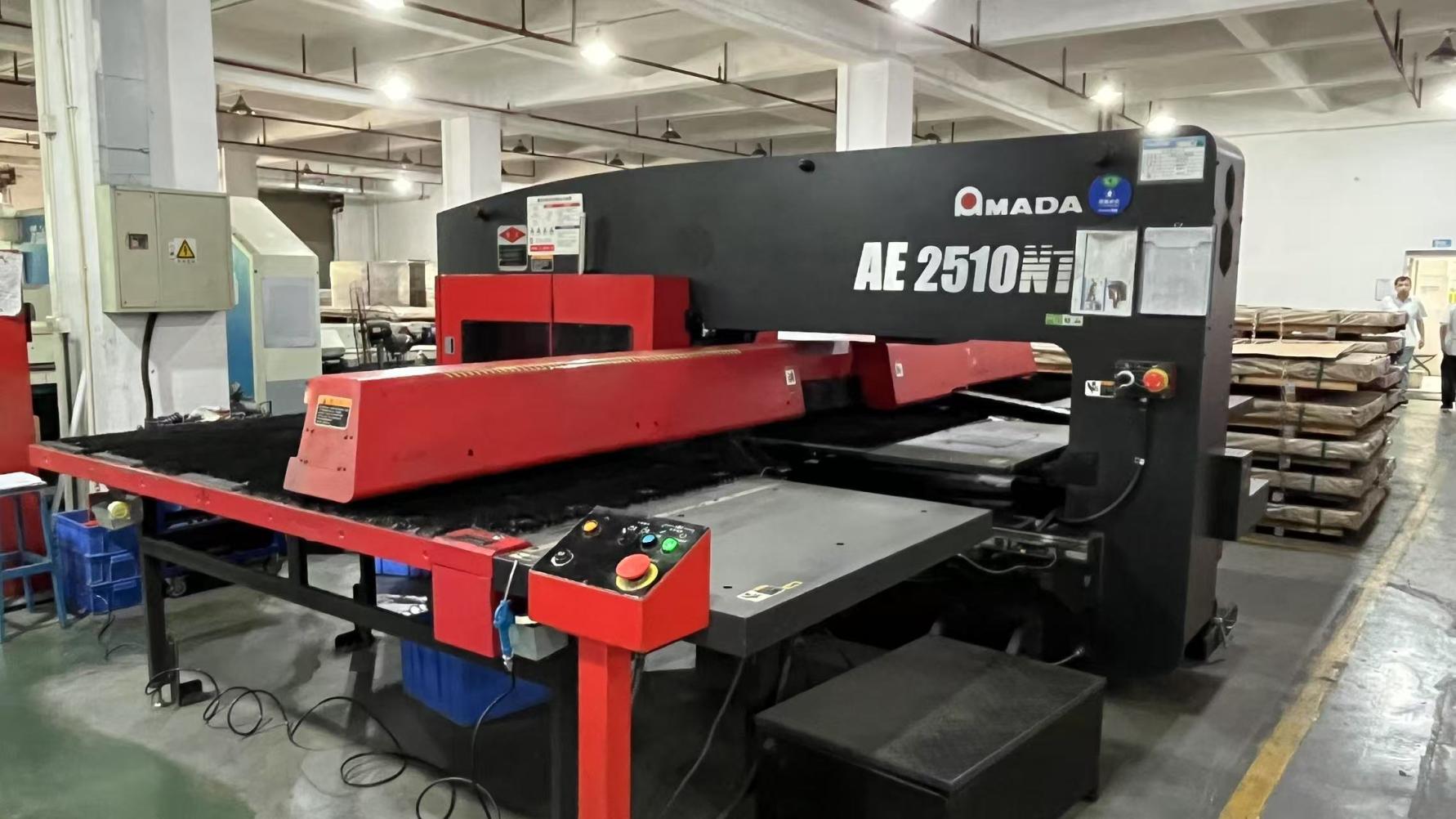
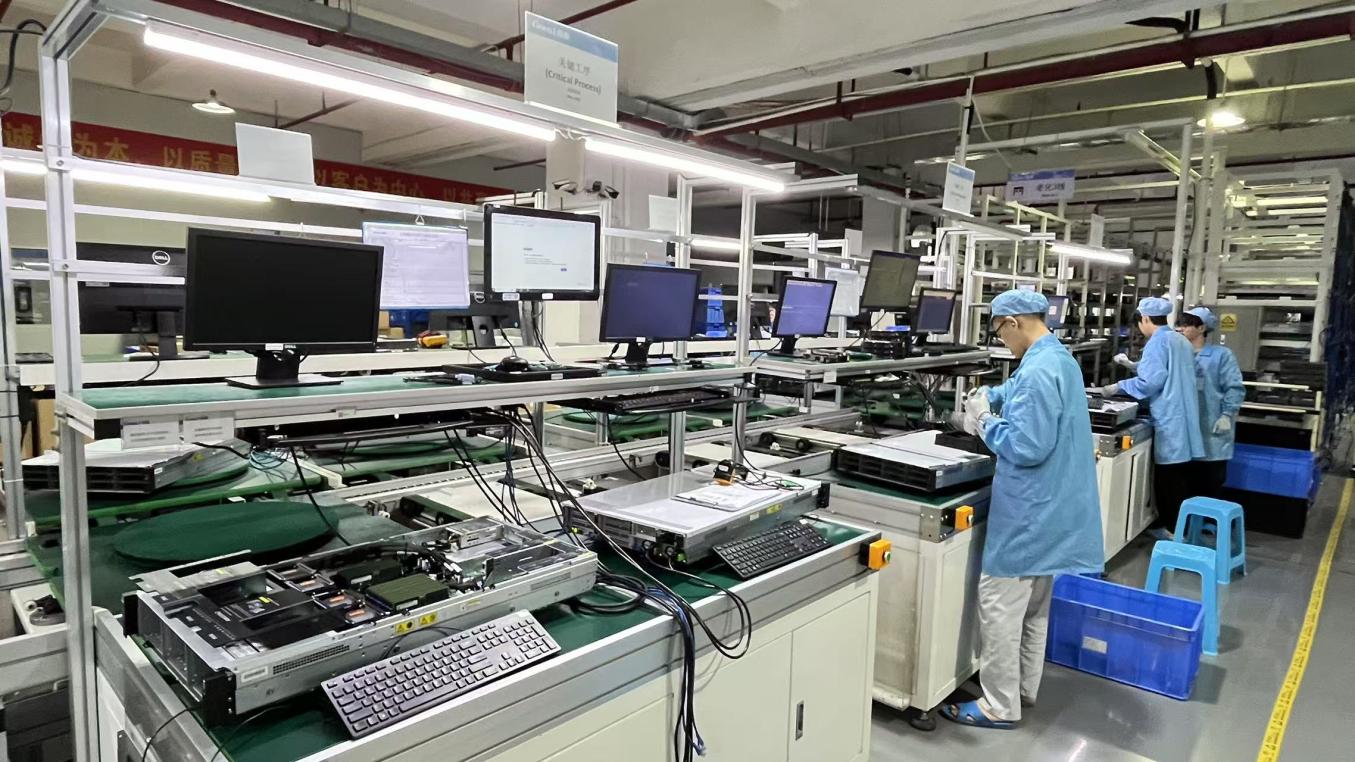
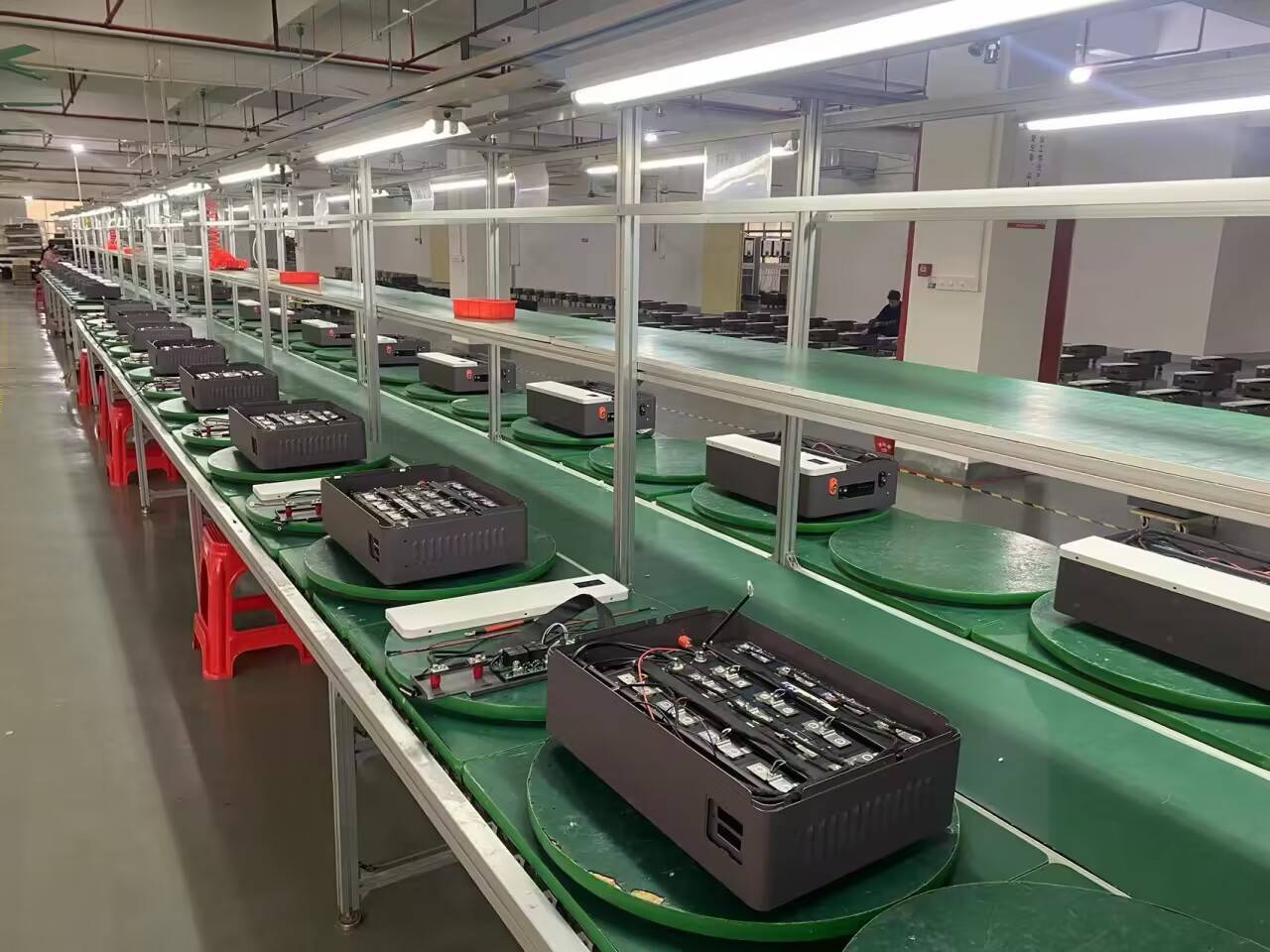
Operating a modern facility with AOI automated optical inspection and 100% material screening. We conduct rigorous BER testing and eye diagram analysis to guarantee stability in demanding data center environments.
With an export footprint spanning North America, Europe, and Southeast Asia, OptiLinker maintains a supply network of 850+ partners, ensuring stable production even during global supply chain fluctuations.
The competitive advantage of Chinese exporters lies in the "Cluster Effect" found in regions like Shenzhen and Wuhan (Optical Valley). This proximity to raw material suppliers and R&D labs allows for Rapid Prototyping and Massive Scalability.
Integration of PoE+ (Power over Ethernet) into Media Converters to power IP surveillance cameras and public Wi-Fi APs over long-distance fiber links, reducing cabling costs by up to 60%.
Transitioning to Hardened/Industrial Media Converters that operate in extreme temperatures (-40°C to +85°C), designed for smart grids, rail transport, and factory automation.
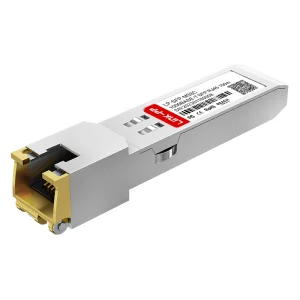
Adoption of low-power consumption chipsets in SFP transceivers to reduce the carbon footprint of massive server farms while maintaining 100G/400G throughput.
OptiLinker engineers utilize a comprehensive compatibility lab equipped with switches from Cisco, Arista, Juniper, and more. We provide custom EEPROM coding and firmware adjustments to ensure our modules are recognized as original or fully compatible hardware.
Unmanaged converters are "plug-and-play" for simple setups. Managed converters support SNMP (Simple Network Management Protocol), allowing IT teams to monitor link status, receive alerts, and troubleshoot remotely—crucial for carrier-grade deployments.
We employ a multi-stage QC process: 100% incoming material inspection, in-circuit testing during assembly, and a final 24-hour high-temperature burn-in test. Our 35-person QC team ensures every unit meets CE, FCC, and RoHS standards.
Yes. We specialize in BiDi (Bi-Directional) converters that use WDM technology to transmit and receive data over a single strand of fiber, effectively doubling fiber capacity for ISPs and campus networks.