OptiLinker
OptiLinker
OptiLinker
Explore our state-of-the-art optical components engineered for maximum signal integrity, minimal insertion loss, and compliant multi-source agreement (MSA) form factors.
In modern optical communications, hardware infrastructure planners and system architects face the ongoing challenge of increasing port density while keeping power dissipation and space use low. As optical distribution frames (ODFs), aggregation switches, and wireless base stations process more data, the standard Small Form-Factor Pluggable (SFP) footprint can limit density. This is where the Compact SFP (CSFP) connector provides a key advantage.
By using a multi-channel design, CSFP interfaces double the port density of standard SFP systems. Instead of allocating one cage port to a single channel, a CSFP connector houses two independent bidirectional channels in a standard single-port SFP package. When sourcing these components from leading Chinese manufacturers, purchasers must look beyond basic unit pricing. Evaluating technical specifications such as high-temperature durability, electromagnetic interference (EMI) containment, multi-vendor firmware compatibility, and mechanical tolerances helps ensure reliable, long-term network performance.
How engineering advancements in signal integrity, material science, and mechanical structure are shaping high-density networking infrastructure.
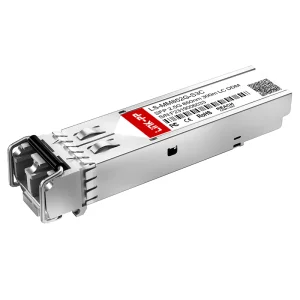
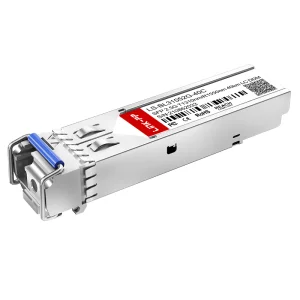
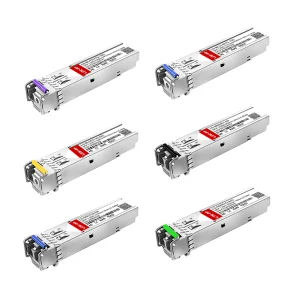
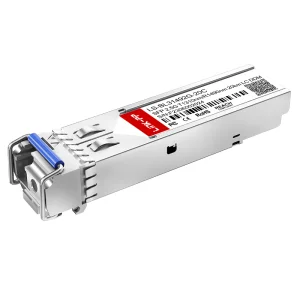
Modern CSFP options use integrated single-fiber bidirectional (BiDi) transceiver architectures. By transmitting on 1310nm and receiving on 1490nm (or vice-versa) within one physical optical port, optical sub-assembly (OSA) layouts achieve high efficiency, helping operators double capacity without running new fiber cables.
Doubling the transceivers in a single cage increases thermal density. Modern CSFP connectors and cage designs feature built-in heat sinks and thermal interface materials (TIMs) that operate reliably up to 85°C. This prevents thermal degradation and extends the lifespan of active optoelectronics.
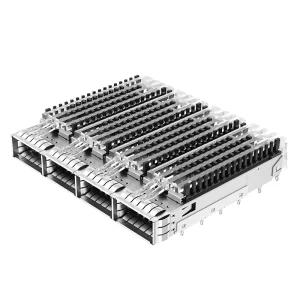
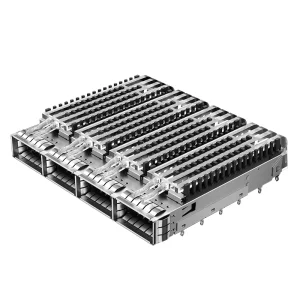
High-speed data lanes are prone to near-end crosstalk (NEXT) and far-end crosstalk (FEXT). Advanced CSFP connector cages feature physical ground-plane shielding and press-fit pins. This structure isolates high-frequency signal lines and maintains clean eye diagrams even at 10Gbps and 25Gbps per channel.
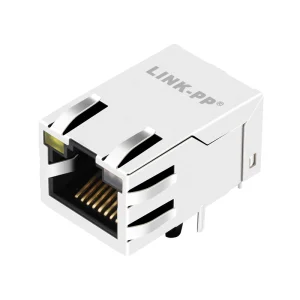
Sourcing connectors with integrated light pipes allows system technicians to monitor port link status directly. Modern SFP cages use precision-molded polycarbonate light pipes that transmit diagnostic LED light from the host PCB to the front panel, combining mechanical durability with functional design.
| Interface Type | Physical Dimension Compatibility | Channels per Slot | Common Wavelength Schemes | Primary Target Applications |
|---|---|---|---|---|
| Standard SFP / SFP+ | Baseline SFP Port (INF-8074i) | 1 Channel (Tx + Rx over Duplex LC) | 850nm / 1310nm / 1550nm Duplex | Enterprise LAN, Storage Area Networks (SAN) |
| Compact SFP (CSFP Option 1) | Standard SFP Port Mechanical Profile | 2 Channels (2x BiDi LC Ports) | 1310nm-Tx / 1490nm-Rx (Bidirectional) | FTTH FTTB Access Networks, Metros |
| QSFP+ / QSFP28 | Larger Footprint than SFP | 4 Channels (MPO or Duplex LC) | CWDM4, SR4 (850nm Parallel Optical) | Hyperscale Data Center Interconnects (DCI) |
| SFP-DD (Double Density) | Standard SFP Port (Backwards Compatible) | 2 Channels (High-Speed electrical interface) | 850nm / PAM4 Wavelengths | Next-Gen 100G Edge Routers, 5G Front-haul |
When sourcing optical transceiver systems, partnership reliability is just as important as technical specifications. OptiLinker Optoelectronics Co., Ltd. (OptiLinker) is an established manufacturer specializing in high-speed optical communication modules for global telecom and data center networks under the OptiLinker brand (www.optilinkertrans.com).
Founded in 2016, OptiLinker manages a specialized optical communication facility, incorporating over 12 years of industry engineering experience and 8 years of export operations. The company meets the technical and compliance requirements of buyers in North America, Europe, Southeast Asia, and the Middle East, generating an annual export revenue of approximately USD 12 million.
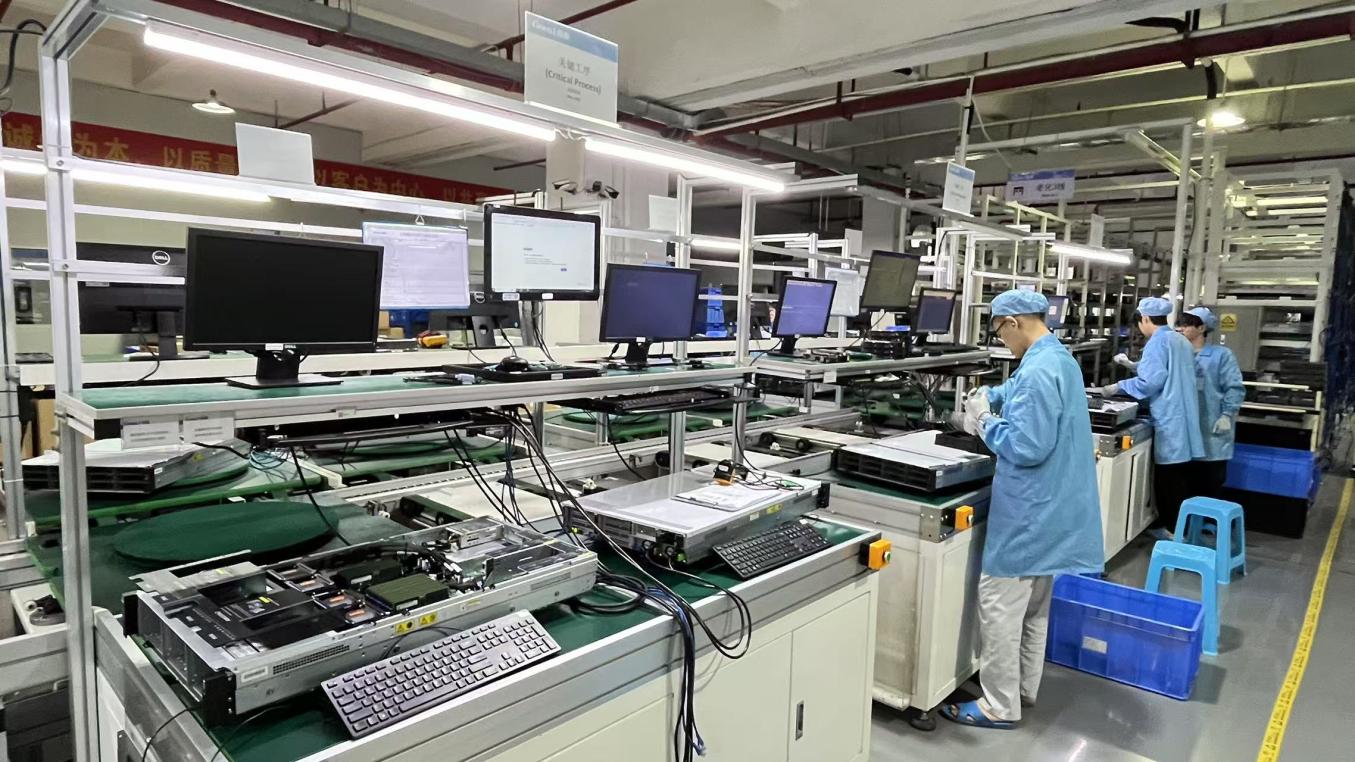
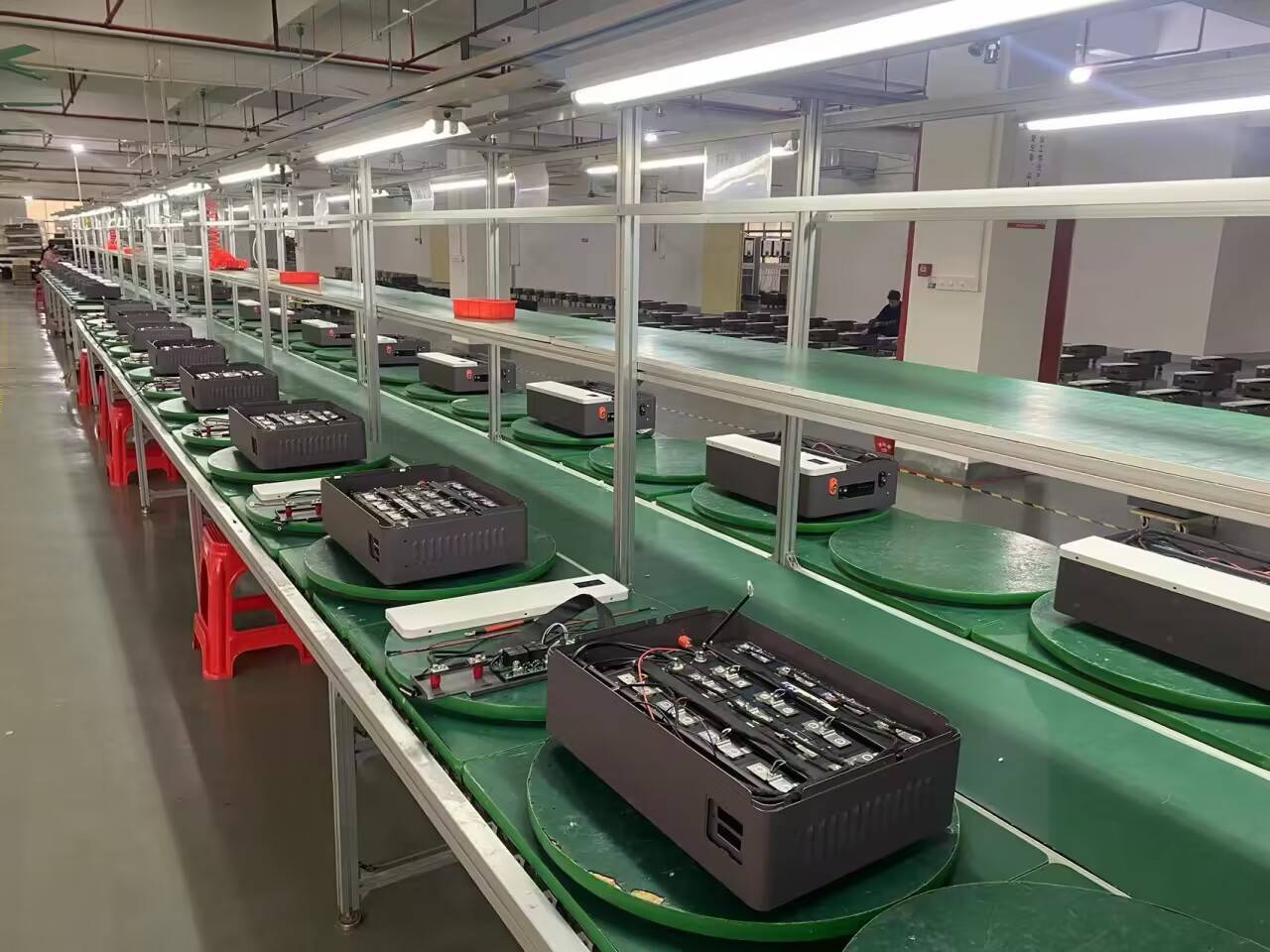
Rather than relying on manual production, OptiLinker integrates automated manufacturing and testing procedures. With a collaborative supply network of approximately 850 partners, the factory manages materials efficiently to keep lead times short. This supply-chain flexibility helps global clients maintain consistent production schedules even during components shortages.

From standard commercial applications to rugged, high-reliability industrial networks, our interconnect portfolio supports global infrastructure projects.
For central offices and edge distribution hubs, maximizing spatial efficiency is a priority. CSFP connectors double port density, allowing network engineers to split a single physical interface into two distinct logical channels. This expansion avoids costly hardware upgrades and simplifies maintenance in crowded distribution centers.
Hyperscale facilities require stable, high-speed connections that can handle constant workloads. Sourcing transceivers with optimized PCB layout structures, precise gold-finger plating, and reliable EMI shielding helps reduce packet loss and bit error rates, ensuring consistent uptime across server racks.
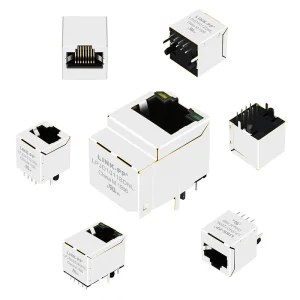
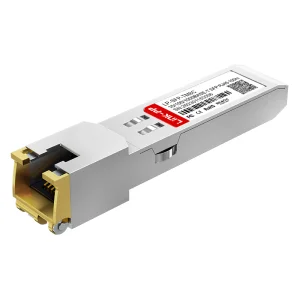
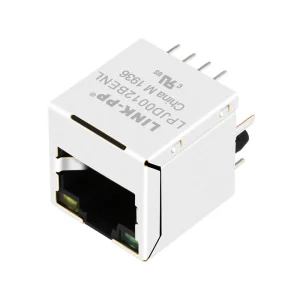
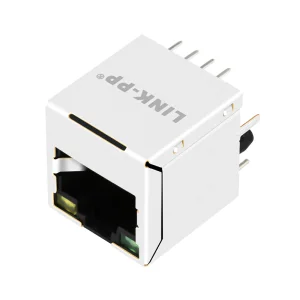
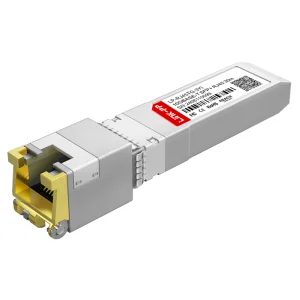
Substations, smart grid nodes, and industrial automation networks operate in challenging conditions. Using rugged, waterproof RJ45 modular jacks and wide-temperature copper SFPs protects key connections from dust, moisture, and extreme temperatures ranging from -40°C to +85°C.
Quality and stability are critical for high-speed network connections. OptiLinker enforces a comprehensive verification program to ensure every shipped transceiver matches strict performance standards:
All incoming PCBs, laser diodes (TOSA/ROSA), and mechanical components go through complete material inspection. We use Automated Optical Inspection (AOI) to verify component placement and solder joint reliability, preventing structural defects during high-volume assembly.
Active modules are tested for optical output power, extinction ratios, and eye diagram compliance. This process keeps jitter and noise to a minimum, ensuring clean signal paths when integrated into multi-vendor switch architectures.
We perform detailed BER testing on each transceiver over its specified distance (e.g., 300m, 20km, 40km) to ensure error-free transmission. This validation helps prevent data transmission delays and unexpected packet drops.
Modules undergo high/low temperature cycling tests to confirm physical stability under fluctuating workloads. We also program the EEPROM to ensure seamless compatibility with major host equipment brands like Cisco, Juniper, HW, and Moxa.
In global telecom procurement, hardware compatibility is critical. Because network operators often run multi-vendor infrastructures, SFP connectors and active transceivers must be highly adaptable. OptiLinker's engineering department supports these demands with specialized customization services:
Get authoritative answers on performance, mechanical integration, and global sourcing requirements for high-density networks.
A standard SFP/SFP+ cage supports a single optical channel (using one transmitter and one receiver). In contrast, a Compact SFP (CSFP) design houses two independent optical transceiver channels within the same physical dimensions. This setup allows hardware designers to double port density on switches and line cards without redesigning enclosures or altering rack configurations.
High-speed electrical signals generate electromagnetic fields. In high-density switches, electromagnetic interference (EMI) can leak from the spaces between SFP connectors, leading to signal jitter and data errors. Cages equipped with EMI spring fingers create a continuous electrical path to the system chassis ground, keeping interference contained and shielding adjacent cards from crosstalk.
We maintain a comprehensive host test lab featuring switches and routers from Cisco, Juniper, HW, Moxa, and other leading manufacturers. By programming the EEPROM with compatible vendor-specific identifiers and checksum keys, we ensure the host hardware recognizes our modules, preventing warning flags or port shutdowns.
Since a CSFP module packs twice the optical and electrical components into a standard footprint, it generates higher heat density. If this thermal buildup is not managed, it can degrade laser performance. We design our SFP cages with dedicated through-hole heat sinks and optimize internal airflow paths to keep operating temperatures stable under full data loads.
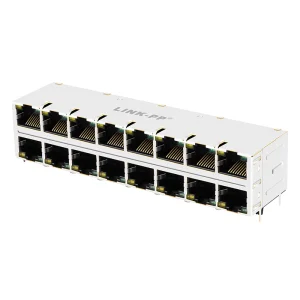
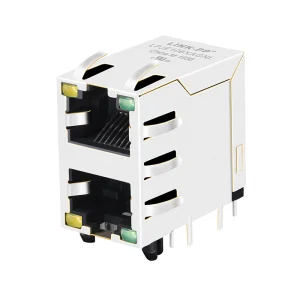
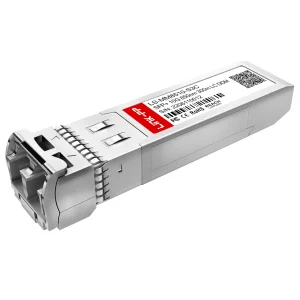
Select from our range of physical layers, including multi-port shielding systems, industrial-grade copper transceivers, and rugged PoE jacks.