OptiLinker
OptiLinker
OptiLinker
High-performance network modules and structural connectors engineering seamless optical architectures.
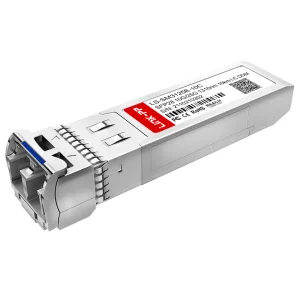
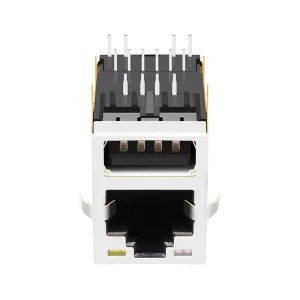
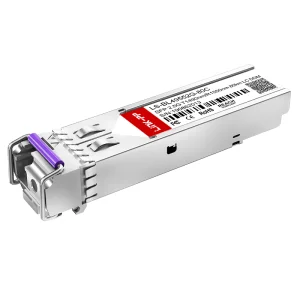
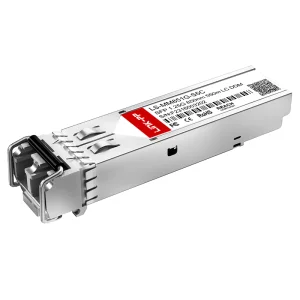
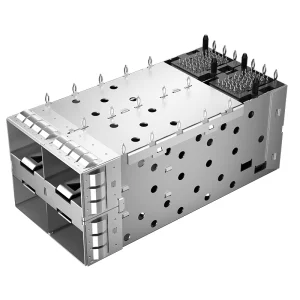
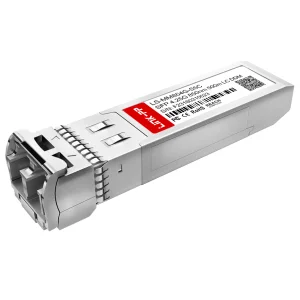
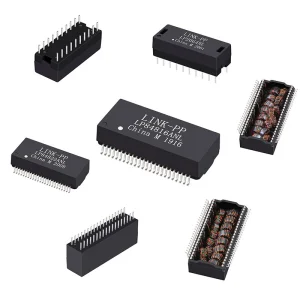
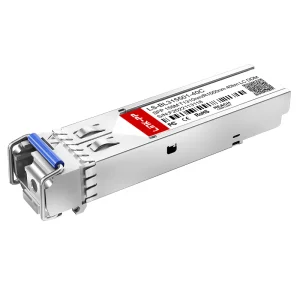
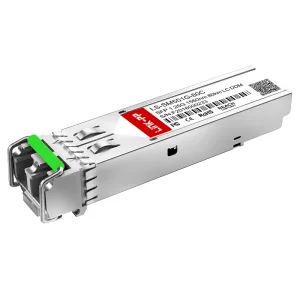
In the era of hyper-scale cloud data centers, 5G cellular communication networks, and global fiber-to-the-home (FTTH) architectures, the **Single Mode SFP (Small Form-factor Pluggable) module** has transitioned from a specialized long-haul networking tool to the foundational bedrock of global telecommunication pipelines. Unlike multi-mode fibers (MMF) that operate on wider core diameters and are restricted to short distances due to modal dispersion, single-mode fiber (SMF) setups use a narrow core of 8 to 10 micrometers. This physical attribute allows a single light ray to propagate along a single path, virtually eliminating modal dispersion and permitting transmission distances that scale from 10 kilometers up to 120 kilometers and beyond without signal degeneration.
Currently, the global optical transceiver market is undergoing a structural transformation. Industrial applications in remote utility sensing, offshore wind farms, smart transportation, and financial trading desks demand low-latency, high-throughput transceivers. Sourcing teams and system engineers are faced with the critical challenge of evaluating high-performance components that adhere to strict Multi-Source Agreements (MSA). SFP modules are required to operate reliably under extreme temperature profiles (ranging from -40°C to 85°C for industrial grade) and maintain highly calibrated Digital Diagnostics Monitoring (DDM/DOM) reporting. Consequently, understanding the global manufacturing landscape is paramount to ensuring network stability and minimizing operational expenditures.
Migration from 10G/25G to 100G/400G and future 800G form factors within dense, spine-and-leaf network architectures.
Hardened transceiver options deployed in smart grids, rail networks, and outdoor telecom cabinets with extreme thermal variations.
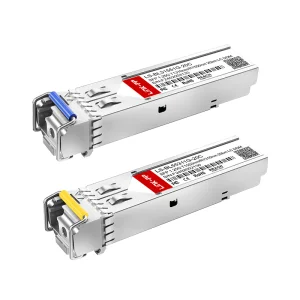
Broad utilization of CWDM, DWDM, and BiDi technologies to maximize bandwidth over single-strand or dual-strand physical fiber.
When procuring single-mode optical transceivers at scale, focusing solely on the per-unit cost can lead to catastrophic network down-time, protocol mismatches, and premature hardware failure. Technical procurement teams utilize a multi-layered verification framework to filter top-tier factories. A reliable manufacturer must display competence in:
Optical Manufacturing Expertise
Dedicated R&D Engineers
Quality Assurance Experts
New Products Launched Annually
An Industry-Leading Manufacturer of High-Speed Optical Modules & Integrated Transceiver Platforms
OptiLinker Optoelectronics Co., Ltd. is a premier, specialized optical transceiver manufacturer and comprehensive solution provider operating under the globally recognized brand OptiLinker (www.optilinkertrans.com). The company specializes in the design, engineering, and high-volume fabrication of high-speed optical communication modules engineered for modern data centers, telecom infrastructures, and industrial Ethernet deployments.
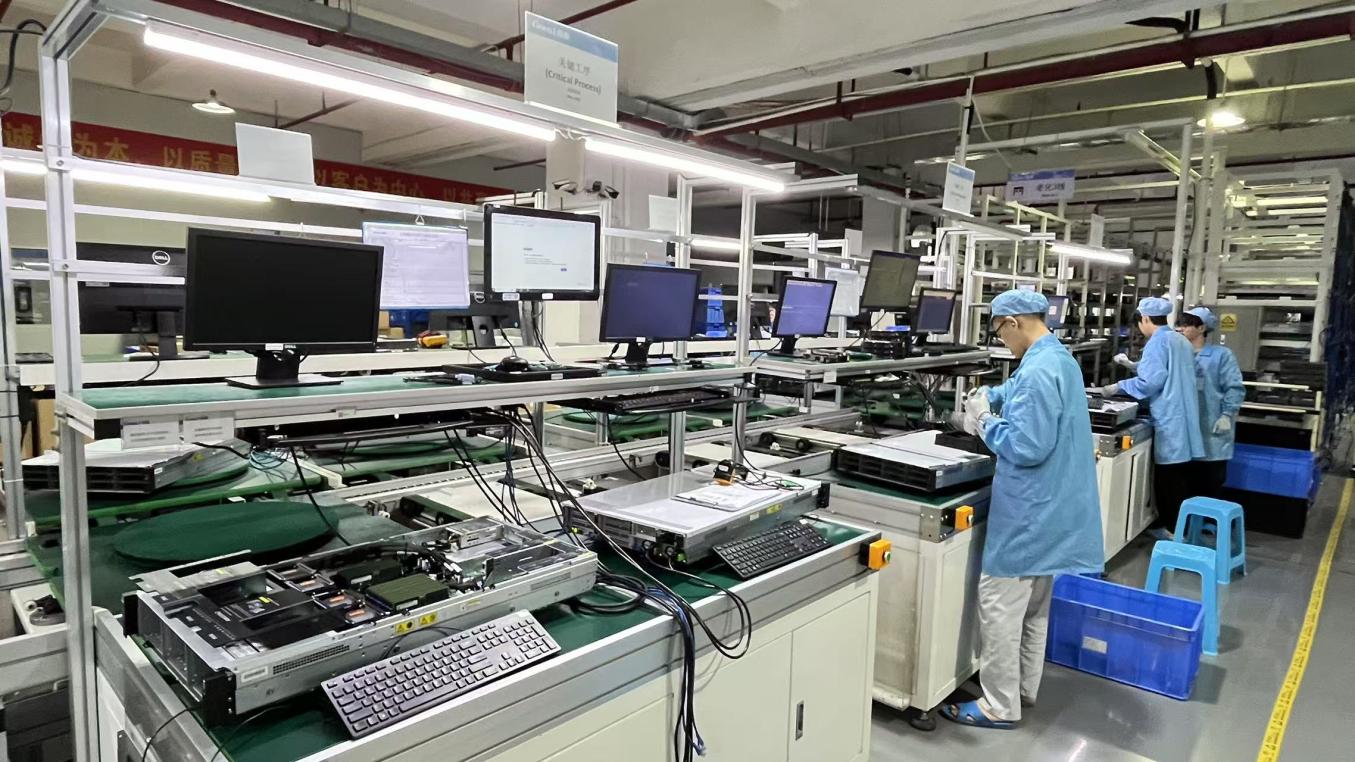
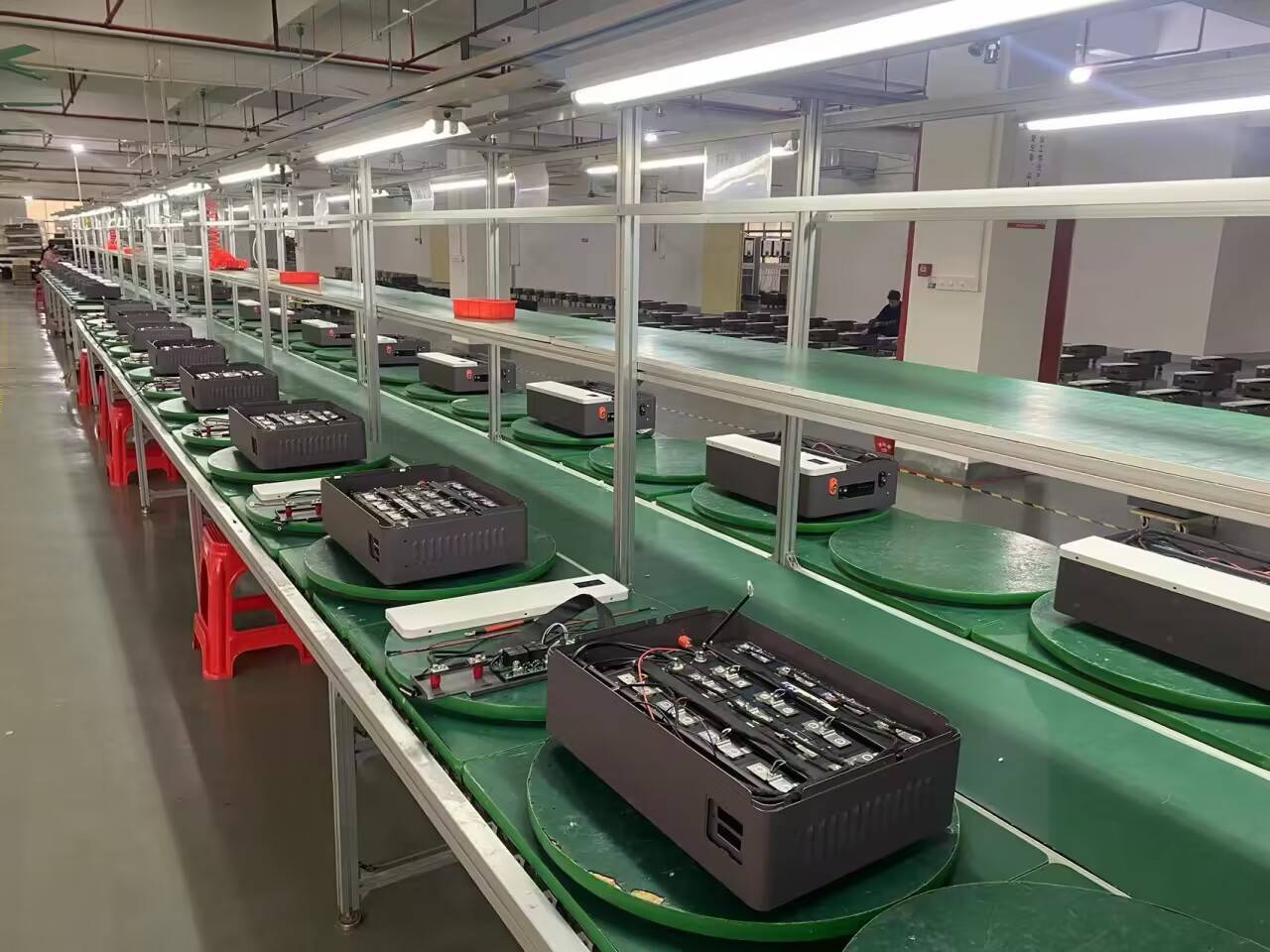
Established in 2016, OptiLinker manages a highly optimized, state-of-the-art production cleanroom and R&D center with a total building footprint of approximately 320m². Backed by a deep legacy of innovation in active optical cables and transceiver alignments, the core technical team brings over 12 years of industry experience, backed by 8 years of international export operations.
OptiLinker's commercial success is reflected in its robust global footprint, achieving an **annual export revenue of USD 12 million** in the past fiscal year. The organization operates as a trusted partner for telecom operators, system integrators, and networking OEMs across **North America, Europe, Southeast Asia, and the Middle East**.
Quality is a non-negotiable benchmark at OptiLinker. The facility executes a **100% incoming material inspection**, automated optical inspections (AOI), and full-scale optoelectronic performance testing. The verification regime includes rigorous Bit Error Rate (BER) analysis, eye diagram profiling to ensure jitter compliance, and thermal cycling tests to ensure uninterrupted operations. This entire operation is monitored by a team of 35 dedicated QC professionals.
Leveraging an extensive supply chain ecosystem comprising over 850 strategic partners, OptiLinker maintains stable material sourcing, preventing component bottlenecks. Supported by a robust engineering core of 60 optical R&D engineers, OptiLinker excels in customizable parameters, including wavelength tuning, transmission distances, diverse packaging options, and firmware compatibility programming.
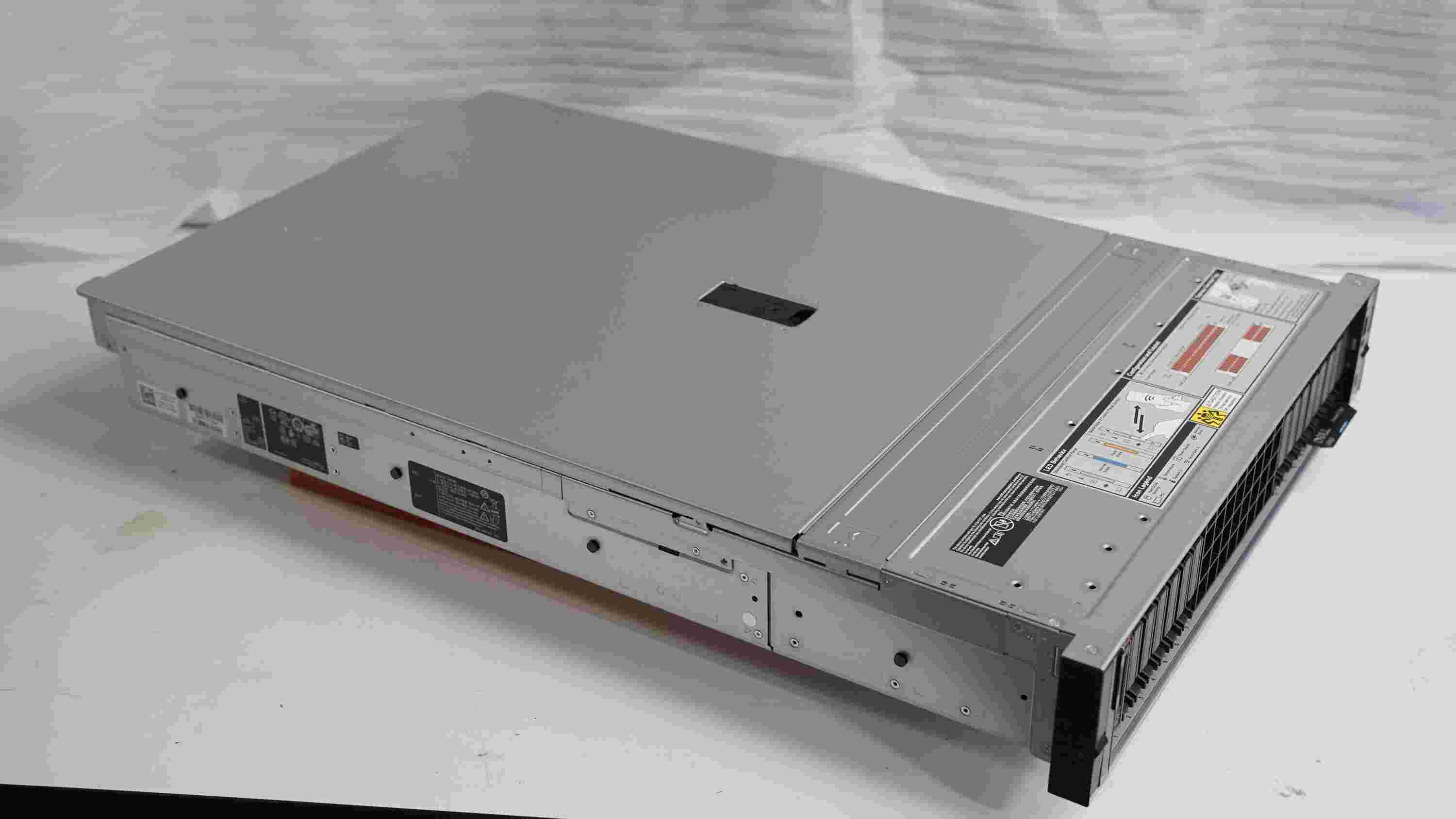

The roadmap of single-mode optical interfaces is governed by the insatiable demand for bandwidth density and electrical efficiency. As network architectures transition from classic NRZ (Non-Return-to-Zero) modulation to PAM4 (Pulse Amplitude Modulation 4-Level) and coherent detection, manufacturers are pushing the envelope of physical layer optics.
Single Mode SFP Modules are deployed across diverse and demanding vertical industries. Because single-mode lasers (typically 1310nm, 1550nm, or CWDM/DWDM grids) can maintain phase alignment and signal strength over long runs, they serve as the backbone for critical applications:
Connecting Remote Radio Heads (RRH) to Baseband Units (BBU) via high-speed, low-latency BiDi (Bidirectional) SFP modules. These modules utilize wavelength division multiplexing (e.g., 1270nm TX / 1330nm RX) to send and receive signals over a single strand of fiber, optimizing fiber lease costs for mobile operators.
Linking core switch clusters to edge routers. While multi-mode fiber is common within individual server racks, single-mode transceivers (like CWDM4 and LR4) are required to bridge larger spans within mega data center campuses, where cabling runs routinely exceed 500 meters.
Electrical substations demand electromagnetic interference (EMI) immune communications. Single-mode SFP modules enable industrial Ethernet switches to communicate across high-voltage yards, transmitting telemetry and protection data over tens of kilometers without risk of ground loop interference.
Addressing standard architectural and deployment queries raised by network engineers and procurement teams.
Industrial-grade components supporting high-performance enterprise and carrier-class deployments.