OptiLinker
OptiLinker
OptiLinker
Direct from factory sourcing solutions featuring certified compatibility, rugged design, and optimized insertion loss performance.
In the era of hyper-scale computing, 5G architectures, and AI-driven data workloads, the demand for stable, ultra-low loss fiber optic connectors is surging. Connectors serve as the fundamental mechanical links that align the core-to-core optical pathways. Even a deviation of a single micrometer can lead to massive insertion loss (IL) and return loss (RL) degradation, causing link outages across enterprise networks.
With data transfers transitioning from 100G and 400G up to 800G and 1.6T systems, multi-fiber configurations such as MPO-12, MPO-24, and ultra-dense SN/CS connectors have become critical components in system architecture.
Standard grade connectors with Insertion Loss ≤ 0.3dB are no longer sufficient for multi-span single-mode telecom lines. Advanced carrier operations mandate ultra-low-loss profiles below 0.15dB to prevent optical budget exhaustion.
Global integration requires total adherence to standards like Telcordia GR-326-CORE, IEC-61754, RoHS, and REACH. Reliable suppliers must demonstrate rigorous quality metrics across all exported items.
OptiLinker is an optical transceiver manufacturer and connection solution provider under the brand OptiLinker (www.optilinkertrans.com). The company specializes in designing, testing, and manufacturing optical components optimized for high-performance telecom infrastructure and hyperscale cloud systems.
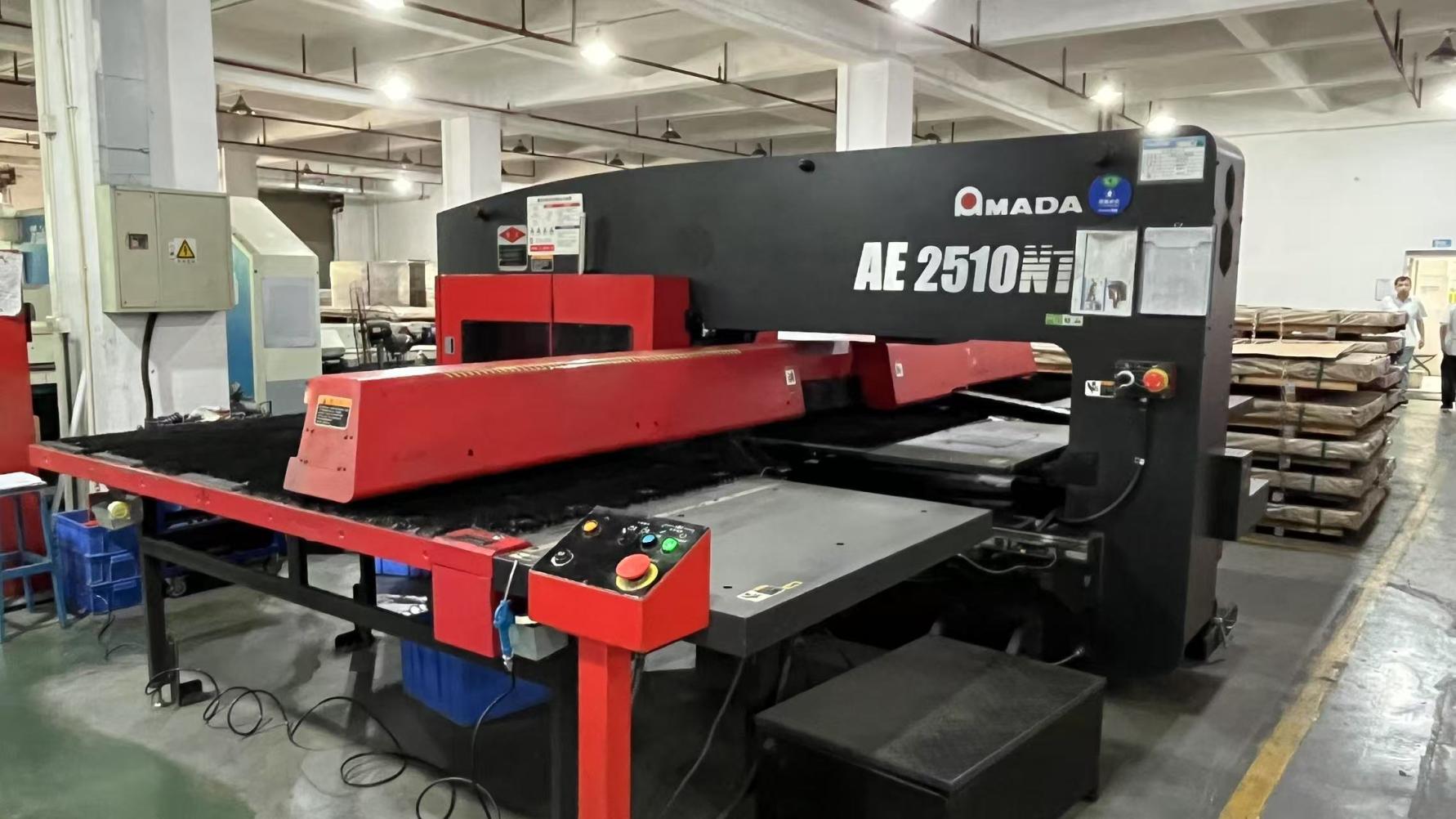
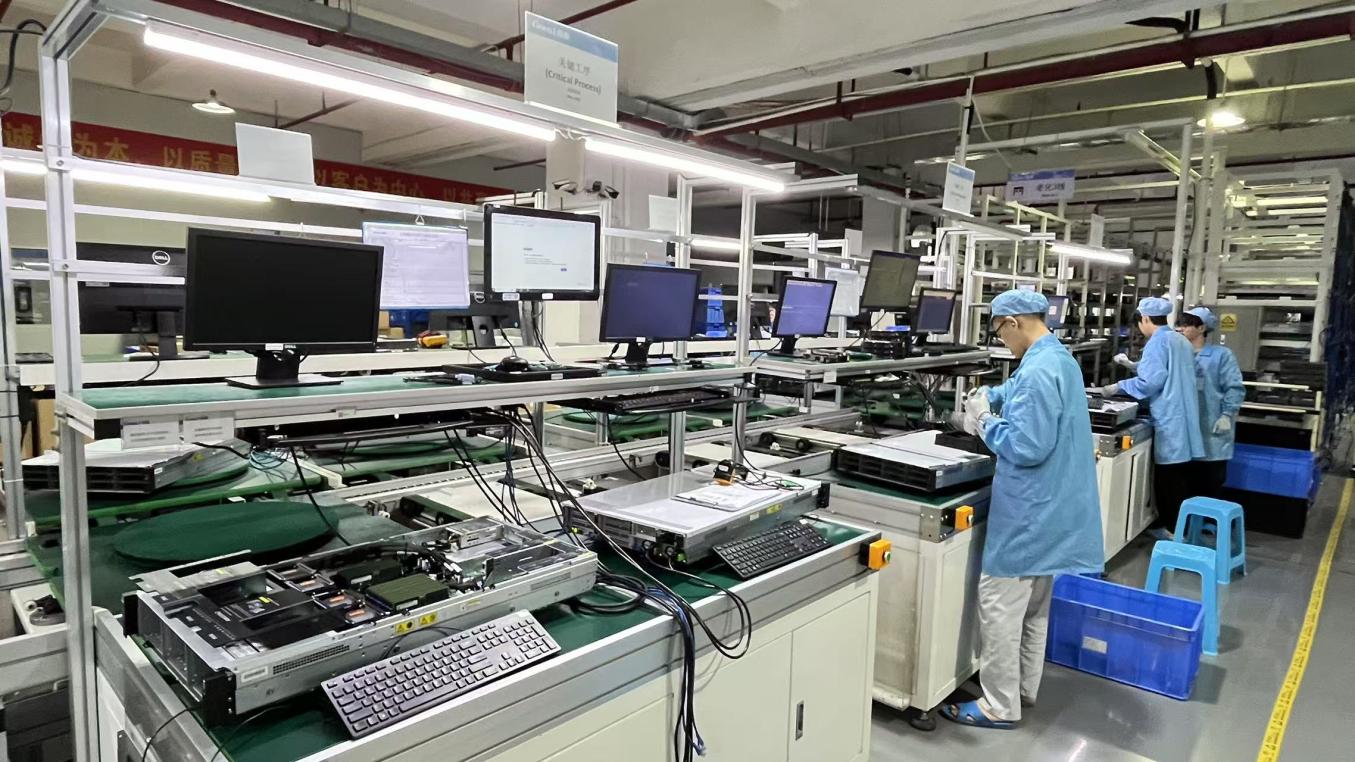
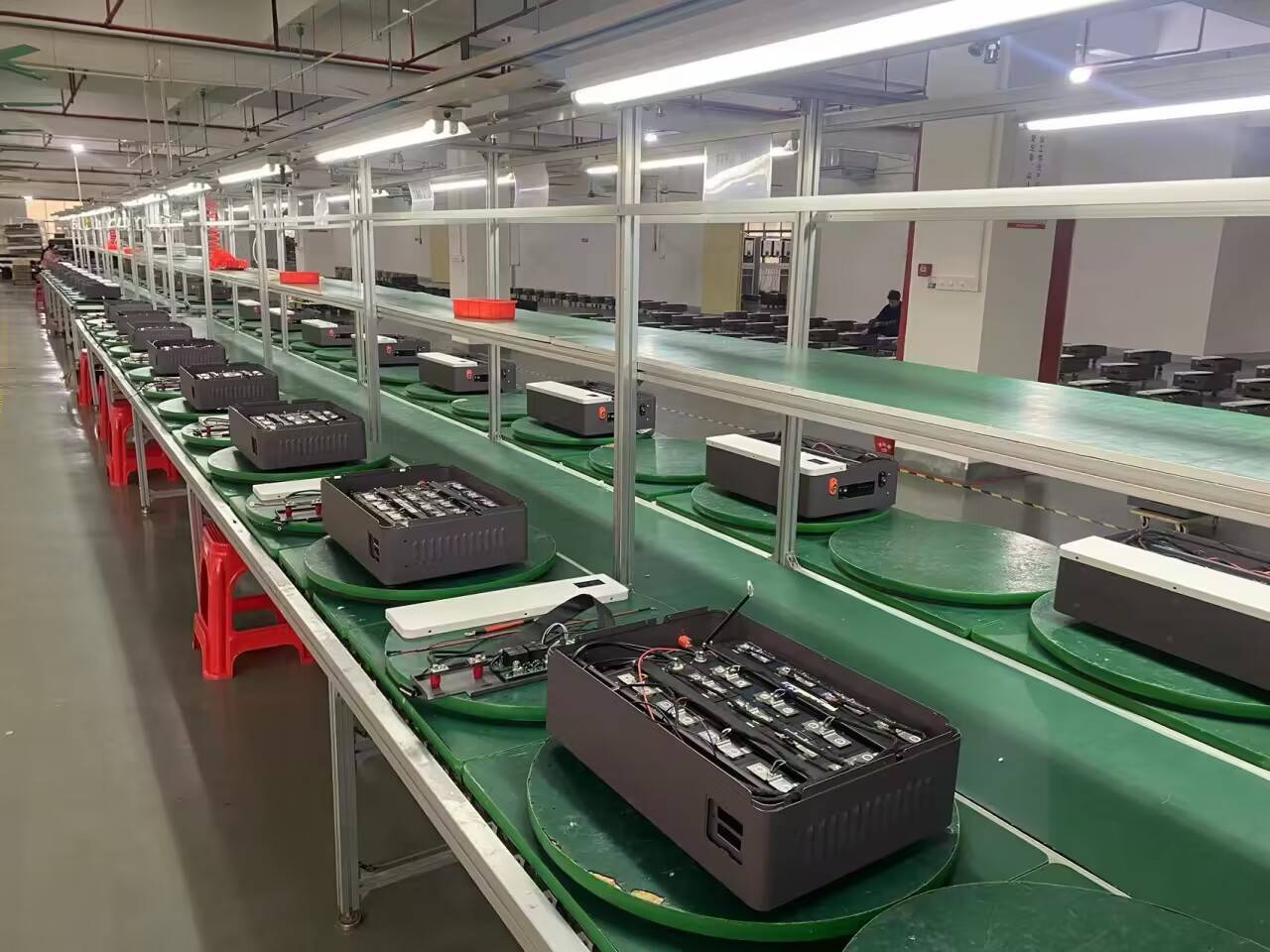
Founded in 2016, OptiLinker utilizes a facility covering approximately 320㎡. Relying on 12 years of industry engineering experience and 8 years of export experience, OptiLinker has expanded its market reach across North America, Europe, Southeast Asia, and the Middle East.
Annual Export Value (USD)
Quality Assurance Professionals
Global Supply Chain Partners
Dedicated Optical Engineers
An objective evaluation of key global entities based on engineering capabilities, production scales, quality control structures, and export capacities.
Based in China, OptiLinker is a specialist in custom OEM/ODM optical transceivers and high-performance LC/MPO components. Features a 60-engineer R&D division, a library of 120+ new yearly designs, and comprehensive compatibility coding systems.
A global leader in connectors, sensor systems, and cabling. TE is known for producing rugged, industrial-grade fiber optic cages, press-fit assemblies, and connectors that support harsh-environment defense, aerospace, and carrier applications.
Amphenol specializes in manufacturing high-density fiber connectors, circular mil-spec interfaces, and hybrid fiber/copper cables. Its offerings are widely utilized across military communication systems and offshore marine exploration sectors.
Widely regarded as the pioneer of low-loss optical fiber, Corning produces robust pre-terminated cabling frameworks, specialized MT ferrules, and hardened outdoor drop connectors (OptiTap) configured for modern FTTH rollouts.
A Japanese innovator that developed CS and SN connectors, which have become industry standards for ultra-high-density patching within next-generation QSFP-DD/OSFP breakout transceiver interfaces.
Specializes in precision-engineered Swiss physical layer infrastructure. Hubner+Suhner designs low-loss structured cabling networks, optical distribution frames (ODF), and highly reliable industrial-grade components.
The developer behind MTP brand multi-fiber connectors. US Conec provides MT ferrules, high-precision alignment guide pins, clean tools, and termination equipment used by major patch cord assemblers globally.
Known for precision connector engineering, Hirose produces micro-connectors, active optical board-to-board links, and custom push-pull optical connections used in medical imaging and industrial machinery.
Molex produces a comprehensive range of fiber solutions, including EMI-shielded adapters, high-density optical backplanes, and custom multi-fiber cable assemblies designed for high-throughput telecom switches.
Radiall is a premier manufacturer of high-reliability interconnect components. Radiall designs ruggedized optical connectors, LuxCis transceivers, and multi-channel modular interfaces for harsh aviation and aerospace applications.
China continues to serve as a hub for optical communications equipment manufacturing. The supply ecosystem offers distinct advantages for global enterprises seeking reliable sourcing:
Sourcing optical networks across international borders requires navigating complex trade and regulatory compliance requirements. Top-tier exporters maintain dedicated compliance frameworks to ensure smooth delivery and integration.
| Regulatory Standard | Technical Focus Areas | Impact on Procurement Decisions |
|---|---|---|
| RoHS 3 (2015/863/EU) | Restricts heavy metals (Lead, Cadmium, Mercury) in plastic housings and solder alloys. | Mandatory requirement for deploying networking systems inside EU and North American markets. |
| REACH (EC 1907/2006) | Monitors SVHC (Substances of Very High Concern) within polymers and adhesives. | Ensures environmental safety and prevents import blockages at European points of entry. |
| Telcordia GR-326-CORE | Specifies optical performance, reliability, and environmental aging tolerances. | The standard validation benchmark for telecom network deployments. |
| CE / FCC Certification | Electromagnetic interference compliance for active transceivers and media converters. | Required to prevent interference in high-density carrier spaces. |
Reliable operations require direct access to Field Application Engineers (FAE) who can assist with firmware compatibility updates, custom wavelength configurations, and diagnostic analysis of signal performance issues.
Global logistics support includes customized packaging, barcode systems, local hub warehousing, and DDP shipping configurations to streamline international delivery processes.
Leading suppliers provide comprehensive quality records, including serialization, insertion loss maps, interferometer measurements, and return loss data sheets for every production run.
As networks scale to meet the demands of AI compute clusters and high-density switches, optical interconnect technology continues to advance rapidly.
By integrating the optical engine directly onto the same substrate as the network switch ASIC, CPO minimizes electrical trace distances. This integration reduces latency and power consumption, shifting standard pluggable form factors toward fiber interfaces linked to internal silicon engines.
High-density architectures are transitioning from standard LC and MTP assemblies to space-saving interfaces such as SN and CS. These ultra-dense connectors allow network operators to deploy up to four times the density of traditional patch panels.
Coherent optics and dense wavelength division multiplexing (DWDM) require exceptionally low optical back-reflections. Modern manufacturing relies on Angled Physical Contact (APC) polishing configurations to maintain return losses exceeding 65dB.
Addressing the technical, commercial, and operational questions commonly raised by system engineers and procurement professionals.
The difference lies in the polish profile of the ferrule end-face. UPC (Ultra Physical Contact) connectors are polished flat, yielding a typical return loss of -50dB. APC (Angled Physical Contact) connectors feature an 8-degree angled ferrule end-face, causing back-reflected light to escape into the fiber cladding. This results in a superior return loss of ≤ -65dB, which is crucial for high-speed single-mode systems, analog optical video signals, and DWDM networks.
OptiLinker addresses hardware compatibility through custom EEPROM scripting. Utilizing target-specific software images loaded onto each transceiver's microcontroller, the company validates performance against major network equipment manufacturers (like Cisco, Arista, Juniper, and HPE). This ensures seamless recognition and error-free operation upon deployment.
Insertion Loss (IL) measures the attenuation of optical signal power caused by inserting a component into a link. High cumulative insertion loss can reduce the optical budget, leading to signal degradation at the receiver. In long-distance links or high-density patches, selecting low-loss connectors is essential to maintain signal integrity.
Top manufacturers implement multi-stage quality control, including: 1) Incoming inspection of components; 2) 3D interferometer verification of ferrule geometries; 3) Active Bit Error Rate (BER) testing; 4) Eye diagram analysis for signal quality; and 5) Thermal chamber cycling (-40°C to +85°C) to confirm performance under varied operating conditions.
Reliable components designed for high-density computing, local switches, and long-range carrier lines.