OptiLinker
OptiLinker
OptiLinker
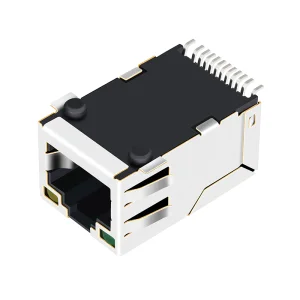
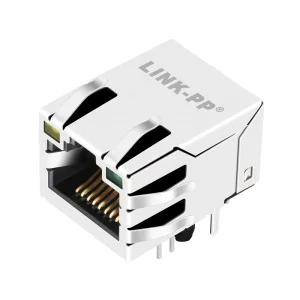
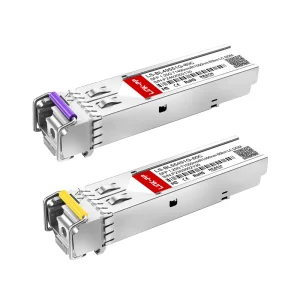
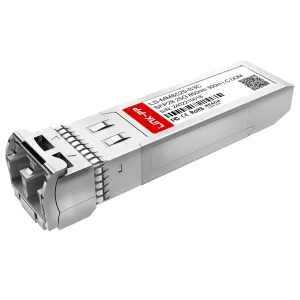
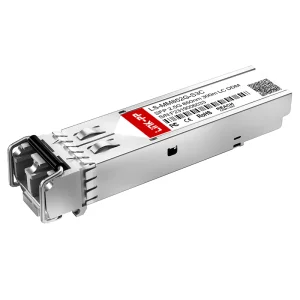
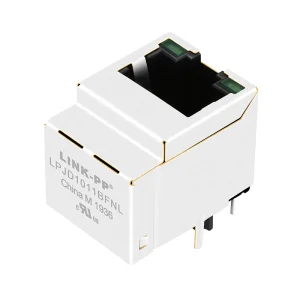
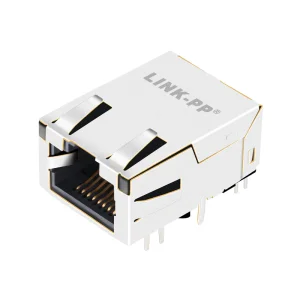
Explore our first selection of high-performance RJ45 modular jacks, SFP+ cages, and optical transceivers engineered for enterprise-grade applications.
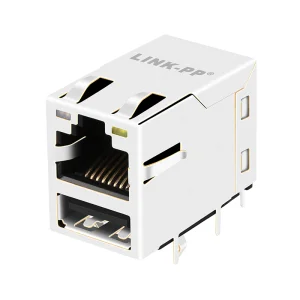
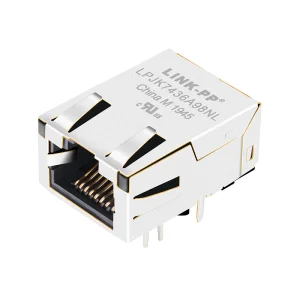
In the ecosystem of high-speed digital communications, the physical interface is often the most critical point of failure or success. An RJ45 Connector Housing does not merely serve as an aesthetic enclosure; it acts as the primary mechanical and electromagnetic shield safeguarding raw high-frequency signals. With data rates pushing past gigabit thresholds into the territories of 10G, 25G, and beyond, any physical distortion or signal degradation at the physical layer can result in catastrophic packet loss and latency spikes.
Modern structural demands require these housings to maintain exact pin alignment, sustain extreme mechanical stresses, and provide continuous grounding. As networks transition to denser configurations, such as high-density patch panels and compact SFP assemblies, the connector housing must be engineered to prevent crosstalk while maintaining minimal footprints.
Electromagnetic Interference (EMI) is the silent enemy of high-speed data transmission. Unshielded housings are vulnerable to external radiation from nearby power lines, wireless networks, and adjacent connectors (near-end crosstalk or NEXT). To combat this, advanced RJ45 housings incorporate nickel-plated brass or copper alloy shells with integrated grounding tabs to guide EMI safely to the chassis ground.
Simultaneously, the rise of Power over Ethernet (PoE, PoE+, and PoE++ / IEEE 802.3bt) introduces substantial thermal stress. Continuous power transmission up to 90W through delicate copper wires generates heat within the connector. Without optimal polymer materials inside the housing that withstand elevated temperatures without losing structural integrity, connectors can warp, compromising connection stability and electrical continuity.
Aligning bespoke manufacturing capabilities with the demands of tomorrow's physical layer hardware.
OptiLinker delivers complex tooling structures for customized RJ45 and optical transceiver port configurations. Leveraging high-speed precision EDM (Electrical Discharge Machining) and multi-cavity injection molding, we ensure that tolerances are kept within ±0.02mm. This precision ensures that multi-port configurations (e.g., 2x4, 2x6 stacked RJ45 jacks) maintain consistent coplanarity and mechanical insertion force profile.
We source top-tier polymers such as LCP (Liquid Crystal Polymer), PA9T, and PA46 to achieve high thermal stability during wave and reflow soldering. Under high temperatures (up to 260°C), our chosen engineering plastics display negligible shrinkage and off-gassing. Contacts are layered with nickel plating followed by hard gold deposition (varying from selective 3u" to 50u") to optimize electrical conductivity and withstand up to 750 mating cycles.
As standard RJ45 systems transition toward higher bandwidth capacities, our design roadmap is heavily focused on integrated magnetics (Magjacks) and compliance with Cat6A (500 MHz) and Cat8 (2000 MHz) constraints. Additionally, we are pioneering Single Pair Ethernet (SPE) housings designed specifically for compact Industrial IoT installations where space constraints prevent the use of standard 4-pair cables.
A globally trusted manufacturer, supplier, and exporter of high-speed optical and copper interconnects.
Founded in 2016, OptiLinker operates a modern production facility with a total building area of approximately 320㎡. With continuous development in optical communication technology, the company has accumulated over 12 years of industry experience and approximately 8 years of export experience. Our team leverages extensive engineering knowledge to deliver high-performance optical communication modules and robust copper connectivity interfaces tailored for global data center and telecom applications.
In the past year, OptiLinker achieved an annual export revenue of around USD 12 million, serving customers across North America, Europe, Southeast Asia, and the Middle East. The company maintains a strong global B2B trade background, focusing on OEM/ODM partnerships with network infrastructure providers, telecom operators, system integrators, and networking equipment manufacturers.
Quality assurance is a core focus at OptiLinker. The company implements 100% incoming material inspection, AOI automated optical inspection, and full optical performance testing. Product verification includes BER testing, eye diagram analysis, and high/low temperature cycling tests, ensuring stable performance under demanding network environments. The quality control team consists of 35 dedicated QC professionals.
OptiLinker collaborates with a global supply chain network of approximately 850 partners, enabling efficient sourcing and stable production capacity. Driven by innovation and reliability, our engineering team specializes in high-speed optical design, signal integrity optimization, and protocol compatibility development. In the last year alone, OptiLinker launched approximately 120 new optical transceiver products, reflecting its continuous innovation and rapid response to market demand.
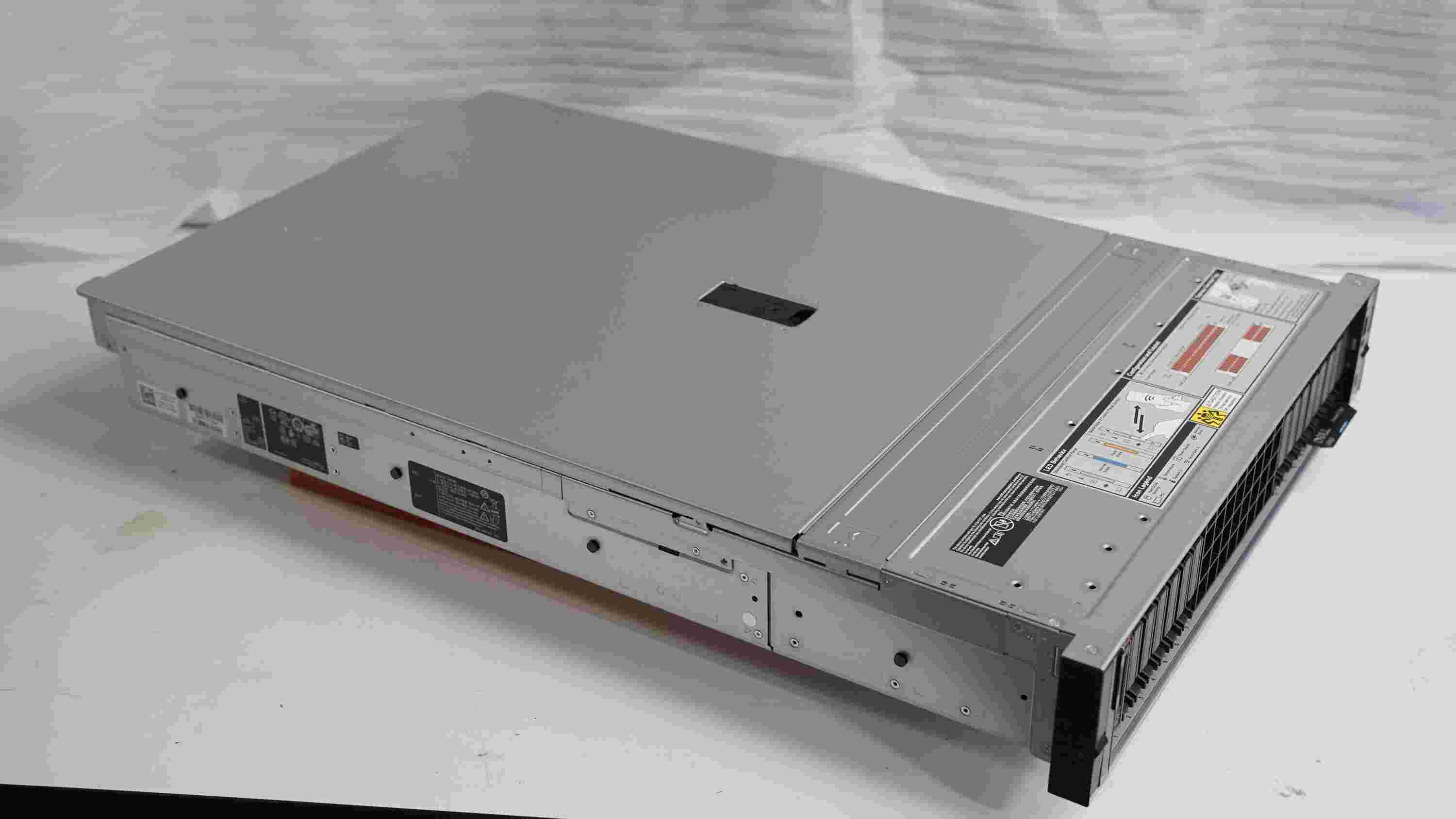
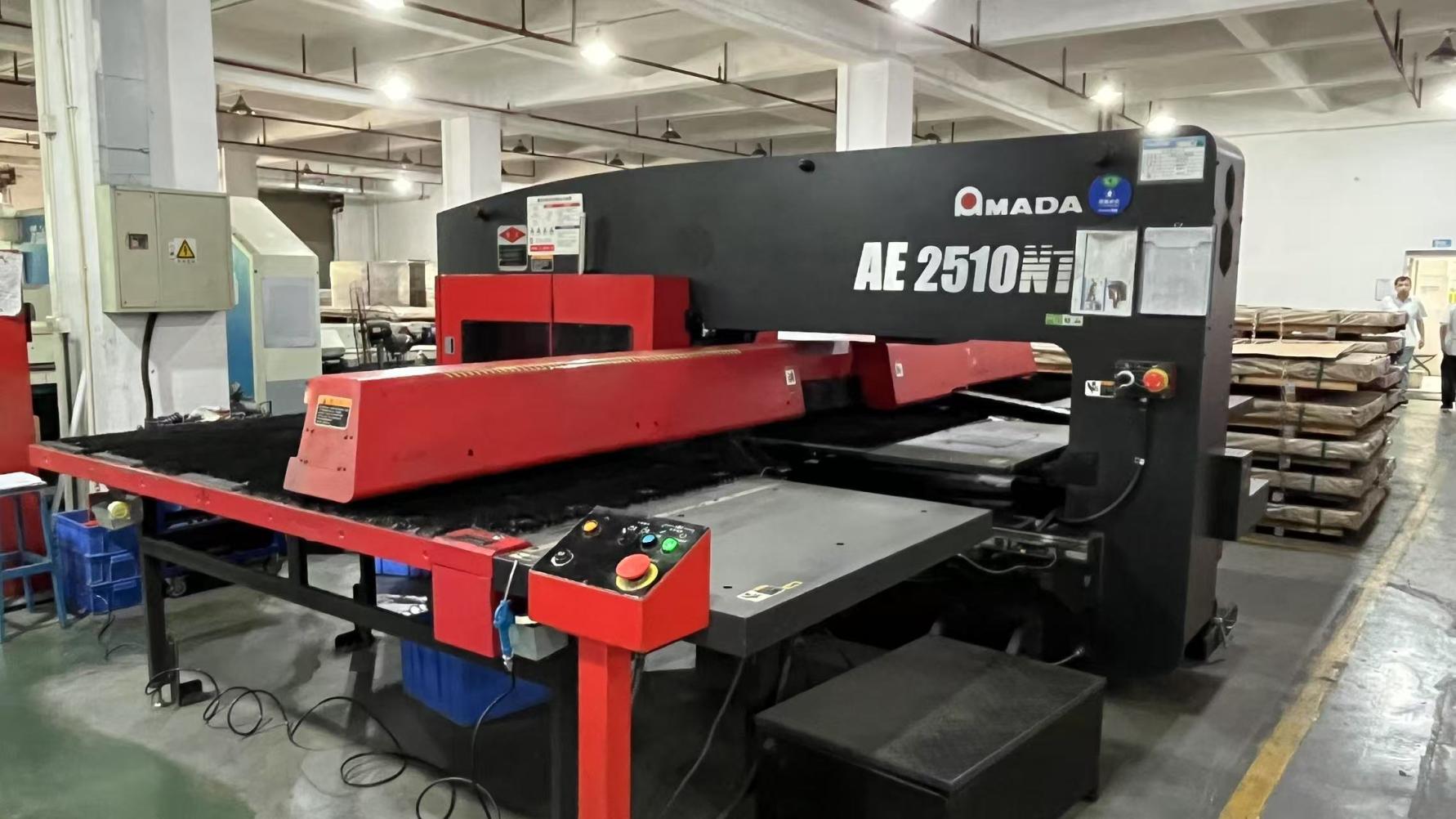
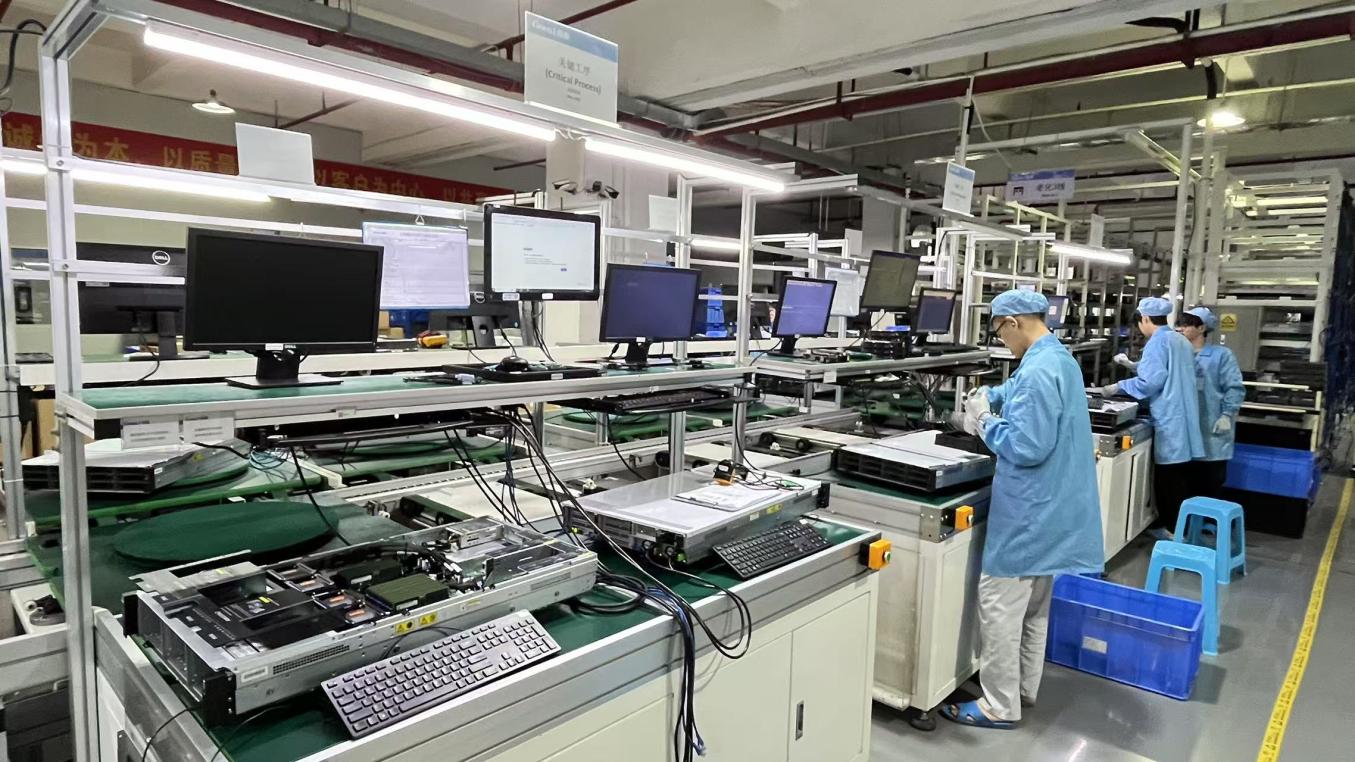
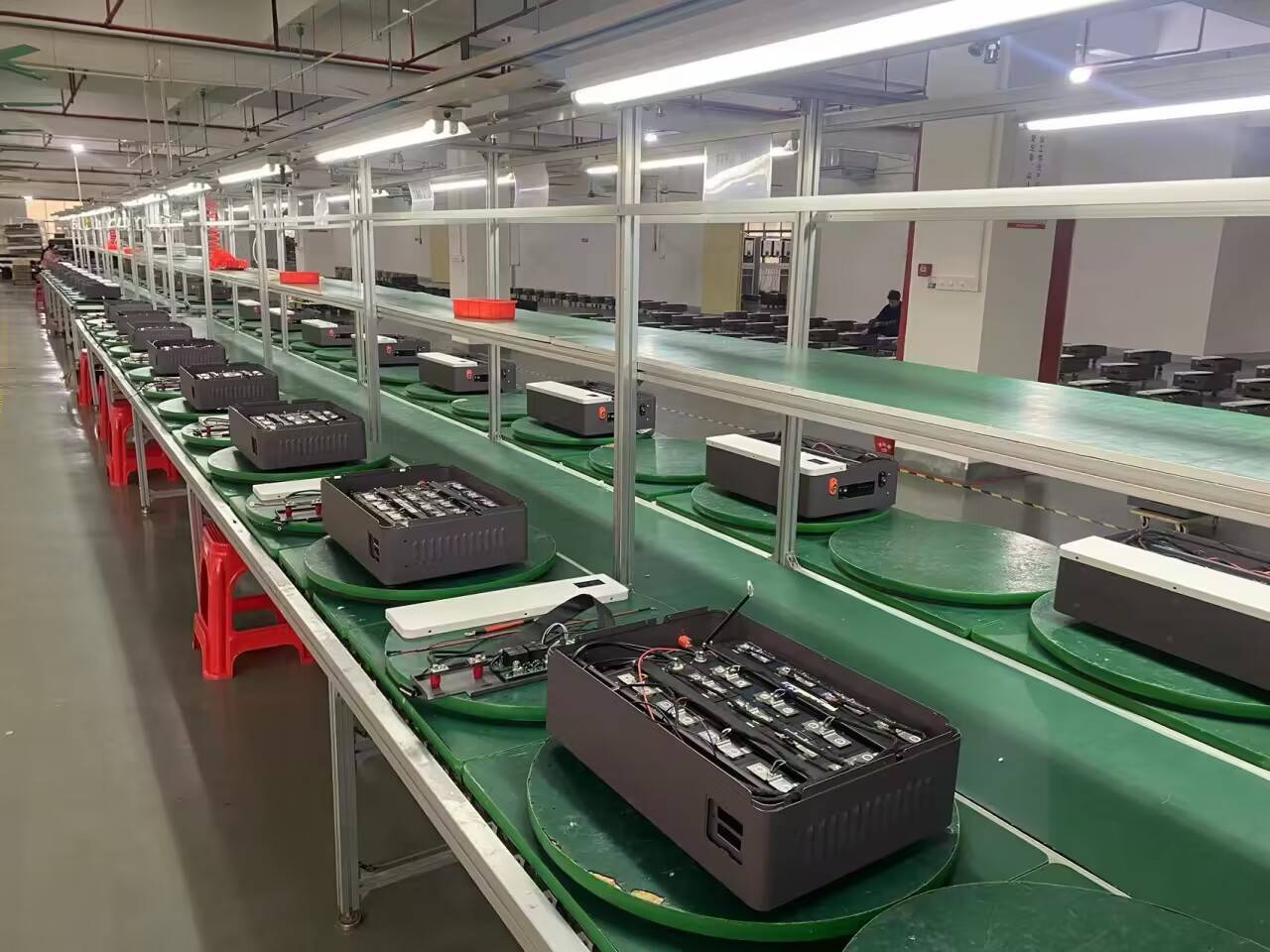
Seamless integration into regional target markets through rigorous engineering and regulatory compliance.
Our RJ45 housings are designed to cater to diverse and challenging environments. In industrial automation, connectors must withstand continuous vibration and humidity. Our specialized IP-rated waterproof RJ45 connector housings are constructed to shield internal pins from corrosive elements and oil exposure. For commercial enterprise offices, we focus on high-density stacked configurations that maximize port density per rack unit without compromising thermal safety limits.
In medical healthcare systems, we offer housings made from biocompatible and flame-retardant polymers that comply with medical-grade safety standards, including UL94-V0 flammability ratings. For smart grid installations, we prioritize high-voltage surge protections and superior EMI shielding to prevent signal corruption near power transformers and generators.
OptiLinker structures its manufacturing processes to align with the stringent regulatory frameworks of target export markets:
Maximizing production agility, material sourcing speed, and logistical advantages.
Our production facilities benefit from direct access to a dense network of raw material producers, plastic compounders, and copper alloys smelters. This geographical proximity eliminates lead times for raw materials, allowing OptiLinker to begin molding and stamping prototype modifications within days, rather than weeks, when custom adjustments are requested.
With an in-house tooling workshop, we rapidly transition from CAD layouts to physical steel injection molds. Our team of 60 optical and mechanical engineers works collaboratively to execute rapid design iterations. This system enables us to maintain active, short lead times for high-volume custom production runs, allowing our clients to bypass standard long manufacturing queues.
By partnering with 850 supply chain and freight forwarding partners, OptiLinker has optimized transit paths for air and sea shipping. We offer flexible trade terms, such as FOB, CIF, and DDP, to facilitate customs clearances in North America, Europe, and Asia. This logisitical infrastructure guarantees continuous supply and mitigates risk profiles for overseas buyers.
Addressing standard engineering, procurement, and deployment questions regarding customized RJ45 housings and optical transceivers.
For surface mount (SMT) reflow soldering, materials like LCP (Liquid Crystal Polymer) or PA9T are highly recommended. These materials possess high melting points (above 260°C) and demonstrate excellent dimensional stability compared to standard PA66, preventing physical warpage and pin shifting during processing.
Our shielded RJ45 housings utilize a continuous metallic wrap made from brass or copper alloy, plated with nickel. This metal shield acts as a Faraday cage, diverting external high-frequency electromagnetic noise directly to the chassis ground through grounding tabs, thereby maintaining high signal-to-noise ratios (SNR).
Yes, we provide extensive custom OEM/ODM solutions for RJ45 connectors with integrated magnetics (Magjacks). Our engineering team can integrate custom transformer coils, common-mode chokes, resistor networks, and visual LEDs into the housing structure, reducing board space requirements and improving EMI filtering performance.
For custom connector housing projects, initial 3D prototypes and mockups are completed within 7 to 10 days. The design, milling, and calibration of a multi-cavity production injection mold generally takes between 25 and 35 days, depending on the complexity of the internal geometry and contact configurations.
Our QC team executes an exhaustive testing protocol. Every product undergoes 100% incoming material inspection and automated optical inspection (AOI). For high-frequency modules and transceivers, we conduct Bit Error Rate (BER) testing, eye diagram analysis, and environmental stress screening (thermal cycling between -40°C and +85°C) to guarantee reliability.
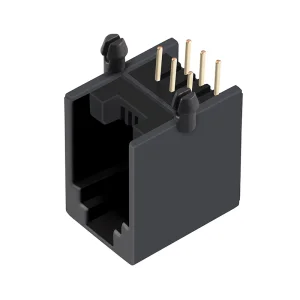
Explore our second selection of optical transceivers, low-profile modular jacks, and RJ11/RJ12 telephone connectors.