OptiLinker
OptiLinker
OptiLinker
Explore our foundational copper RJ45 modular jacks, shielding enclosures, and high-speed active optical transceivers engineered to cross-connect enterprise topologies.
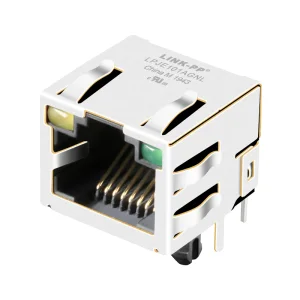
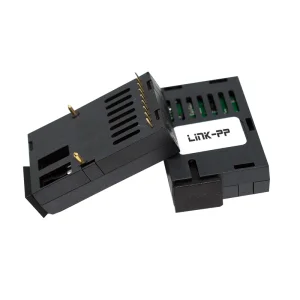
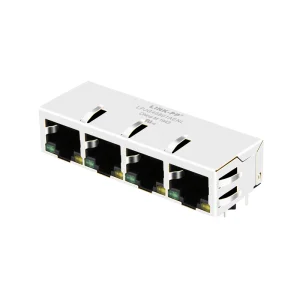
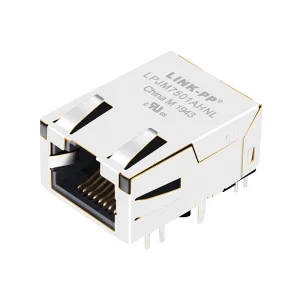
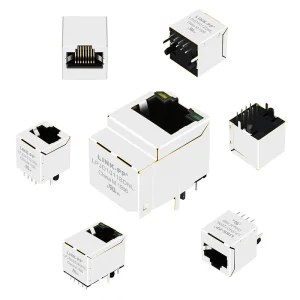
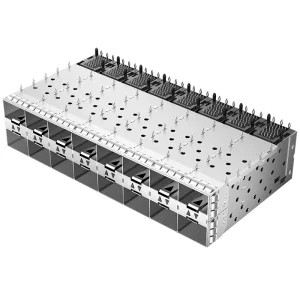
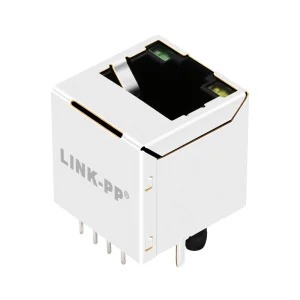
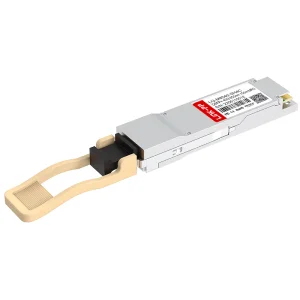
Understanding the critical performance metrics, mechanical tolerances, and architectural integration points in modern copper communications.
In the rapidly changing landscape of enterprise networking, the physical layer remains the ultimate arbiter of system reliability. While fiber optic channels command headlines for long-haul and intra-data center backplanes, copper-based media—specifically Category 6 (Cat6) cabling and its corresponding modular connectors—continues to form the foundational substrate for local area networks (LANs), power-delivery channels (PoE), and industrial automation nodes. Choosing a specialized, high-tier custom OEM Cat6 RJ45 connector factory is no longer just a purchasing routine; it is a critical choice in engineering optimization, supply chain resilience, and risk reduction.
An Ethernet connector does not simply complete a circuit. At high operating frequencies (up to 250 MHz for Cat6 and 500 MHz for Cat6A), an RJ45 connector behaves as a complex, distributed-parameter transmission line. Minor deviations in geometry, housing dielectric constant, or contact plating thickness will disrupt impedance matching, generating severe Near-End Crosstalk (NEXT) and Return Loss (RL).
OptiLinker Optoelectronics Co., Ltd. (OptiLinker) stands at the forefront of high-precision networking components. While highly acclaimed under the brand OptiLinker (www.optilinkertrans.com) for engineering state-of-the-art optical transceivers for global hyperscale data centers, OptiLinker’s technological reach extends directly into unified physical layer architectures. Founded in 2016, the company leverages a high-precision testing and assembly facility alongside an extensive engineering hub.
Supported by a legacy of 12 years of industry experience and 8 years of export experience, OptiLinker has managed to scale its logistics, supply pipelines, and design capabilities. The company achieved an annual export revenue of around USD 12 million in the past year alone, supplying system integrators and telecom distributors across North America, Europe, Southeast Asia, and the Middle East. By positioning itself as a comprehensive hybrid connector and transceiver provider, OptiLinker bridges the gap between active electro-optical transceivers and high-performance copper interconnects.
How automation, material controls, and rigorous engineering testing environments maintain standard-compliant products across high volume manufacturing.
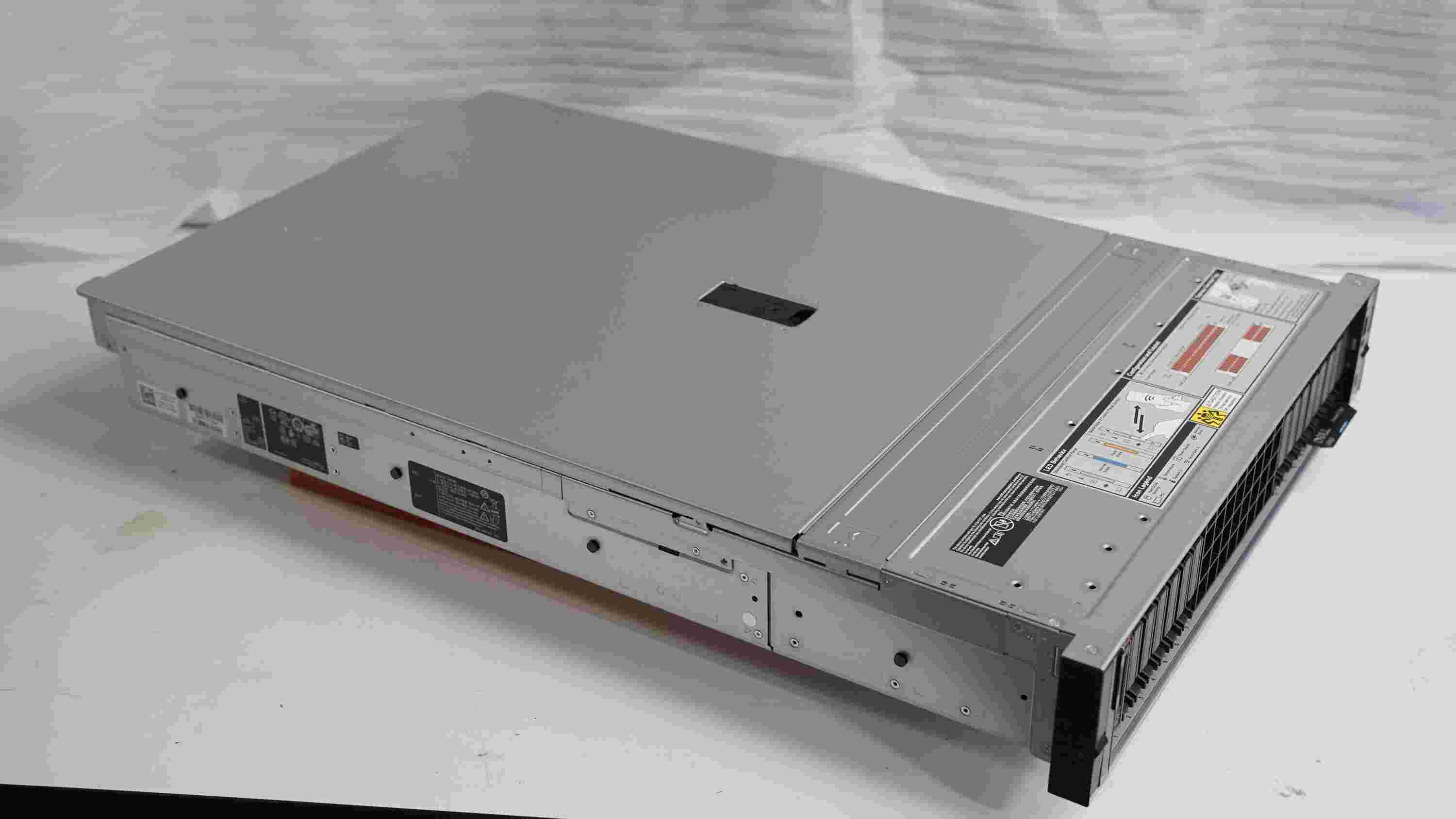
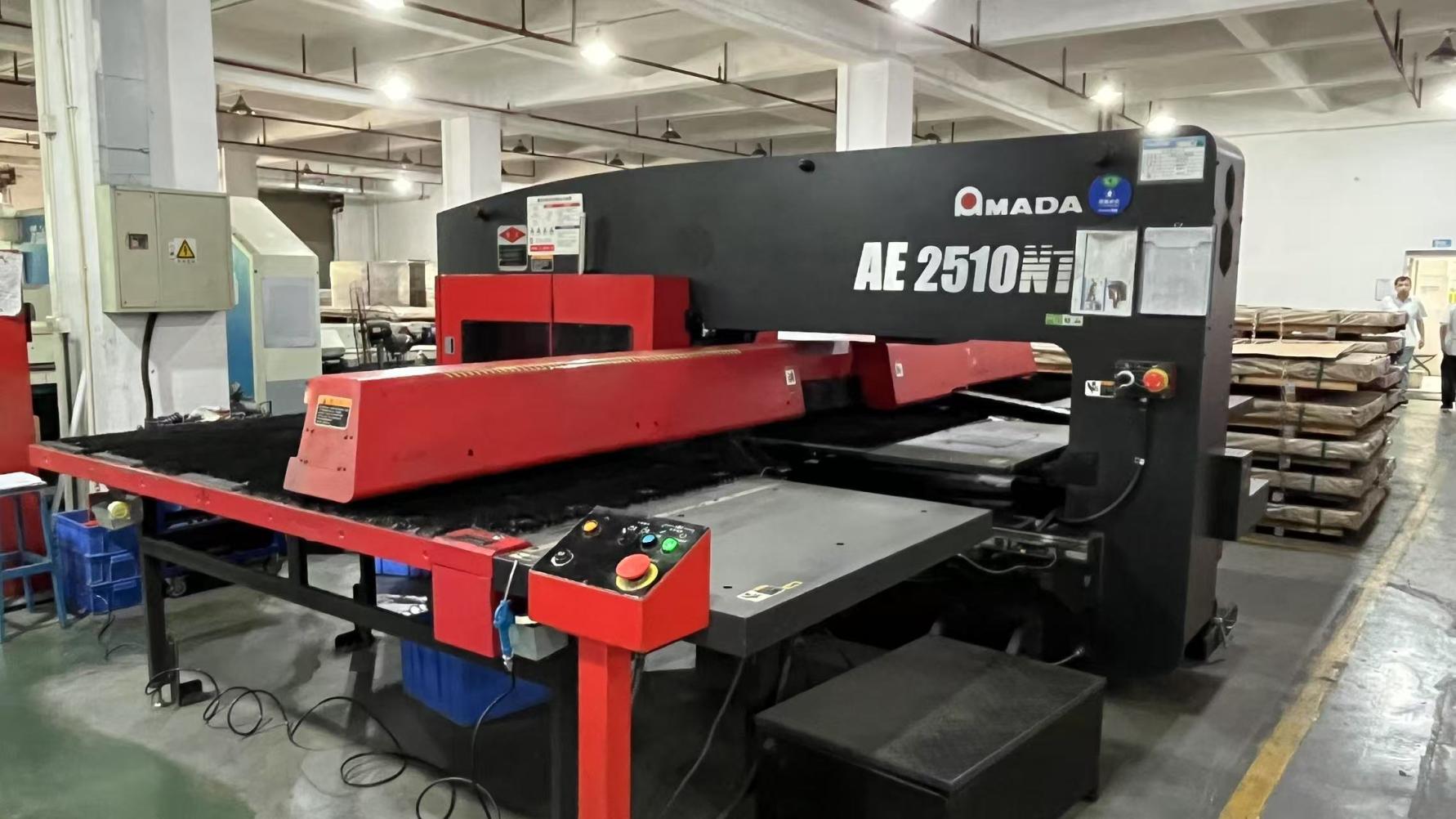
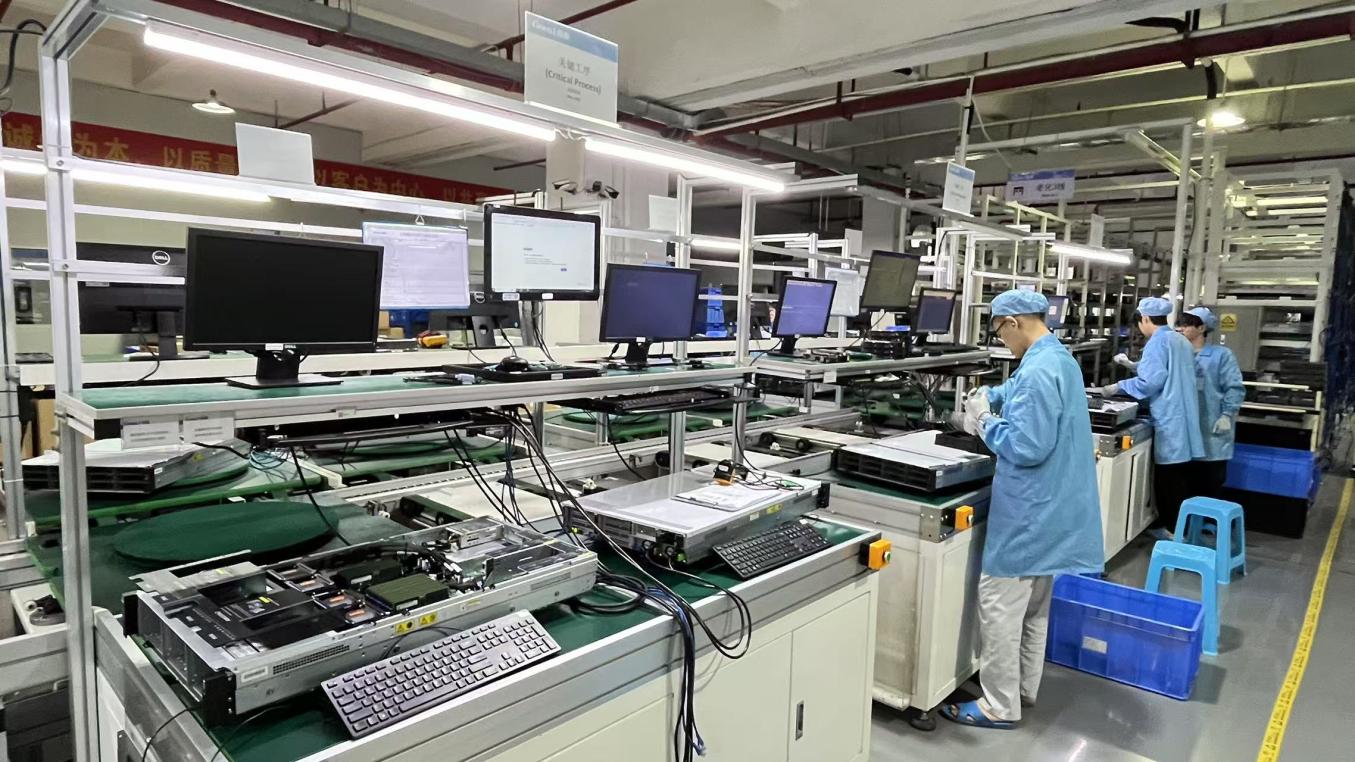
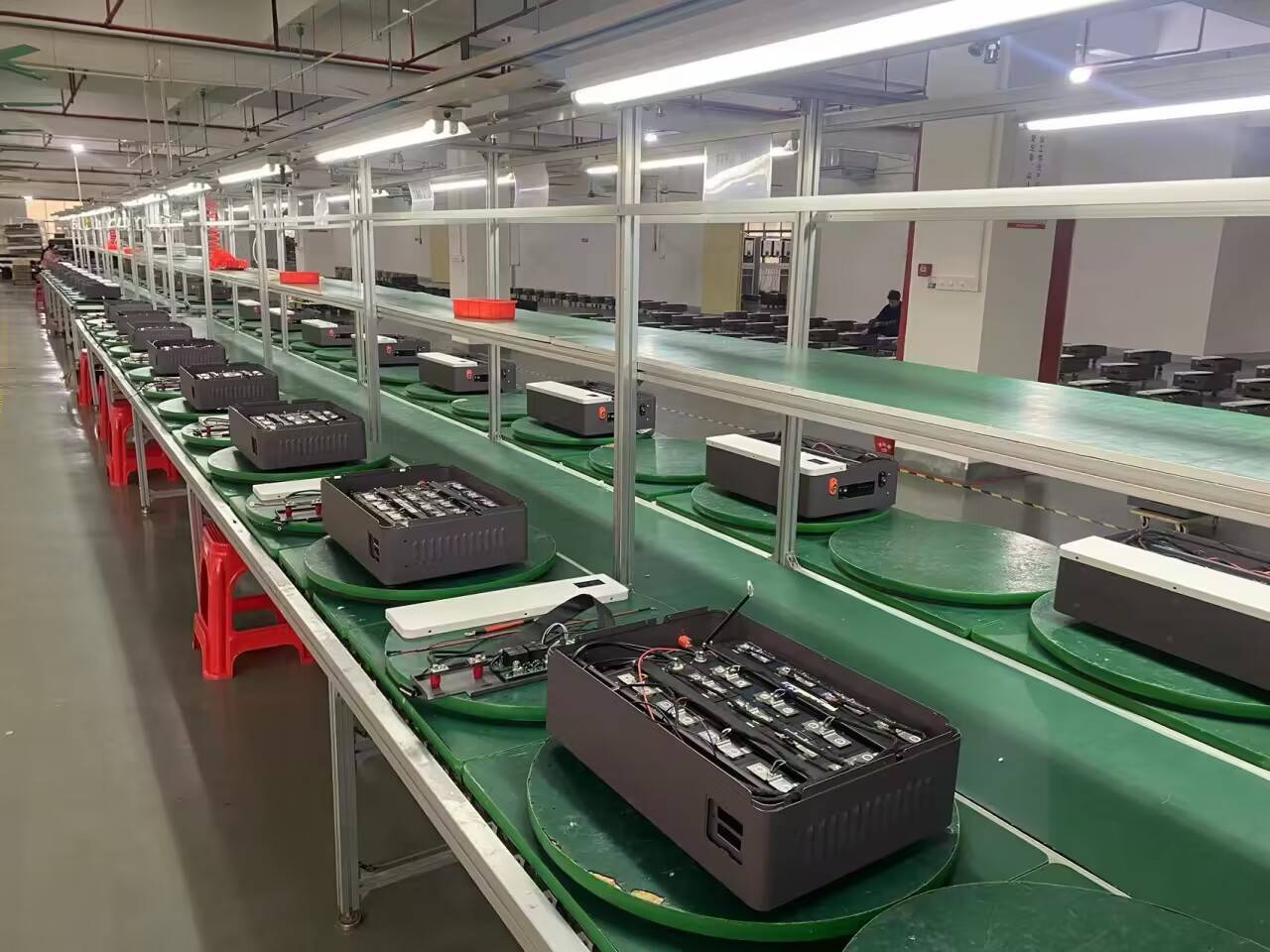
OEM manufacturing in the modern era requires a departure from manual assembly to automated, software-driven production lines. OptiLinker’s supply chain infrastructure integrates approximately 850 production and raw-material partners. This distributed supply chain model is coupled with a dedicated central assembly and diagnostic facility where strict validation takes place. This approach secures the supply of raw components like high-temp thermoplastic LCP (Liquid Crystal Polymer), phosphor bronze contacts, and high-permeability magnetic cores, even during global supply line constraints.
Under the strict criteria of Quality Rater Guidelines, reliability is established through transparent and verifiable testing protocols. At OptiLinker, our 35 dedicated QC professionals enforce a strict, multi-tiered testing regimen:
The exact dimensional tolerances and physical parameters that separate generic connectors from high-performance components.
To understand why custom OEM options are required, we must analyze the physical characteristics of a Cat6 RJ45 interface. Below is a detailed breakdown of the technical components used by leading factories to ensure performance stability:
| Parameter | Standard Cat6 RJ45 Specs | OptiLinker Custom OEM Specification | Performance Impact |
|---|---|---|---|
| Contact Base Material | Brass / Standard Copper Alloy | Phosphor Bronze (CuSn8) | Higher elasticity, fatigue resistance, and lower contact resistance over time. |
| Gold Plating Thickness | 3μ" to 15μ" | 50μ" Gold (Au) over 100μ" Nickel (Ni) | Prevents oxidation and contact degradation; rated for >1000 mating cycles. |
| Housing Fire Rating | UL 94V-2 Polycarbonate | UL 94V-0 Flame-Retardant PC / LCP | Self-extinguishing material; vital for high-wattage PoE++ runs. |
| Shielding Shell | Tin-plated Brass | 0.25mm Nickel-plated Brass or Copper | Provides 360-degree EMI attenuation and robust grounding paths. |
| Operating Frequency | 1 - 250 MHz | Up to 350 MHz (Extended headroom) | Allows deployment in high-noise environments with minimal packet loss. |
In electromagnetic interference (EMI) heavy environments, such as factory floors with variable frequency drives, medical facilities with diagnostic imaging systems, or high-density telecom rooms, unshielded connectors can experience signal loss. A custom OEM factory must supply diverse shielding configurations. Ground tabs, integrated LEDs, and EMI-damping gaskets must be customized to match the design of the host device's PCB layout.
Where physical layer connectivity is heading in the era of Edge Computing, IoT, and high-voltage Power over Ethernet (PoE).
As the industry transitions to IEEE 802.3bt Type 4 PoE, connectors must carry up to 960mA of current per pair. This requires high-integrity contacts and heat-resistant thermoplastics to prevent localized heating and housing deformation.
While Cat6 remains standard for 1Gbps systems up to 100 meters, 10Gbps setups require Cat6A (500 MHz) and Cat8 (2000 MHz). Modern tooling design centers focus on creating hybrid molds that support these advanced specs without redesigning the chassis.
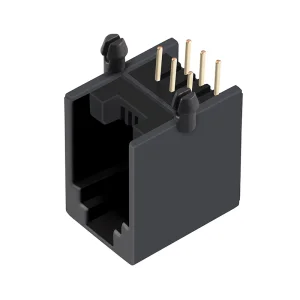
Edge micro-data centers and IoT hubs require reduced connector dimensions. Tab-Up, Tab-Down, and low-profile vertical connectors enable engineers to reduce PCB footprint requirements while maintaining signal compliance.
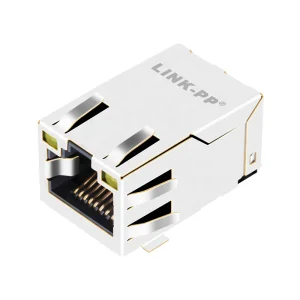
To prepare for these challenges, OptiLinker’s 60 experienced optical and physical-layer engineers continuously develop prototype iterations. In the past year alone, the team launched approximately 120 new products, including SFP+ cages, multi-port RJ45 connectors with integrated magnetics (MagJacks), and outdoor waterproof assemblies.
Custom physical layer designs across diverse applications and global logistics frameworks.
The requirements for an RJ45 connector depend heavily on the field environment in which it is deployed. A generic connector cannot serve all markets effectively. Consider these requirements:
Procurement managers, network architects, and hardware designers should evaluate several key metrics when choosing a manufacturing partner:
Technical answers to common questions about OEM RJ45 engineering, testing parameters, and component customization.
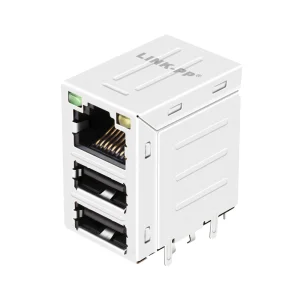
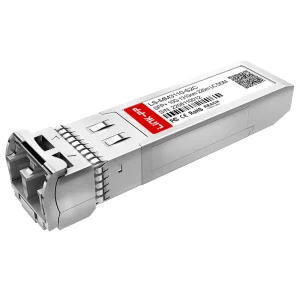
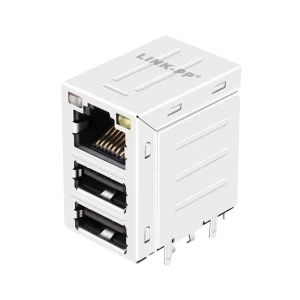
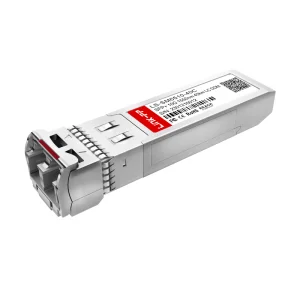
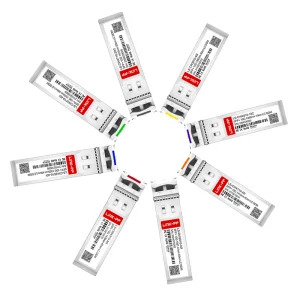
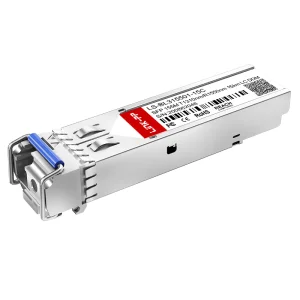
Review our extended product portfolio, featuring dual-row RJ45/USB configurations, active copper interfaces, and long-range transceivers.