 OptiLinker
OptiLinker
OptiLinker
A technical examination of physical layer connections, electromagnetic interfaces, and modern B2B sourcing demands.
In contemporary enterprise environments, high-speed data communications demand physical layer components that ensure absolute signal integrity under aggressive operating conditions. As a leading manufacturer of networking and optoelectronic components, OptiLinker Optoelectronics Co., Ltd. (OptiLinker) has engineered solutions since 2016 to bridge the gap between traditional copper-based RJ45 ethernet infrastructures and high-speed fiber-optic data center architectures.
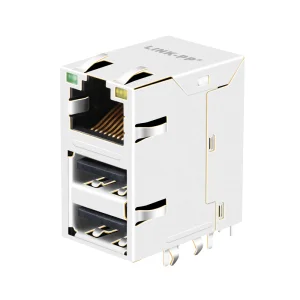
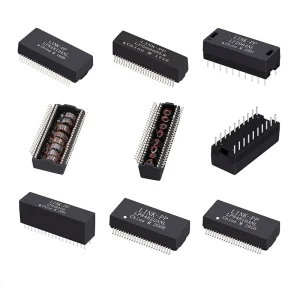
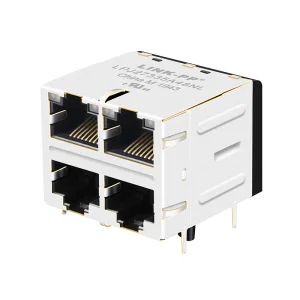
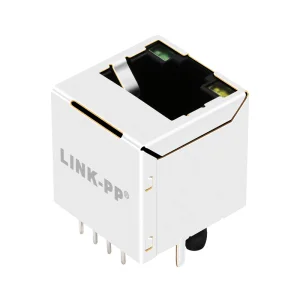
The physical RJ45 connector, often regarded as a basic commodity, is in reality an intricate component optimized to handle data rates of up to 10 Gbps (10G Base-T) and beyond. Integration of magnetic components directly inside the modular jack (often referred to as Integrated Connector Modules, or ICMs / Magjacks) has revolutionized board design. It significantly minimizes electromagnetic interference (EMI), reduces PCB real estate requirements, and guarantees compliant isolation values up to 1500VAC, preventing damaging voltage surges from degrading downstream silicon.
High-performance Magjacks, discrete LAN transformers, and SFP shielding cages engineered to global specifications.
Exploring modern engineering paradigms: NBASE-T speed escalations, thermal management under PoE++, and EMI mitigation.
Traditional Cat5e networks are rapidly migrating toward 2.5G, 5G, and 10G Base-T speeds to feed high-performance Wi-Fi 6E/7 access points and edge computers. RJ45 connectors must maintain impedance matching at 100 ohms with minimum Return Loss and Insertion Loss at frequencies up to 500 MHz. Designing contacts and integrated magnetics to handle these frequencies requires precision automated winding and optimized wire routing.
Delivering up to 90W of DC power over 4 twisted pairs while simultaneously transmitting high-speed data creates significant challenges. Connectors must handle currents up to 960mA per pair without excessive temperature rise. Internal magnetic cores must resist DC saturation to prevent signal degradation, necessitating advanced core geometry and high-permeability magnetic materials.
In high-density switches, adjacent ports generate significant Near-End Crosstalk (NEXT) and Far-End Crosstalk (FEXT). Advanced RJ45 designs utilize custom EMI multi-point grounding tabs, integrated metal shields (usually copper alloy or brass with nickel plating), and interior PCB layouts to achieve optimal shielding, ensuring compliance with FCC and CISPR limits.
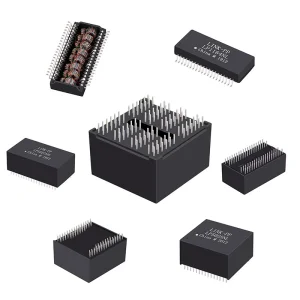
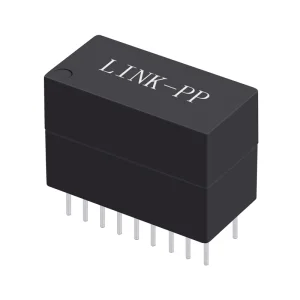
Discrete LAN transformers require trace routing from the PHY chip to the transformer, and then to the RJ45 jack. These copper traces act as antennas, radiating EMI and picking up ambient system noise. By integrating the transformers, common-mode chokes, and Bob Smith termination circuits directly inside the shielded RJ45 connector, the loop area is minimized. This significantly improves Common-Mode Rejection Ratio (CMRR) by up to 15dB and protects sensitive physical-layer transceivers from electrostatic discharge (ESD) and power surges.
How enterprise sourcing directors select long-term manufacturing partners for interconnect systems.
For global procurement teams at telecommunications companies and system integrators, selecting an RJ45 and SFP component manufacturer goes beyond comparing unit prices. Quality, compliance, and custom engineering support are critical factors.
| Connector Type | Data Speed | Shielding Type | PoE Suitability | Common Applications |
|---|---|---|---|---|
| Standard RJ45 (Discrete) | 10/100/1000 Mbps | Shielded / Unshielded | Not Recommended for High Power | Consumer routers, legacy network terminals |
| Integrated RJ45 Magjack | 100M / 1G / 2.5G Base-T | Fully Shielded with EMI fingers | PoE / PoE+ (IEEE 802.3at) | Enterprise switches, IoT gateways, IP cameras |
| High-Speed Multi-Port ICM | 5G / 10G Base-T | Multi-point ground shielding | PoE++ (Up to 90W) | Core network routers, high-density server racks |
| Stacked RJ45 + USB Combo | 10/100/1000 Mbps | Fully Shielded | Optional | Industrial computers, embedded system boards |
How advanced production facilities, automated testing, and deep raw material integration ensure stable supply.
OptiLinker Optoelectronics Co., Ltd. operates a specialized manufacturing facility with a dedicated production and testing environment. Utilizing advanced production technology, the company leverages over 12 years of industry experience and 8 years of export history to deliver reliable B2B networking components.
Our commitment to quality assurance is backed by 100% incoming material inspection, Automated Optical Inspection (AOI), and full optical/electrical performance testing. Every transceiver and connector batch undergoes Bit Error Rate (BER) testing, eye diagram analysis, and high/low temperature cycling to ensure reliable performance in demanding environments. OptiLinker maintains a team of 35 quality control professionals to monitor compliance across all production stages.
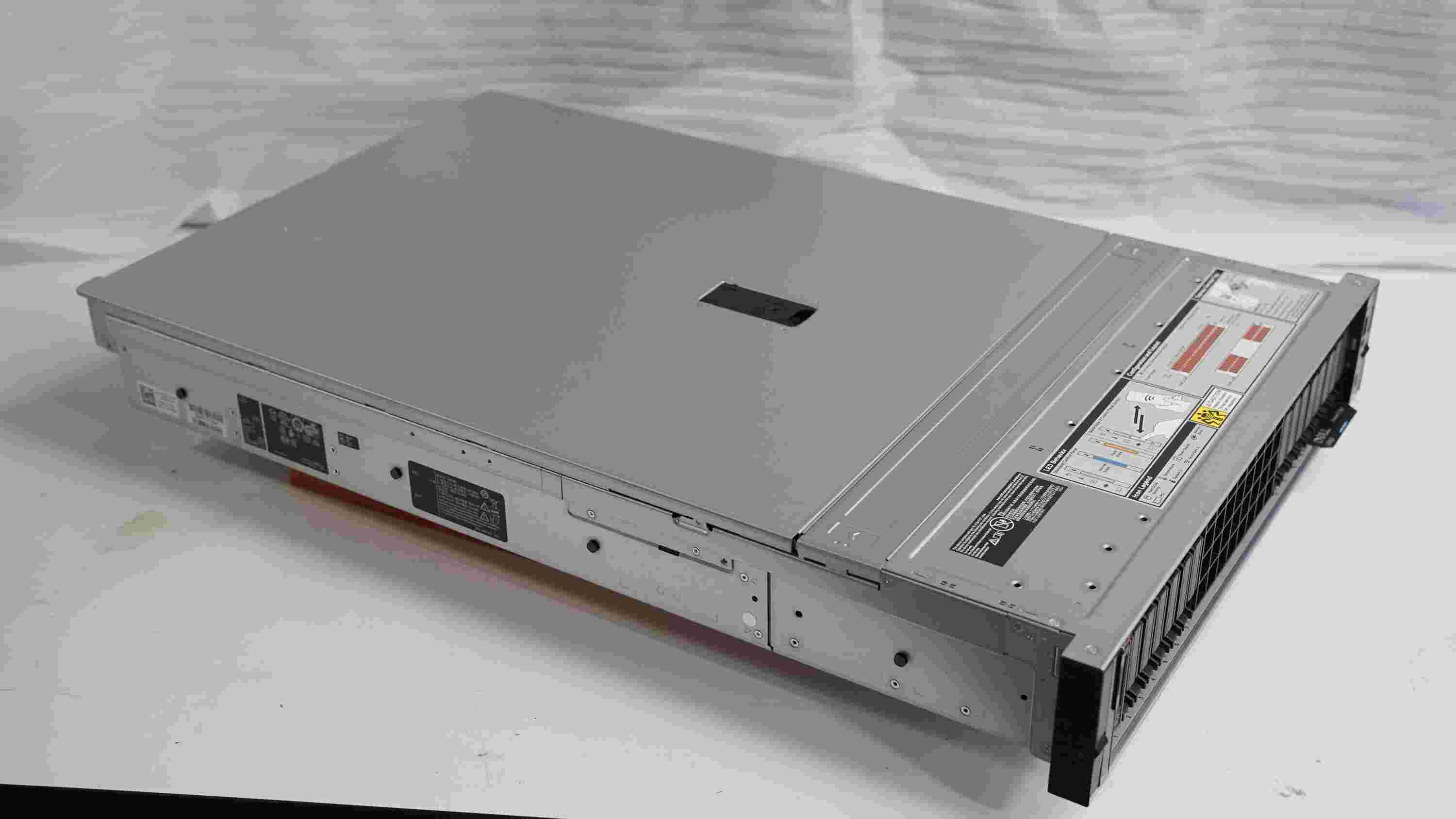
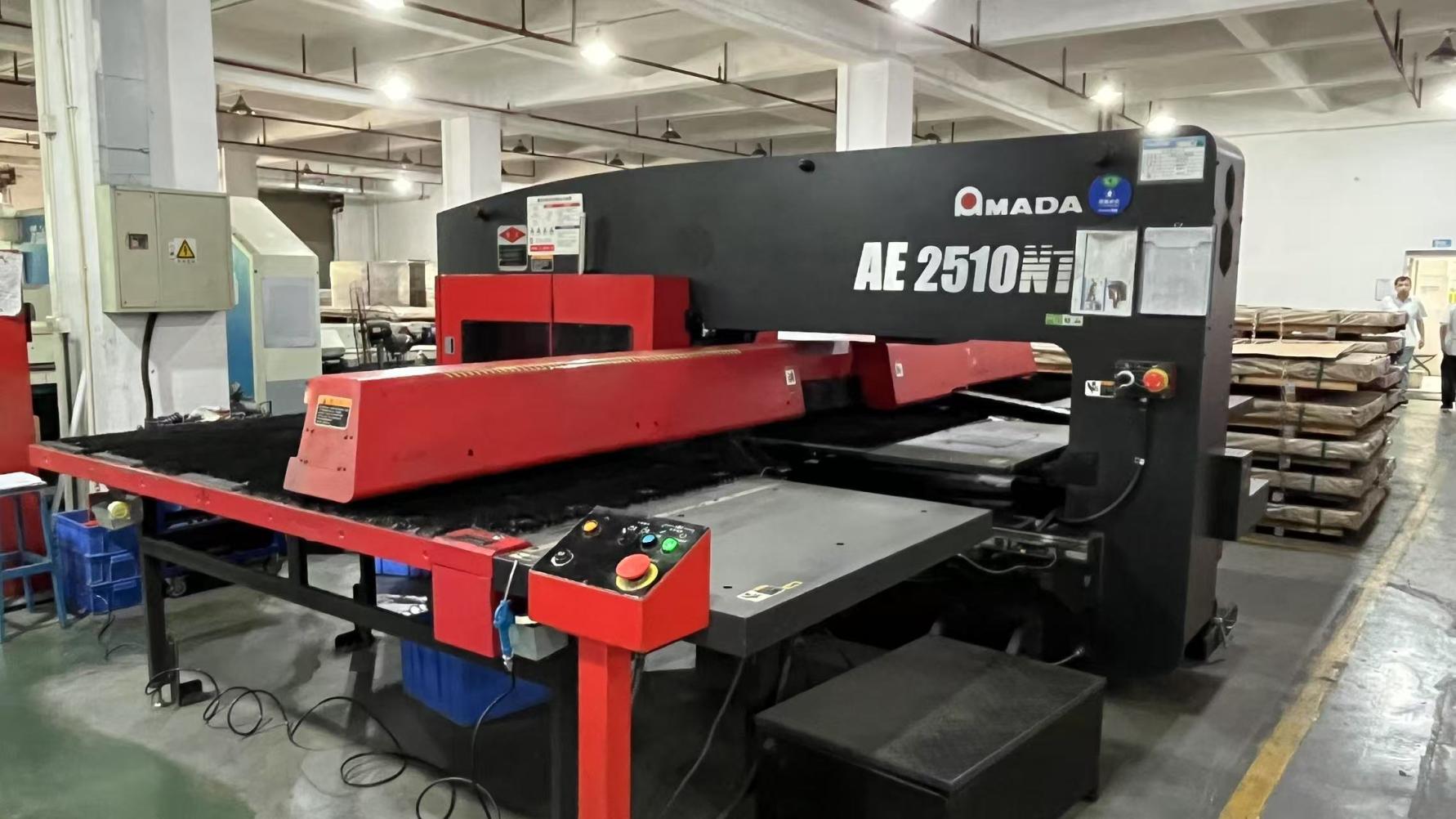
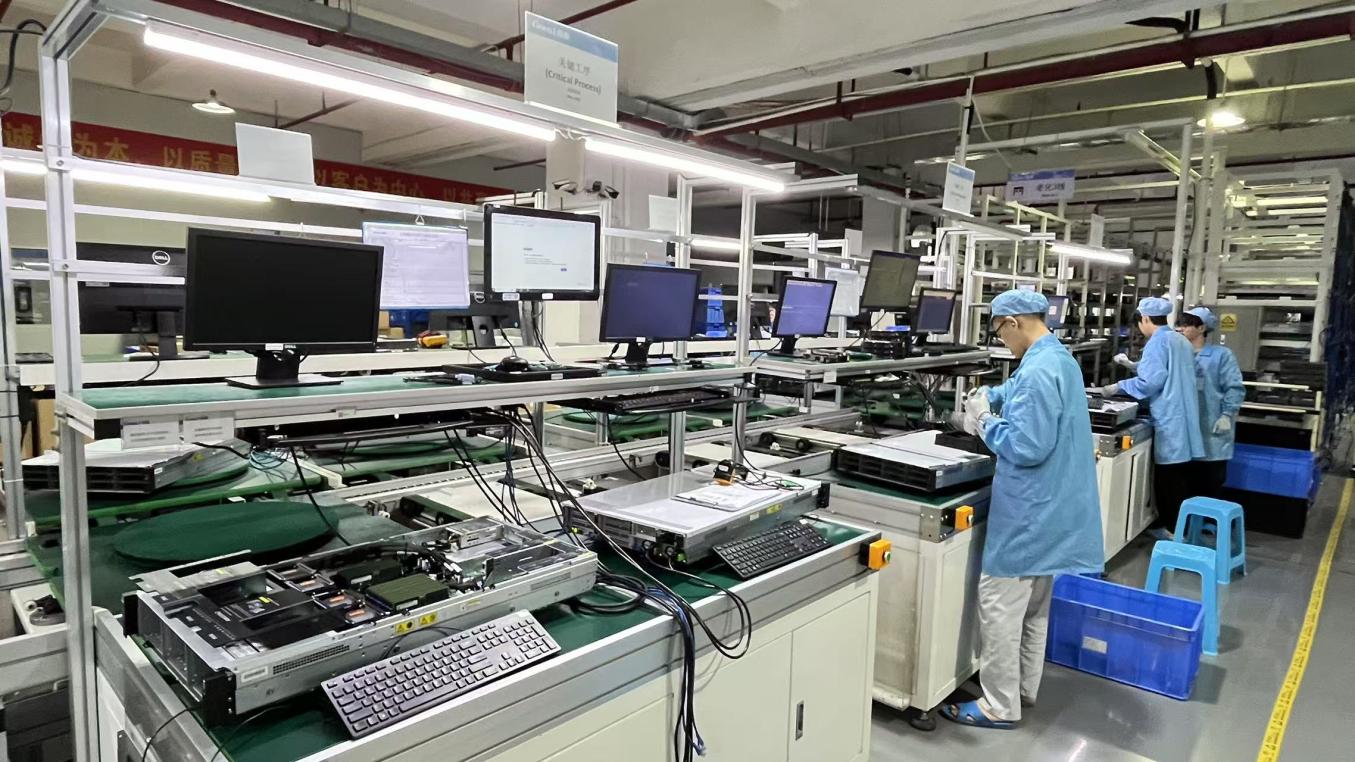
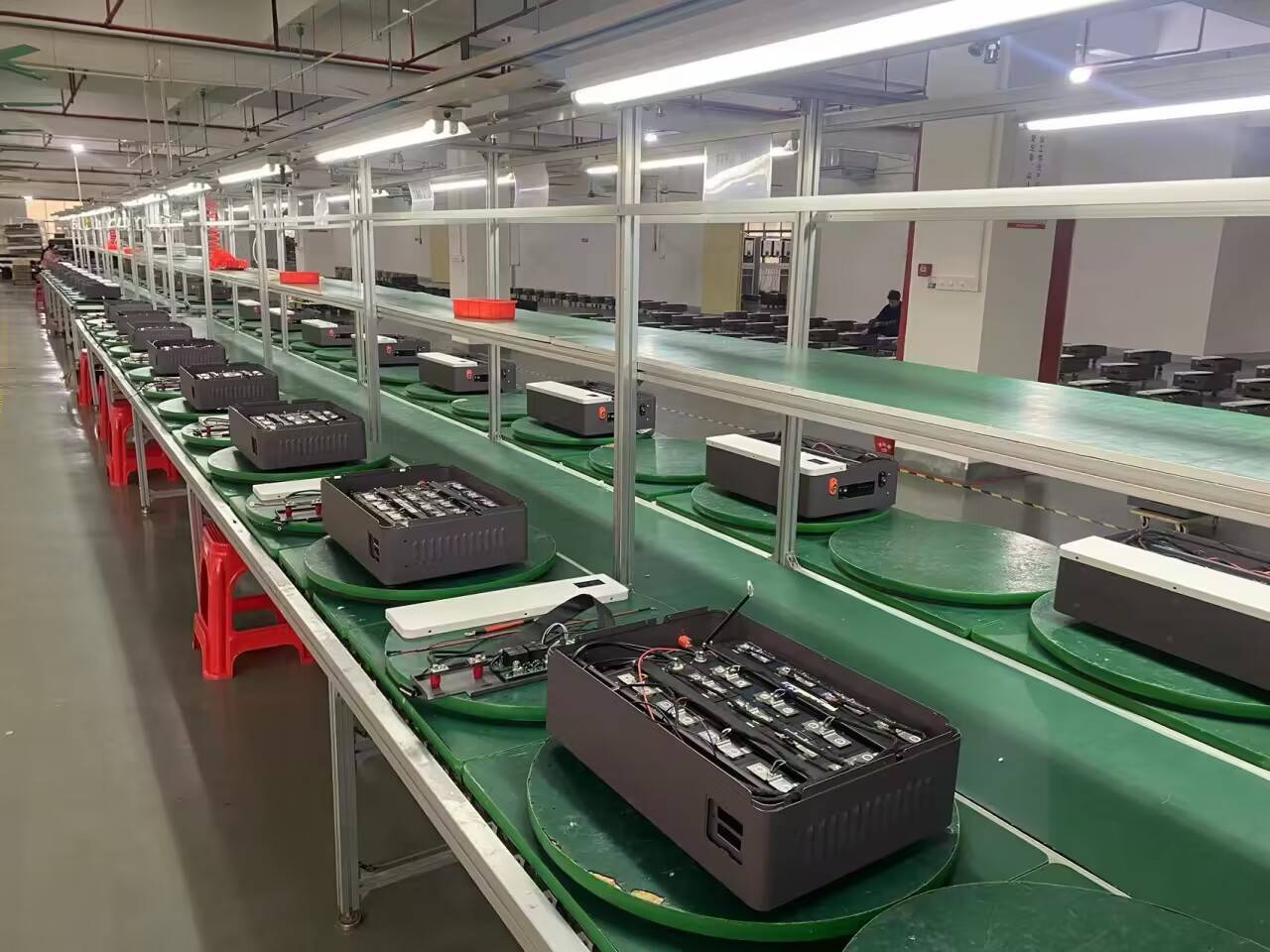
OptiLinker maintains a network of 850 supply chain partners to secure access to essential materials, including high-permeability toroidal cores, precision gold-plated terminals, and high-temp liquid crystal polymers. Backed by 60 optical and electrical engineers, we design and produce custom components tailored to specific requirements, including custom housing configurations and multi-platform firmware coding for optical systems.
How different sectors implement RJ45 and SFP transceivers for optimal performance.
Data centers use SFP28 and QSFP+ transceivers alongside shielded RJ45 copper connections for Top-of-Rack (ToR) architectures. Short-distance patch cabling requires RJ45 links, while long-distance server-to-switch hookups utilize CWDM transceivers. These setups rely on optimized heat dissipation and low latency.
Industrial environments subject components to electromagnetic noise, mechanical vibrations, and wide temperature swings. Vertical RJ45 connectors and discrete LAN transformers are used in PLCs and motor drives. These parts feature robust physical locking mechanism and high isolation voltage protection.
Outdoor access points, 5G base stations, and surveillance setups rely on Power over Ethernet (PoE) connectors. Sourcing teams prioritize integrated magnetics with high surge rating, gold-plated contacts, and robust housing to resist environmental degradation and minimize signal loss.
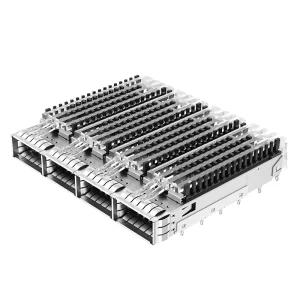
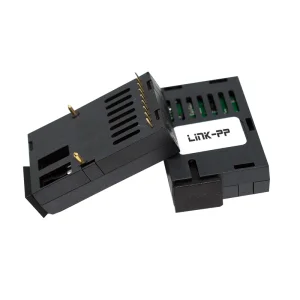
Explore our range of SFP transceivers and high-speed cages, engineered to complement physical copper ethernet links.
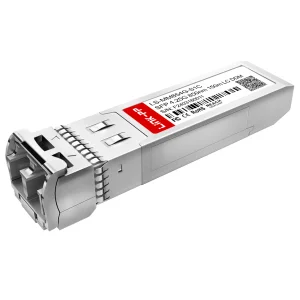
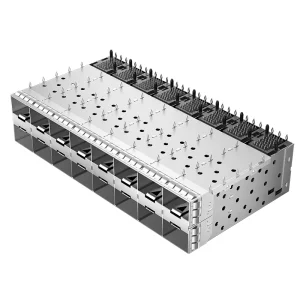
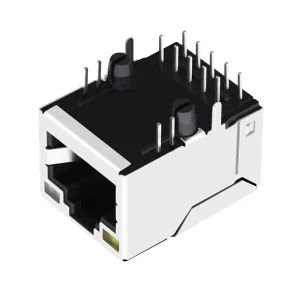
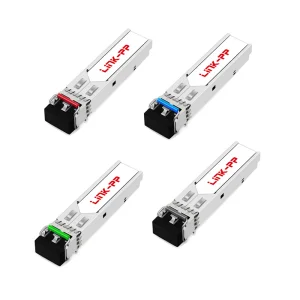
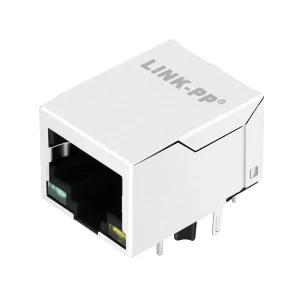
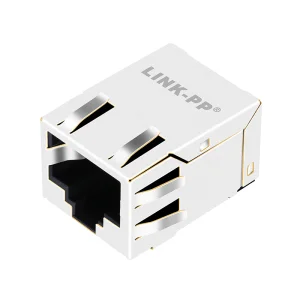
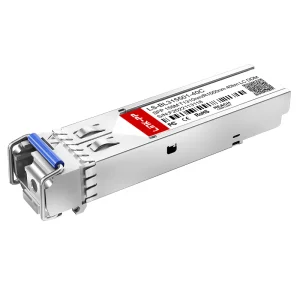
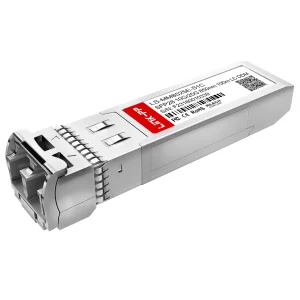
Expert answers to mechanical, thermal, and electrical integration questions.
Integrated Connector Modules (ICMs) house both the RJ45 physical connector and the magnetic isolation circuits (such as common-mode chokes, transformers, and resistors/capacitors) inside a single shielded metal casing. This design reduces required PCB trace length, minimizing parasitic capacitance and electromagnetic radiation. For system engineers, it saves board space, improves signal integrity, and helps simplify FCC/CE electromagnetic compliance certifications.
Contact reliability is verified through X-ray fluorescence (XRF) testing to measure gold plating thickness (ranging from flash gold to 50 micro-inches based on customer requirements). This testing is paired with salt spray testing to check for corrosion resistance, helping to ensure the connector maintains electrical connection quality and meets the 750-cycle mating durability target.
Yes, our designated PoE/PoE++ integrated connectors are designed to support high current demands. They utilize thicker copper leads, open magnetic structures to resist DC offset saturation, and thermal-grade polymers that manage internal temperatures. This configuration helps prevent coil insulation degradation and preserves signal integrity under maximum power delivery loads.
We maintain a hardware compatibility database and EEPROM programming profiles. Our transceivers are configured to support protocols and diagnostics (DDM/DOM) across mainstream switch platforms, helping to ensure drop-in operation, reliable recognition, and functional link status monitoring.
Leveraging our 60+ engineering team, customized prototypes can be simulated, modeled, and produced within 2 to 4 weeks. Once performance is verified, production tooling and pilot production runs are initiated, backed by our supply chain network of 850 partners.