OptiLinker
OptiLinker
OptiLinker
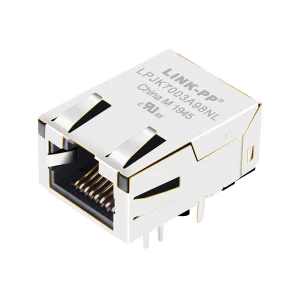
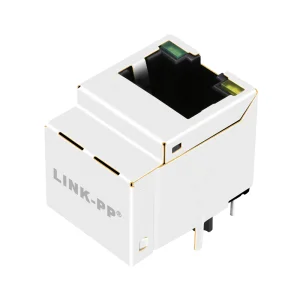
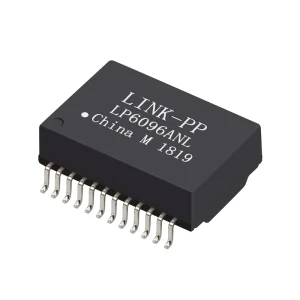
Premium performance integrated magnetics, optical transceivers, and industrial RJ45 interfaces designed for resilient digital infrastructure.
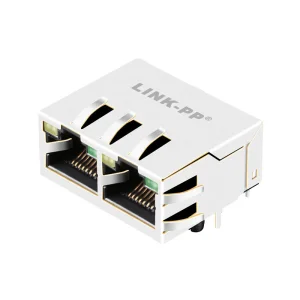
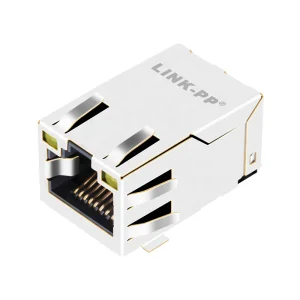
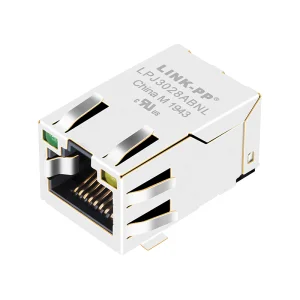
In the era of Industrial Internet of Things (IIoT), automation, and smart manufacturing, physical layer connectivity is the bedrock of system reliability. The RJ45 bulkhead connector serves as a crucial interface, allowing high-speed Ethernet signals to transition through physical enclosures, bulkheads, and panels without compromising environmental protection.
From smart factories in Europe to maritime offshore platforms in North America, industrial environments pose severe challenges to traditional networking hardware. Standard RJ45 connections are prone to failure due to dust ingress, moisture, chemical exposure, vibration, and electromagnetic interference (EMI). To counter these hazards, industrial bulkhead connectors incorporate ruggedized outer shells (composed of high-grade thermoplastics or nickel-plated metals), IP67 or IP68 dust-and-waterproof seals, and internal shielding.
The commercial demand for these specialized components has experienced exponential growth. Historically limited to heavy machinery, they are now vital in smart city surveillance networks, outdoor telecommunication base stations (specifically 5G small cells), agricultural IoT systems, and automated transportation infrastructure. As global industries move toward gigabit-plus bandwidth at the edge, the reliance on high-performance RJ45 bulkhead connectors, coupled with high-speed optical transceivers, has positioned them as key enablers of modern digital transformation.
Robust sealing technology prevents water and dust ingress, making connectors perfect for marine, outdoor, and washdown environments.
360-degree metallic shell grounding routes electromagnetic noise away from signal pairs, maintaining high SNR in noisy factory environments.
Equipped with 50u" gold-plated contacts designed for 750+ mating cycles under mechanical stress without contact degradation.
The Ethernet physical layer is undergoing a rapid evolution. The foremost trend is the transitioning from legacy Megabit networks to high-bandwidth multi-gigabit copper connections (2.5G, 5G, and 10G Base-T). This acceleration demands connectors that comply with Category 6 (Cat6) and Category 6a (Cat6a) standards, which operate at frequencies of up to 500 MHz. Higher frequency operations are significantly more sensitive to signal crosstalk, insertion loss, and return loss, demanding precise internal manufacturing tolerances.
Additionally, the adoption of Power over Ethernet (PoE, PoE+, and PoE++ / IEEE 802.3bt) has transformed these connectors from simple signal paths to power delivery systems capable of supplying up to 90 Watts of DC power. This combination of high current and high-frequency data creates thermal management challenges. Top-tier exporters in China are addressing this by utilizing high-temperature thermoplastic resins and optimizing contact geometry to limit heat dissipation inside sealed bulkhead enclosures.
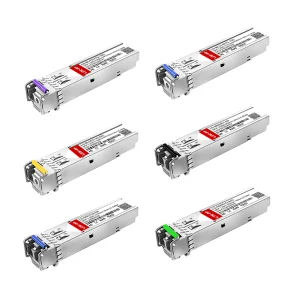
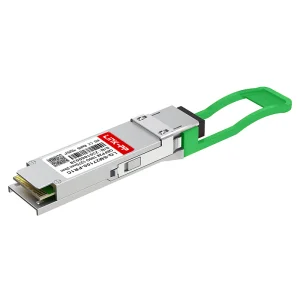
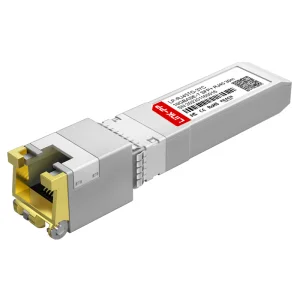
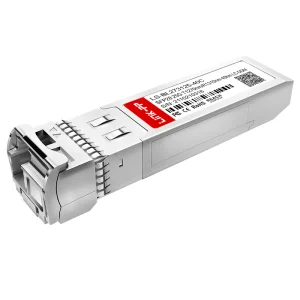
Another notable trend is the convergence of optical and copper networks. Data centers and edge-computing cabinets use high-speed optical transceivers (such as SFP, SFP28, and QSFP28 modules) to connect core networks, while relying on ruggedized RJ45 bulkheads for local sensor connections. This hybrid architecture requires manufacturers to possess expertise in both optical transmission dynamics and copper RF engineering.
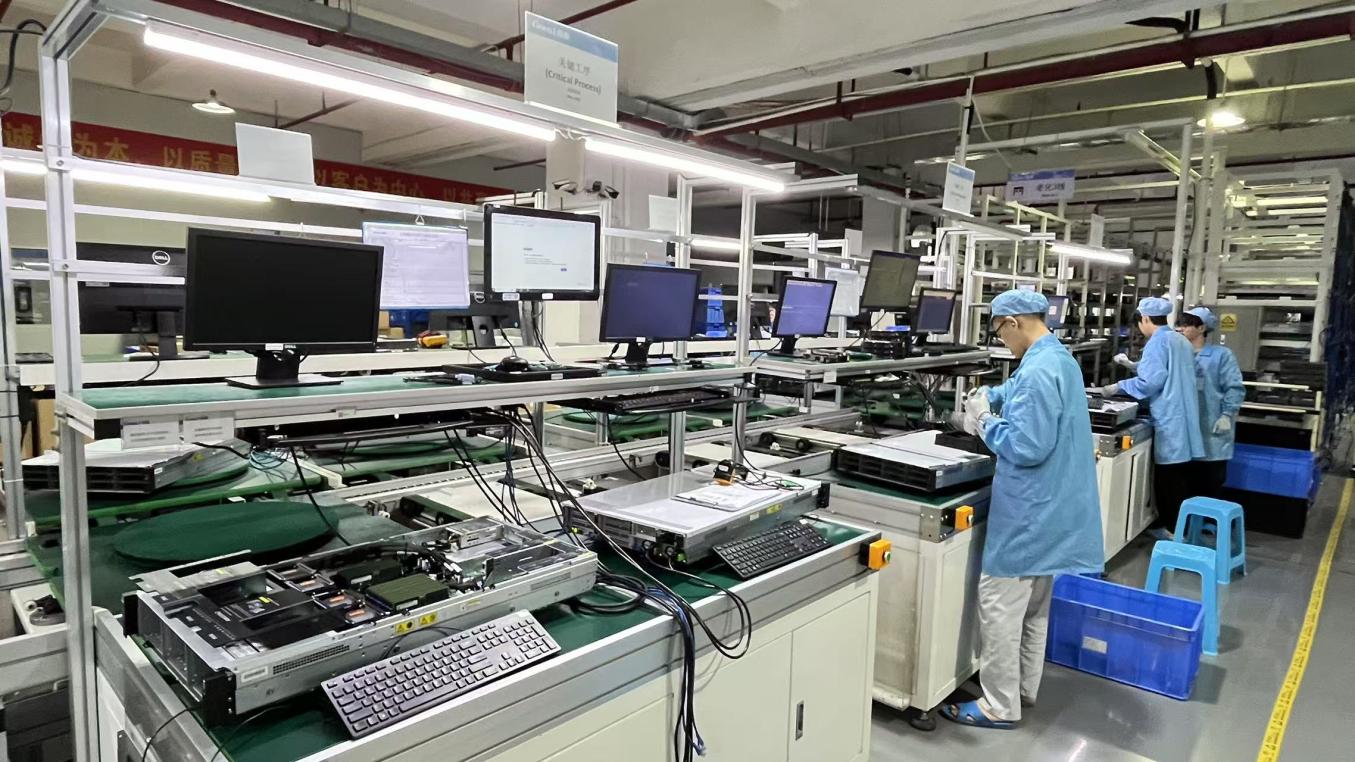
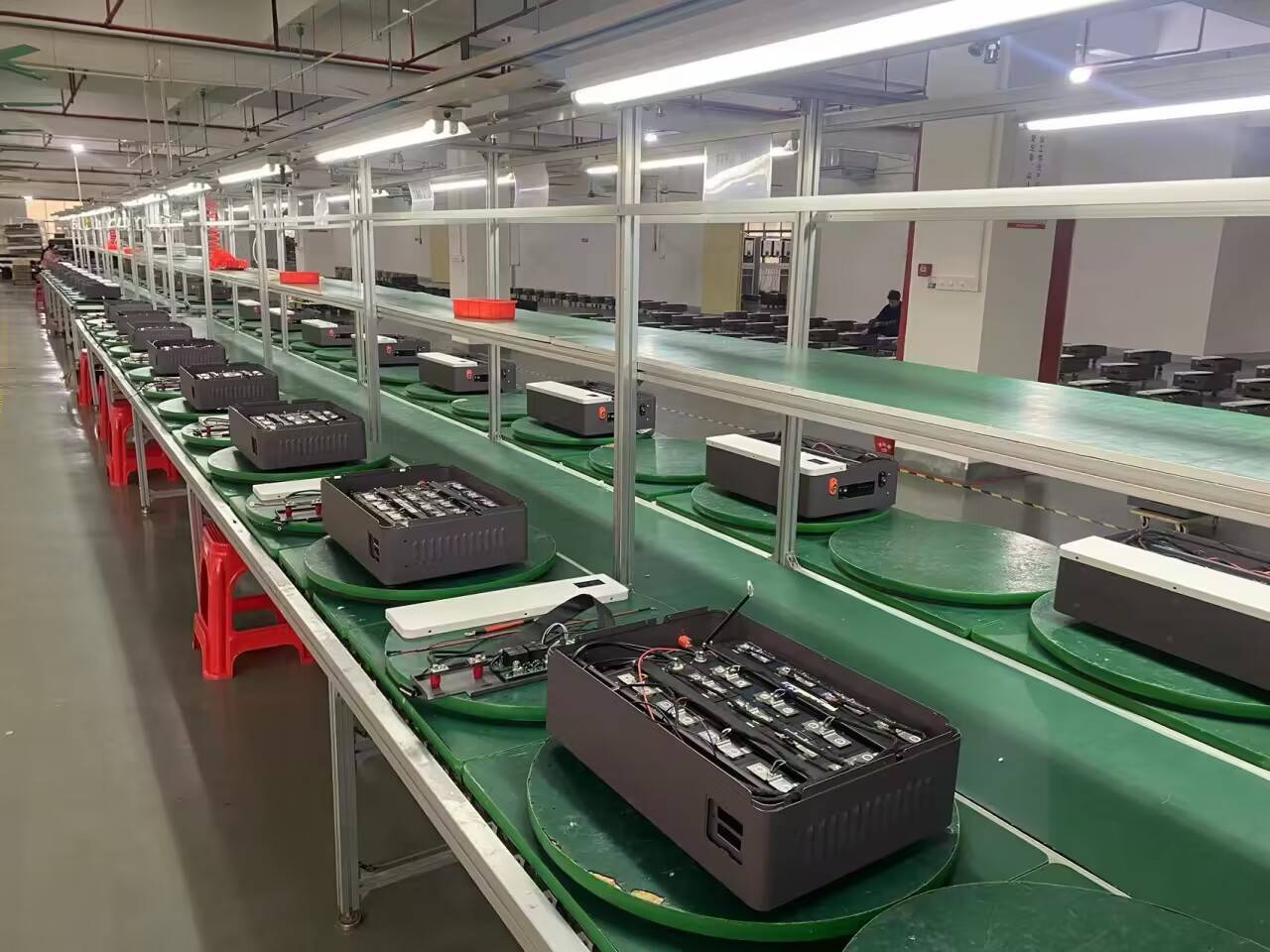
Under the brand OptiLinker (www.optilinkertrans.com), OptiLinker Optoelectronics Co., Ltd. stands as a professional optical transceiver manufacturer, copper component developer, and customized solution provider. Established in 2016, OptiLinker operates a modern production facility featuring a total building area of approximately 320㎡. The company has accumulated over 12 years of industry experience alongside 8 years of global export experience, establishing itself as a trustworthy manufacturer in China.
Driven by continuous research and development, OptiLinker generated an annual export revenue of approximately USD 12 million in the past fiscal year, distributing key network infrastructure components to critical projects across North America, Europe, Southeast Asia, and the Middle East.
OptiLinker's success in competitive international markets is built upon its strict Quality Assurance (QA) framework. The company implements a 100% incoming material inspection protocol, followed by AOI automated optical inspection and full optical performance testing. Active validation processes encompass BER (Bit Error Rate) testing, eye diagram analysis, and ruggedized environmental stress tests like high/low temperature cycling tests to ensure operational integrity in environments spanning from -40°C to +85°C. This rigorous process is managed by a quality control department of 35 dedicated QC professionals.
Backed by a supply chain network of approximately 850 partners, OptiLinker ensures low raw material lead times and cost efficiencies. The company houses a strong engineering core comprising 60 experienced optical and hardware engineers. This team specializes in high-speed optical circuit designs, signal integrity optimization, protocol compatibility, and structural customization. OptiLinker provides OEM/ODM customization services covering wavelength tuning, distance adjustments, customized packaging form factors, firmware coding, and multidevice compatibility programming. In the last year alone, the engineering team successfully brought 120 new products to market, demonstrating its agility in keeping pace with the networking industry.
To understand the necessity of specialized RJ45 bulkhead connectors, we must examine their deployment in real-world, high-stress localized environments:
The upcoming decade points toward higher speed requirements and integrated intelligence. OptiLinker's engineering roadmap focuses on three key technical frontiers:
Transition to Single Pair Ethernet (SPE): While traditional RJ45 connectors utilize four wire pairs, SPE transmits data and power (PoDL - Power over Data Lines) using just one pair. This reduces footprint and weight by up to 60%, critical for aerospace and automotive robotics applications. OptiLinker is engineering hybrid RJ45-to-SPE bulkhead systems to ease the transition between legacy networks and modern systems.
Cat8 Performance & Higher Frequency Engineering: As edge servers process data directly at the node, 25GBASE-T and 40GBASE-T networks are transitioning from backbone architecture to local nodes. Future RJ45 bulkhead designs will require specialized internal crosstalk cancellation circuitry to support frequencies up to 2 GHz.
Optoelectronic Convergence: In rugged enclosures where space is at a premium, the future lies in active bulkhead connectors. These connectors convert incoming copper Ethernet signals directly to optical signals within the bulkhead housing, integrating an SFP-like transceiver module directly inside the connector itself.
Rather than just supplying discrete components, OptiLinker designs cohesive network architecture solutions tailored to specific industries:
Advanced optoelectronic transmission modules and industrial low-profile copper jacks designed for resilient network infrastructures.