OptiLinker
OptiLinker
OptiLinker
Driving global wireless connectivity through enterprise-grade optical transceivers, low-latency connectors, and ruggedized industrial networking interfaces.
Optimized optical modules, high-reliability RJ45 magjacks, and EMI shielded cages powering industry-leading Access Point hardware.
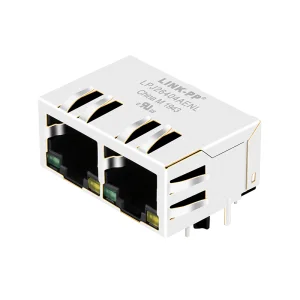
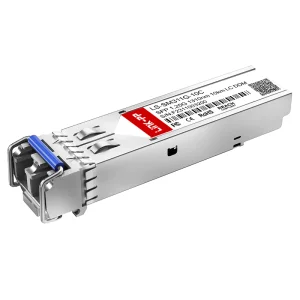
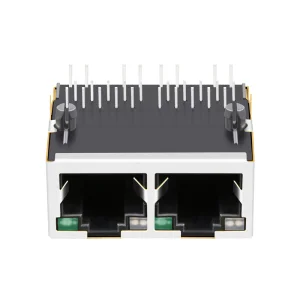
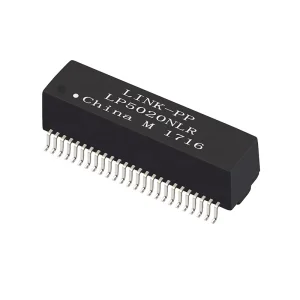
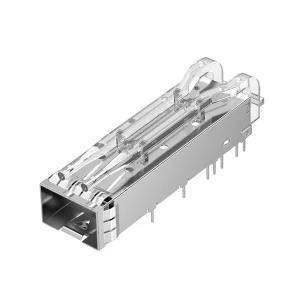
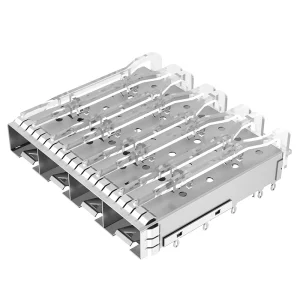
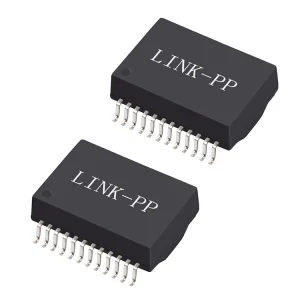
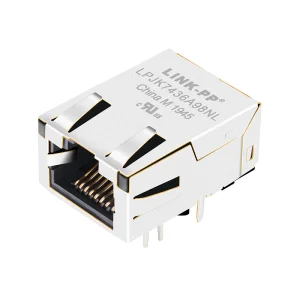
How high-density enterprise scenarios, carrier-grade uplinks, and rugged industrial deployments shape modern hardware manufacturing requirements.
The modern business landscape depends on seamless, high-speed wireless connectivity. With the transition from Wi-Fi 6 to Wi-Fi 6E and Wi-Fi 7, enterprise Wireless Access Points (WAPs) are no longer just basic bridge devices. They have evolved into complex edge processing systems. High-density environments—such as corporate campuses, smart hospitals, large-scale educational institutions, and international transportation hubs—require WAPs that can manage hundreds of concurrent client connections without latency degradation.
To sustain these massive multi-gigabit wireless transmission rates, the internal hardware of the access points must undergo a dramatic upgrade. Standard gigabit Ethernet uplinks are fast becoming bottlenecks. Today's commercial WAPs integrate Multi-Gigabit Ethernet (2.5G, 5G, or 10G) copper interfaces or direct SFP/SFP+ optical transceiver links to feed high-speed backhaul traffic directly into the core switch networks.
Deploying wireless infrastructure in industrial contexts—such as deep-freeze warehouses, petrochemical refineries, automated automotive factories, and marine docks—introduces extreme environment variables. Physical connectors must withstand wide temperature swings (industrial standard -40°C to +85°C), heavy electromagnetic interference (EMI) from high-voltage motors, and constant vibration.
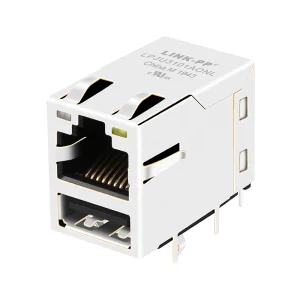
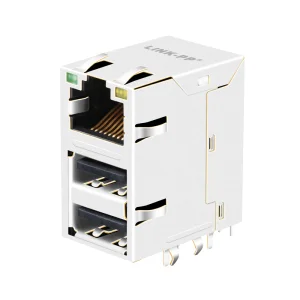
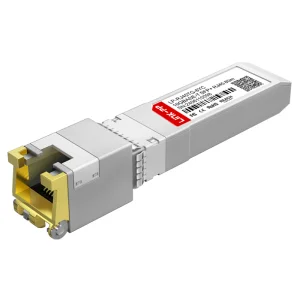
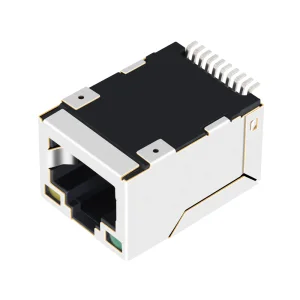
China's component manufacturers have kept pace with these hardware demands, designing specialized low-profile RJ45 Magjacks with integrated magnetics, advanced SFP+ EMI shielding cages, and high-performance optical modules optimized for continuous run-time under harsh scenarios.
Why physical layer interconnects and signal-integrity modules dictate the network range, packet loss rates, and operational lifespan of WAP devices.
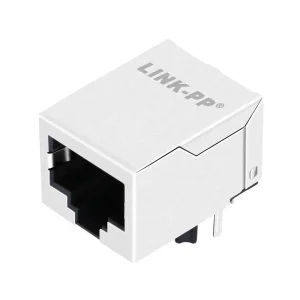
Most enterprise access points are powered through Power over Ethernet (PoE) via RJ45 interfaces. As APs handle complex multi-band radios (2.4GHz, 5GHz, and 6GHz simultaneously), their power demands have spiked to PoE+ (802.3at) and PoE++ (802.3bt, up to 90W). This requires high-reliability RJ45 connectors with integrated magnetics (Magjacks) capable of carrying significant DC current without saturating the magnetic cores or inducing signal crosstalk.
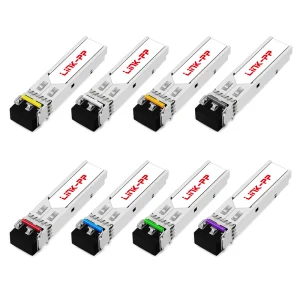
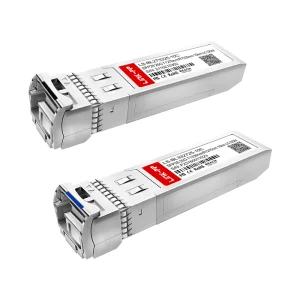
To avoid bottlenecks in high-speed Wi-Fi 7 installations, optical fiber-to-the-AP deployments are gaining momentum. Integrated SFP/SFP28 optical modules enable transmission speeds up to 10G or 25G over long distances. High-performance transceiver modules (such as SFP28 BiDi or Cisco Compatible SFP options) provide latency-free fiber downlinks directly to the AP chassis, bypassing the distance limits of copper cabling.
Wireless radios inside the WAP are highly sensitive to EMI. High-speed digital signals on the system motherboard generate noise that can compromise the wireless range. Using robustly shielded SFP+ cages and grounded metal RJ45 Harmonica Jacks ensures that external electromagnetic emissions are redirected safely to ground, keeping the wireless noise floor exceptionally clean.
Why leading global system integrators and telecommunications companies partner with China-based production facilities.
Global procurement managers face complex regulatory and compliance hurdles. High-speed networking hardware must align with strict international safety, chemical, and electromagnetic standards. When sourcing from China, leading manufacturers provide complete transparency with RoHS, REACH, CE, and FCC certifications.
Beyond certifications, compatibility is critical. Because WAPs operate within multi-vendor enterprise environments alongside hardware from Cisco, Juniper, Huawei, and Aruba, the internal optical transceivers and interconnects must have matching EEPROM coding and interface structures. Chinese manufacturers specialize in firmware customization, ensuring that replacement transceivers pass host system diagnostics seamlessly.
Where high-performance access point components prove their value under severe operational stresses.
In fully automated warehouses, Automated Guided Vehicles (AGVs) rely on uninterrupted Wi-Fi connections to receive routing commands. Dropped packets mean paused machines and lost efficiency. Access points mounted high in warehouse rafters require high-performance, low-loss RJ45 connectors with integrated magnetics to combat high ambient temperatures and electrical motor spikes, preventing transceiver dropouts.
Manufacturing plants with heavy machinery produce massive electromagnetic fields that interfere with ethernet signals. Industrial-grade WAPs rely on shielded 8P8C harmonica jacks and robust SFP cages. Double-shielded interfaces ensure that the data stream remains clear, preventing packet degradation between the core switches and the machinery on the assembly floor.
Access points mounted on outdoor poles or building exteriors face intense thermal stress and moisture risk. Components must be rated for industrial temperatures (-40°C to +85°C). Incorporating optical fiber downlinks using ruggedized single-mode duplex SFP28 transceivers (capable of running up to 10km or 40km) ensures that environmental shifts do not degrade high-bandwidth municipal network connections.
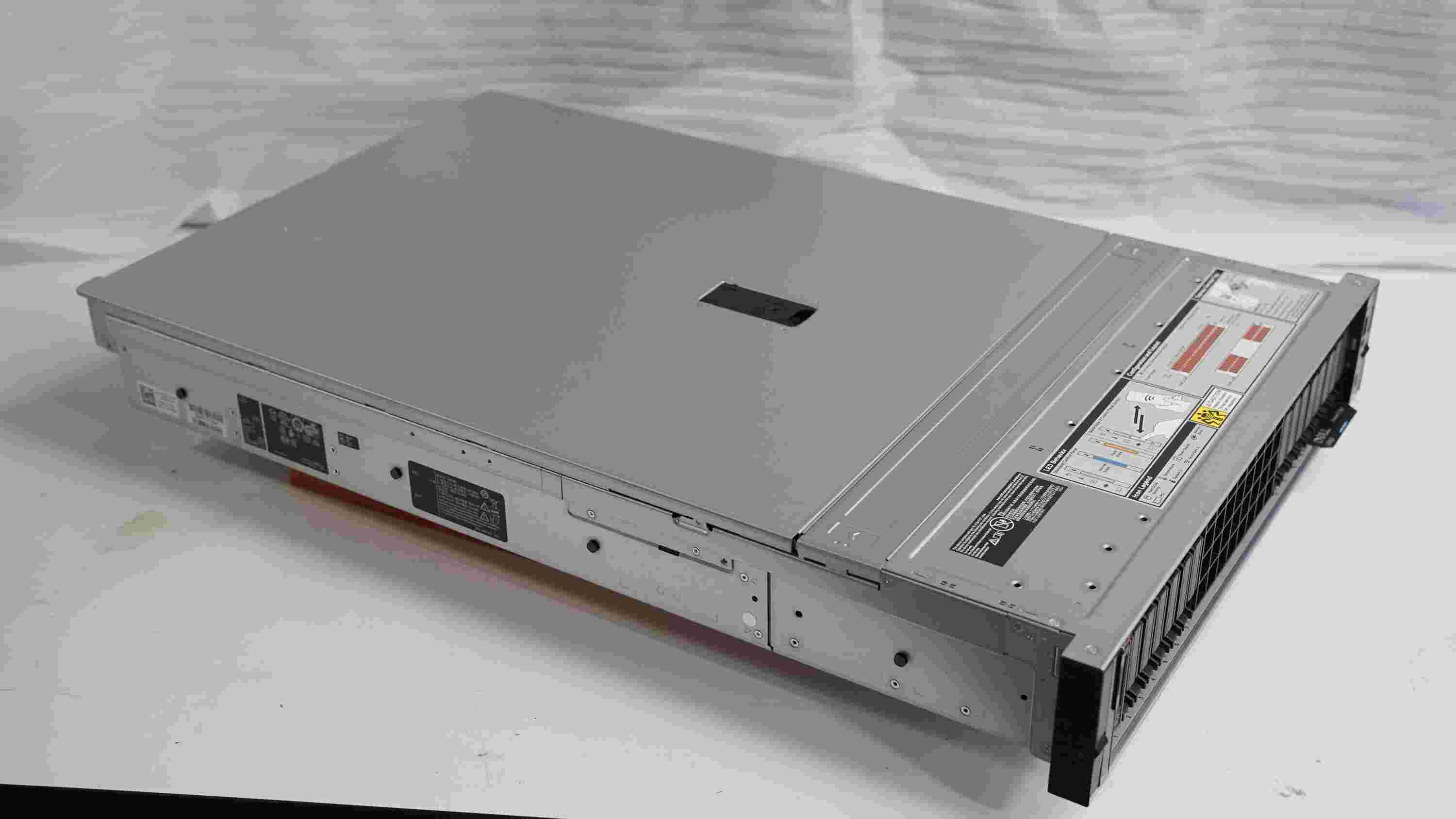
A professional optical transceiver manufacturer and solution provider under the brand OptiLinker, specializing in high-speed optical communication modules for global data center and telecom applications.
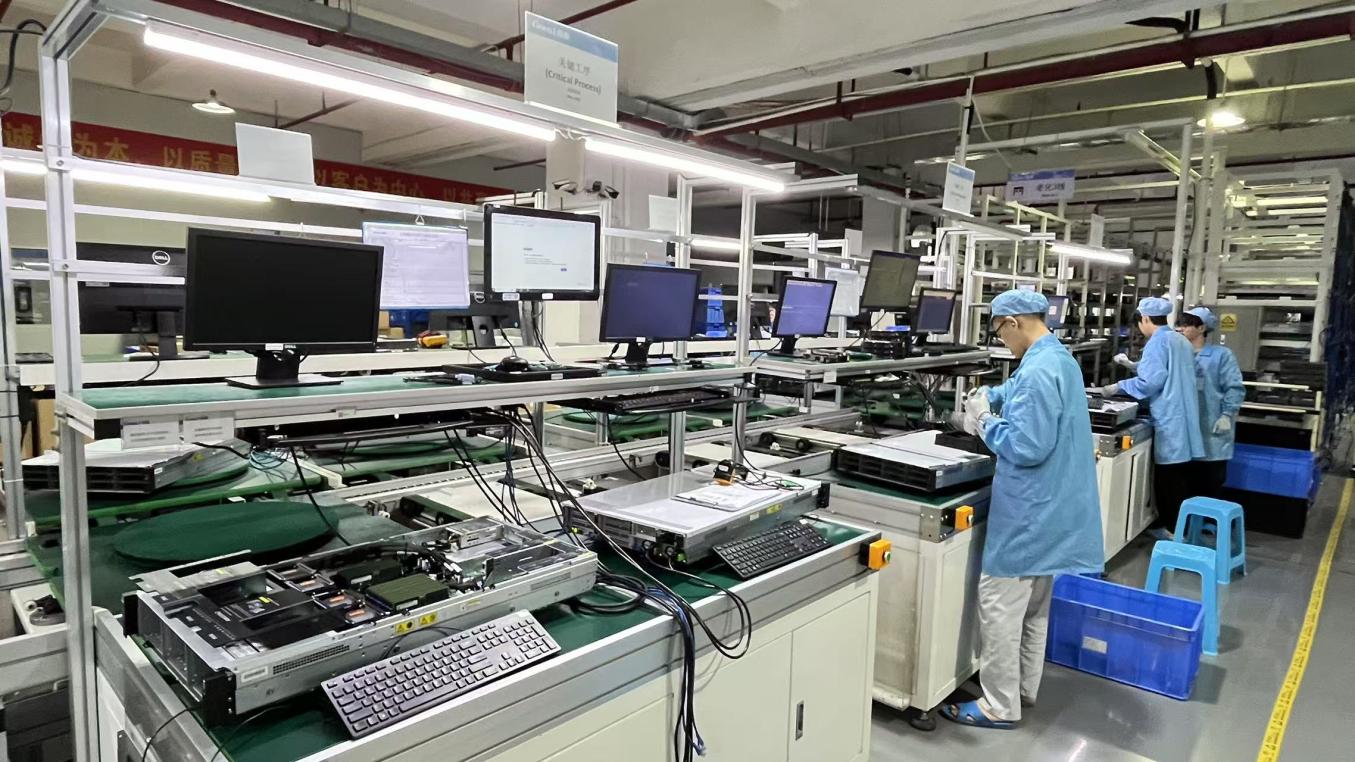
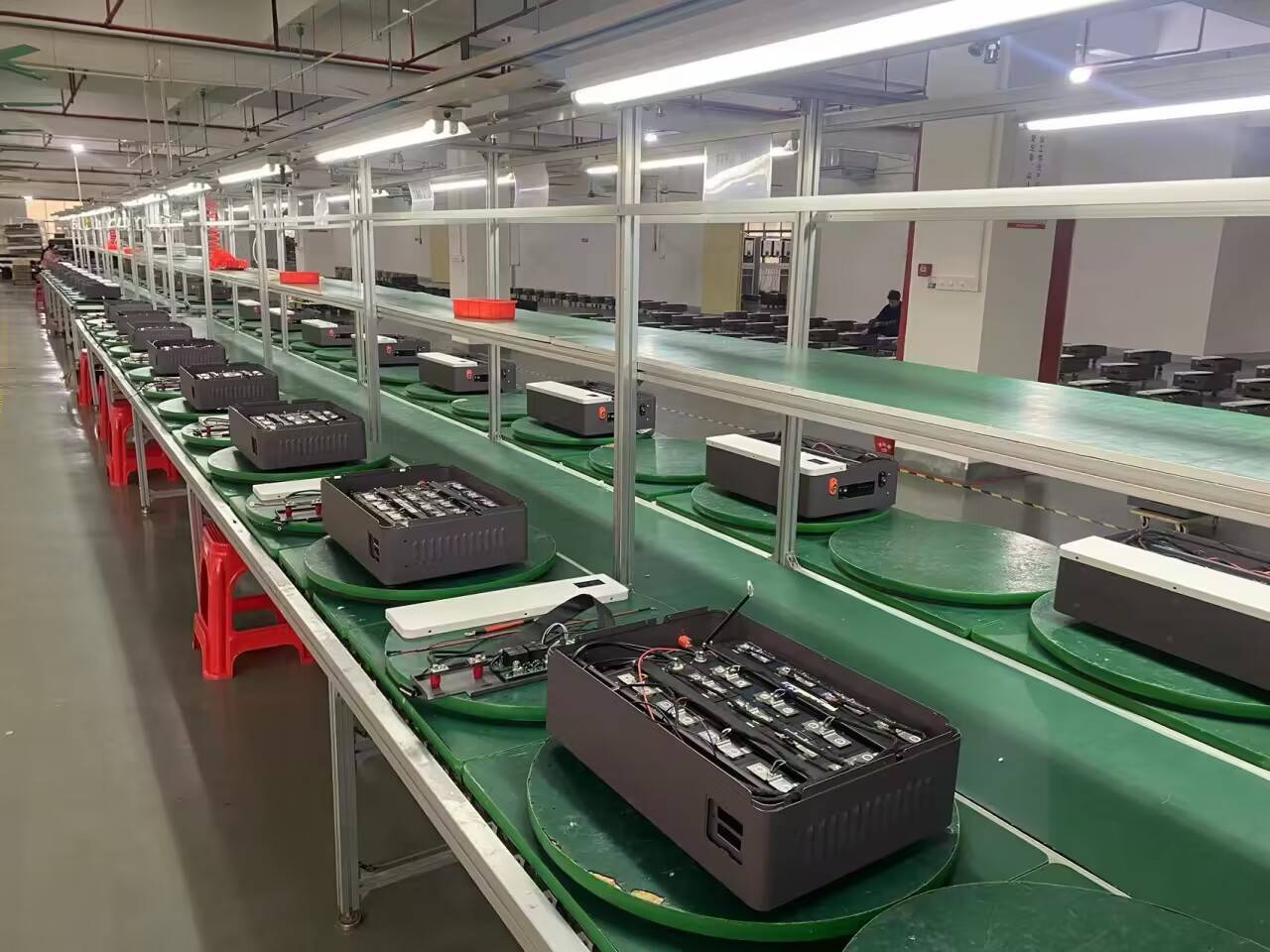
Founded in 2016, OptiLinker operates a modern production facility with a total building area of approximately 320㎡. With continuous development in optical communication technology, the company has accumulated over 12 years of industry experience and approximately 8 years of export experience.
In the past year, OptiLinker achieved an annual export revenue of around USD 12 million, serving customers across North America, Europe, Southeast Asia, and the Middle East. The company maintains a strong global B2B trade background, focusing on OEM/ODM partnerships with network infrastructure providers.
Our quality control team consists of 35 dedicated QC professionals. The company implements 100% incoming material inspection, AOI automated optical inspection, and full optical performance testing. Product verification includes BER testing, eye diagram analysis, and high/low temperature cycling tests, ensuring stable performance under demanding network environments.
Supported by a team of 60 experienced optical engineers, our R&D engineering team specializes in high-speed optical design, signal integrity optimization, and protocol compatibility development. OptiLinker offers flexible customization options including wavelength tuning, transmission distance, packaging form factors, firmware coding, and device compatibility programming.
OptiLinker collaborates with a global supply chain network of approximately 850 partners, enabling efficient sourcing and stable production capacity. Our main customer base includes telecom operators, data centers, system integrators, and networking equipment manufacturers. In the last year alone, OptiLinker launched approximately 120 new optical transceiver products.

Technical answers to critical questions commonly raised by telecommunications procurement managers and network hardware designers.
A: Enterprise WAPs operate multiple radios in close proximity. High-speed signals passing through ethernet connectors or optical cages generate high-frequency electromagnetic noise. If the connectors lack adequate EMI shielding (such as multi-point grounding tabs on SFP+ cages and copper alloy housings on RJ45 harmonica jacks), this noise spills onto the mainboard. This elevates the noise floor of the RF receivers, reducing wireless coverage and throughput. OptiLinker utilizes specialized EMI-shielded housings and integrated magnetics to isolate and contain high-frequency noise.
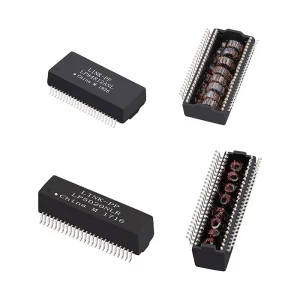
A: PoE++ (802.3bt) delivers up to 90W of power over standard ethernet cabling by running high currents (up to 960mA) through the wire pairs. In an RJ45 connector with integrated magnetics (Magjack), this current can lead to magnetic core saturation, resulting in signal degradation and packet loss. To counteract this, modern magnetic modules use high-permeability cores with precise air-gap offsets and high-gauge wire windings. This configuration allows the transformer to carry heavy DC currents without compromising signal integrity.
A: As Wi-Fi 7 access points exceed multi-gigabit throughput limits, standard copper ethernet connections (CAT6A) are restricted to 100 meters and face heat issues at high PoE loads. SFP28 25G transceivers enable direct fiber connections to the AP, allowing multi-kilometer runs with zero latency, complete immunity to lightning/electrical surges, and ample bandwidth headroom for future wireless standards.
A: Enterprise systems use proprietary software locks to prevent third-party components from operating in their devices. OptiLinker engineers write custom firmware and code EEPROMs to match target system profiles (such as Cisco, Juniper, TE, and Amphenol replacements). Our compatibility lab verifies each module on host switches before shipping, avoiding transceiver initialization errors.
A: Industrial-grade components undergo a series of stress tests: 1) Thermal shock and cycling tests (-40°C to +85°C) to verify structural integrity. 2) Damp heat testing to confirm corrosion resistance in high-humidity climates. 3) Bit Error Rate (BER) and eye diagram tests under thermal loads to ensure the optoelectronics do not drift or lose signal lock over time.
Explore our full line of network components, engineered for low insertion loss, high durability, and industry compliance.