OptiLinker
OptiLinker
OptiLinker
Explore our premium selection of integrated RJ45 magnetic sockets, high-bandwidth SFP transceivers, and industrial-grade connectivity interface hardware built for zero-packet-loss environments.
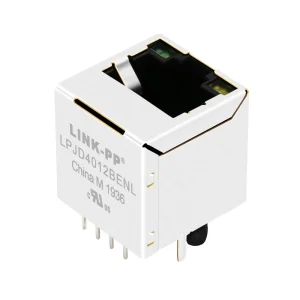
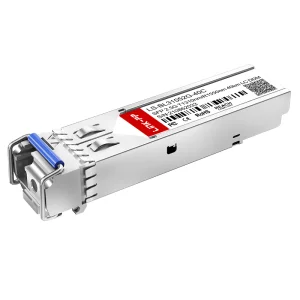
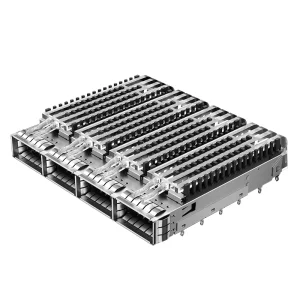
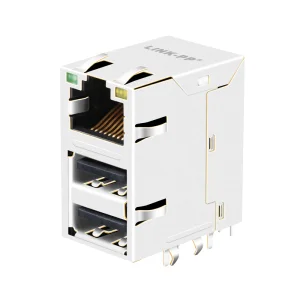
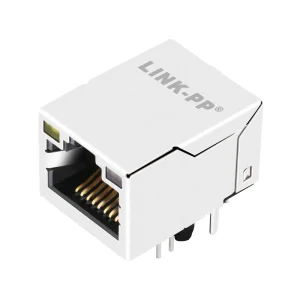
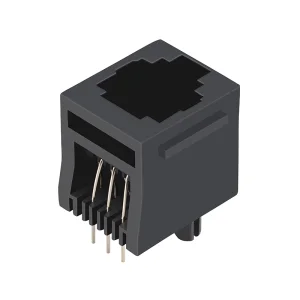
In an increasingly interconnected enterprise environment, physical layer connectivity acts as the fundamental bedrock of enterprise network scalability, data center throughput, and industrial automation efficiency. The transformation of peripheral interface standards—from legacy USB-A bandwidth ceilings to modern USB 3.2 Gen 2x2 and USB4 specifications—has propelled **USB to Ethernet Adapters** from simple consumer accessories to critical network bridge components across telecom networks, financial institutions, smart factories, and edge computing nodes.
Modern ultra-thin laptops and enterprise tablets lack integrated RJ45 ports. USB to Ethernet adapters integrated with high-performance PHY microchips provide low-latency gigabit and multi-gigabit (2.5G/5G/10G) wired uplink connectivity essential for secure corporate network access, financial trading floors, and high-throughput media editing.
Industrial PCs (IPCs) and embedded gateway hardware require reliable, isolated Ethernet ports capable of operating under harsh electromagnetic interference (EMI). Embedded RJ45 magnetics and customized USB-to-LAN silicon bridging circuits ensure reliable Modbus/TCP, EtherCAT, and PROFINET communication protocols across automated production lines.
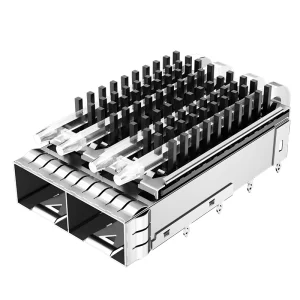
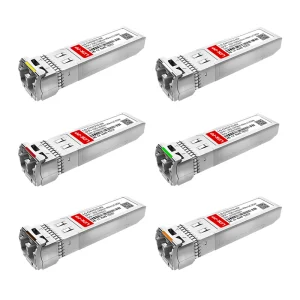
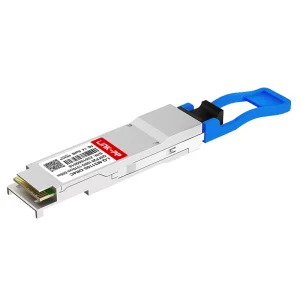
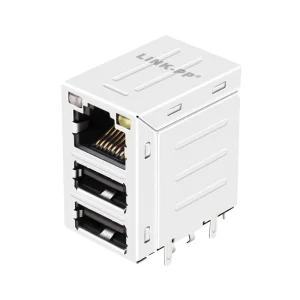
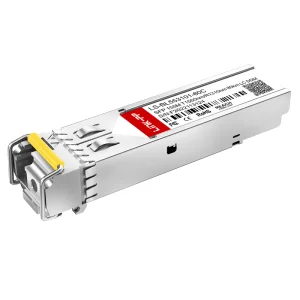
High-density optical interconnectivity demands synergy between SFP/QSFP optical transceiver modules and copper RJ45 interfaces. Dual USB RJ45 integrated connectors and SFP+ cage assemblies streamline server rack design, reduce board space requirements, and maintain signal integrity at ultra-high switching speeds.
A high-grade USB to Ethernet Adapter converts high-speed differential USB data lines (D+/D- or Type-C TX/RX pairs) into Ethernet packet frames via an integrated MAC/PHY controller. Signal conditioning involves baseline wander correction, dynamic equalization, integrated magnetic isolation transformers, and IEEE 802.3az Energy Efficient Ethernet compliance, preventing packet drops and maintaining link stability under thermal stress.
As the hub of world electronic manufacturing, China's hardware ecosystem offers unmatched advantages in physical layer networking product development, supply chain agility, precision SMT tooling, and rigorous testing protocols. Top-tier original design manufacturers (ODM) and original equipment manufacturers (OEM) bridge high-volume assembly efficiency with military-grade quality standards.
From initial PCB schematic layout, chip-on-board (COB) or surface-mount technology (SMT), to magnetic component winding, injection molding, and optical module assembly, China's network manufacturing leaders provide unified quality management across the entire production lifecycle.
Custom firmware injection (EEPROM vendor ID/product ID branding), customized MAC address allocation, flexible port combinations (Dual USB + RJ45, USB-C + SFP+ cages), and specialized enclosure design (CNC aluminum, heavy-duty ABS, industrial EMI shielding) are available with low minimum order quantities (MOQs).
Strategic partnerships with major silicon vendors (Realtek, ASIX, DisplayLink, Broadcom, Marvell) guarantee component availability even during global semiconductor shortages, maintaining unbroken fulfillment schedules for international B2B buyers.
OptiLinker Optoelectronics Co., Ltd. is a professional optical transceiver manufacturer and solution provider under the brand OptiLinker (www.optilinkertrans.com), specializing in high-speed optical communication modules, high-performance network connectivity hardware, and integrated interface systems for global data center and telecom applications.
Founded in 2016, OptiLinker operates a modern production facility with a total building area of approximately 320㎡. With continuous development in optical communication technology, the company has accumulated over 12 years of industry experience and approximately 8 years of export experience.
In the past year, OptiLinker achieved an annual export revenue of around USD 12 million, serving customers across North America, Europe, Southeast Asia, and the Middle East. The company maintains a strong global B2B trade background, focusing on OEM/ODM partnerships with network infrastructure providers.
Quality assurance is a core focus at OptiLinker. The company implements 100% incoming material inspection, AOI automated optical inspection, and full optical performance testing. Product verification includes BER testing, eye diagram analysis, and high/low temperature cycling tests, ensuring stable performance under demanding network environments. The quality control team consists of 35 dedicated QC professionals.
OptiLinker collaborates with a global supply chain network of approximately 850 partners, enabling efficient sourcing and stable production capacity. Its main customer base includes telecom operators, data centers, system integrators, and networking equipment manufacturers.
The company has strong R&D capabilities, supported by a team of 60 experienced optical engineers. Its engineering team specializes in high-speed optical design, signal integrity optimization, and protocol compatibility development. OptiLinker offers flexible customization options including wavelength tuning, transmission distance, packaging form factors, firmware coding, and device compatibility programming.
In the last year alone, OptiLinker launched approximately 120 new optical transceiver products, reflecting its continuous innovation and rapid response to market demand. Driven by innovation and reliability, OptiLinker is committed to delivering high-performance optical connectivity solutions for the global digital infrastructure market.
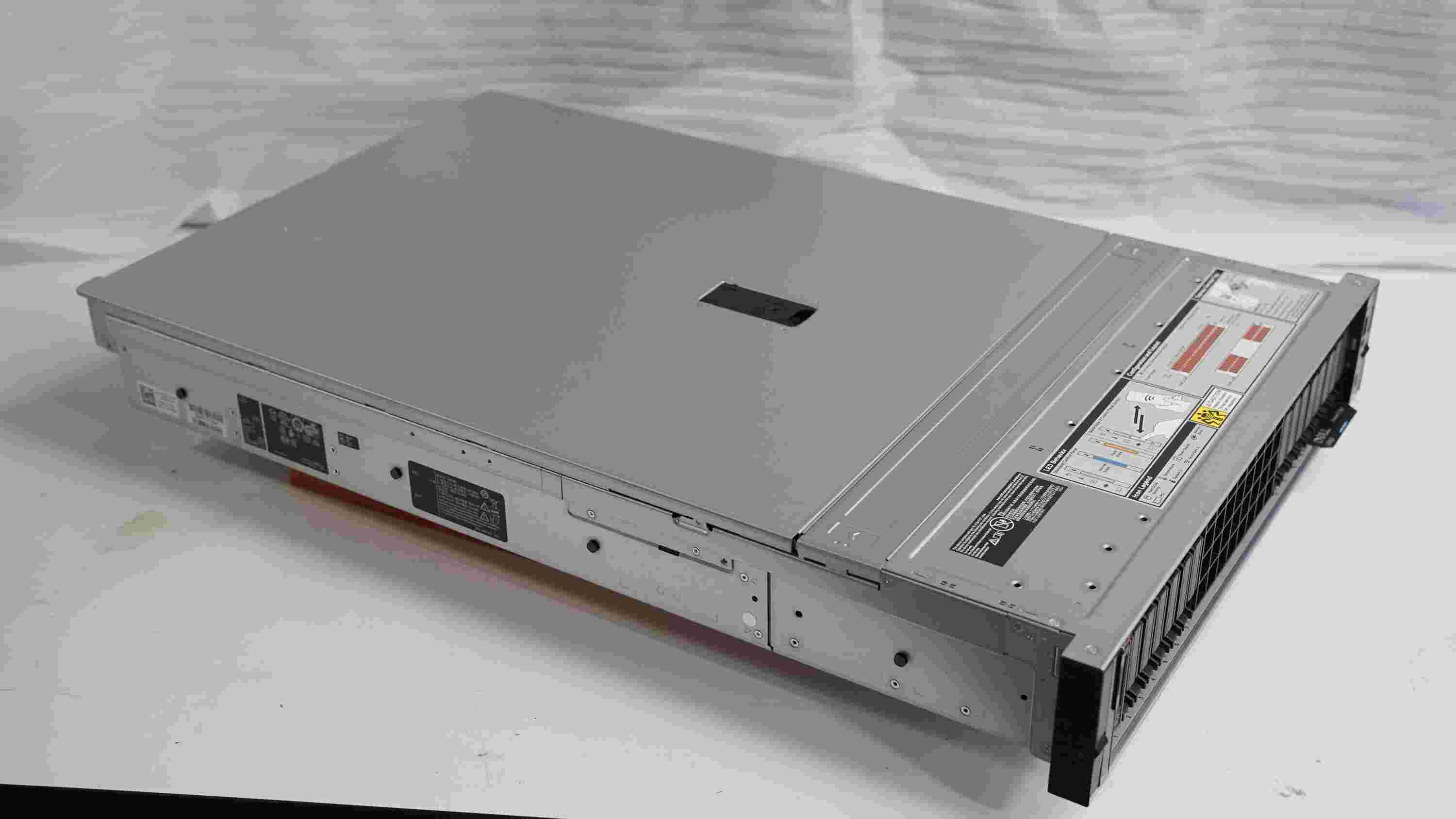
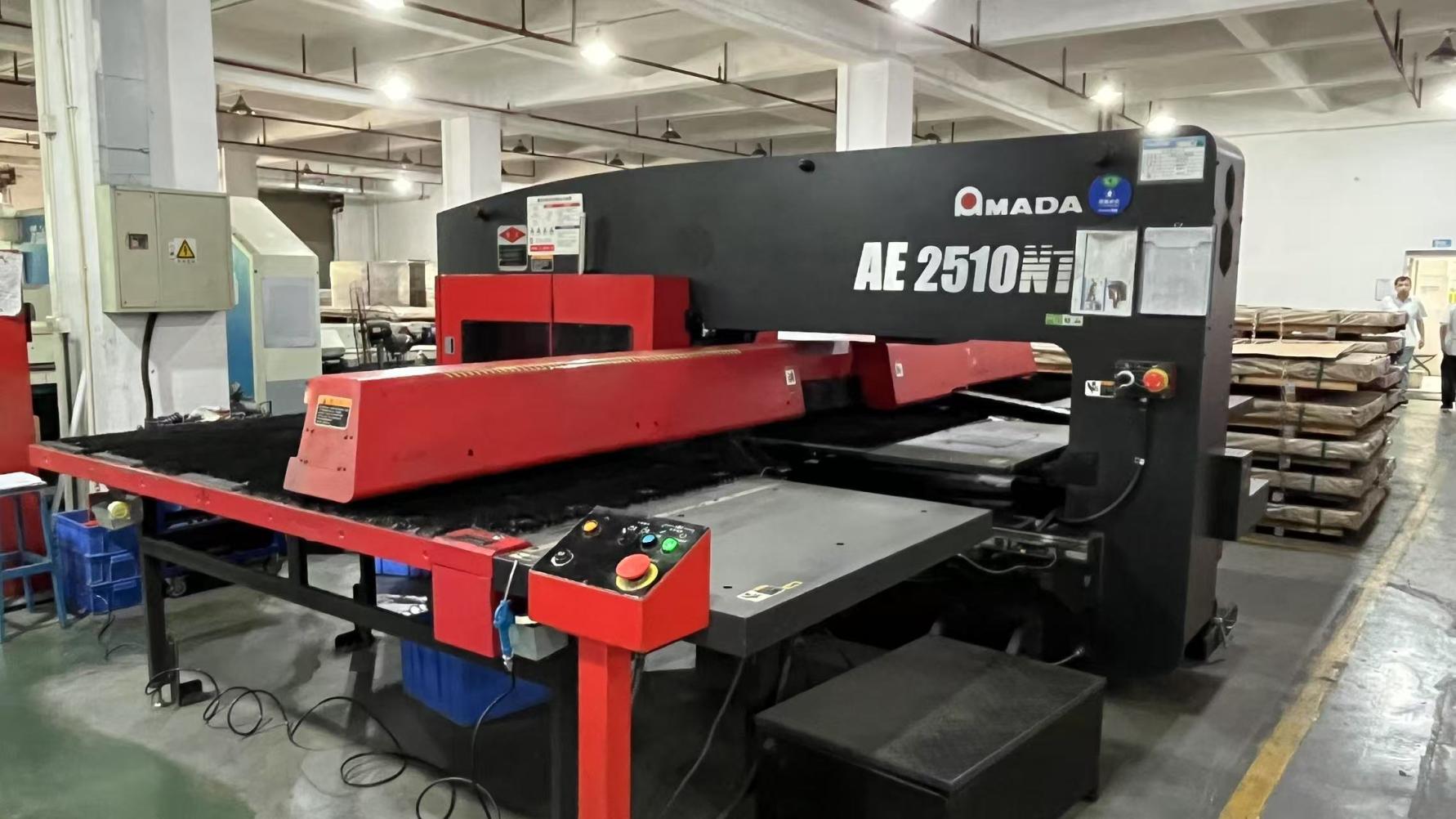
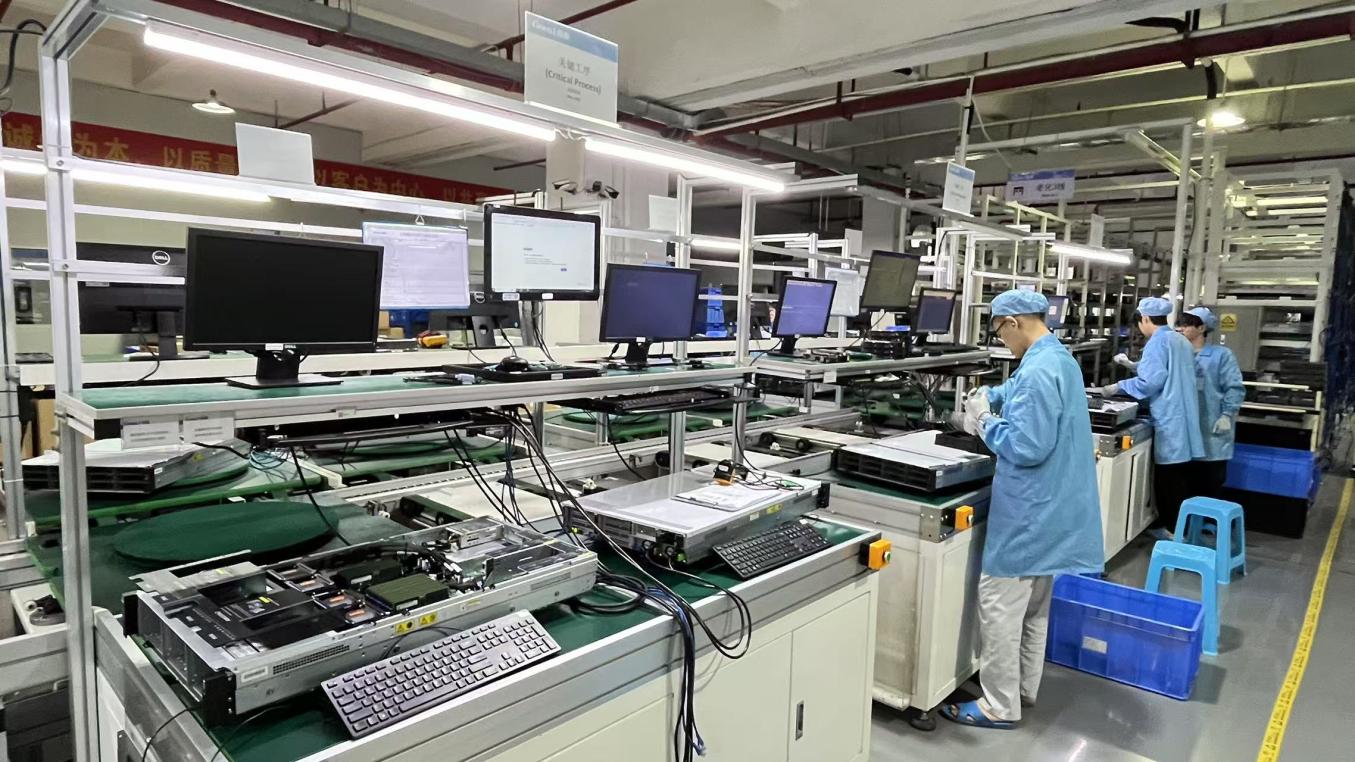
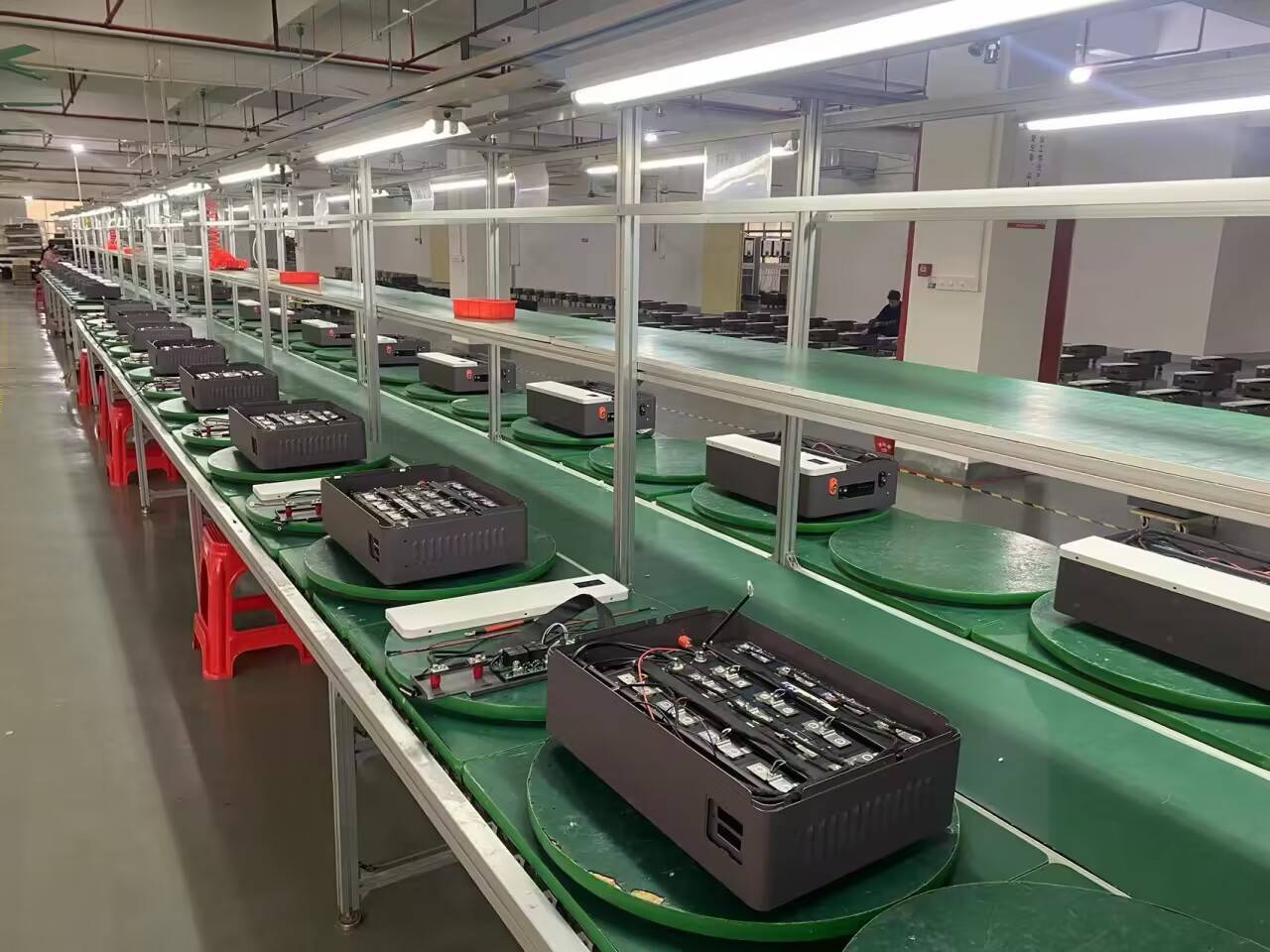
From enterprise IT infrastructures to specialized field maintenance, USB to Ethernet conversion solutions provide vital connectivity across diverse deployment scenarios.
Engineers and system administrators utilize USB-to-RJ45 console and Ethernet adapters for out-of-band server provisioning, switch rack configuration, and direct diagnostics. Driverless plug-and-play functionality across Windows, macOS, Linux, and Android ensures instant access in high-security server rooms.
Field maintenance technicians servicing industrial programmable logic controllers (PLCs), CNC machinery, and robotics hubs rely on isolated USB Ethernet converters equipped with heavy shielding to prevent ESD static discharges and grounding loops in heavy industrial settings.
Medical imaging devices (portable ultrasound scanner units, mobile diagnostic workstations) utilize high-bandwidth USB 3.0 to Gigabit Ethernet adapters to transmit lossless medical images (DICOM format) over local hospital networks without latency or wireless interference.
Deploying hardware across international jurisdictions requires adherence to global technical regulations, electromagnetic compatibility standards, and environmental protection directives. OptiLinker maintains strict compliance protocols to ensure seamless global market access.
Compliant with **FCC Part 15 Class B** and **CE EN 55032 / EN 55035** standards. Dual-shielded housing designs and integrated ferrite beads suppress high-frequency radiative interference, protecting adjacent RF channels and sensitive equipment.
100% compliant with **RoHS 2.0 (Directive 2011/65/EU and amendment 2015/863)** and **REACH (SVHC candidates list)**. All solder pastes, components, and plastic housings are lead-free, non-toxic, and flame-retardant (UL94V-0 compliant).
Designed strictly according to **IEEE 802.3 (10Base-T)**, **IEEE 802.3u (100Base-TX)**, **IEEE 802.3ab (1000Base-T)**, and **IEEE 802.3az (Energy Efficient Ethernet)** protocols, guaranteeing interoperability with standard network switches and routers.
As enterprise network speeds transition toward 10G, 25G, and 100G architectures, USB-to-Ethernet technology is undergoing a paradigm shift driven by optical integration and advanced physical layer silicon.
With PCIe encapsulation capabilities, next-generation USB4 to 10GbE / 25GbE optical network interface adapters allow laptops to connect directly to optical fiber backbones via SFP+ interface cages without external PCI express expansion chassis.
Future intelligent USB Ethernet adapters will feature onboard micro-controllers running AI algorithms for real-time link quality monitoring, early detection of cable degradation, automated thermal throttling, and predictive cable distance testing (TDR).
Emerging USB-C adapters will support pass-through Power Delivery (PD 3.1 up to 240W) alongside high-power PoE++ (IEEE 802.3bt) sourcing capabilities, enabling single-cable power and multi-gigabit data delivery to peripheral hardware simultaneously.
Get expert answers regarding component compatibility, OEM customization options, thermal behavior, and optical integration.
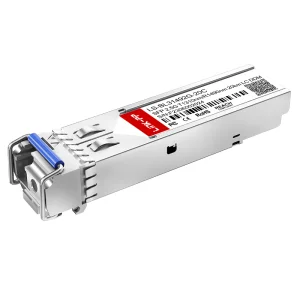
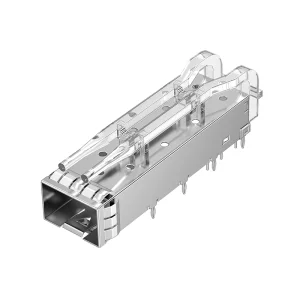
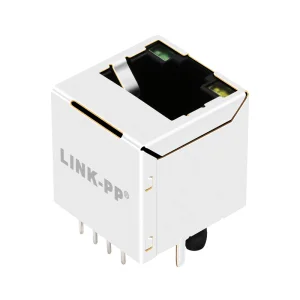
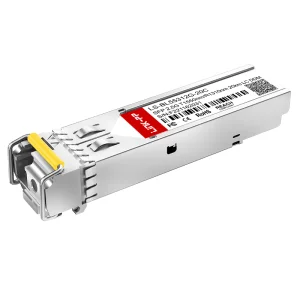
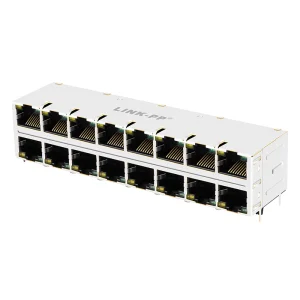
Review our specialized SFP+ cages, Bidi transceiver modules, and vertical magnetic female RJ45 connectors for high-density networking applications.