OptiLinker
OptiLinker
OptiLinker
In an era dominated by hyper-converged digital infrastructure, enterprises, smart grids, and commercial spaces require stable backhaul networks without the massive overhead of new cable installations. Powerline communication (PLC) adapters, leveraging standard electrical wiring to transmit data packets, have emerged as a pivotal technology for retrofitting historic buildings, establishing reliable industrial IoT links, and bridging dead zones in modern multi-story facilities.
As global procurement managers and hardware design engineers specify components for next-generation systems, the demand has shifted from basic home connectivity solutions to rugged, industrial-grade Ethernet-over-Power (EoP) systems. These networks require robust signal integrity, high immunity to electromagnetic interference (EMI), and highly stable physical layer interfaces. OptiLinker, leveraging its 12 years of core engineering expertise, delivers the structural sub-assemblies—such as low-loss RJ45 magnetics and high-performance optical backhauls—that enable top-tier Powerline adapters to operate seamlessly under severe grid load variance.
China's manufacturing landscape has evolved from generic component assembly to state-of-the-art co-development. Leading Powerline adapter brands look for factories that do not just assemble PCBs but master high-frequency signal design. An adapter is only as robust as its physical interfaces. Signal attenuation over copper lines, phase differences in three-phase power lines, and impulse noise from industrial machinery demand optimized SMT connectors and robust magnetic shielding modules.
Hardware development for modern Powerline devices centers on two primary technical protocols. Understanding these is essential for strategic sourcing and aligning products with international standards:
Operating in the 2 MHz to 86 MHz frequency spectrum, HomePlug AV2 utilizes MIMO (Multiple Input, Multiple Output) beamforming techniques to transmit data concurrently over Live, Neutral, and Ground lines. It achieves gigabit-class throughput with physical layer rates of up to 2000 Mbps.
Defined by the International Telecommunication Union (ITU), G.hn represents the modern standard for home and enterprise wiring. It offers higher bandwidth capabilities (up to 200 MHz spectrum), lower latency, and superior error-correction algorithms, crucial for multi-node deployments.
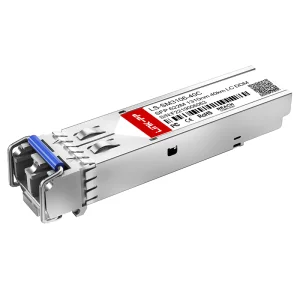
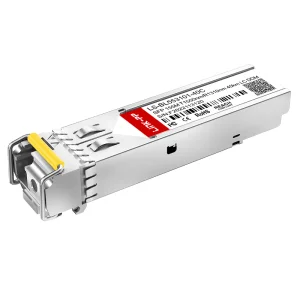
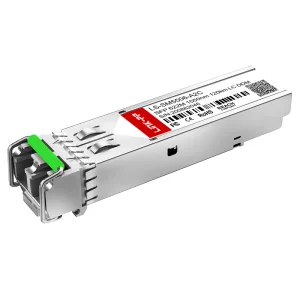
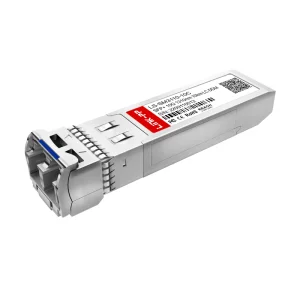
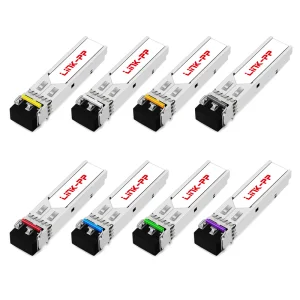
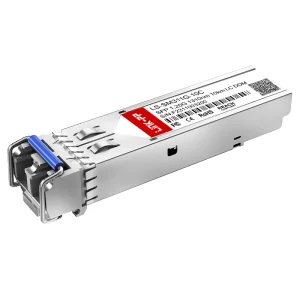
The future lies in blending optical backhaul with localized Powerline loops. In smart buildings, high-performance SFP transceivers transmit data down to localized power distribution hubs, which then use G.hn modules to distribute connectivity to individual offices.
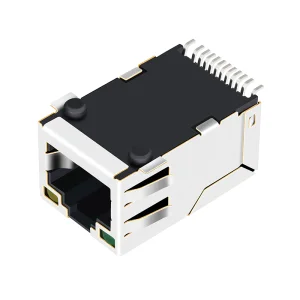
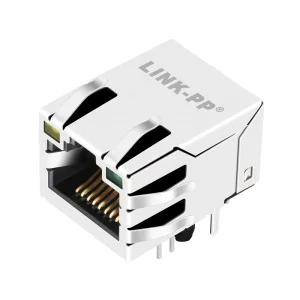
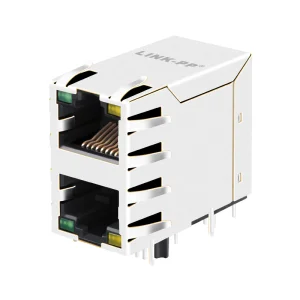
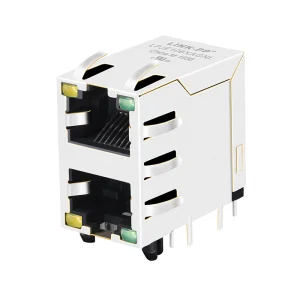
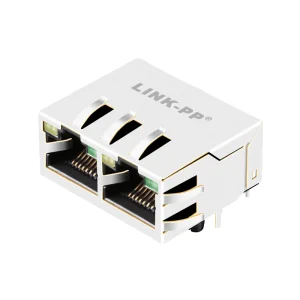
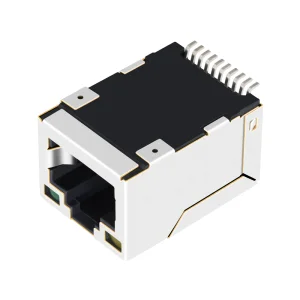
To achieve high-efficiency data packet transfer in these setups, manufacturers must minimize insertion losses at the physical RJ45 connection port. Components like the LPJ3011ABNL SMT RJ-45 Connector and the GE5T3013-LC SMT RJ45 Jack with Led ensure clean signal transfers, eliminating packet collisions and improving physical carrier-to-noise ratios (CNR).
When purchasing Powerline communication systems for commercial applications, procurement agents face two primary technical hurdles: cross-phase signal loss and high-frequency line noise.
In commercial properties configured with three-phase power distribution networks, the electrical phase offset acts as a high-frequency filter, limiting signal propagation between lines. To bridge these phases, designers must integrate high-performance phase couplers at the electrical distribution board. Furthermore, switching power supplies, variable frequency drives, and heavy electrical machinery induce significant harmonic noise on the lines, which can degrade the signal-to-noise ratio (SNR) of standard adapters.
OptiLinker Optoelectronics Co., Ltd. is a professional optical transceiver manufacturer and solution provider under the brand OptiLinker (www.optilinkertrans.com), specializing in high-speed optical communication modules for global data center and telecom applications.
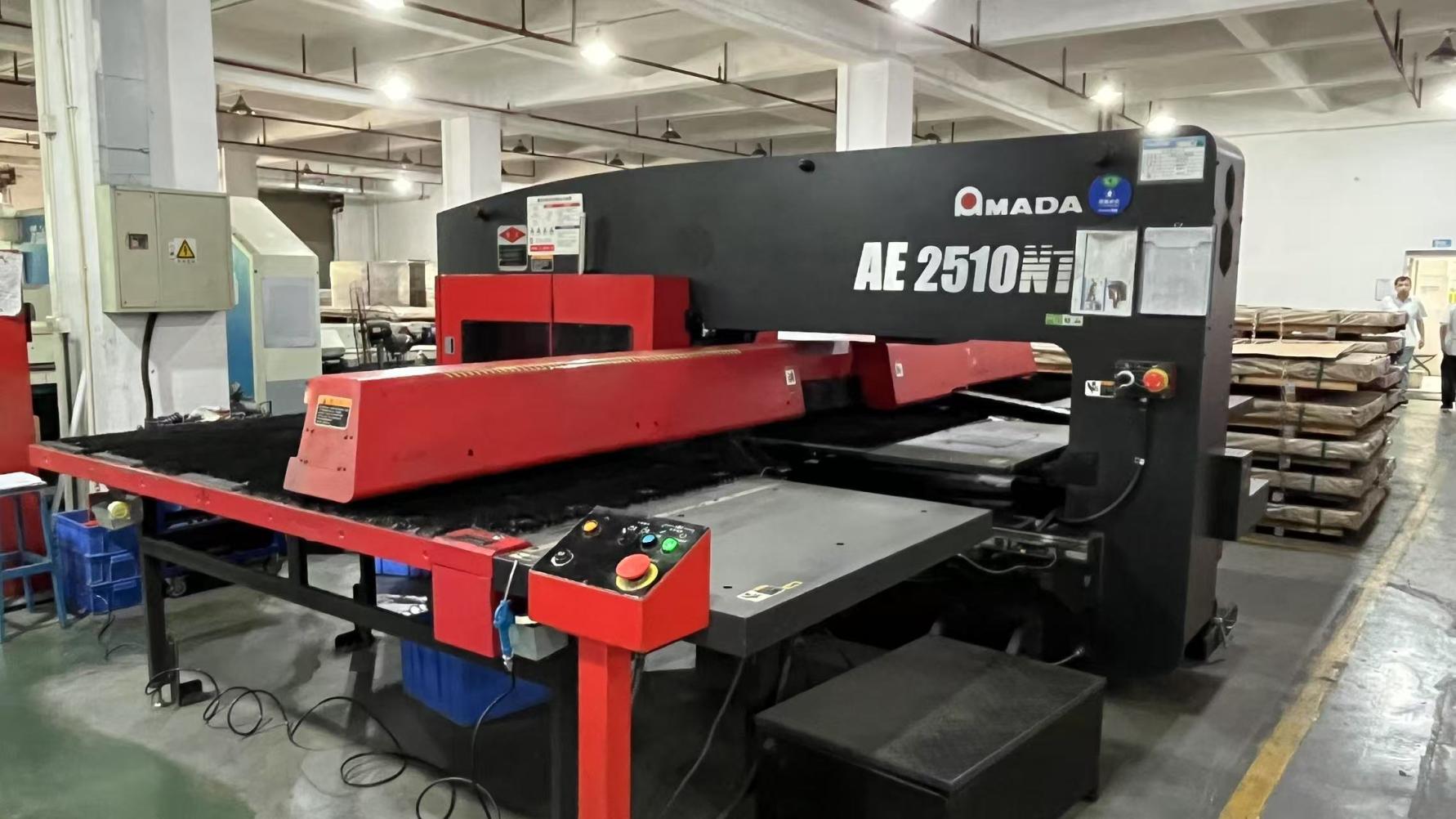
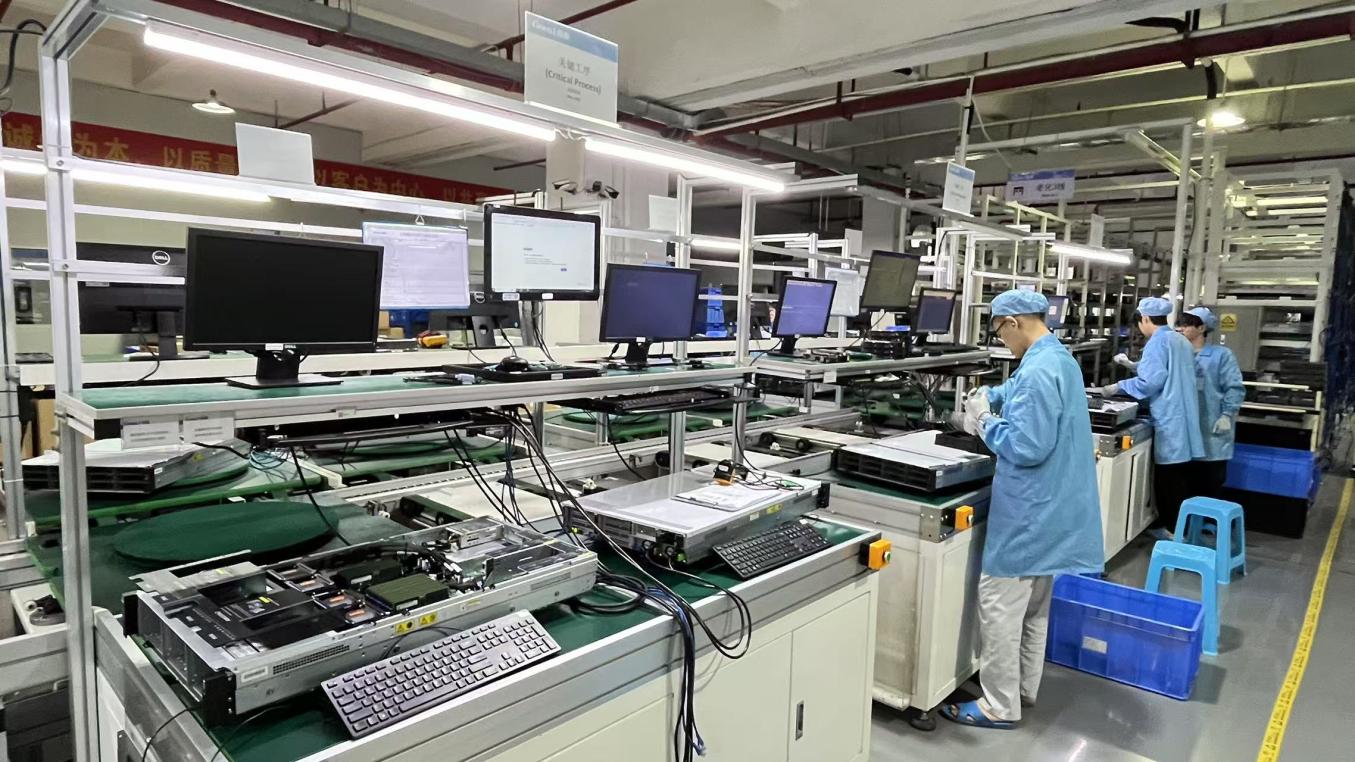
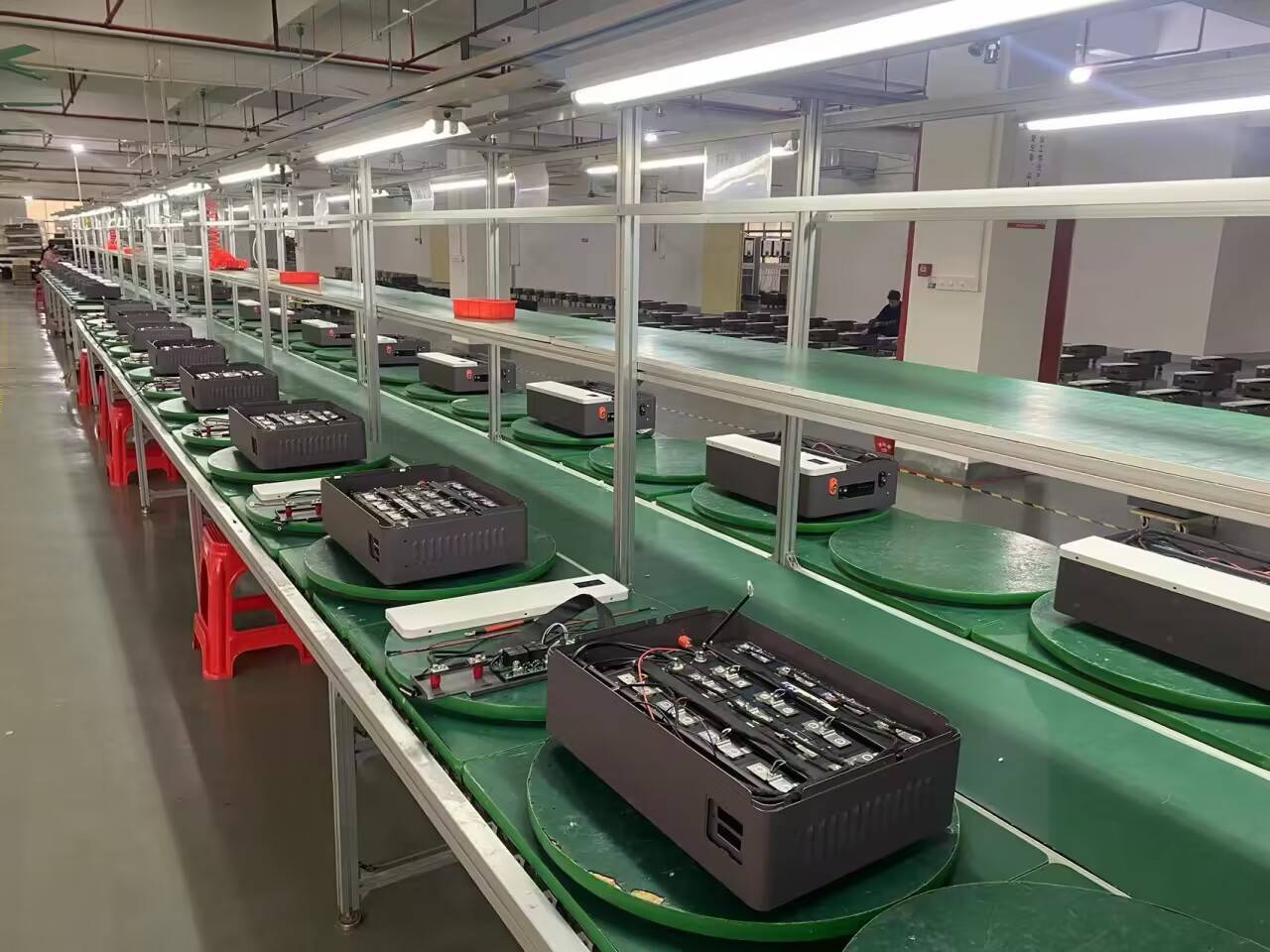
Founded in 2016, OptiLinker operates a modern production facility with a total building area of approximately 320㎡. With continuous development in optical communication technology, the company has accumulated over 12 years of industry experience and approximately 8 years of export experience.
In the past year, OptiLinker achieved an annual export revenue of around USD 12 million, serving customers across North America, Europe, Southeast Asia, and the Middle East. The company maintains a strong global B2B trade background, focusing on OEM/ODM partnerships with network infrastructure providers.
Quality assurance is a core focus at OptiLinker. The company implements 100% incoming material inspection, AOI automated optical inspection, and full optical performance testing. Product verification includes BER testing, eye diagram analysis, and high/low temperature cycling tests, ensuring stable performance under demanding network environments. The quality control team consists of 35 dedicated QC professionals.
OptiLinker collaborates with a global supply chain network of approximately 850 partners, enabling efficient sourcing and stable production capacity. Its main customer base includes telecom operators, data centers, system integrators, and networking equipment manufacturers.
The company has strong R&D capabilities, supported by a team of 60 experienced optical engineers. Its engineering team specializes in high-speed optical design, signal integrity optimization, and protocol compatibility development. OptiLinker offers flexible customization options including wavelength tuning, transmission distance, packaging form factors, firmware coding, and device compatibility programming.
In the last year alone, OptiLinker launched approximately 120 new optical transceiver products, reflecting its continuous innovation and rapid response to market demand. Driven by innovation and reliability, OptiLinker is committed to delivering high-performance optical connectivity solutions for the global digital infrastructure market.
Operating in our modern production facility with approximately 320㎡ of area, our processes feature 100% incoming material inspection, high-speed automated optical inspection (AOI), and specialized cleanroom environments for optic transceiver calibration and testing.