OptiLinker
OptiLinker
OptiLinker
Founded in 2016, OptiLinker Optoelectronics Co., Ltd. (OptiLinker) operates under the brand name OptiLinker (www.optilinkertrans.com). The company has positioned itself as a professional optical transceiver manufacturer and a critical solution provider specializing in high-speed, flexible network communication modules tailored for global data centers, telecom operators, and system integrators.
By implementing a highly structured vertical integration strategy, OptiLinker has managed to bridge the gap between optical sub-assembly and traditional high-density copper ethernet connector deployment. With a modern precision cleanroom facility of approximately 320㎡ operating alongside an expansive, resilient supply chain, OptiLinker ensures that hardware physical-layer connections are optimized for performance, electrical mitigation, and geometric versatility.
Backed by over 12 years of industry experience and 8 years of international export experience, the company facilitates the deployment of optical and copper infrastructure worldwide. In the past financial year, OptiLinker generated an annual export revenue of approximately USD 12 million, catering to sophisticated telecom systems across North America, Europe, Southeast Asia, and the Middle East.
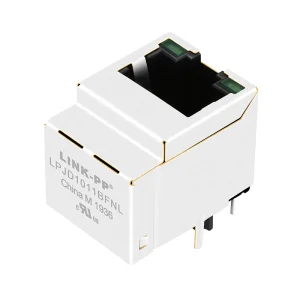
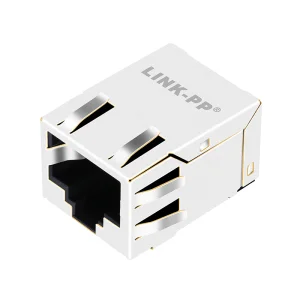
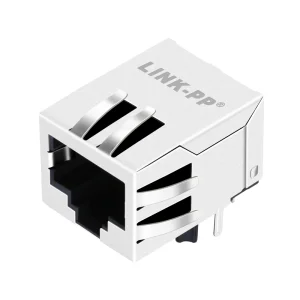
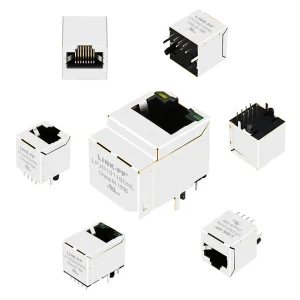
Modern telecommunication racks, industrial machinery, and blade servers operate in high-density, thermally dynamic environments. Traditional rigid RJ45 jacks put structural pressure on the circuit board, leading to solder-joint fatigue, signal degradation, and mechanical failure over long-term operations. The introduction of Flexible RJ45 Connectors resolves these limitations through materials engineering and adaptable mounting architectures.
Flexible designs employ flexible printed circuits (FPCs) or shock-absorbing spring mechanisms within the housing to buffer physical shocks, mechanical vibrations, and thermal expansions, preventing micro-fractures in solder joints.
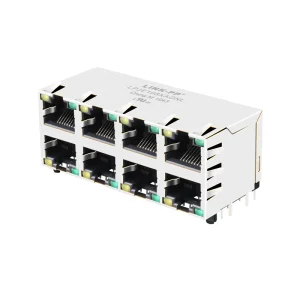
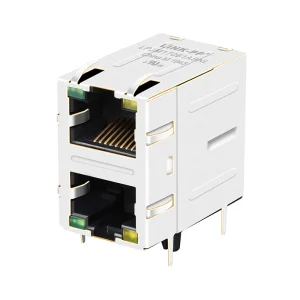
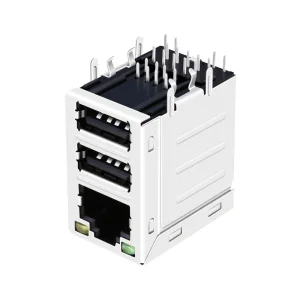
By routing signals through multi-layered flexible substrates, developers can bypass geometric routing limits on the primary PCB. This enables ultra-thin, stackable multi-port configuration arrays.
With integrated copper foil wraps, nickel-plated brass shells, and high-frequency ferrite filters, our connectors provide advanced shielding to maintain differential pair impedance at 100 ohms.
| Connector Type | Supported Frequency | Insertion Loss (Max) | Shielding Rating | Primary Industrial Use-Case |
|---|---|---|---|---|
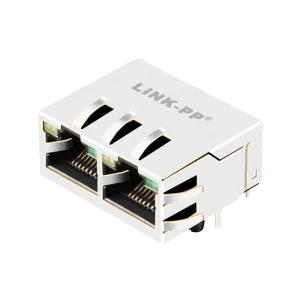
| Cat5 / Cat5e SMT RJ45 | 100 MHz - 150 MHz | -1.2 dB @ 100MHz | Unshielded / Semi-Shielded | Edge IoT Devices, Standard Lan Routers |
| 2.5G / 5G MagJack Ethernet | 250 MHz - 350 MHz | -1.5 dB @ 250MHz | Fully Shielded with Integrated LEDs | Enterprise Access Points, Edge Computing Nodes |
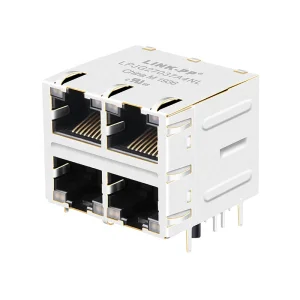
| Flexible SMT Multi-Port Array | 500 MHz | -1.8 dB @ 500MHz | High-Performance Nickel & Brass Shells | Blade Server Architectures, Dynamic Avionics |
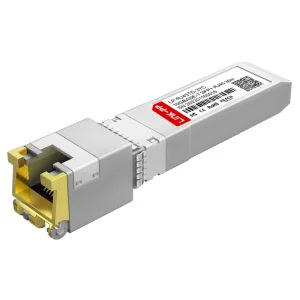
| 10G Copper SFP+ Transceiver | 625 MHz | -2.2 dB @ 600MHz | Zinc Die-Cast Shell Encapsulation | High-Performance Data Storage Area Networks (SAN) |
As enterprise architectures shift toward higher transmission rates (25G, 40G, 100G, and eventually 800G/1.6T), copper interfaces and optical modules are undergoing significant convergence. OptiLinker's technological development roadmap focuses on addressing physical spatial constraints and electrical limitations.
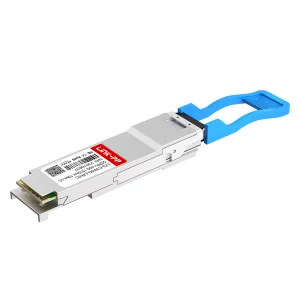
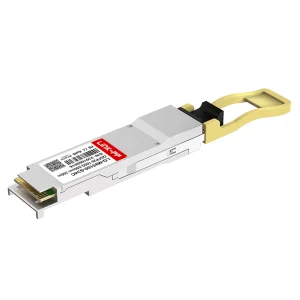
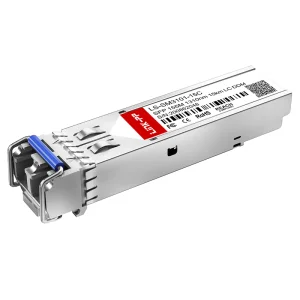
While standard copper Ethernet cables remain the standard for LAN installations, data center interiors rely on high-speed copper transceivers like our 10G Base-T RJ45 Copper SFP+ Transceiver and optical modules such as the 100GBASE-ESR4 QSFP28. Our R&D efforts focus on integrating these two ecosystems. We develop connectors that handle both copper contacts and fiber optics within single hybrid layouts, optimizing both short-range data links and long-distance transmissions.
As networks handle higher data volumes, traditional board-edge transceivers create layout challenges and signal loss. OptiLinker is developing next-generation co-packaged connectivity configurations. Placing the optical engines closer to the central processing chip reduces traces and path loss. Flexible connections facilitate this packaging shift by routing signals around complex board geometry without compromising signal integrity.
High frequencies make electrical systems more susceptible to crosstalk and electromagnetic interference. OptiLinker uses innovative materials like graphene-based composite coatings, flexible amorphous alloy shielding, and high-permeability magnetic cores. These enhancements maintain signal integrity even when multiple high-frequency lines are routed closely together.
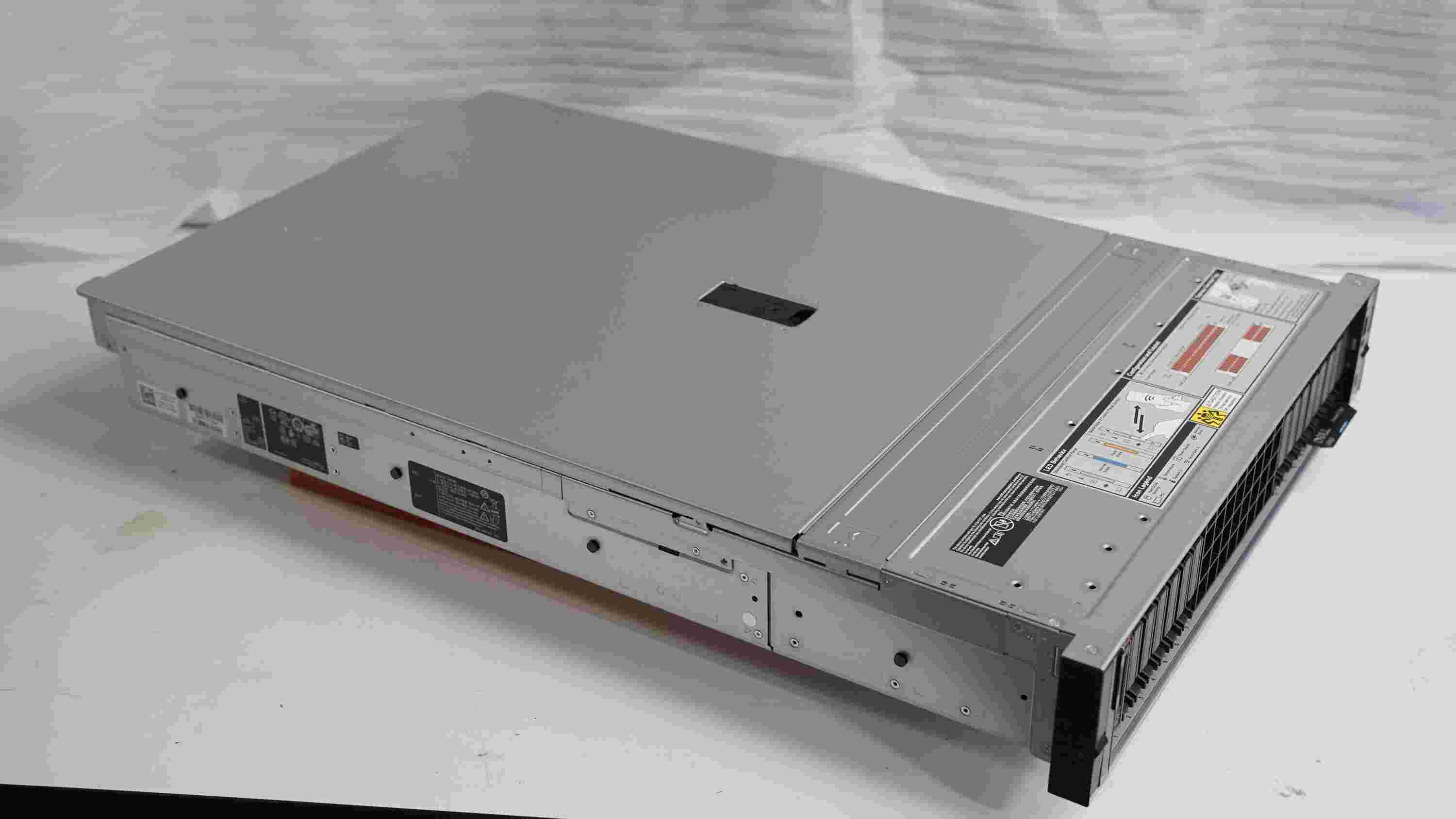
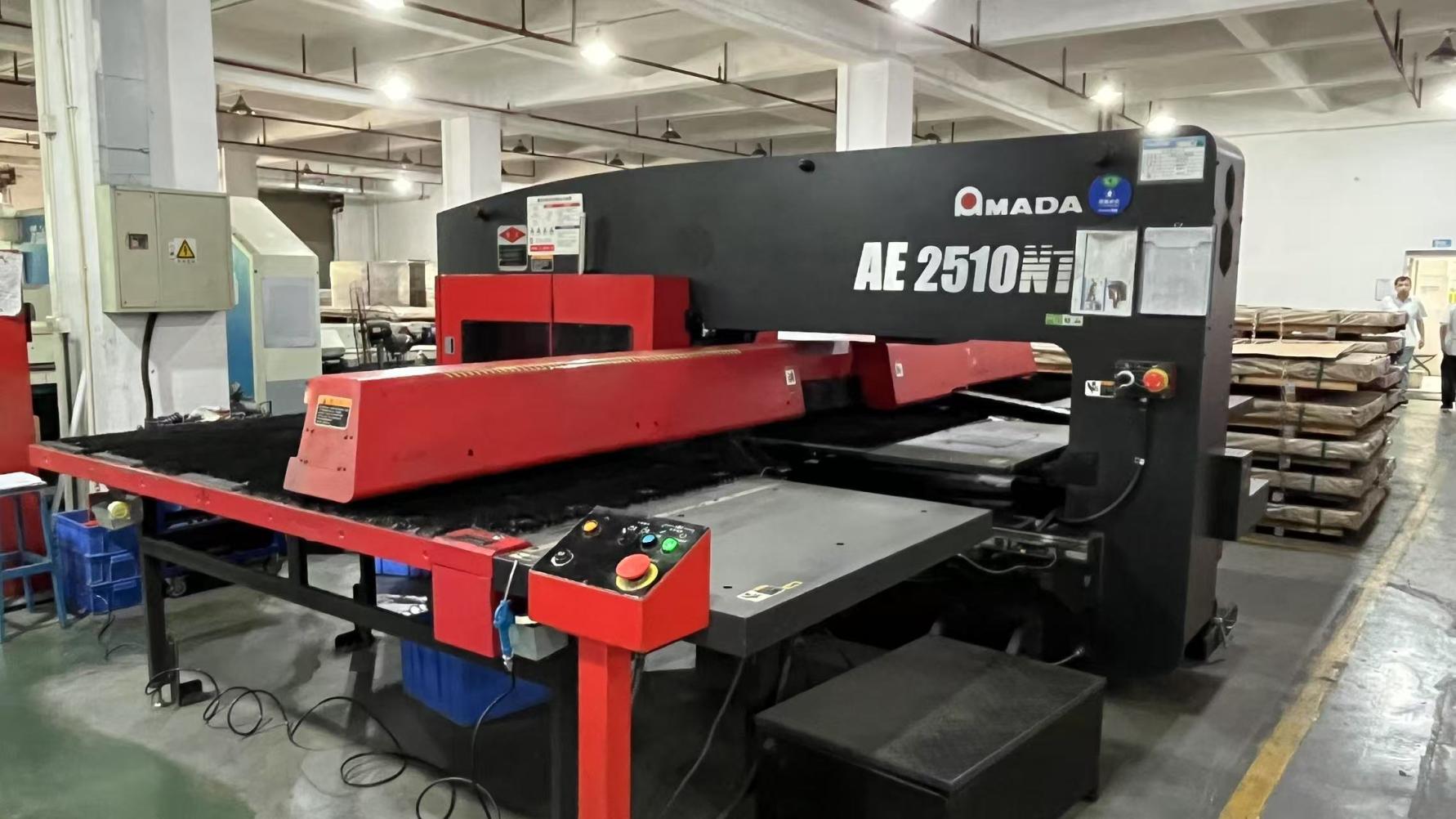
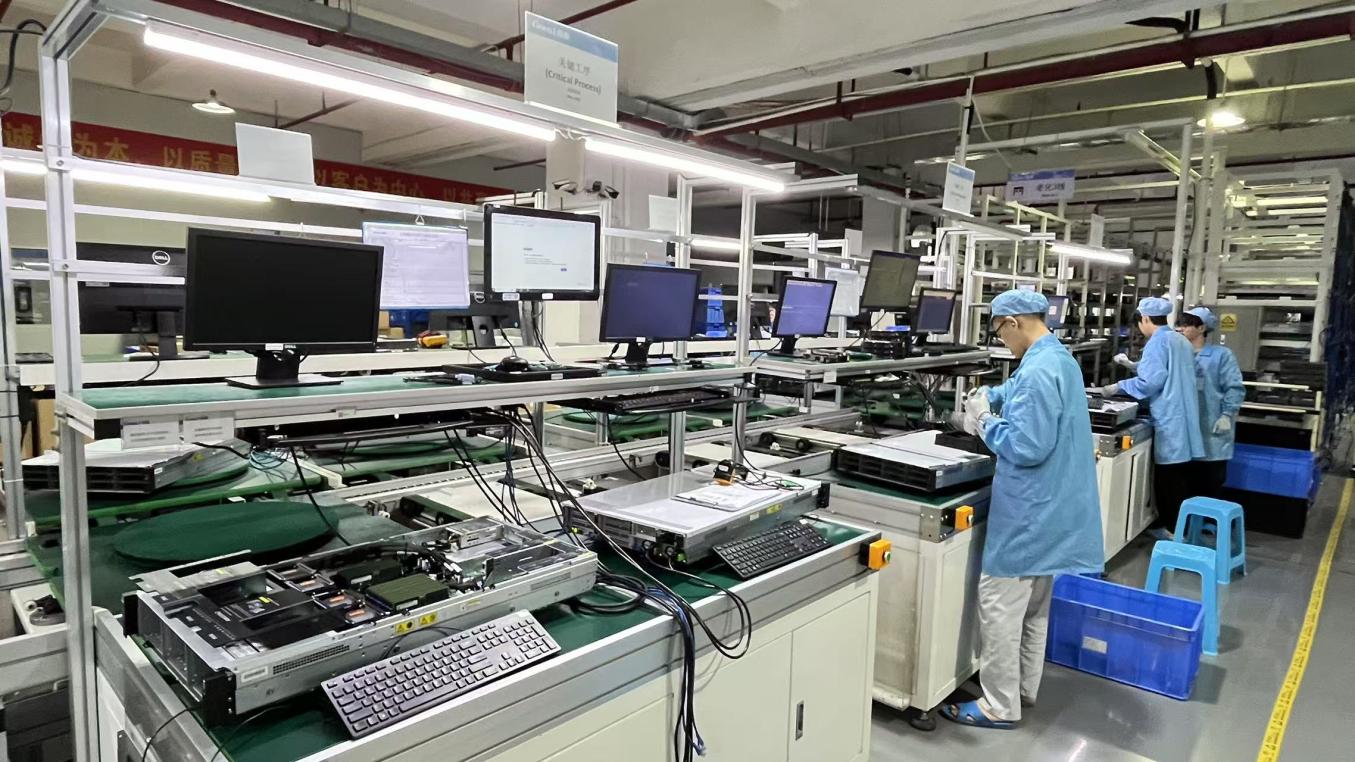
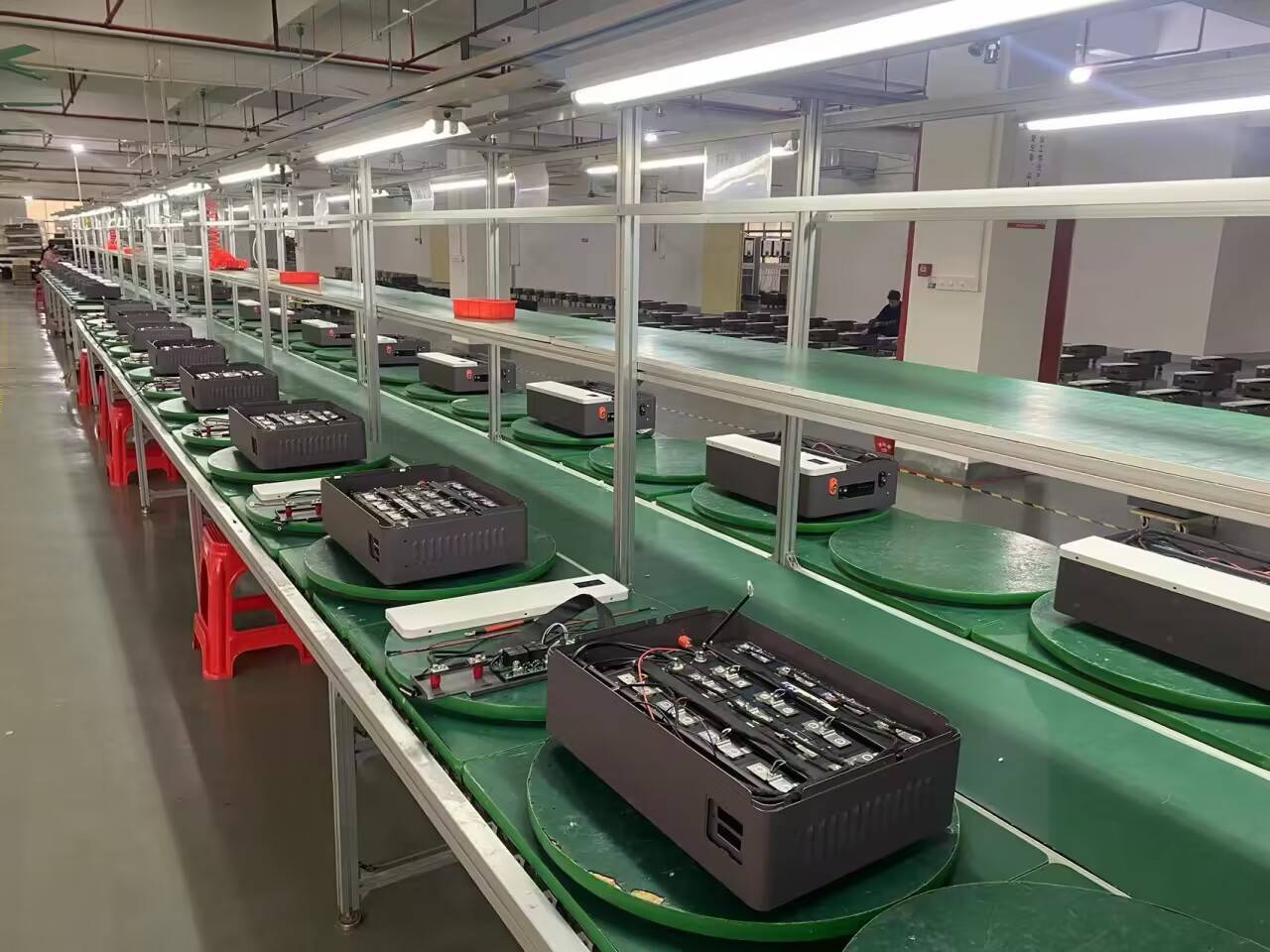
OptiLinker's manufacturing philosophy relies on strong partnerships and precision control. Our facility utilizes advanced automated systems to handle assembly and quality verification, ensuring reliable production output.
Entering international markets requires adherence to regulatory certifications and quality standards. OptiLinker maintains standard testing and compliance frameworks to meet international engineering expectations.
Every transceiver and connector undergoes rigorous testing, including Bit Error Rate (BER) assessments, eye diagram checks, and temperature cycling tests from -40°C to +85°C, ensuring reliable performance in harsh environments.
OptiLinker products are manufactured in compliance with RoHS, REACH, CE, FCC, and FDA safety standards, ensuring trouble-free importation and seamless deployment within municipal and enterprise networks globally.
Data transmission demands vary by application. Our components are designed to serve diverse networking and communications sectors.
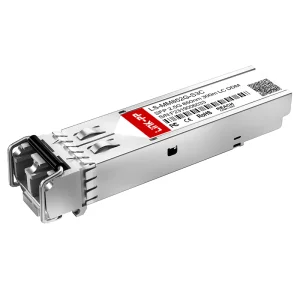
Modern data centers require dense, low-latency layouts. OptiLinker high-speed optical transceivers, including the 40GBASE-LR4 QSFP+ and 100GBASE-ESR4 modules, deliver reliable high-bandwidth connections. Used alongside flexible, low-profile SMT RJ45 connectors, they provide reliable physical infrastructure for high-density server environments.
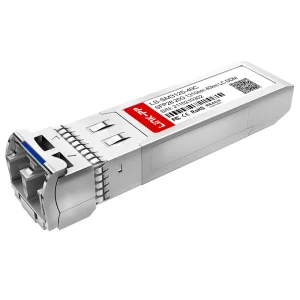
Long-range networks depend on optical signal integrity. OptiLinker offers transceiver modules designed for extended distances, such as the 25G SFP28 40km LC Single Mode Module and 100BASE-LX 15km SFP, helping carriers maintain stable links over long routes.
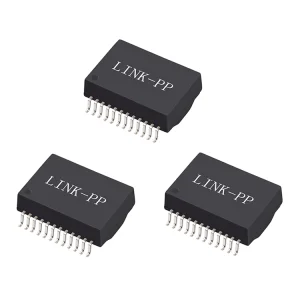
Industrial machinery generates mechanical vibrations, dust, and electrical noise. Our shielded connectors, featuring high-capacity integrated magnetics (such as the 1000BASE-TX 1000mA Telecom Magnetics Module), protect network paths from noise and power surges, supporting reliable data flows in industrial facilities.
Flexible RJ45 connectors use flexible substrates and dampening mechanical layouts to absorb external mechanical forces, vibrational stress, and thermal expansion. This design minimizes physical strain on the solder joints, helping to prevent contact cracks and micro-fractures in industrial or high-vibration applications.
Integrated magnetics combine standard RJ45 connectors with transformers and isolation components inside a single shielded housing. This integration saves PCB space, reduces electromagnetic interference (EMI), filters common-mode noise, and protects against high-voltage surges, which is critical for maintaining signal integrity in dense computing racks.
Our quality control process includes 100% incoming material inspection, Automated Optical Inspection (AOI), Bit Error Rate (BER) verification, eye diagram analysis for signal quality, and high/low temperature cycling tests. This testing process ensures that components function reliably across different operating environments.
Yes. Our R&D team can customize firmware code and compatibility configurations to match the specifications of major equipment brands, helping to ensure smooth installation and operation within existing network environments.
We work with a supply chain network of approximately 850 partners, enabling stable raw material sourcing and consistent production capacity. This ecosystem supports steady order fulfillment and reliable delivery schedules for international projects.