OptiLinker
OptiLinker
OptiLinker
Exploring the exponential growth of high-bandwidth networking and the paradigm shift in hardware architecture.
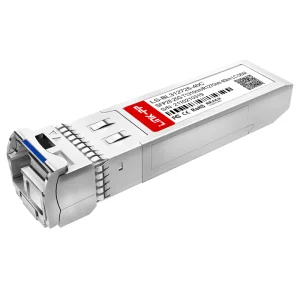
The global digital infrastructure is undergoing a massive transformation, propelled by the relentless expansion of hyper-scale cloud platforms, enterprise digitization, and the widespread commercial deployment of 5G and edge-computing frameworks. At the heart of this physical layer transformation is the Small Form-factor Pluggable (SFP) optical module. Once a simple interface for gigabit connectivity, the modern hot-pluggable optical transceiver has evolved into a highly integrated optoelectronic subsystem. These devices enable the seamless bridging of high-speed electrical signals from switches and routers to optical fiber backplanes.
As machine learning architectures and large language models (LLMs) mandate extreme data exchanges inside private and public environments, the demand for optical interfaces has escalated. SFP, SFP+, and SFP28 form factors remain the workhorses of access and distribution network layers. According to recent market analysis, the global optical transceiver market is expected to expand at a compound annual growth rate (CAGR) exceeding 12% over the next decade. Industry reports show high demand for CE-certified transceiver modules that balance heat dissipation, electromagnetic interference (EMI) containment, and multi-vendor compatibility.
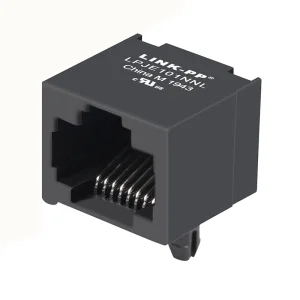
In response to this global pressure, infrastructure procurement managers are looking beyond basic module vendors. They need complete manufacturing partners who can supply reliable components, like SFP cages, RJ45 magnetics, and advanced optical modules, that meet strict European Union (CE) regulations.
Ensuring ultra-low latency signal transmissions across metropolitan networks via customized wavelength routing (DWDM/CWDM) and long-distance BiDi configurations.
Deploying high-density SFP28 and SFP+ architectures utilizing optimized single-mode and multi-mode systems to connect leaf-spine topologies.
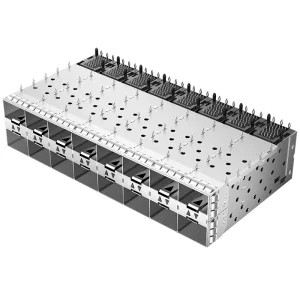
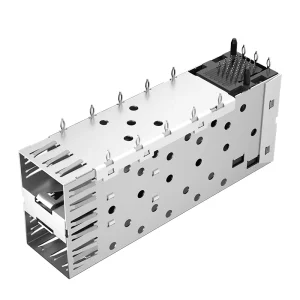
Utilizing press-fit SFP cages with advanced shielding design to eliminate signal leakage and cross-talk inside complex networking environments.
How continuous engineering innovation, automated testing pipelines, and global compliance define our production output.
Founded in 2016, OptiLinker Optoelectronics Co., Ltd. (OptiLinker) has established itself as an engineering pioneer in high-speed optical transceivers. We specialize in high-speed optical communication modules tailored for global data centers and telecom networks. Backed by 12 years of core industry experience and 8 years of export history, OptiLinker understands the technical and regulatory needs of foreign system integrators and operators.
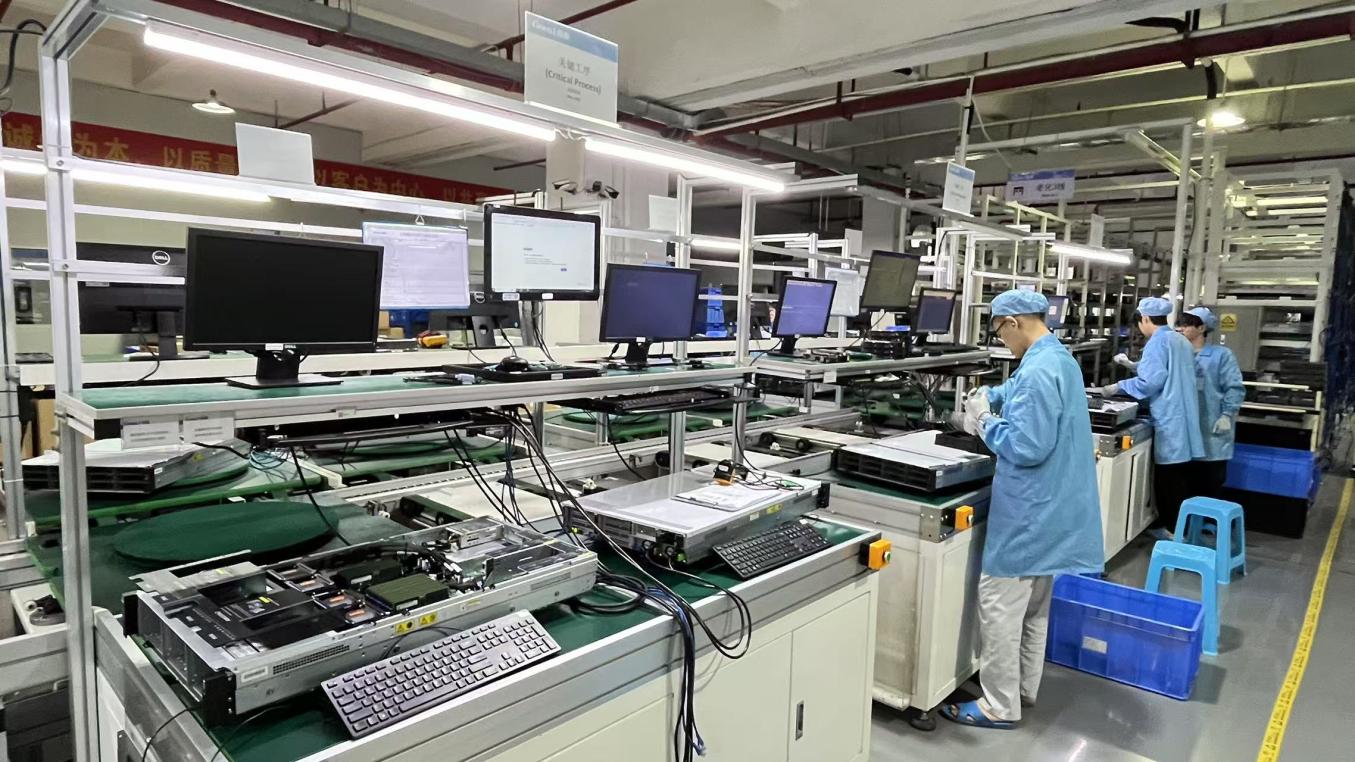
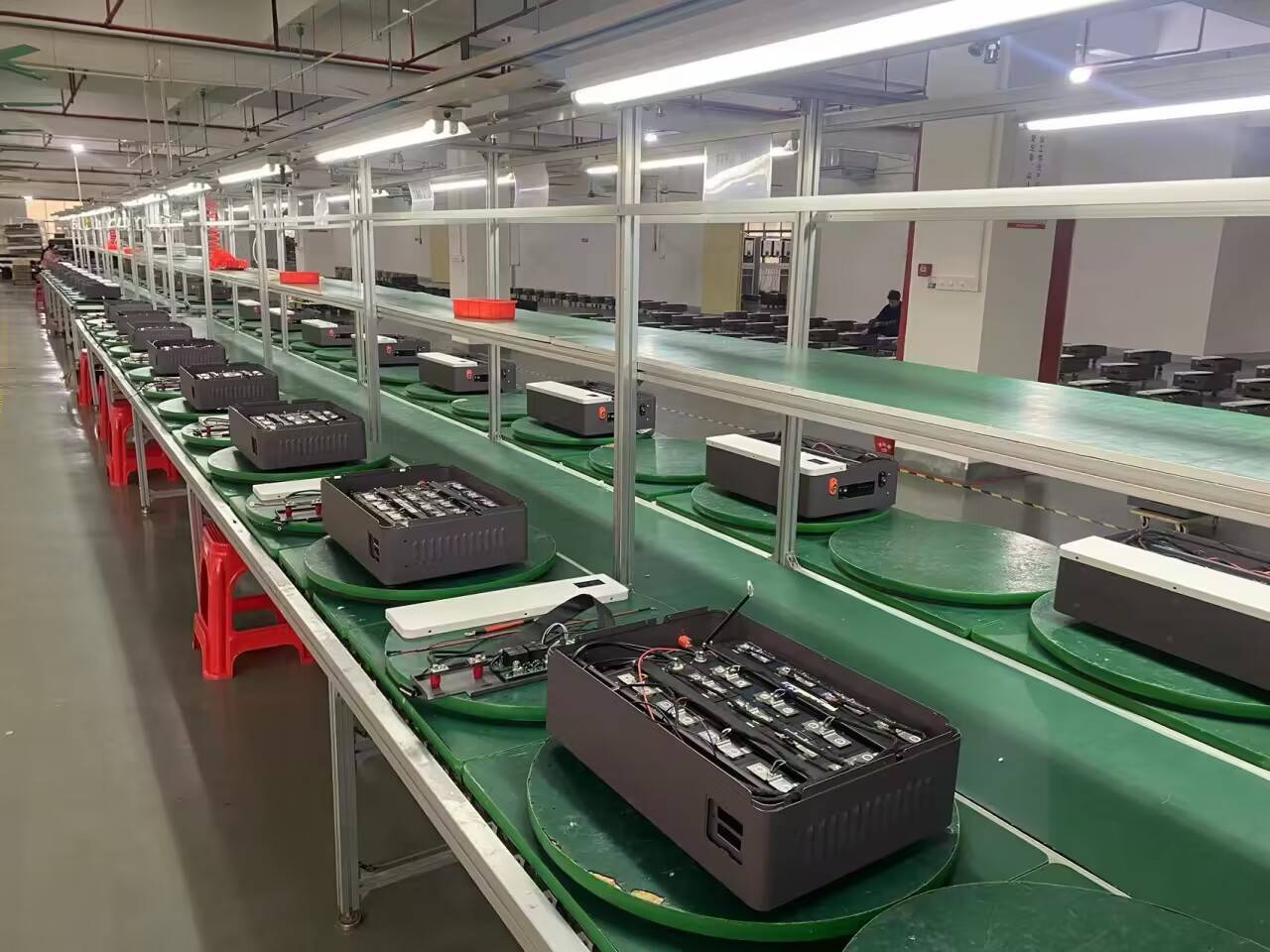
While our core manufacturing space spans a cleanroom facility of approximately 320㎡, we maximize efficiency through lean manufacturing and automated processes. Rather than relying on simple assembly, we utilize automatic optical alignment, robotic sub-micron component mounting, and advanced testing setups. This focused manufacturing model allows OptiLinker to generate an annual export revenue of approximately USD 12 million, delivering high-reliability modules across North America, Europe, Southeast Asia, and the Middle East.
OptiLinker's operational success relies on our reliable global supply chain network of approximately 850 partners. This ecosystem ensures a steady supply of high-grade lasers, photodetectors, transimpedance amplifiers (TIA), and high-frequency connectors, shielding our buyers from market component shortages.
At OptiLinker, technological leadership is sustained by our dedicated team of 60 experienced optical engineers. This division handles high-speed circuit design, signal integrity analysis, and custom micro-firmware coding. Our customers receive complete compatibility programming tailored to match host equipment from Cisco, Juniper, Arista, and HP. In the past year alone, OptiLinker engineered and deployed approximately 120 new products, highlighting our speed and technical versatility.
Every single SFP module is subjected to strict verification before shipping.
Reliability is essential in high-speed optical communications. A single link failure can disrupt critical operations, causing data loss and costly downtime. OptiLinker employs a team of 35 dedicated QC professionals who run a multi-tier quality control protocol. Under this setup, all incoming materials undergo 100% inspection before entering the assembly floor. We leverage Automated Optical Inspection (AOI) to detect and correct assembly anomalies in real time.
Every laser diode, photodiode, and circuit board undergoes rigorous diagnostic screening prior to manufacturing.
Automated optical systems align internal sub-assemblies to achieve minimal insertion loss and optimal connection paths.
Rigorous test setups analyze the eye height, jitter, and rise/fall times, confirming conformity to MSA standards.
Transceivers are tested in high/low temperature chambers to ensure they perform consistently in harsh industrial environments (-40°C to +85°C).
Our performance testing incorporates Bit Error Rate (BER) testing and eye diagram analysis. These checks verify that our transceivers maintain clear signals, even over long fibers or near high-EMI sources. As a trusted exporter, we ensure all SFP transceivers, SFP+ cages, and RJ45 magnetic connectors comply with European CE regulations, meeting laser safety (Class 1 laser limits) and electromagnetic compatibility requirements.
From fiber-to-the-home networks to high-density server rack connections.
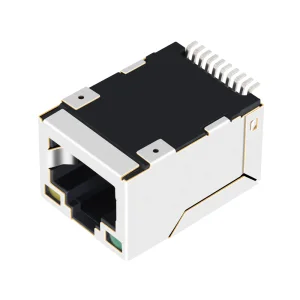
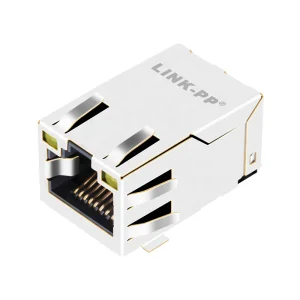
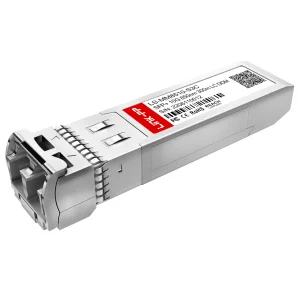
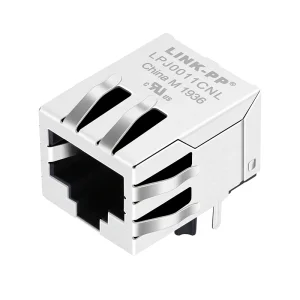
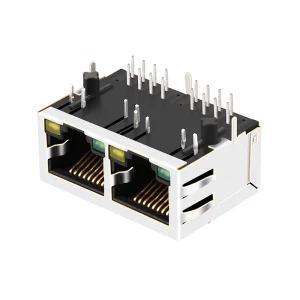
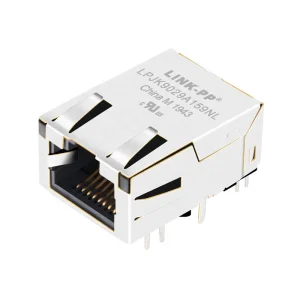
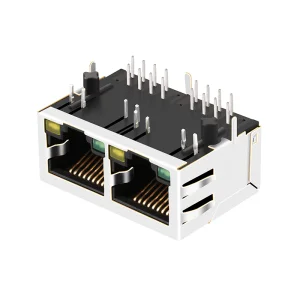
Inside cloud data centers, spatial constraints require low-profile connectors. Our 5G/2.5G Base-T Low-Profile RJ45 Connectors and 850nm Multimode 25G SFP28 modules fit these spaces. They allow system builders to optimize airflow and achieve high port density on switch panels.
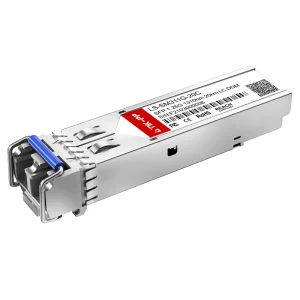
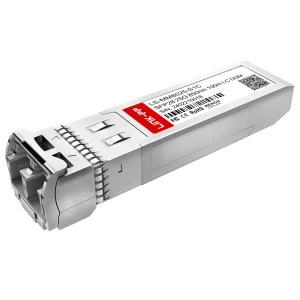
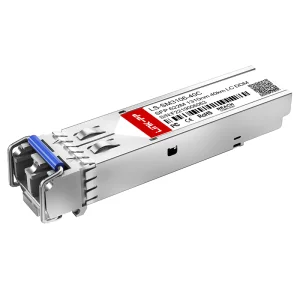
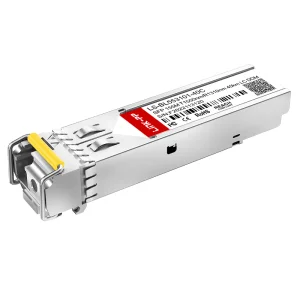
For metropolitan networks, laying extra fiber is expensive. Our 25G BiDi Simplex LC DDM and 155M BiDi 40km transceivers use wavelength division multiplexing (WDM) to transmit and receive data on a single fiber core. This doubles the capacity of existing fiber infrastructure.
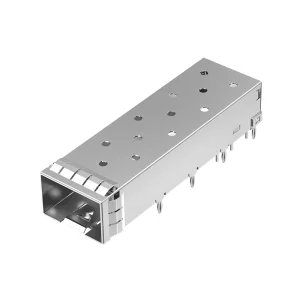
Industrial factories and power stations generate severe electromagnetic interference. Our TE and Molex Compatible Press-Fit SFP cages are engineered with advanced shielding fingers and gasket materials, absorbing high-frequency interference to safeguard data transmission.
Navigating the transition toward higher data rates and resilient supply chains.
While gigabit networks serve basic tasks, edge installations now run on 25G SFP28 and 50G form factors. System integrators need access to reliable, cost-effective transceivers that maintain cross-compatibility with legacy 10G networks. Meanwhile, data center backbones are migrating to 400G and 800G. As a result, procurement strategies must secure steady suppliers who can provide both legacy and next-generation designs.
Large data centers draw gigawatts of power, making transceiver thermal design a key metric. Modern SFP transceivers focus on low power consumption, utilizing efficient laser drivers to reduce operating heat. Cooler modules run more reliably and require less cooling energy inside server rooms.
Major network equipment brands often lock their systems to proprietary transceivers. Our custom-programmed transceivers help buyers bypass vendor locks. OptiLinker provides custom EEPROM coding, enabling our SFP modules to integrate into proprietary switches without throwing error codes.

Technical answers to your optical transceiver and connector queries.