OptiLinker
OptiLinker
OptiLinker
High-speed connector configurations, electromagnetic interference-shielded jacks, and high-performance modules optimized for system integration.
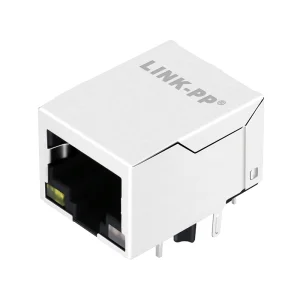
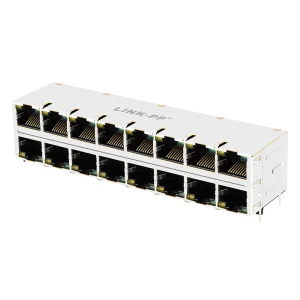
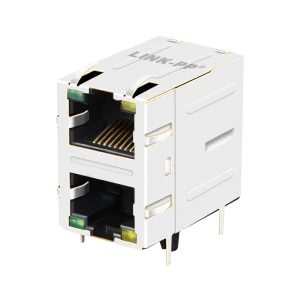
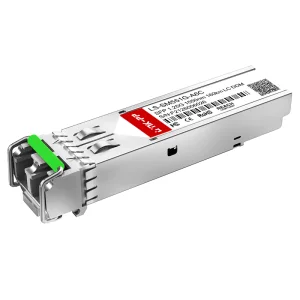
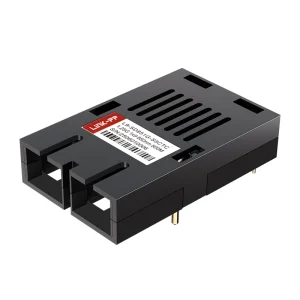
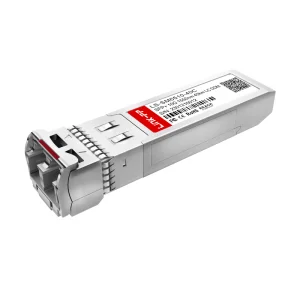
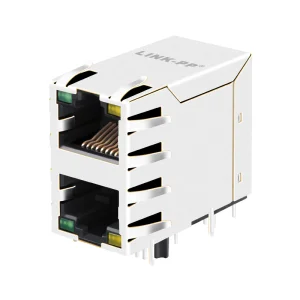
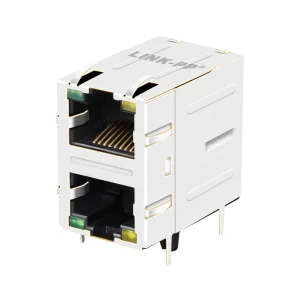
In the modern digital landscape, the global copper connectivity industry continues to form the bedrock of telecommunications networks, corporate data centers, and advanced manufacturing platforms. While optical fibers dominate the high-speed backbone architecture, RJ45 Ethernet jacks remain the indispensable interface for terminal devices, local loop distribution, and Power over Ethernet (PoE) delivery schemes.
The demand for high-reliability RJ45 components has experienced explosive growth, particularly in regions requiring rigorous regulatory compliance, such as the European Union. Products bearing the CE Certification mark signify alignment with the EU's strict electromagnetic compatibility (EMC) directive, low voltage directive, and RoHS standards. Suppliers who meet these standards are crucial for enterprise buyers, system integrators, and OEM device designers who need to protect their equipment from network downtime and regulatory liability.
As a global supplier, we understand that manufacturing modern RJ45 connector assemblies is no longer about simple metal stamping and plastic molding. It requires a precise balance of signal integrity simulation, electromagnetic interference (EMI) shield optimization, and advanced contact finish technologies (such as 50-microinch gold plating over nickel). These processes ensure long-term mechanical wear resistance and stable electrical parameters under variable environmental conditions.
Several technology-driven shifts are altering the performance criteria of modern RJ45 jacks. Manufacturers must continuously innovate to match the requirements of next-generation network hardware:
How engineering-focused industries deploy our RJ45 and transceiver interfaces in specialized, real-world networking topologies.
Deploying shielded RJ45 modules on DIN-rail controllers, programmable logic controllers (PLCs), and robotic assemblies. The metal-grounding chassis shields high-frequency communication signals from neighboring high-voltage electrical drives and motors.
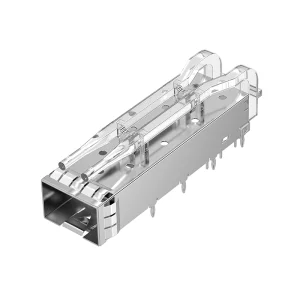
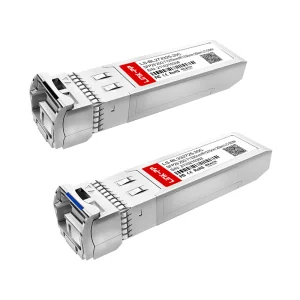
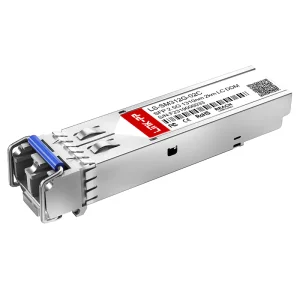
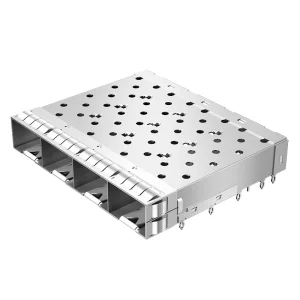
Utilizing ganged multi-port assemblies (such as 2x8 port shielded connectors and multi-port SFP+ cages) within Top-of-Rack switch architectures, providing high thermal dissipation capabilities and optimized footprint density.
Delivering isolation transformers with high dielectric strength rating (up to 1500VAC isolation voltage) to safeguard diagnostic scanners and clinical monitoring equipment from electrical feedback and current surges.
As network topologies push closer to the edge, the roadmap for RJ45 connectors relies on convergence, high frequencies, and miniaturization. The primary engineering challenge remains minimizing insertion losses and return losses over increasingly higher frequency spectra.
In data transmission environments up to 500MHz (Cat6a) and 2000MHz (Cat8), maintaining balanced differential signaling requires sophisticated internal design architectures. We are optimizing internal lead layouts using advanced 3D electromagnetic solvers (such as HFSS) to simulate and eliminate spatial crosstalk before hard tooling begins.
Parallel to high frequency is the push toward Single Pair Ethernet (SPE / 10BASE-T1L) for industrial control loops. SPE allows communication over a single twisted pair of copper wires up to 1km, representing a significant shift in connectivity footprints. However, the standard RJ45 interface remains dominant due to its legacy footprint compatibility and broad deployment across existing enterprise systems. The future will see hybrid gateways combining optical fiber transceivers, multi-gigabit copper RJ45 ports, and SFP+ architectures on single network switches.
To build resilient supply chains, international buyers must establish strategic partnerships with agile, vertically integrated manufacturers. Standard distributors struggle to support customized pinouts, internal electrical component modifications, or custom firmware coding configurations.
An optimal procurement approach integrates electrical component supply chains directly with product engineering phases. This covers raw materials, custom stamping, precision injection molding, winding of magnetic components, and automated quality control tests. By implementing automated visual inspections, optical performance assessments, and high-frequency testing early in production, global OEMs can eliminate component failure rates and ensure long-term network reliability.
OptiLinker Optoelectronics Co., Ltd. is a professional optical transceiver manufacturer and solution provider under the brand OptiLinker (www.optilinkertrans.com), specializing in high-speed optical communication modules for global data center and telecom applications.
Founded in 2016, OptiLinker operates a modern production facility with a total building area of approximately 320㎡. With continuous development in optical communication technology, the company has accumulated over 12 years of industry experience and approximately 8 years of export experience.
In the past year, OptiLinker achieved an annual export revenue of around USD 12 million, serving customers across North America, Europe, Southeast Asia, and the Middle East. The company maintains a strong global B2B trade background, focusing on OEM/ODM partnerships with network infrastructure providers.
Quality assurance is a core focus at OptiLinker. The company implements 100% incoming material inspection, AOI automated optical inspection, and full optical performance testing. Product verification includes BER testing, eye diagram analysis, and high/low temperature cycling tests, ensuring stable performance under demanding network environments. The quality control team consists of 35 dedicated QC professionals.
OptiLinker collaborates with a global supply chain network of approximately 850 partners, enabling efficient sourcing and stable production capacity. Its main customer base includes telecom operators, data centers, system integrators, and networking equipment manufacturers.
The company has strong R&D capabilities, supported by a team of 60 experienced optical engineers. Its engineering team specializes in high-speed optical design, signal integrity optimization, and protocol compatibility development. OptiLinker offers flexible customization options including wavelength tuning, transmission distance, packaging form factors, firmware coding, and device compatibility programming.
In the last year alone, OptiLinker launched approximately 120 new optical transceiver products, reflecting its continuous innovation and rapid response to market demand. Driven by innovation and reliability, OptiLinker is committed to delivering high-performance optical connectivity solutions for the global digital infrastructure market.
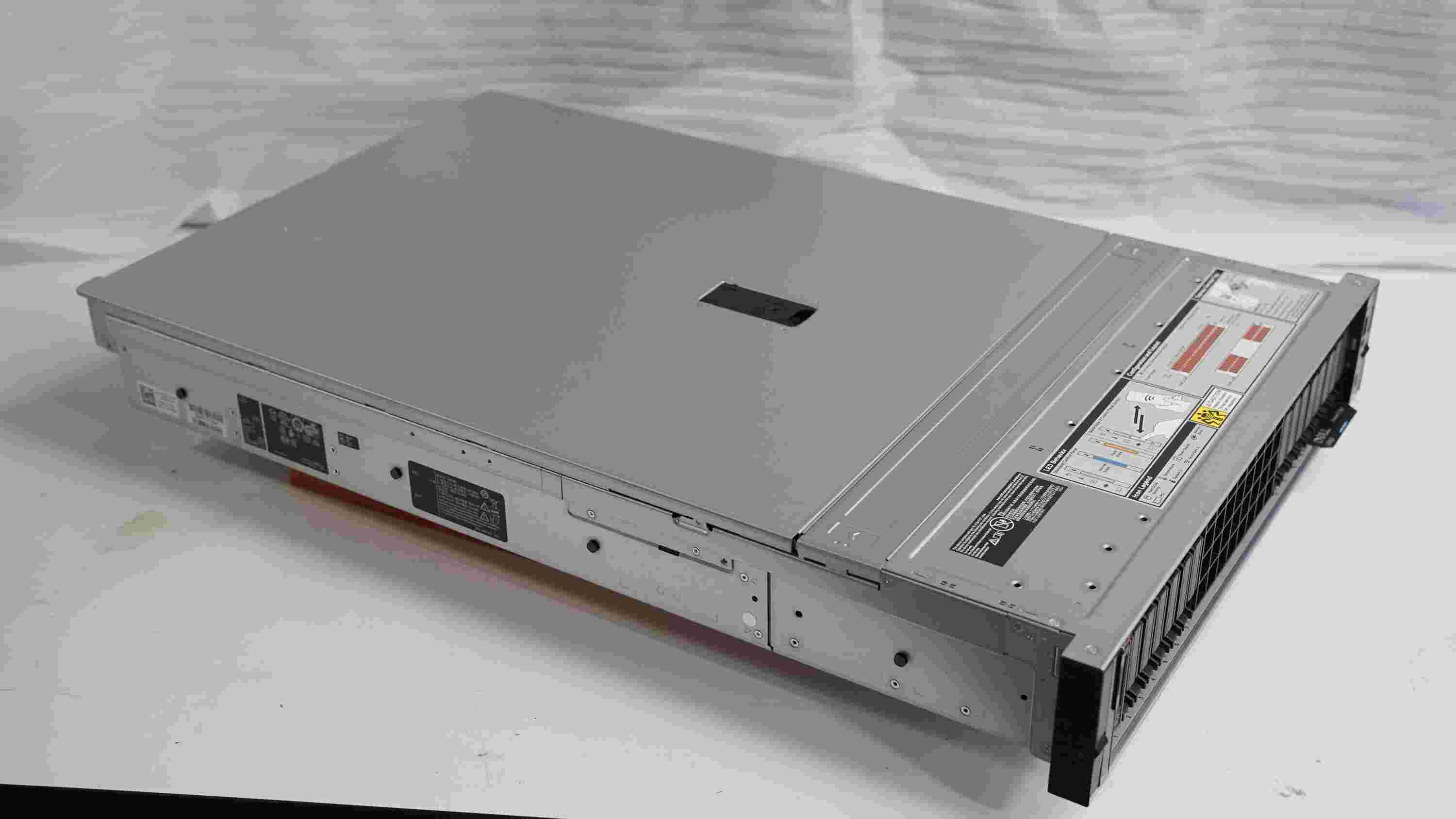
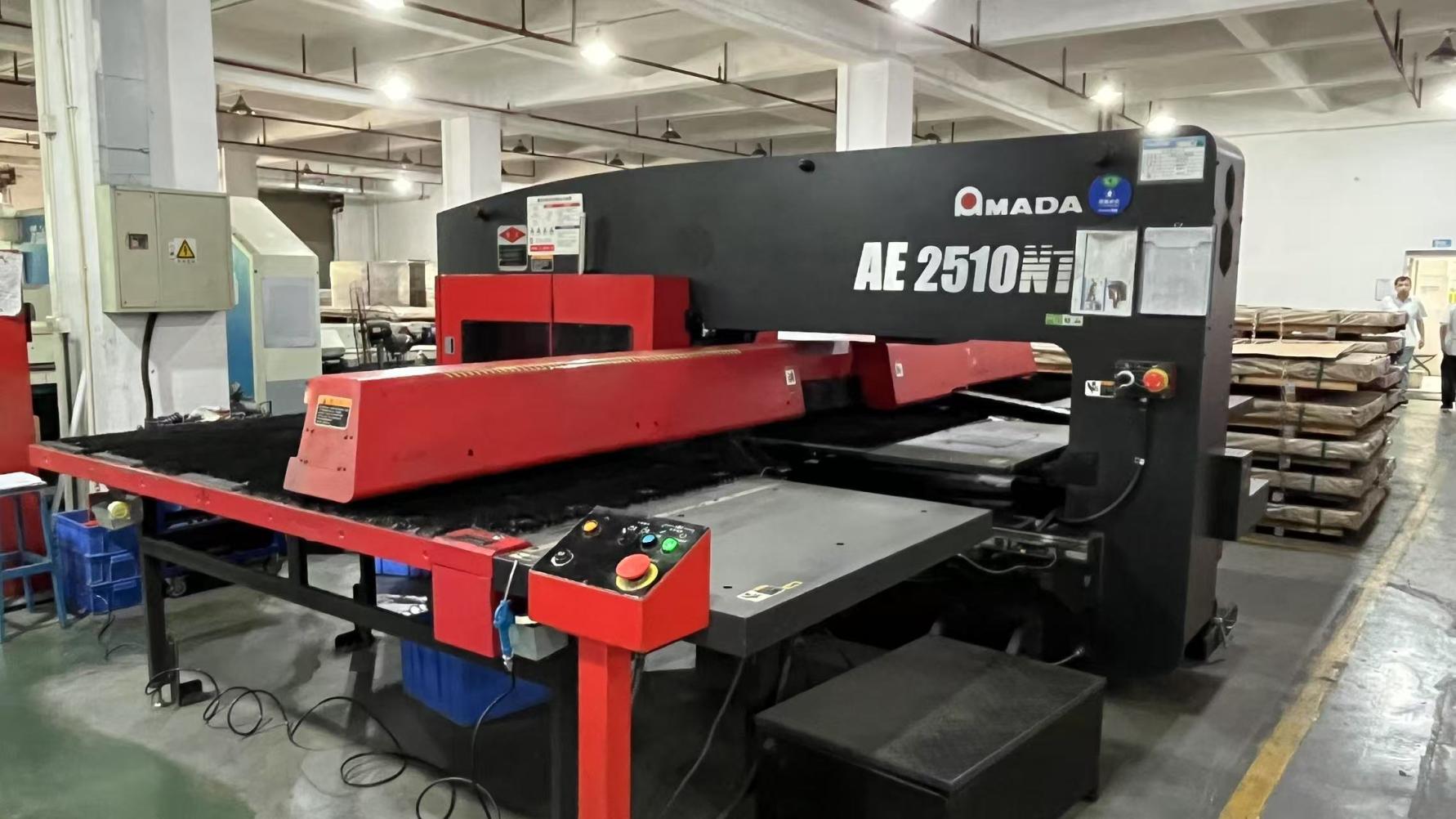
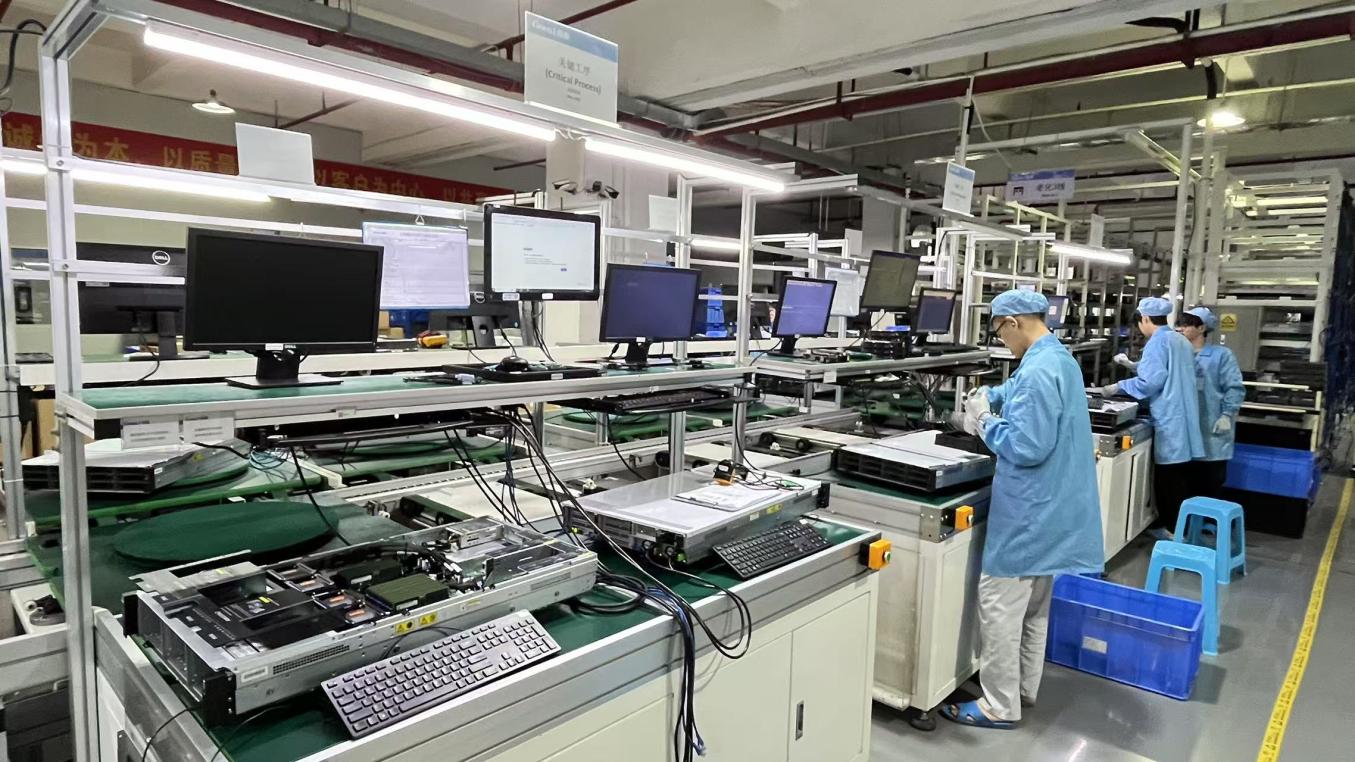
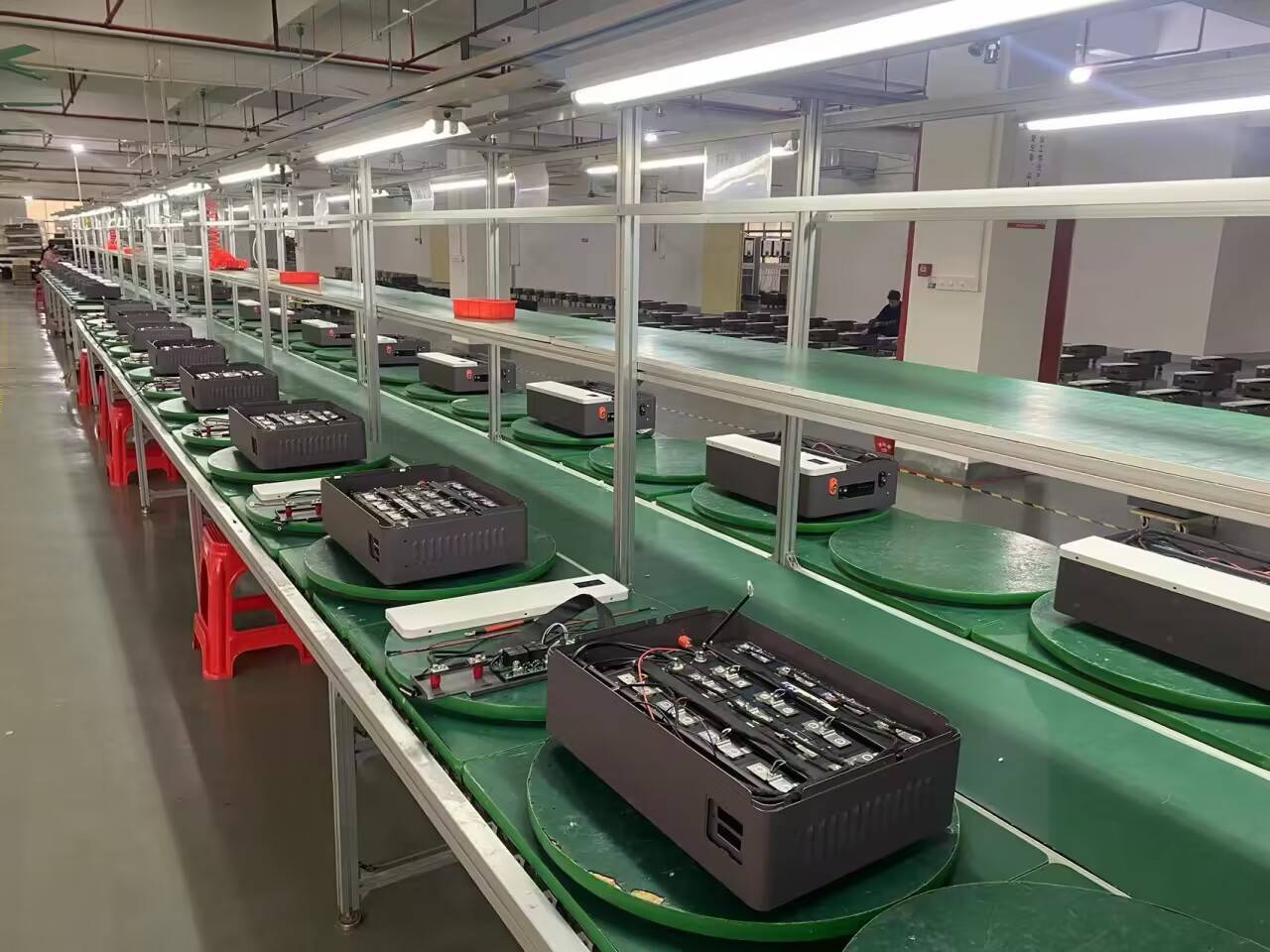
Technical and standards-oriented answers to common engineering questions regarding CE-certified connectors and transceivers.
CE certification certifies that the connector assembly complies with critical European directives. For RJ45 connectors, this involves verifying electromagnetic compatibility (EMC) according to EN 55032 and EN 55035 standards. This ensures the connector does not emit excessive EMI and is shielded against external electrostatic discharge (ESD). Additionally, it ensures compliance with RoHS directives regarding hazardous substance limits.
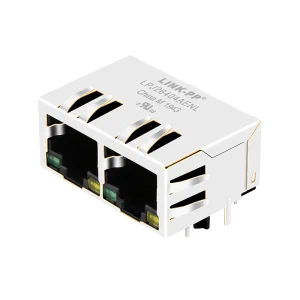
Integrated metal shielding (made of brass or phosphor bronze with nickel plating) forms a Faraday cage around the signal paths. This mitigates electromagnetic interference and crosstalk from adjacent circuits. In multi-port arrays (like 2x8 port jacks), this shielding is critical to isolate internal differential pairs and prevent packet loss or frame check sequence (FCS) errors on high-frequency Cat6a lines.
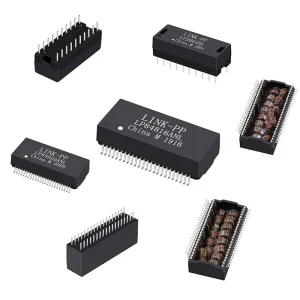
Integrated Connector Modules (ICMs), or MagJacks, combine isolation transformers, common-mode filtering chokes, and termination resistors directly within the RJ45 jack housing. This reduces the PCB area needed for network interfaces on host boards. It also improves EMI performance by keeping the analog isolation circuitry close to the connector port, preventing noise from radiating into internal system tracks.
Standard RJ45 connectors can support PoE++ only if they are engineered to handle current loads up to 1A per pair (90W-100W total power). This requires larger wire gauges, optimized thermal dissipation, and special alloy contact surfaces to prevent spark erosion. This erosion occurs during hot-plugging under load, which can damage the contact points and degrade high-speed data transmission.
OptiLinker uses a multi-tier verification process for custom designs. This includes 100% incoming material inspection, automated optical inspection (AOI), high-temperature testing, and signal integrity testing using eye-diagram analysis and bit-error-rate (BER) testing. Our team of 60 optical engineers provides customization services including custom wavelengths, transmission distances, packaging, and custom host compatibility coding.
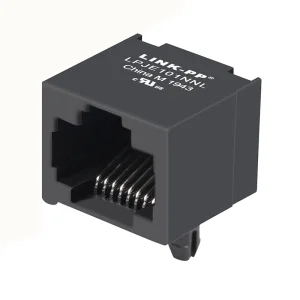
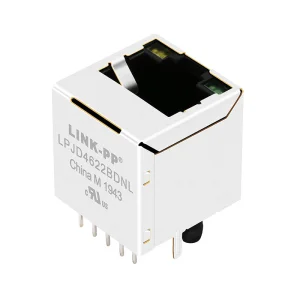
Explore our high-performance optoelectronic modules, ganged SFP+ cages, and vertical RJ45 jacks for high-density networking systems.