OptiLinker
OptiLinker
OptiLinker
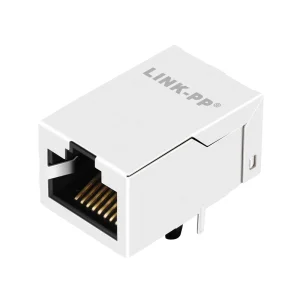
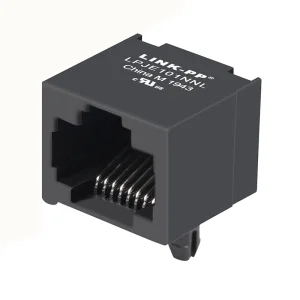
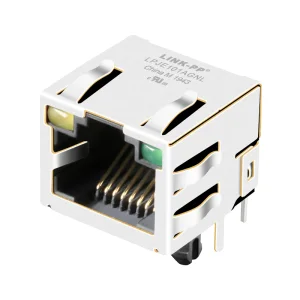
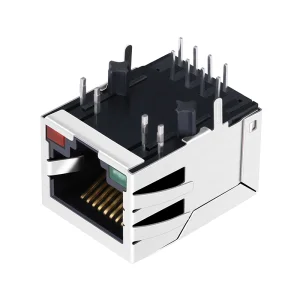
Engineered for external magnetics circuit designs, providing maximum board routing flexibility and enhanced EMI isolation control for Swedish networking equipment manufacturers.
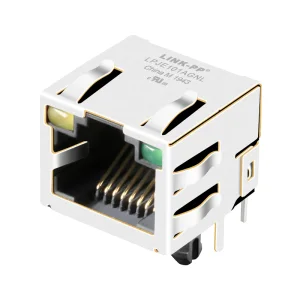
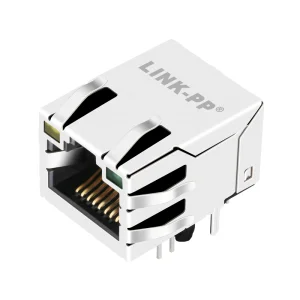
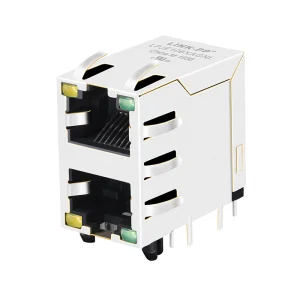
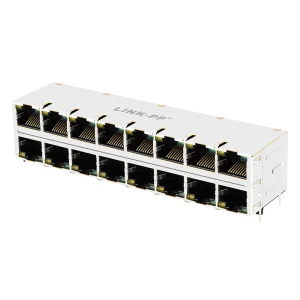
Sweden stands as a premier global hub for advanced technology, industrial automation, and green infrastructure. Recognized worldwide for pioneering achievements in industry 4.0 digitization, sustainable infrastructure, and world-class telecommunications networks, Sweden’s domestic manufacturing and technological ecosystem demands connectivity hardware that meets the highest levels of performance and mechanical resilience.
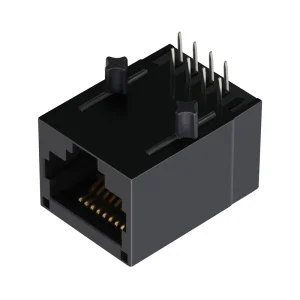
Industrial powerhouses in Sweden, ranging from vehicle manufacturers in Gothenburg to smart grid automation pioneers in Västerås and data centers located within the Arctic circle (the "Node Pole" initiative), rely heavily on robust data pathways. As these sectors scale, physical connectors such as RJ45 without magnetics have emerged as critical components. In modern industrial installations, where electromagnetic interference (EMI) is exceptionally high due to large frequency drives and machinery, engineers increasingly favor non-magnetic (or "discrete") physical interface designs. This configuration allows engineers to isolate sensitive PHY silicon chips by placing external, custom-designed transformer modules far away from the connector jack, protecting systems from sudden voltage transients.
Furthermore, Sweden's telecommunication sector, driven by major network equipment providers, requires dense PCB architectures. By utilizing high-quality RJ45 modular jacks without internal magnetics, designers gain valuable PCB space directly behind the connector. This spatial freedom permits customized differential routing, optimized ground-plane topologies, and the placement of specialized high-temperature decoupling caps, ensuring stable 1Gbps, 2.5Gbps, and even 10Gbps data streams across Swedish metropolitan optical networks.
Historically, the networking industry relied heavily on standard integrated connector modules (ICMs)—colloquially known as "MagJacks"—which merge the RJ45 mechanical housing and internal magnetic filtering circuits into a single component. While ICMs simplify design cycles, they present critical limitations in extreme or highly specific operating environments:
Integrated magnetics limit airflow and concentrate heat dissipation inside the plastic connector shell. In fanless industrial PCs used in Swedish sub-zero climates or dense smart-grid outdoor enclosures, external magnetics permit designers to place heat-producing magnetics near cooling fins, extending the lifespan of the overall assembly.
By using an RJ45 jack without magnetics, engineers can design custom multi-stage EMI filters, common-mode chokes, and TVS diode matrices directly onto the PCB. This flexibility is vital in compliance-heavy markets like Sweden, where equipment must strictly comply with rigorous EN 55032/35 EMC standards.
Silicon PHY manufacturers change termination requirements frequently (e.g., current-mode vs. voltage-mode line drivers). Using discrete magnetics paired with a standardized, non-magnetic RJ45 connector ensures that the structural connector design remains unchanged even when updating the underlying transceiver chipset.
The global electronic components landscape is navigating a transition toward highly decentralized, modular hardware architectures. Industrial Ethernet dominates modern factories, green energy systems, and automotive assembly lines. The demand for robust, non-magnetic RJ45 connectors has surged because of their long-term cost efficiencies at high volumes and superior adaptability to custom power-over-Ethernet (PoE) configurations.
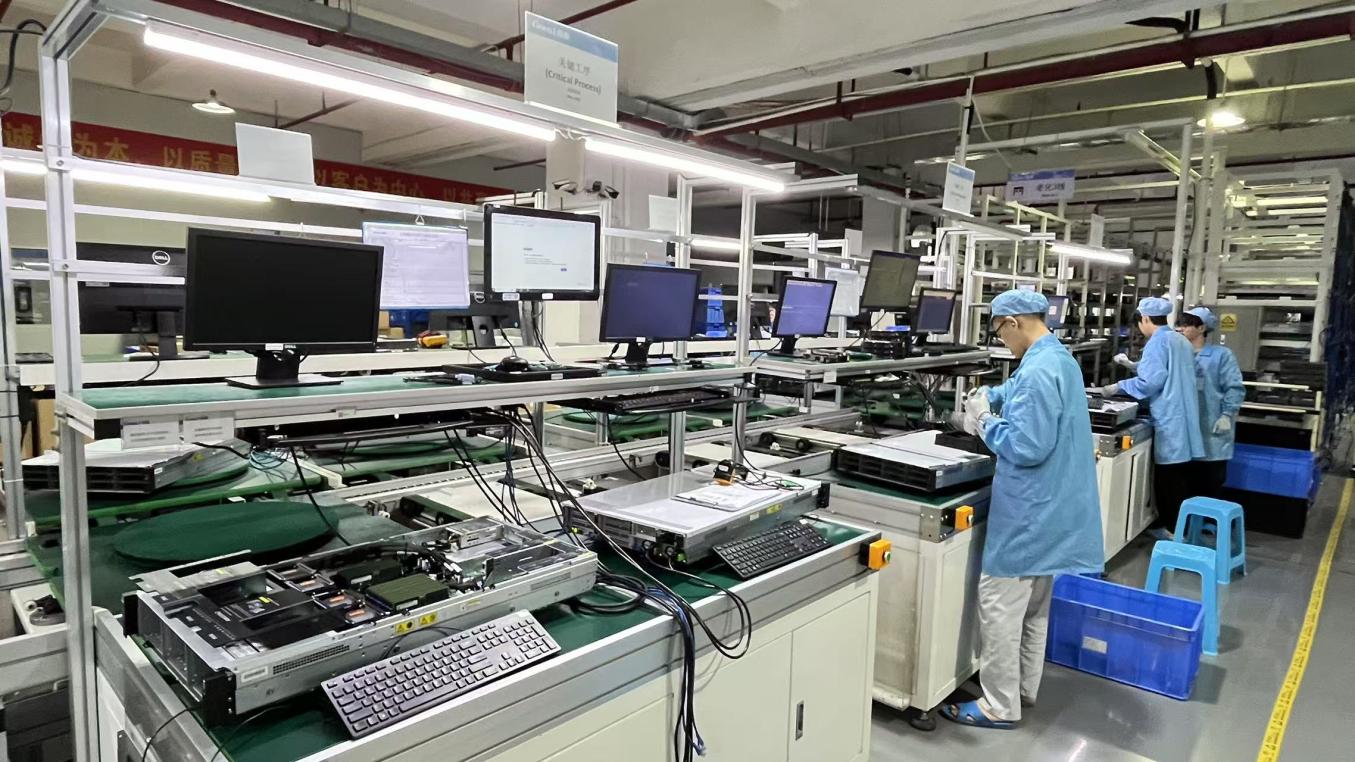
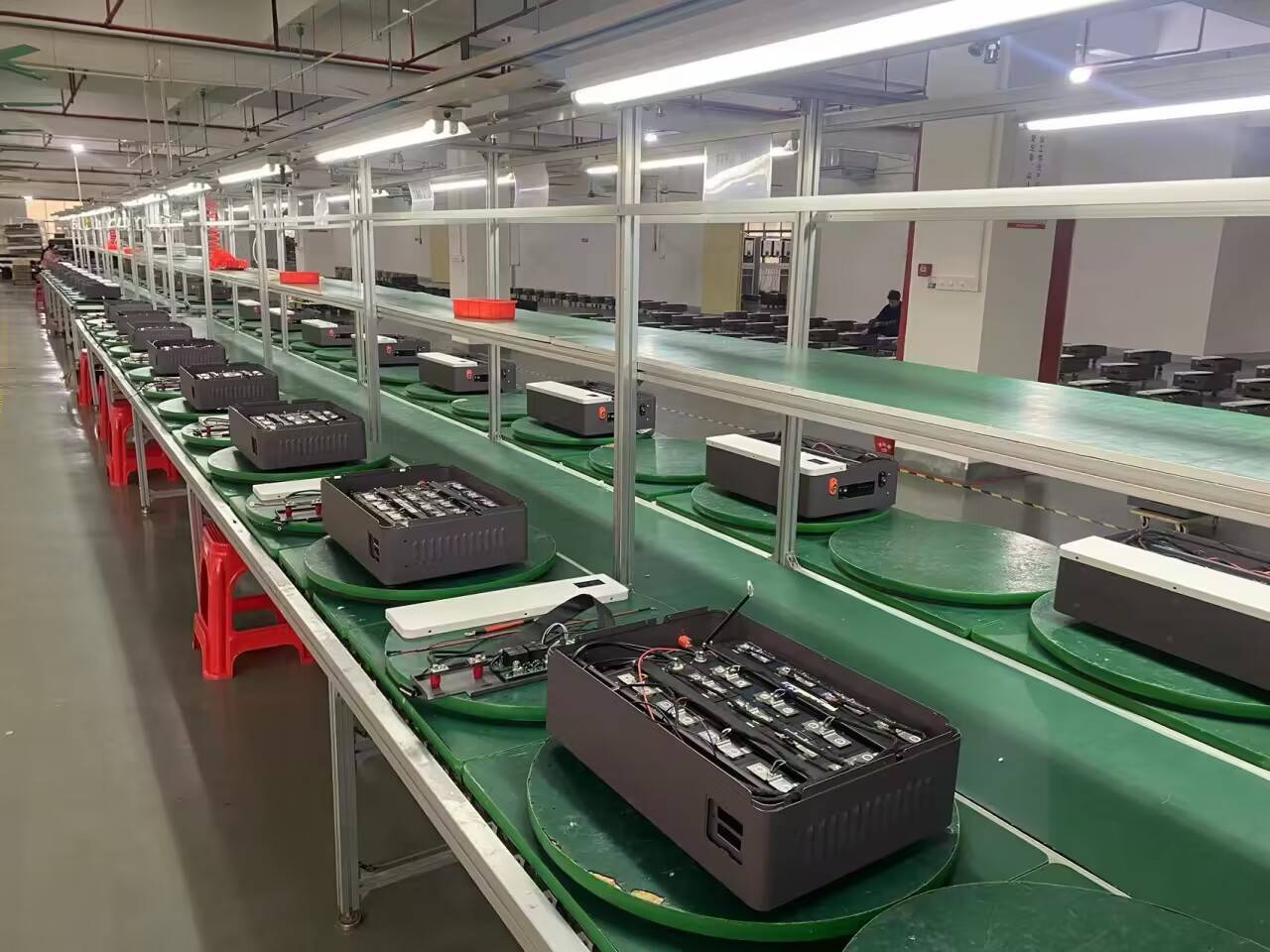
Suppliers must maintain reliable supply chains to mitigate global logistics vulnerabilities. High-speed automation and precise quality control, such as AOI (Automated Optical Inspection), are standard operations for top-tier manufacturers. Today's global network OEMs expect trace-level quality control, standardized mechanical footprints, and high-performance engineering plastics capable of withstanding lead-free wave soldering temperatures exceeding 260°C.
Serving the Swedish industrial market requires strict compliance with domestic and EU regulations, as well as an understanding of local environmental expectations. OptiLinker Optoelectronics Co., Ltd. (OptiLinker) aligns its manufacturing processes to meet Swedish environmental and safety standards:
To understand where our RJ45 without magnetics range excels in Sweden, consider these high-impact deployment scenarios:
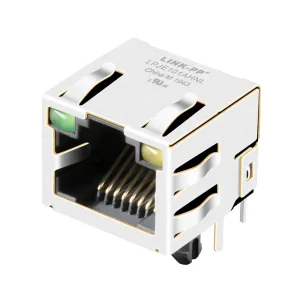
Gothenburg is the heart of Sweden's automotive innovation. As electric vehicle (EV) charging networks expand nationwide, the hardware must endure extreme vibration and thermal variations. Our RJ45 without magnetics jacks, designed with heavy-duty gold-plated contacts (up to 50u") and robust shield tabs, provide reliable links inside EV chargers. Externalizing the magnetics helps isolate the primary ethernet line from the high-voltage inverter switching noise, protecting local vehicle telematics.
Sweden’s energy grid relies heavily on northern hydroelectric generation and vast offshore wind installations. Standard integrated connectors can fail under continuous electrical fields and high vibrations. By decoupling the magnetics and using shielded, non-magnetic RJ45 jacks with copper alloy shells, system integrators ensure long-term physical layer durability and superior common-mode rejection in substation control units.
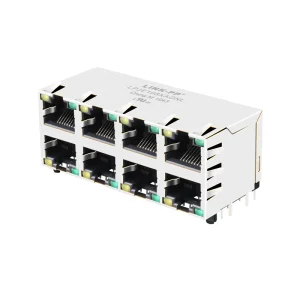
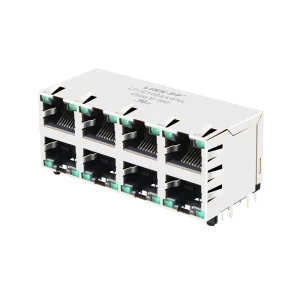
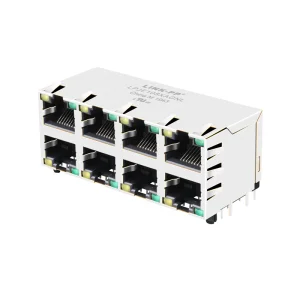
With major global tech enterprises choosing northern Sweden for data center hubs due to cold ambient air, server density is exceptionally high. Stacked multi-port connectors (such as our 2x4 and 2x8 shielded models) without magnetics allow server motherboard designs to stay ultra-thin. This configuration supports optimal cold airflow and places the magnetic filters close to high-speed PHY components, reducing signal attenuation.
As communication standards evolve from Gigabit Ethernet to 2.5G/5G-BaseT and 10G-BaseT, physical connectors must meet tighter electrical tolerances. The roadmap for non-magnetic RJ45 jacks centers on:
OptiLinker Optoelectronics Co., Ltd. is a professional optical communication and networking component manufacturer and solution provider. Under our brand OptiLinker (www.optilinkertrans.com), we specialize in high-speed connectivity solutions for global data center and telecom applications.
Founded in 2016, OptiLinker operates a modern production facility designed to meet stringent international standards. Backed by over 12 years of industry experience and 8 years of export experience, we deliver robust solutions that keep pace with rapid digital infrastructure upgrades.
Our R&D team of 60 experienced optical and hardware engineers focuses on high-speed signal integrity, physical layer optimization, and protocol compatibility. We offer extensive customization services (OEM/ODM), allowing Swedish and European clients to specify customized pin configurations, LEDs, shield structures, and mounting profiles.
We perform 100% optical performance testing, AOI inspection, and environmental stress tests to ensure stable connections under demanding network loads.
With an annual export revenue of USD 12 million, we manage shipments to North America, Europe (with Sweden as a key focus market), and the Middle East.
OptiLinker launched approximately 120 new products last year alone, keeping our product portfolio aligned with evolving network standards.
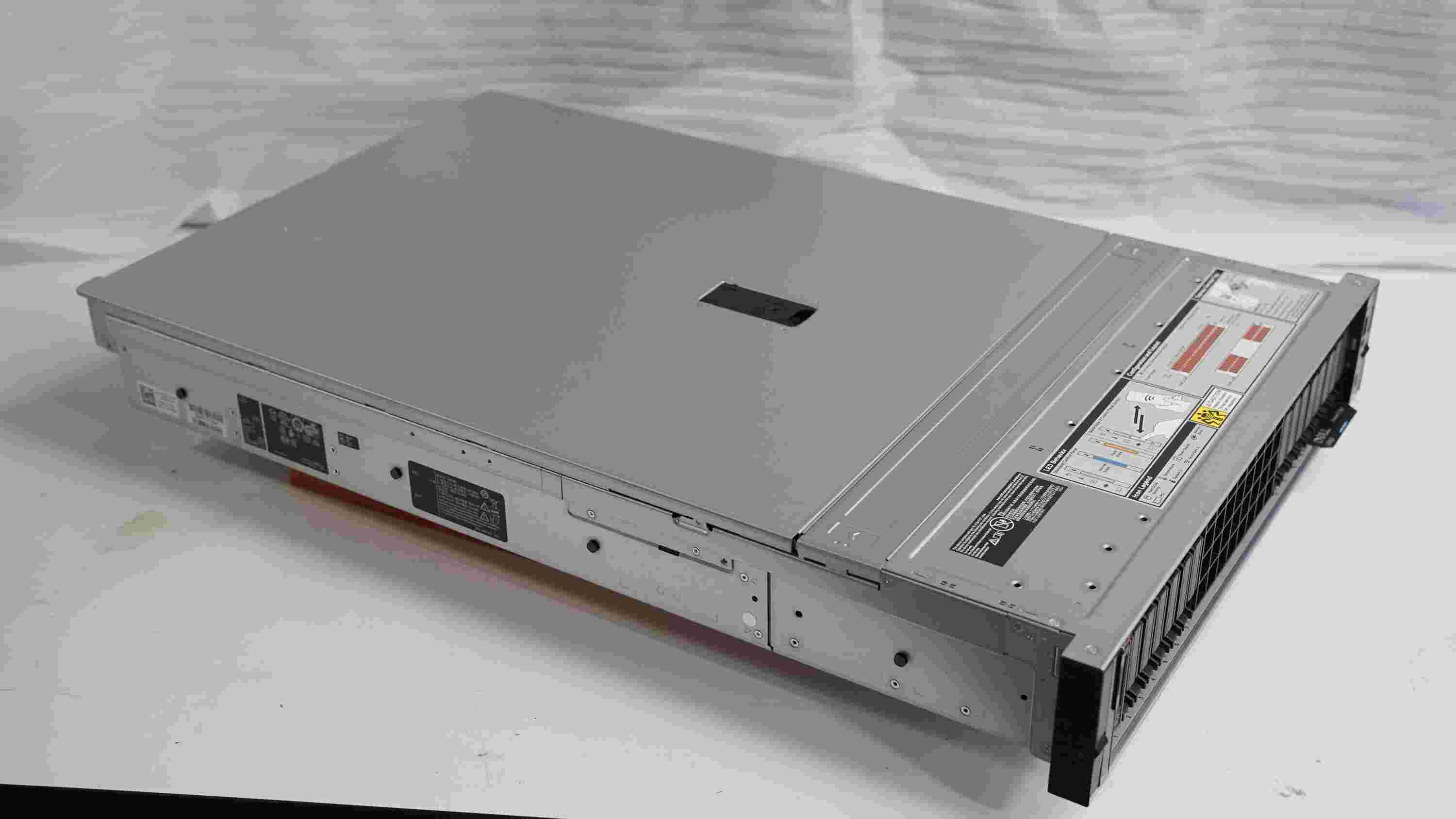
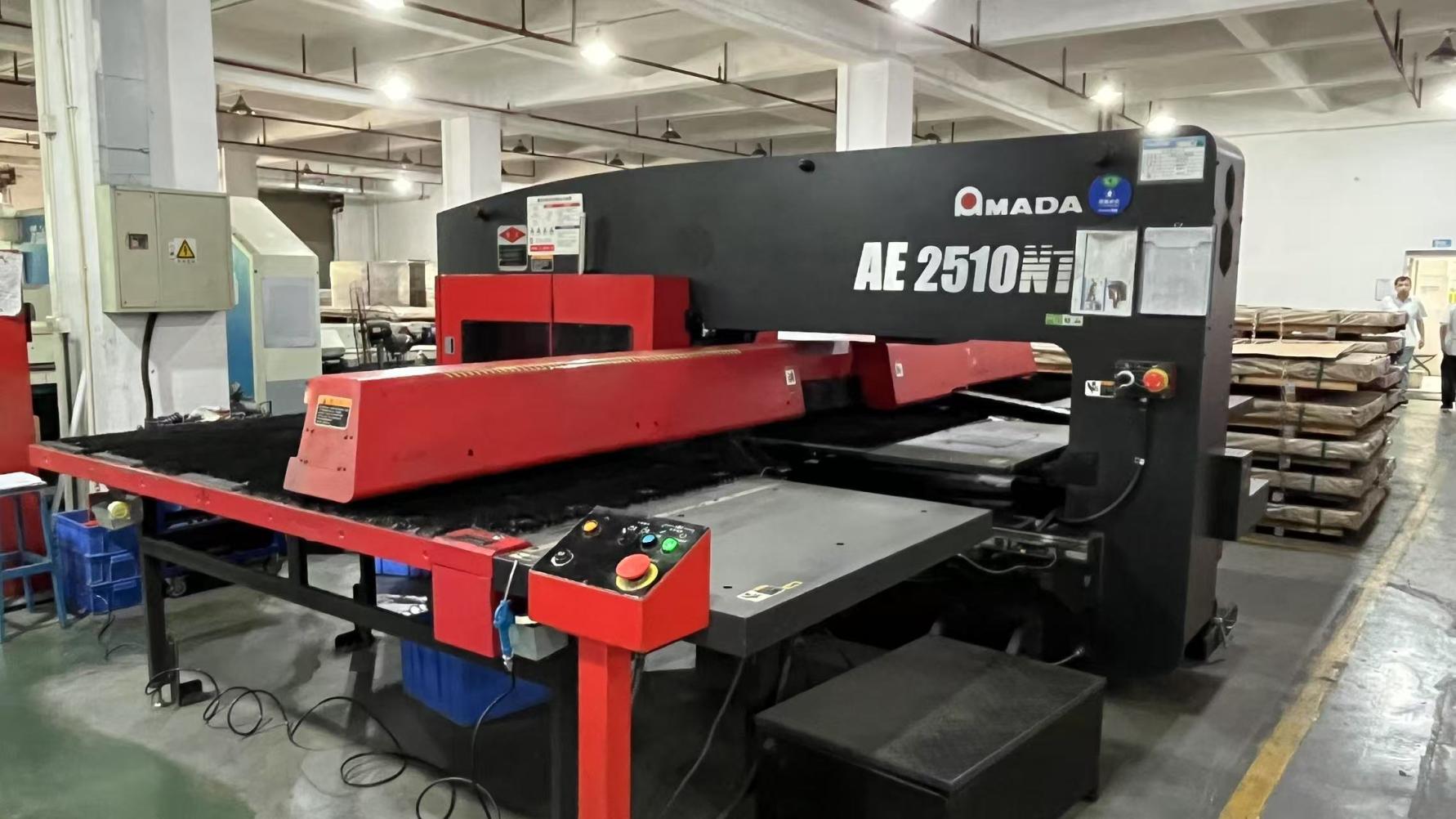
Explore our complete catalog of shielded and unshielded RJ45 jacks, designed for compatibility with Sweden's telecommunication and automation infrastructures.