OptiLinker
OptiLinker
OptiLinker
Optimized for high-density switches, local ISP architectures, and carrier enterprise upgrades.
As the economic anchor of East Africa, Kenya is leading an unprecedented leap in digital transformation. Known globally as the "Silicon Savannah," the nation's technological landscape is transitioning rapidly from localized digital hubs to unified, hyper-connected architectures. With major data center operators, such as Africa Data Centres and Icolo.io, establishing carrier-neutral hyperscale facilities in Nairobi and Mombasa, the local appetite for reliable networking hardware has grown exponentially.
Under Kenya's Vision 2030 and the Digital Economy Blueprint, robust enterprise and carrier infrastructures are key priorities. Achieving this digital maturity requires high-speed interconnectivity. In telecommunication base stations, corporate headquarters in Nairobi's Upper Hill, and financial data rooms in Westlands, engineering teams face a crucial problem: how to efficiently integrate existing Cat6A/Cat7 copper cabling networks with the high-performance optical switches running modern routing cores.
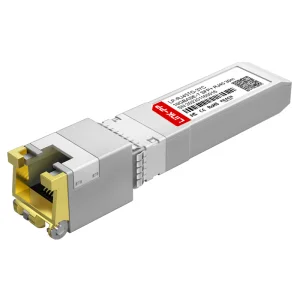
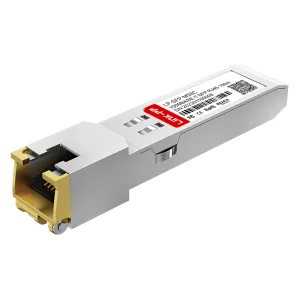
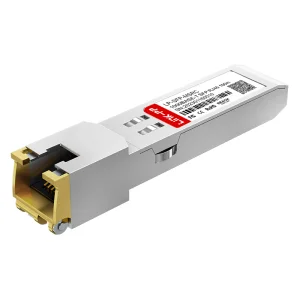
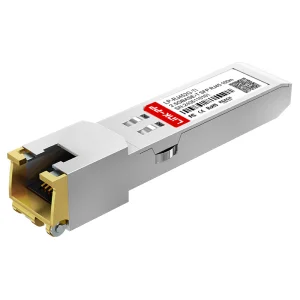
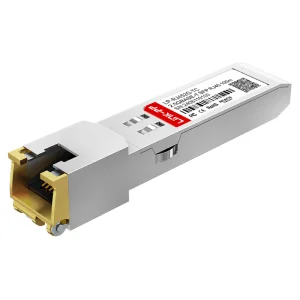
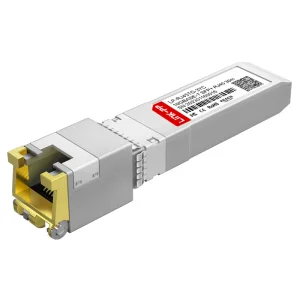
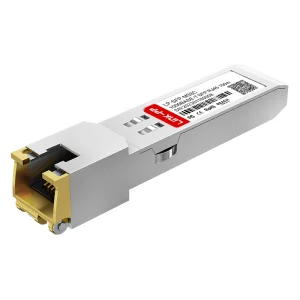
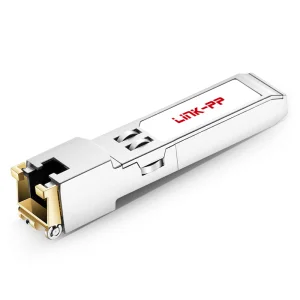
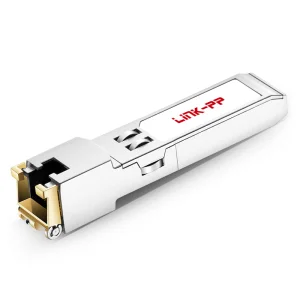
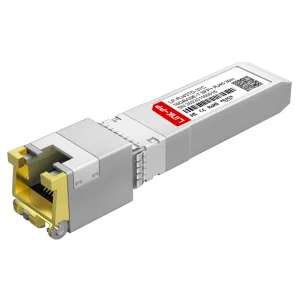
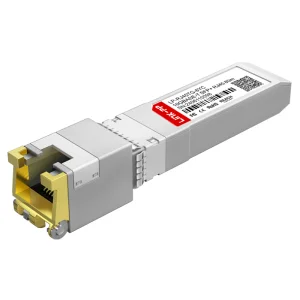
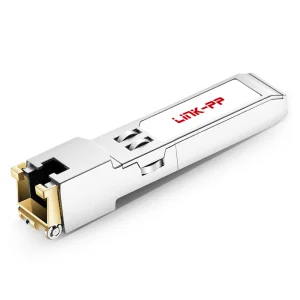
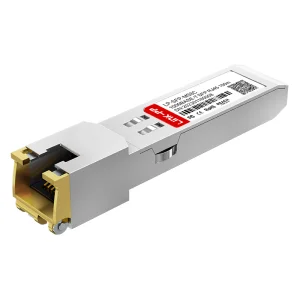
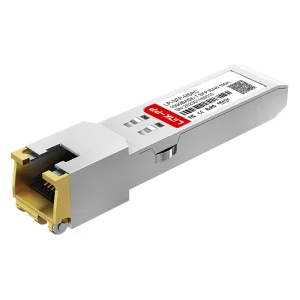
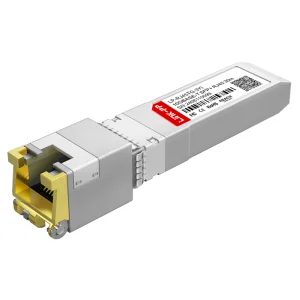
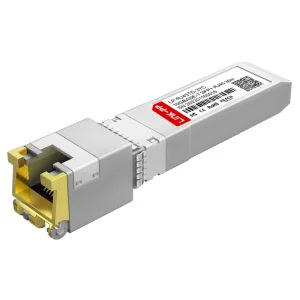
This is where the RJ45 Copper SFP (Small Form-factor Pluggable) transceiver becomes essential. By converting 10G SFP+ or 1G SFP optical ports into standard Ethernet RJ45 connections, network engineers can scale bandwidth without undertaking expensive full-fiber rewiring projects. This optimization minimizes operational expenditures (OPEX) while achieving data-link rates up to 10 Gbps over structured copper paths.
1. Cost-Efficient Datacenter Bridging: Avoids the need for expensive short-run active optical cables (AOCs) or direct attach copper cables (DACs) when connecting legacy servers to top-of-rack (ToR) switches.
2. Broad Telecom Base Station (BBU/RRU) Infrastructure: Connects Remote Radio Units to Baseband Units using localized RJ45 jumpers inside municipal network architectures.
3. Enterprise Office Parks: Rapid deployments of high-speed Wi-Fi 6/6E/7 Access Points which require NBASE-T (2.5G/5G/10G) PoE-capable data switches.
Standard optical SFP design uses laser diodes to send data over glass fibers. However, copper transceivers utilize a high-performance integrated PHY (Physical Layer chip) to manage signal equalization, echo cancellation, and analog-to-digital conversions. Because this occurs within the compact SFP housing, power management and heat dissipation are critical parameters.
Early-generation 10GBASE-T RJ45 Copper SFPs consumed upwards of 2.5W to 3.0W. This power draw limited their usage; deploying multiple modules side-by-side risked overheating the host switch. Modern technical roadmaps address this through advanced 12nm/16nm PHY chips, which reduce power consumption down to 1.5W to 1.8W for distances up to 30 meters. This lower power footprint allows system integrators in Mombasa and Nairobi to install copper transceivers next to each other, securing high port density without compromising thermal stability.
As Kenyan businesses upgrade to Wi-Fi 6 and Wi-Fi 7, standard 1Gbps ports often bottleneck modern access points. Installing Cat6a cables throughout a high-rise office can be cost-prohibitive. Implementing 2.5G and 5G NBASE-T Copper SFPs allows engineers to run networks at 2.5 times or 5 times the speed of Gigabit copper interfaces using existing Cat5e and Cat6 cabling, maximizing previous investments.
OptiLinker Optoelectronics Co., Ltd. is a professional optical transceiver manufacturer and solution provider under the brand OptiLinker, specializing in high-speed optical communication modules for global data center and telecom applications.
Founded in 2016, OptiLinker operates a modern production facility with a total building area of approximately 320㎡. With continuous development in optical communication technology, the company has accumulated over 12 years of industry experience and approximately 8 years of export experience.
In the past year, OptiLinker achieved an annual export revenue of around USD 12 million, serving customers across North America, Europe, Southeast Asia, and the Middle East. The company maintains a strong global B2B trade background, focusing on OEM/ODM partnerships with network infrastructure providers.
Quality assurance is a core focus at OptiLinker. The company implements 100% incoming material inspection, AOI automated optical inspection, and full optical performance testing. Product verification includes BER testing, eye diagram analysis, and high/low temperature cycling tests, ensuring stable performance under demanding network environments. The quality control team consists of 35 dedicated QC professionals.
OptiLinker collaborates with a global supply chain network of approximately 850 partners, enabling efficient sourcing and stable production capacity. Its main customer base includes telecom operators, data centers, system integrators, and networking equipment manufacturers.
The company has strong R&D capabilities, supported by a team of 60 experienced optical engineers. Its engineering team specializes in high-speed optical design, signal integrity optimization, and protocol compatibility development. OptiLinker offers flexible customization options including wavelength tuning, transmission distance, packaging form factors, firmware coding, and device compatibility programming. In the last year alone, OptiLinker launched approximately 120 new optical transceiver products, reflecting its continuous innovation and rapid response to market demand.

Engineered for harsh operating environments, smart grid stations, and industrial controls across Kenya.
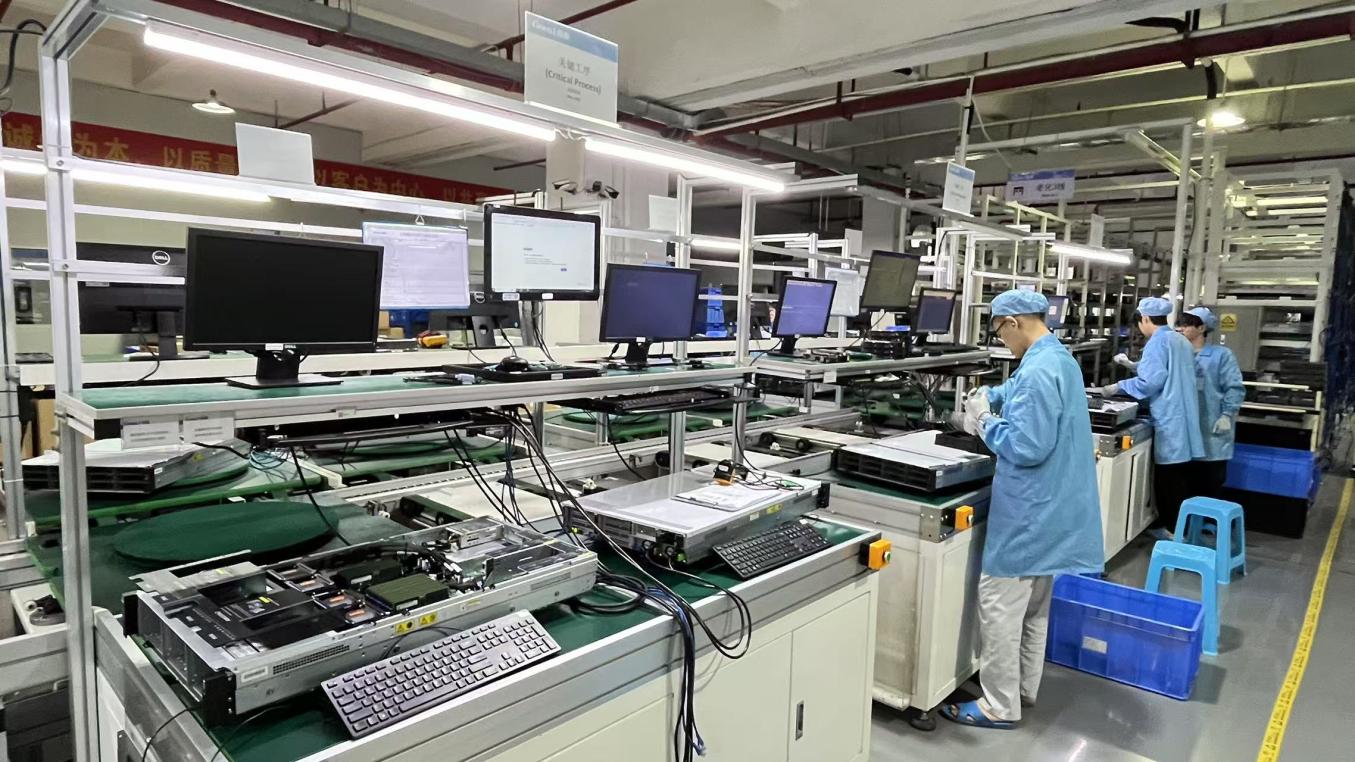
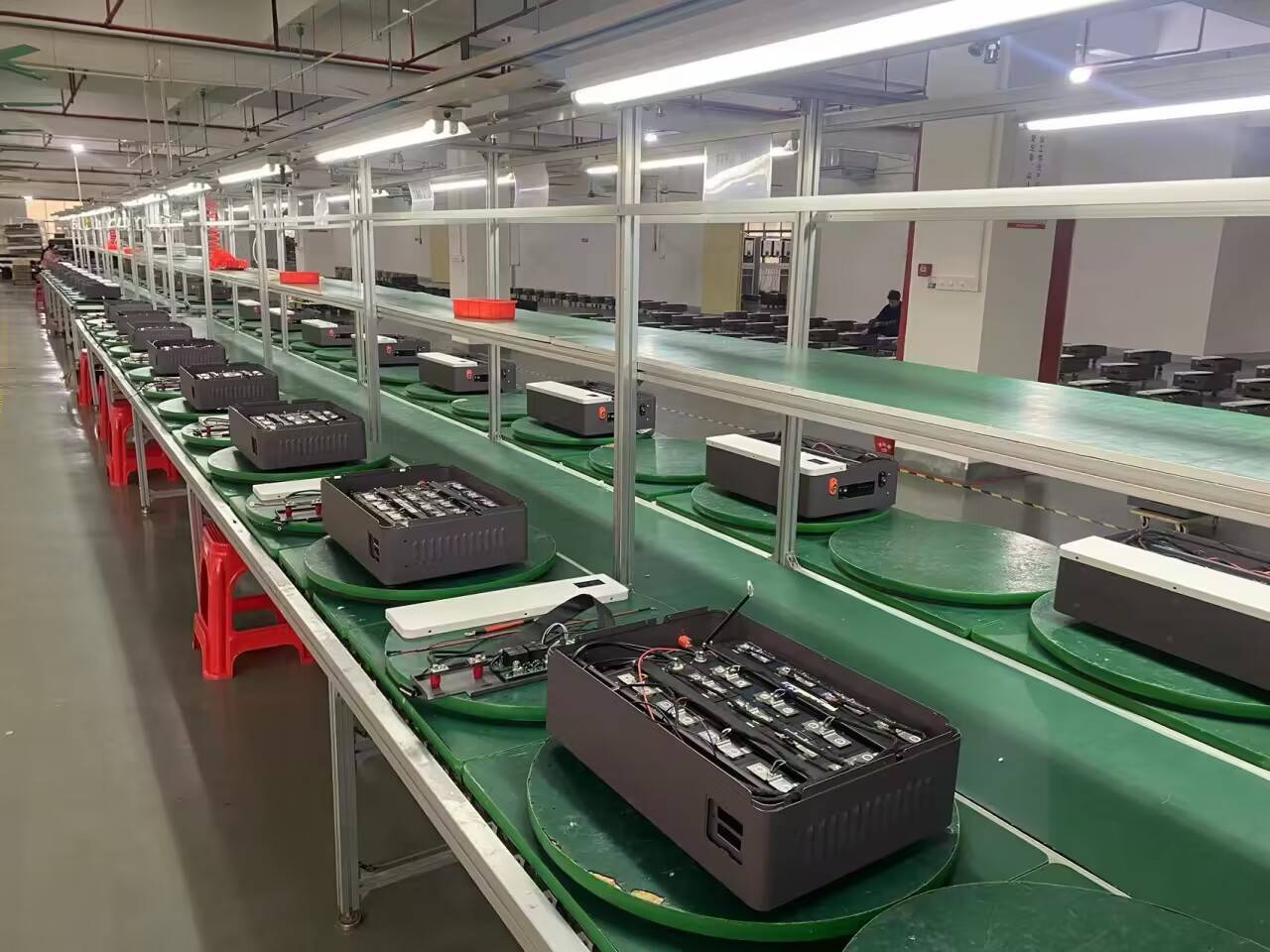
Our modern factory utilizes advanced manufacturing principles (Factory 4.0) to maintain consistent product quality and yield. Through automated manufacturing assemblies, real-time MES (Manufacturing Execution Systems), and custom optoelectronic testing benches, we control cost structures without sacrificing performance.
For our procurement partners in Kenya, direct sourcing from a qualified Chinese manufacturer provides significant strategic advantages:
Importing high-speed communication components into Kenya requires strict adherence to regulatory standards. All network devices must comply with the Kenya Bureau of Standards (KEBS). We provide the necessary documentation, including Pre-Export Verification of Conformity (PVoC) certificates, CE, FCC, and RoHS declarations, to ensure smooth customs clearance through the Port of Mombasa or Jomo Kenyatta International Airport (JKIA) in Nairobi.
To support regional system integrators, we offer express air shipping options through major logistics providers (such as DHL, FedEx, and regional air freighters), reducing transit times to 5–7 business days. Additionally, our technical support engineers provide remote assistance for firmware modifications and field compatibility upgrades.
Tested for compatibility with Cisco, HPE Aruba, Ubiquiti, and other switch platforms deployed across Kenya.
Technical answers regarding compatibility, heat issues, and shipping to East Africa.
Yes. We design and program our transceivers' EEPROM with specific vendor codes. During order placement, you can specify your switch hardware brands. Our engineering team programs individual modules to ensure full compatibility with Cisco, HPE Aruba, Mikrotik, Huawei, and Juniper switches.
Standard 10G copper transceivers run warm because the PHY chip converts signals within a small form factor. Our modules use 12nm PHY architectures, limiting typical power draw to 1.5W–1.8W (over 30 meters). This reduced power requirement keeps temperatures within safe limits, helping to protect switches from overheating.
We provide CE, FCC, RoHS, and UL documentation. Additionally, we work with international inspection bodies to secure the Pre-Export Verification of Conformity (PVoC) certificate required for custom clearance through the Kenya Bureau of Standards (KEBS).
Standard 10GBASE-T SFP+ modules support up to 30 meters over Cat6A/Cat7 copper cabling. For longer runs, we offer specialized extended-reach copper SFP+ modules that support up to 80 meters or 100 meters at 10Gbps, depending on cabling quality.
Yes, our multi-rate (NBASE-T) 10GBASE-T SFP+ transceivers support auto-negotiation, allowing them to interface with 10Gbps, 5Gbps, 2.5Gbps, and 1Gbps ports. This provides flexibility when connecting different generations of switches, routers, and enterprise wireless access points.