OptiLinker
OptiLinker
OptiLinker
Optimized for enterprise switches, edge routing, and local network aggregation nodes in maritime ports and metropolitan telecom setups.
As the digital landscape of the Gulf of Guinea accelerates, São Tomé and Príncipe (STP) is undergoing a structural transition in telecommunications and enterprise networking. Backed by international developments and the optimization of subsea fiber links like the Africa Coast to Europe (ACE) submarine cable landing in São Tomé, local network operators are faced with the challenge of bridging oceanic high-speed pipelines to local terrestrial infrastructure.
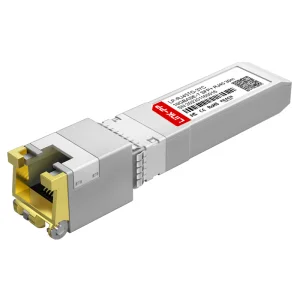
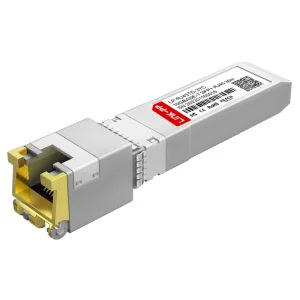
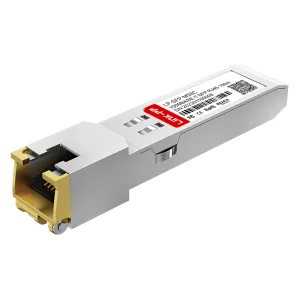
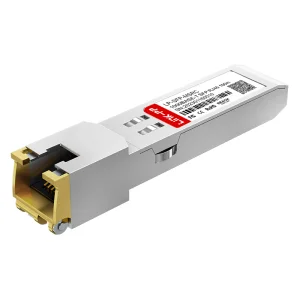
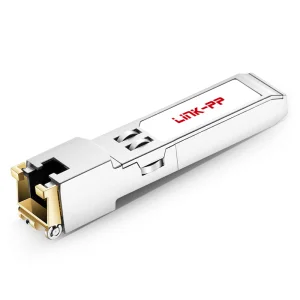
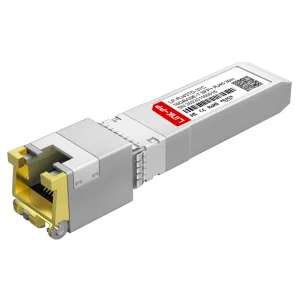
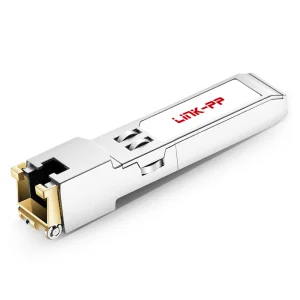
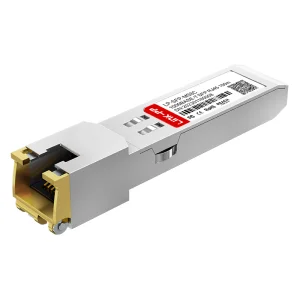
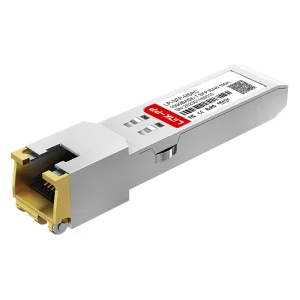
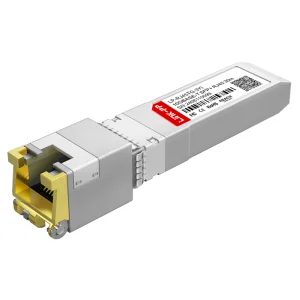
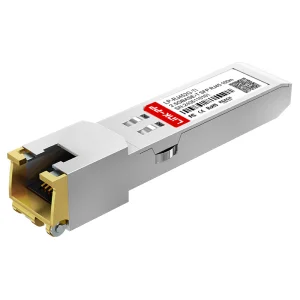
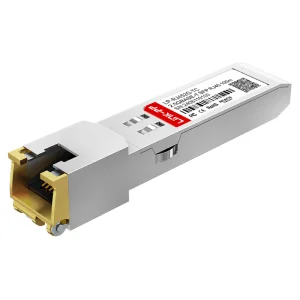
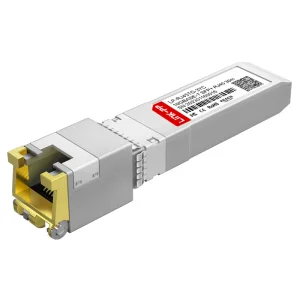
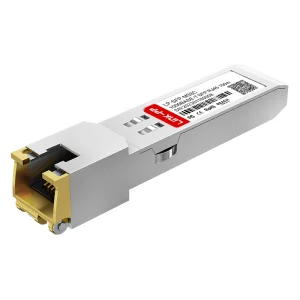
To achieve high-efficiency connectivity within municipal centers, government offices, tourism hubs, and port facilities without bearing the prohibitive costs of laying new optical fiber across historical districts, network engineers increasingly deploy RJ45 Copper SFP Transceiver Modules. By adapting copper legacy infrastructure to modern SFP/SFP+ switch architectures, local businesses achieve 10G/2.5G/1G Ethernet speeds over existing Category 6/6A copper links up to 100 meters.
Designed to operate reliably in tropical maritime conditions. OptiLinker's industrial-grade components feature specialized heat sinks and corrosion-resistant plating to withstand high humidity and saline atmospheres typical of equatorial island environments.
Seamlessly interface new-generation optical core switches with local copper distribution hubs. Enables direct link conversions (e.g., SGMII/SFP to standard RJ45 ports) saving thousands of dollars in hardware replacement costs.
OptiLinker modules feature custom-programmed EEPROMs compatible with leading brands like Cisco, HPE Aruba, Ubiquiti, Huawei, and Mikrotik, bypassing restrictive vendor locks.
Direct from OptiLinker’s export production center, these units feature optimized power consumption profiles and robust electro-magnetic interference (EMI) shielding.
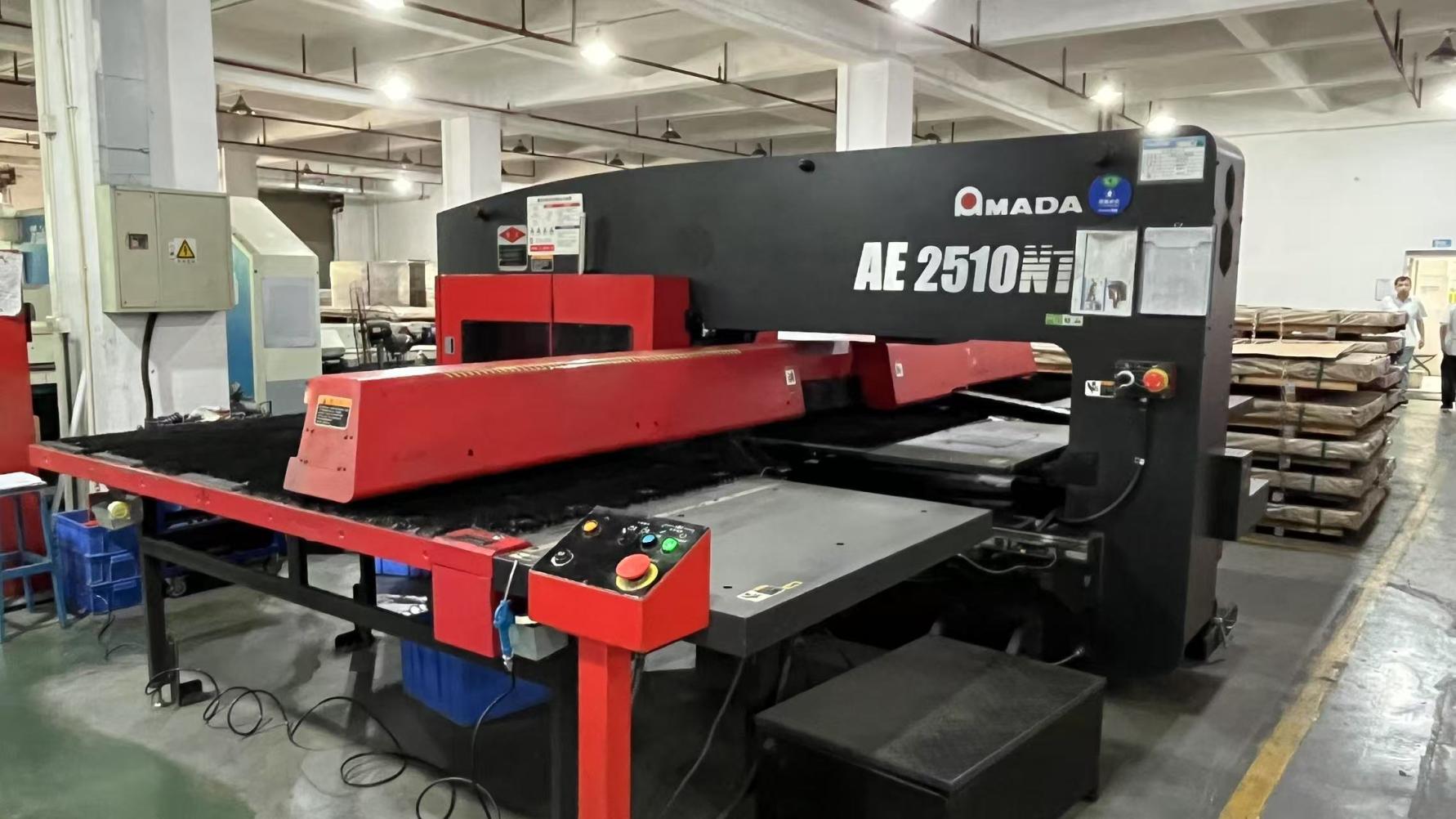
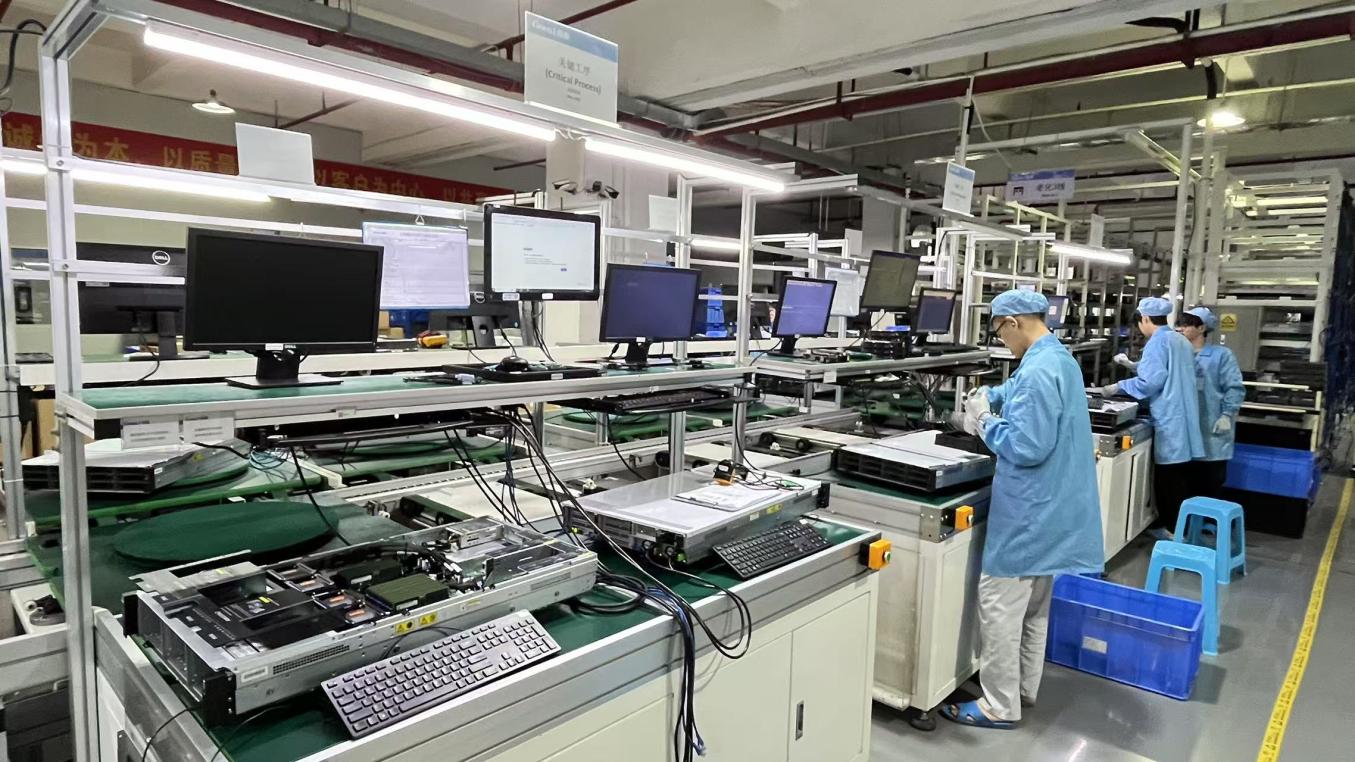
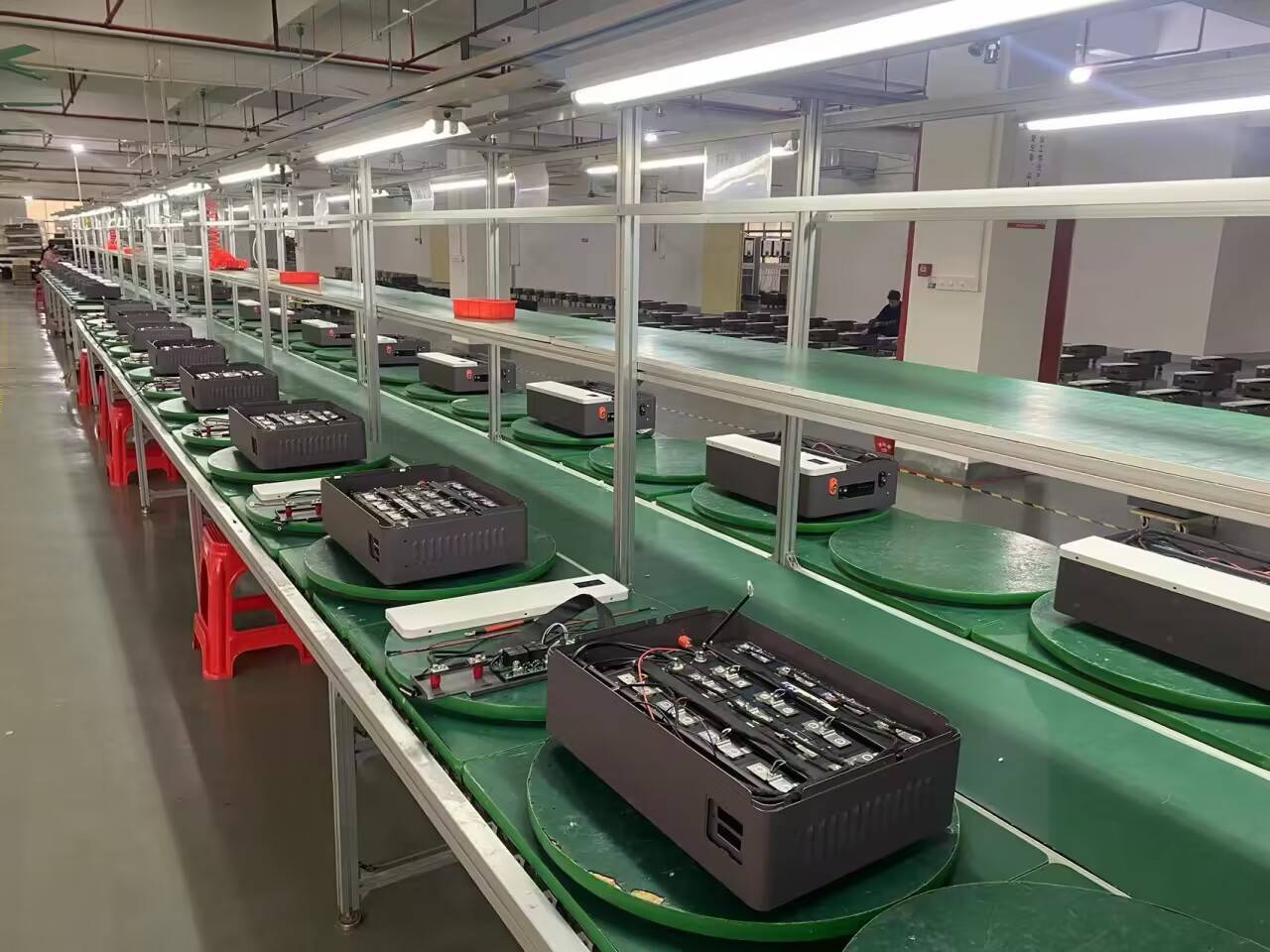
OptiLinker Optoelectronics Co., Ltd. (OptiLinker) is a leading designer and exporter of high-speed transceiver interfaces. Founded in 2016 and backed by over 12 years of industry experience, we operate a specialized precision facility optimized for clean-room micro-assembly and high-frequency parameter calibrations.
Our Chinese manufacturing cluster provides unique supply chain efficiencies: direct access to top-tier passive optical network components, high-speed PHY semiconductor chips, and automated surface-mount technology (SMT) assemblies. Through partnerships with 850 supply chain associates, we eliminate bottlenecks, delivering industrial-grade RJ45 transceivers at competitive pricing margins.
OptiLinker's facility implements 100% incoming material inspection, Automated Optical Inspection (AOI), Bit Error Rate (BER) analysis, and thermal cycling chambers. Our 35-person quality control team ensures every SFP module operates flawlessly under varying network load matrices.
Understanding the physics, interfaces, and limitations of copper links in enterprise architectures.
Operating a 10GBASE-T link over copper is power-intensive due to the advanced DSP processing required to resolve inter-symbol interference (ISI) and cross-talk. OptiLinker utilizes high-efficiency Marvell and Broadcom physical layer (PHY) chips that consume less than 1.6W-2.0W on average. This represents a significant power saving compared to early-generation transceiver modules, preventing localized thermal overload in dense switch configurations.
OptiLinker's RJ45 transceivers support auto-negotiation protocols, enabling seamless rate adaptations. A single module can automatically adjust to 10GBASE-T, 5GBASE-T, 2.5GBASE-T, or 1000BASE-T requirements depending on the capabilities of the host switch and the remote endpoint. This is essential for upgrading heterogeneous networks across schools, clinics, and government sectors in São Tomé.
Standard fiber SFP modules utilize light waves, whereas RJ45 copper transceivers send electrical pulses. For high-speed 10G links, Cat6a copper cabling supports transmissions up to 30m, 80m, or even 100m depending on the PHY chip rating. For standard 1.25G copper links, Cat5e and Cat6 cabling easily carry signals up to 100 meters, serving as the standard patch link connection inside server rooms.
Telecom operators and cloud hosting platforms worldwide are restructuring their local loop aggregation. Previously, network managers relied solely on OEM-branded transceivers which carried steep markup costs. In recent years, a major shift toward high-quality third-party optical transceiver manufacturers has emerged. By procuring direct from established Chinese ISO9001-certified factories, telecom procurement professionals reduce hardware expenditures by up to 65% while maintaining the exact performance baselines.
For remote digital economies like São Tomé and Príncipe, sourcing high-durability products directly from an export-focused supplier is critical to minimize replacement logistics. OptiLinker’s 120+ annually released variants ensure our inventory adapts swiftly to the rollout of new multi-gigabit switches, smart routers, and firewall gateways.
Comprehensive portfolio of 10GBASE-T, 2.5GBASE-T, and Gigabit SFP modules. Fully programmable for Cisco, HPE Aruba, Ubiquiti, and other host networks.
Find answers to technical design specifications, temperature control, compatibility, and logistics questions concerning RJ45 copper transceivers.
Connect directly with OptiLinker's optical application and network engineering team. Get customized EEPROM compatibility programming, specific reach options, and tier-1 pricing structures for your next network rollout.