OptiLinker
OptiLinker
OptiLinker
High-reliability optical transceivers configured for immediate integration in Trinidad and Tobago metro and enterprise network topologies.
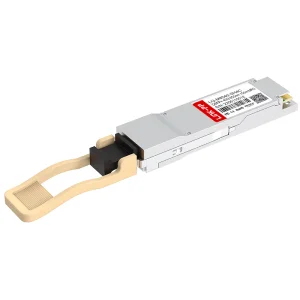
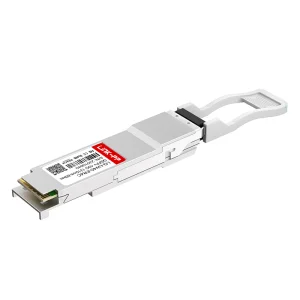
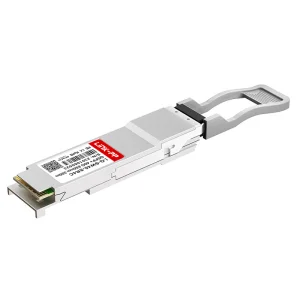
As the most industrialized economy in the Caribbean, Trinidad and Tobago maintains a highly sophisticated network topology driven by oil, gas, petrochemical processing complexes, and international financial institutions. The rapid digitalization of heavy industrial zones like the Point Lisas Industrial Estate and offshore exploration sites requires robust, EMI-immune fiber backplanes capable of scaling up bandwidth constraints.
Deploying OptiLinker’s 40G QSFP+ transceivers ensures that local operators—including Telecommunications Services of Trinidad and Tobago (TSTT), Digicel, and enterprise datacenter facilities—can efficiently multiplex their networks to support critical applications. From SCADA system telemetry in offshore platforms to high-frequency trading networks in Port of Spain, high-stability optical connectivity is paramount.
Our modules are designed to sustain operation under tropical environments, managing high humidity and thermal shifts typical of Caribbean maritime zones without compromising on insertion loss budgets or signal integrity.

A trusted technology manufacturer driving high-performance optical communication globally.
OptiLinker is a professional optical transceiver manufacturer and solution provider under the brand OptiLinker (www.optilinkertrans.com), specializing in high-speed optical communication modules for global data center and telecom applications.
Founded in 2016, OptiLinker operates a modern production facility with a total building area of approximately 320㎡. With continuous development in optical communication technology, the company has accumulated over 12 years of industry experience and approximately 8 years of export experience. Our annual export revenue reached USD 12 million, supporting operators and system integrators in North America, Europe, Southeast Asia, and the Middle East.
Quality assurance is our core focus. We implement 100% incoming material inspection, AOI automated optical inspection, and full optical performance testing. Product verification includes BER testing, eye diagram analysis, and high/low temperature cycling tests, ensuring stable performance under demanding network environments. Our quality control team consists of 35 dedicated QC professionals.

Evaluating transmission performance, attenuation margins, and climate adaptability.
To establish high-speed links over metropolitan scales or within highly compact server arrays, understanding the differences in optical interface technologies is critical. 40G QSFP+ (Quad Small Form-factor Pluggable Plus) transceivers offer 4 independent channels of 10Gbps data, utilizing either MPO multi-fiber arrays or LC duplex connections through wavelength division multiplexing (WDM).
Equipped with high-performance heat sinks and sealed optical engines, our modules prevent condensation ingress under the high humidity parameters typical of Port of Spain and Point Lisas coastal sectors.
Real-time monitoring of transceiver parameters including optical output power, input power, temperature, laser bias current, and transceiver supply voltage for active network health assessment.
Our modules undergo custom firmware configuration to ensure 100% interoperability with switches from major network equipment manufacturers, including Cisco, Juniper, Huawei, Arista, and Ciena.
| Transceiver Type | Wavelength (nm) | Connector Type | Max Distance | Fiber Media | Typical Application |
|---|---|---|---|---|---|
| 40GBASE-SR4 | 850nm | MPO-12 (MTP) | 150m | OM4 MMF | Datacenter Intra-Rack Connectivity |
| 40GBASE-LR4 | 1270, 1290, 1310, 1330nm (WDM) | Duplex LC | 10km | SMF | Enterprise Campus Backbone Systems |
| 40GBASE-ER4 | 1270, 1290, 1310, 1330nm (WDM) | Duplex LC | 40km | SMF | Metro Area Network (MAN) Aggregation |
| 40GBASE-ZR4 | 1310nm Band | Duplex LC | 80km | SMF | Long-haul Inter-city Backbone & Subsea links |

Operating from China's primary optoelectronic hub, OptiLinker leverages an extensive ecosystem of approximately 850 supply chain partners. This vast network permits immediate component acquisition, shortening lead times for complex, large-scale custom runs.
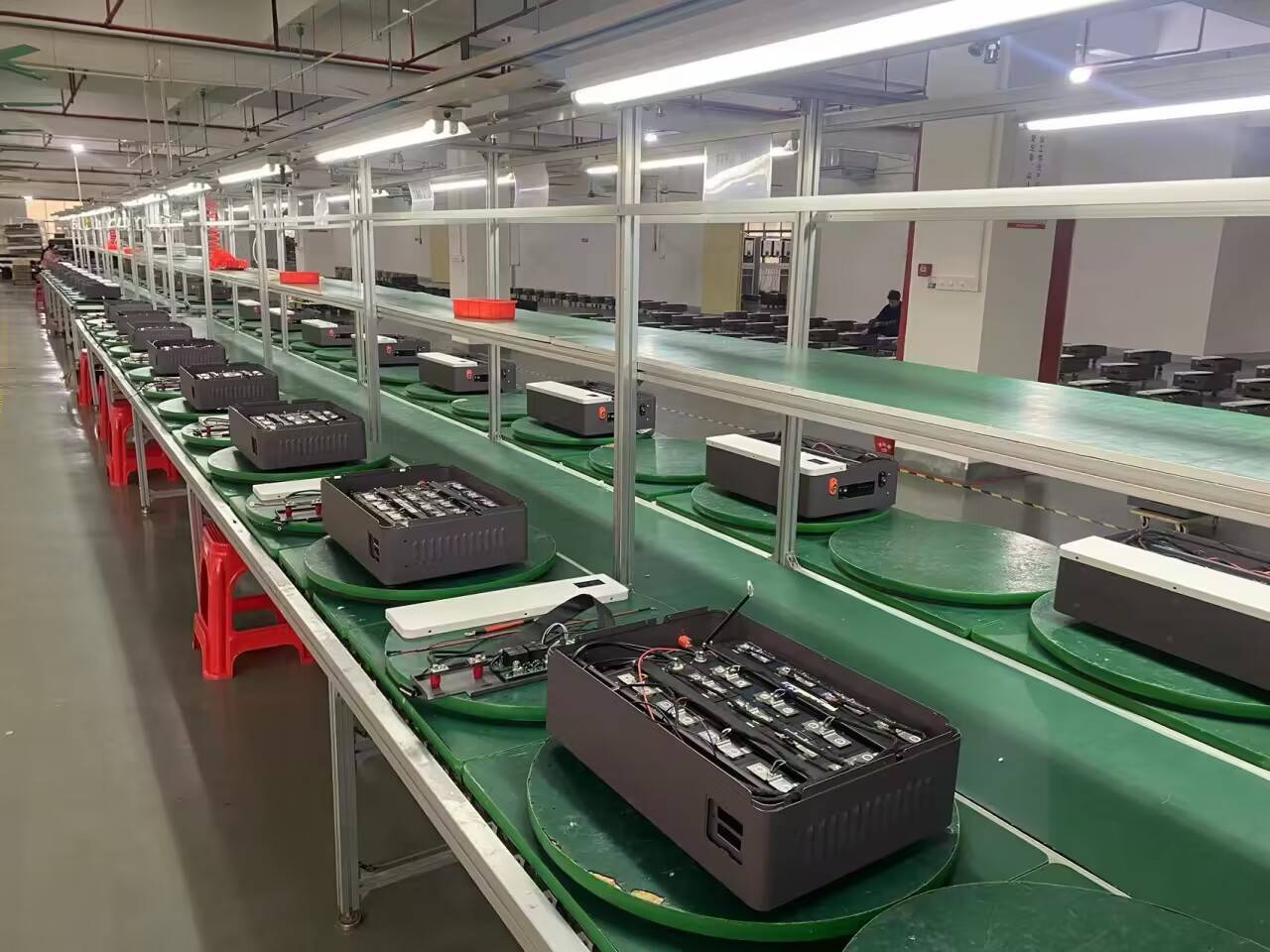
Our manufacturing workflow relies on highly automated sub-micron assembly alignment systems and proprietary testing software. By maintaining tight integration over our production lines, we eliminate standard middle-man overheads, delivering high-speed transceivers directly to Trinidad and Tobago operators at factory prices.
With a dedicated team of 60 optical engineers, we adapt easily to demands for hardware customizations, firmware revisioning, and multi-vendor EEPROM compatibility coding.
How 40G QSFP+ transceivers support localized network expansion across critical local business divisions.
Continuous telemetry links between offshore drilling rigs in the Columbus Basin and terrestrial operational centers in Point Fortin. Our Single Mode 40G modules bridge these long-haul distances safely, allowing unified real-time video, voice, and machinery telemetry.
Trinidad serves as a major connection point for subsea fiber-optic cables (Americas-II, ECFS). 40G LR4 and ER4 transceivers act as the high-capacity backhaul pipelines that connect terrestrial central offices to cable landing stations, maintaining traffic flow into the wider Caribbean region.
The University of the West Indies (UWI) St. Augustine campus and critical government complexes in Port of Spain leverage 40GBASE-SR4 multi-mode connections to establish high-throughput pathways between departmental switch rooms and central servers.
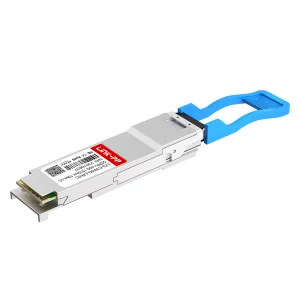
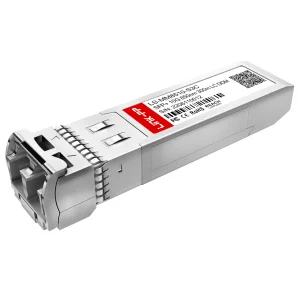
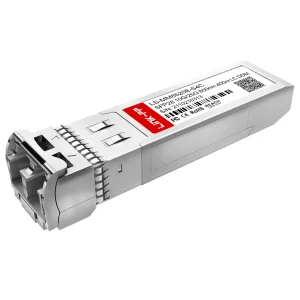
Browse our core selection of high-speed transceivers, fully compatible with local network equipment specifications.
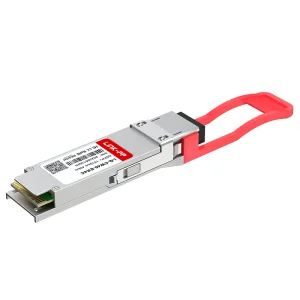
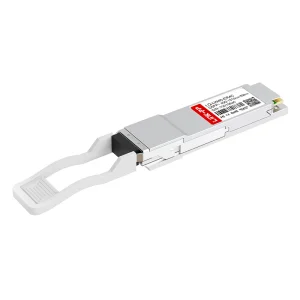
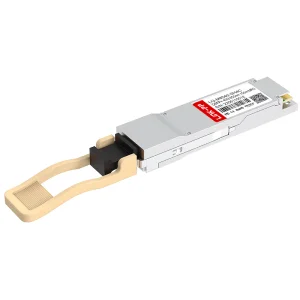
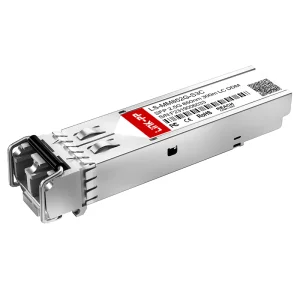
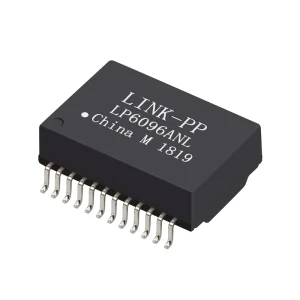
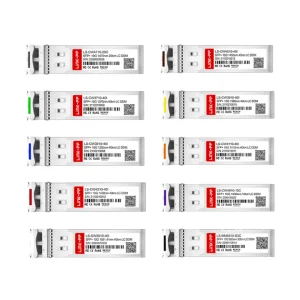
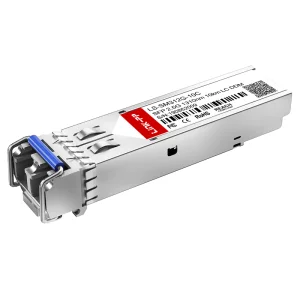
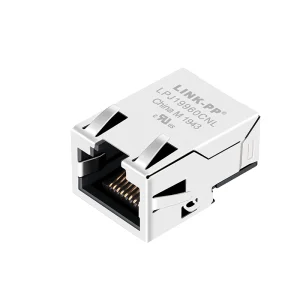
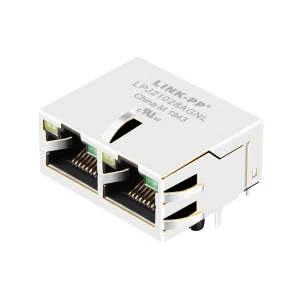
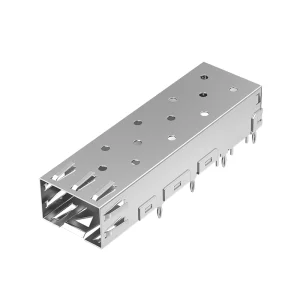
Essential sub-assembly connectors and cage modules to secure reliable structural links.
Importing telecom products into Trinidad and Tobago requires adherence to the specifications defined by the Telecommunications Authority of Trinidad and Tobago (TATT). Optical transceiver hardware must comply with strict criteria regarding electromagnetic emissions, radiation safety (for lasers), and environmental protection.
All OptiLinker transceivers conform to:
Our logistical pipeline coordinates customs clearance at Piarco International Airport and the Port of Port of Spain, ensuring structured, trouble-free cargo arrival to your staging facilities.
Expert answers addressing the practical integration of 40G QSFP+ modules in localized applications.
Contact OptiLinker’s specialized engineering team to review system compatibility, request product samples for local testing, or obtain structured volume quotes.