OptiLinker
OptiLinker
OptiLinker
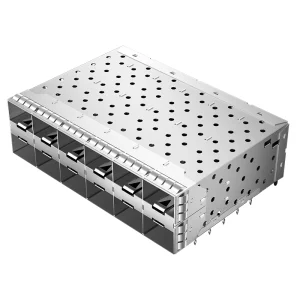
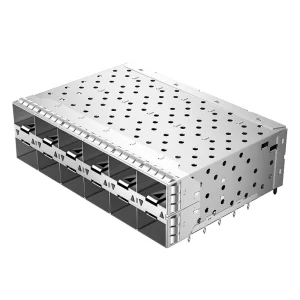
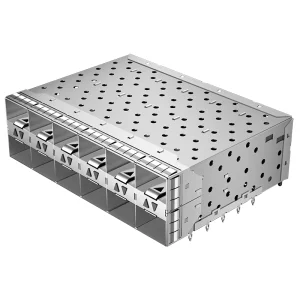
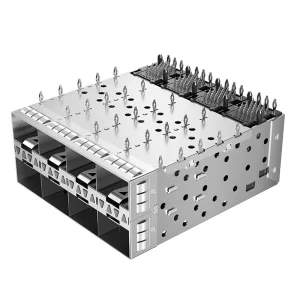
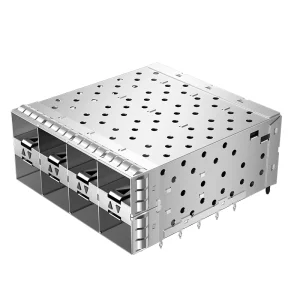
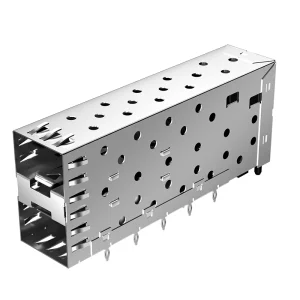
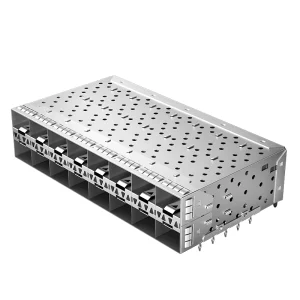
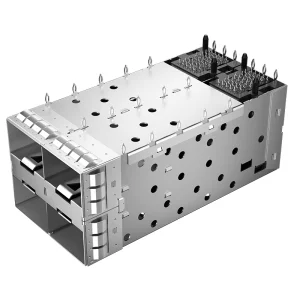
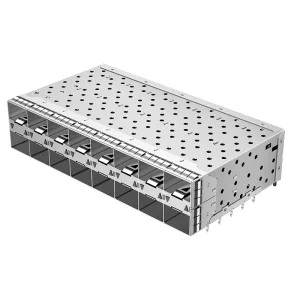
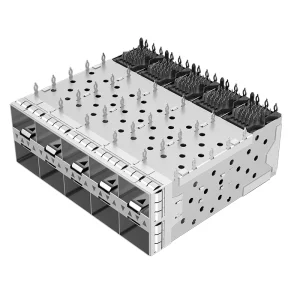
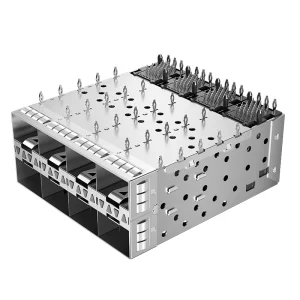
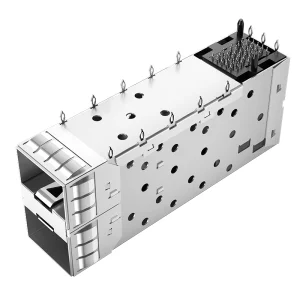
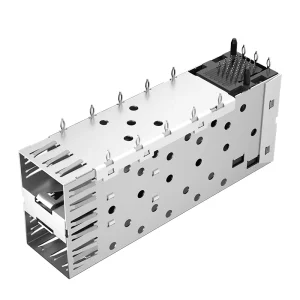
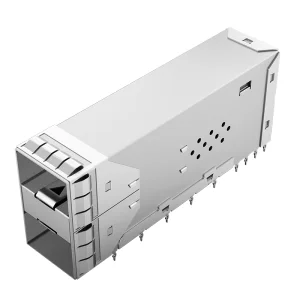
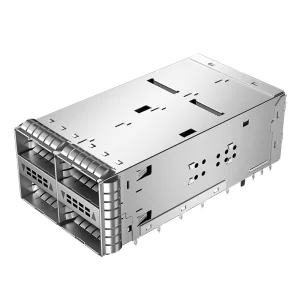
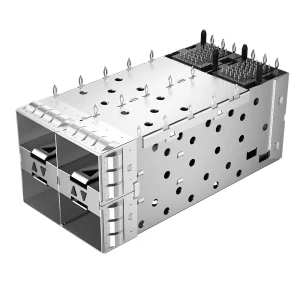
As Pakistan accelerates its "Digital Pakistan" initiative, the demand for high-density networking infrastructure has reached an unprecedented peak. The deployment of 2xN (Stacked Ports) architecture is no longer a luxury but a necessity for the evolving ISP and telecommunications landscape in major hubs like Karachi, Lahore, and the Special Technology Zones (STZs). 2xN configurations allow for double the port density within the same rack unit (RU), a critical factor for data centers where floor space is a premium.
Global trends indicate a massive shift toward SFP28, QSFP28, and zSFP+ protocols, all of which are integrated into our 2xN stacked solutions. For Pakistani enterprises and government departments, transitioning to stacked ports means reducing the physical footprint of core switches while maintaining high-speed throughput (up to 25G and 100G per port). Our factory provides the "Information Gain" required by Pakistani engineers—deep technical insights into EMI shielding and signal integrity that are often overlooked by generic suppliers.
Years Industry Experience
New Products Annually
Global Supply Partners
Optical Performance Testing
Our 2xN Stacked Cages are currently optimized for several key localized applications in Pakistan:
Based in the global manufacturing heartland, OptiLinker utilizes a highly specialized production facility designed for precision. Our factory efficiency is characterized by AOI automated optical inspection and full BER (Bit Error Rate) testing. For Pakistani clients, this means a significantly lower failure rate compared to local secondary market alternatives. We offer OEM/ODM services that allow for wavelength tuning and device compatibility programming—essential for the diverse range of equipment (Huawei, ZTE, Cisco, Juniper) commonly used in Pakistan.
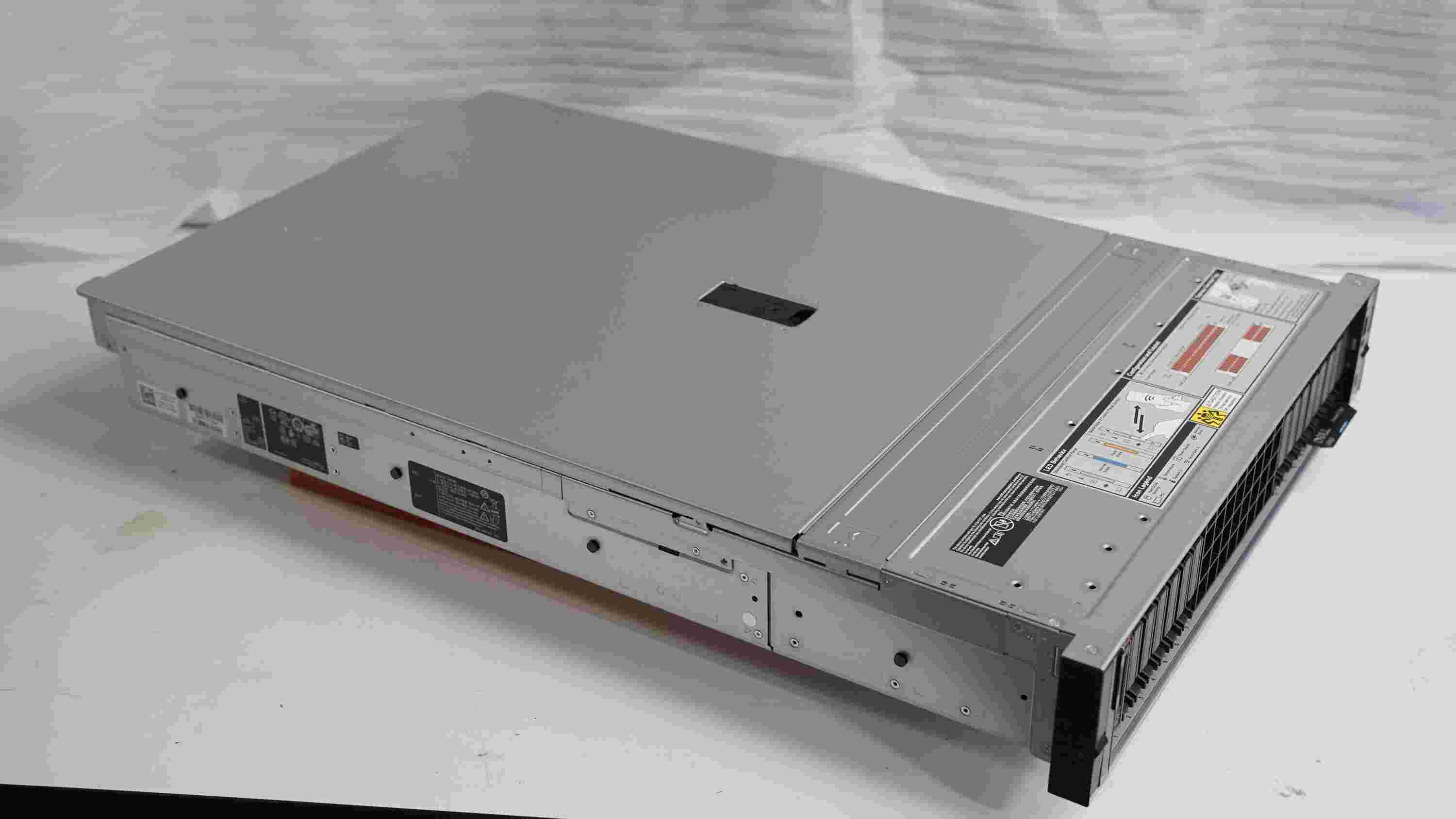
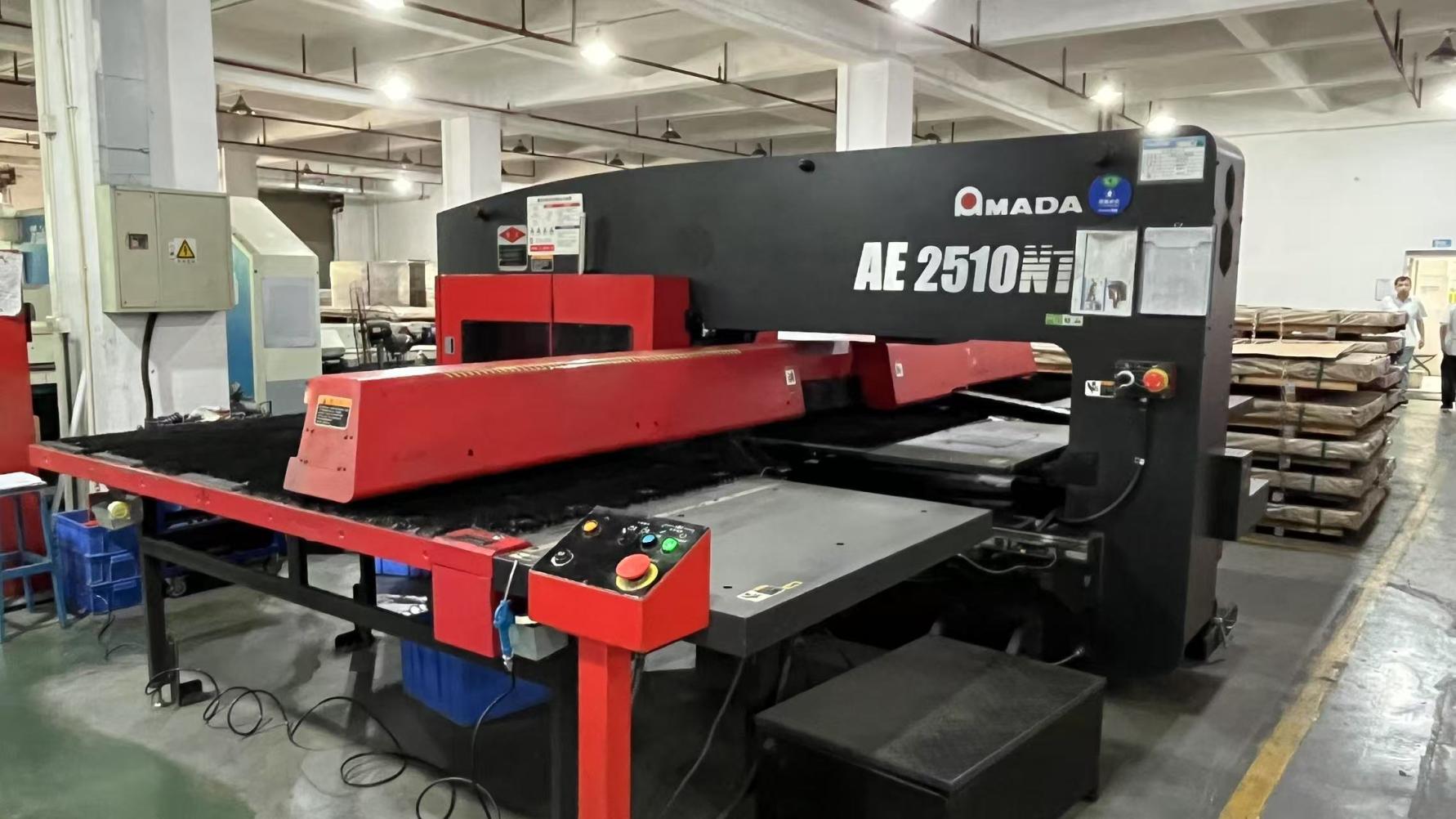
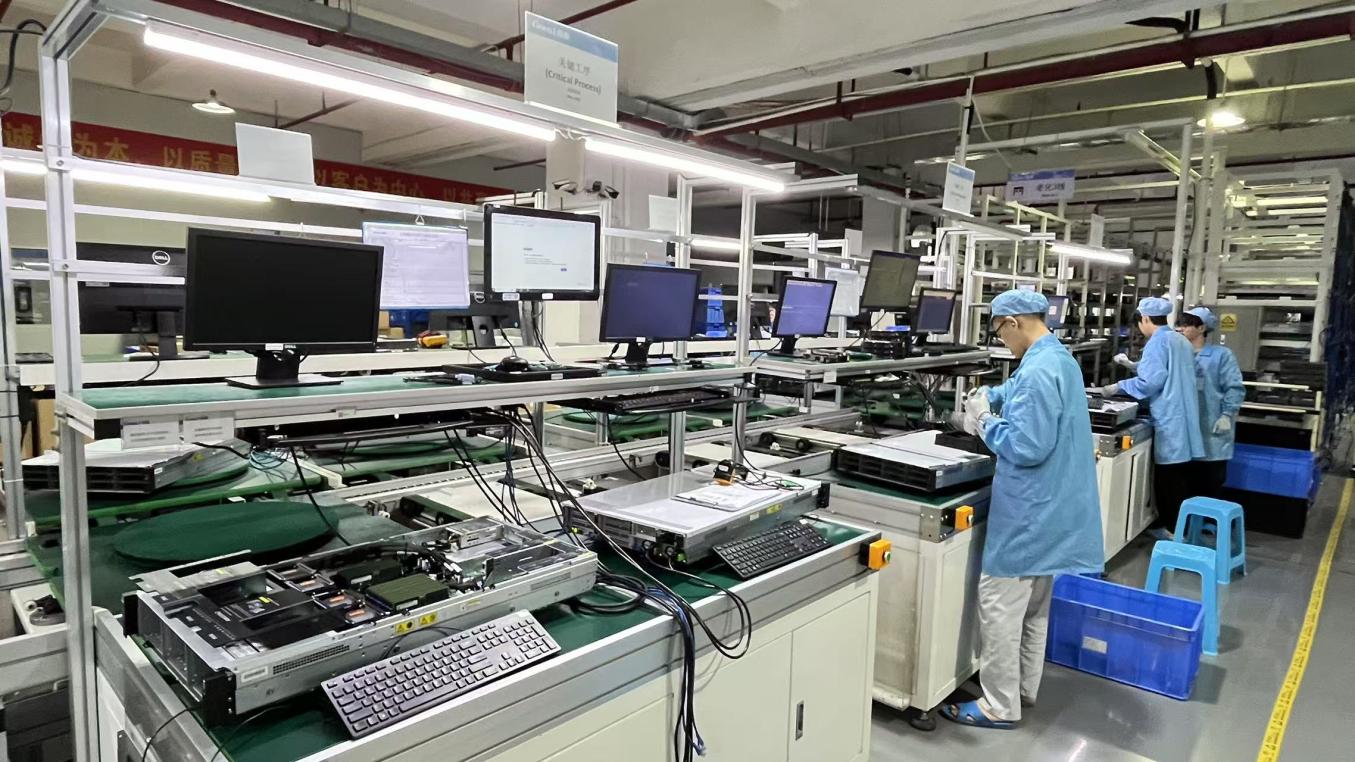
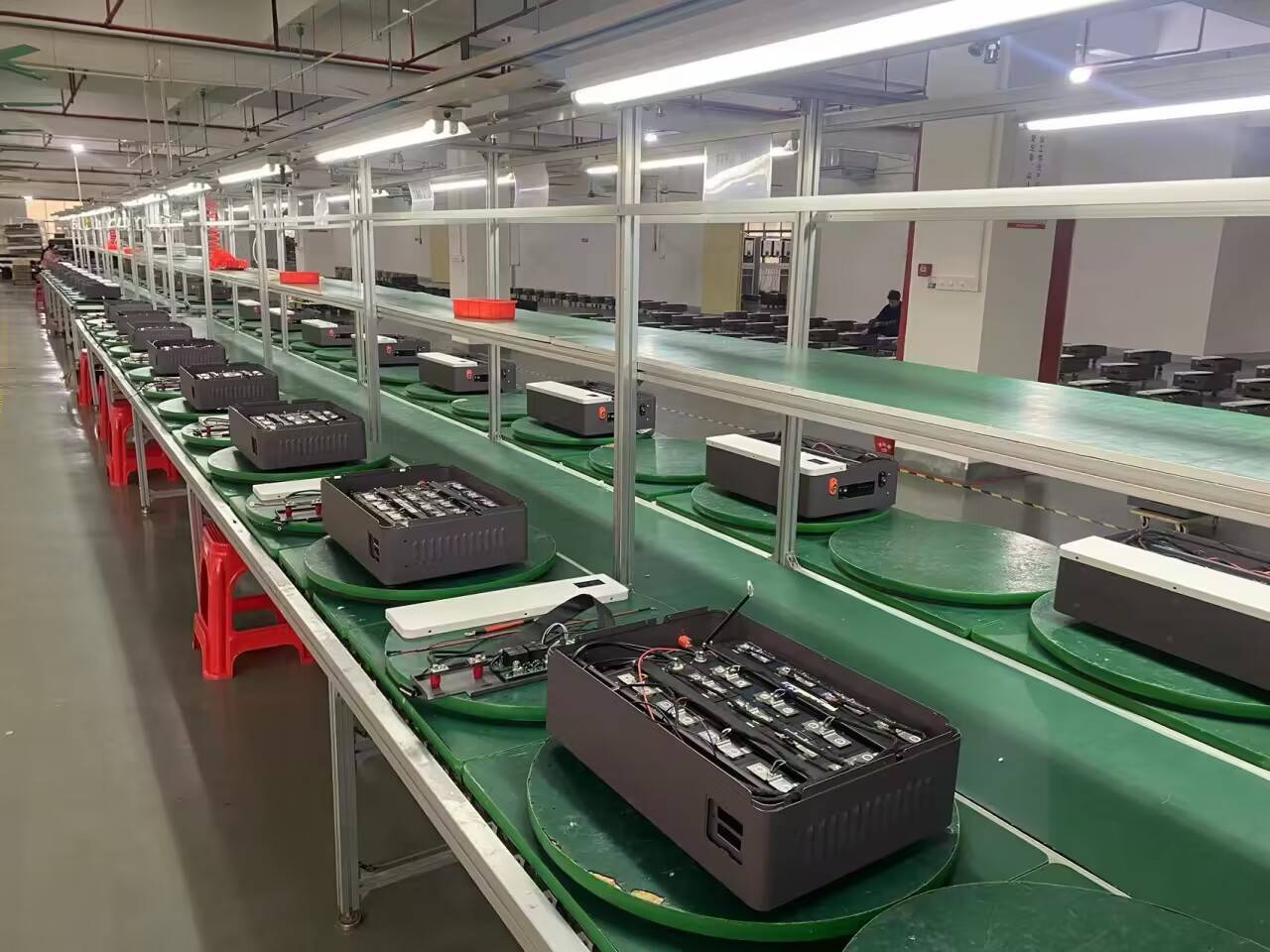
In high-density 2xN environments, two major challenges arise: Electromagnetic Interference (EMI) and Thermal Management. Stacked ports are notoriously difficult to cool because of the restricted airflow between the upper and lower port rows.
Our solutions for the Pakistan market include EMI Shielded Cages with integrated gaskets and specialized airflow designs. We utilize advanced Press-Fit technology (solderless) which ensures superior signal integrity for 25Gbps+ speeds (zSFP+ and SFP28). This is particularly critical in Pakistan’s warmer climates, where equipment operating temperatures can spike. Our high/low temperature cycling tests ensure that every 2xN port delivered can withstand the rigorous environmental demands of a Karachi summer.
A: Yes. OptiLinker’s engineering team specializes in protocol compatibility. Our 2xN stacked ports are designed as direct replacements for TE, Pulse, and Molex, ensuring 100% interoperability with Huawei, ZTE, Cisco, and Juniper hardware widely deployed in the Pakistan telecom sector.
A: Leveraging our stable supply chain of 850+ partners and our specialized factory, we typically maintain stock of standard configurations (2x1, 2x4, 2x6). Custom orders generally take 2-4 weeks, with expedited air shipping available to all major Pakistani airports.
A: While our primary R&D is based in China, our team of 60 engineers provides 24/7 remote technical consulting, including signal integrity simulation and PCB layout reviews to ensure our 2xN ports perform optimally in your specific design.
A: We implement a rigorous quality control process including 100% incoming material inspection and BER testing. Our annual export revenue of USD 12 million is built on the trust of global telecom operators who require zero-downtime reliability.