OptiLinker
OptiLinker
OptiLinker
Pre-configured optical modules for remote utilities, railway signaling, and industrial ethernet automation lines across VIC, NSW, QLD and WA.
While the global tech focus points toward 400G and 800G optical interfaces for hyper-scale cloud data centers, critical physical infrastructure in Australia relies heavily on highly stable, deterministic legacy platforms. Technologies operating at 155 Mbps (such as Fast Ethernet and STM-1/OC-3) and 622 Mbps (STM-4/OC-12) remain the bedrock of telemetry, protection relays, railway signaling, and remote SCADA communications. OptiLinker is at the forefront of engineering these specialized transceivers, ensuring the longevity and reliability of these vital systems.
Australia's vast geography and distributed resource industry present specific network challenges that are absent in denser regional markets.
As tier-1 global manufacturers phase out lower-speed transceiver modules to shift manufacturing lines to high-margin hyperscale components, system integrators face significant procurement risks. Finding a partner with robust quality control, extensive legacy expertise, and a flexible supply chain is paramount.
OptiLinker bridges this critical gap. With over 12 years of core industry experience, we continue to engineer, program, and export compatible 155M and 622M SFP transceivers that comply with MSA (Multi-Source Agreement) standards. By maintaining high-precision optical alignment and using premium components like Maxim/Laser drivers and reliable photodetectors, we ensure that our modules perform identically to or exceed OEM specifications.
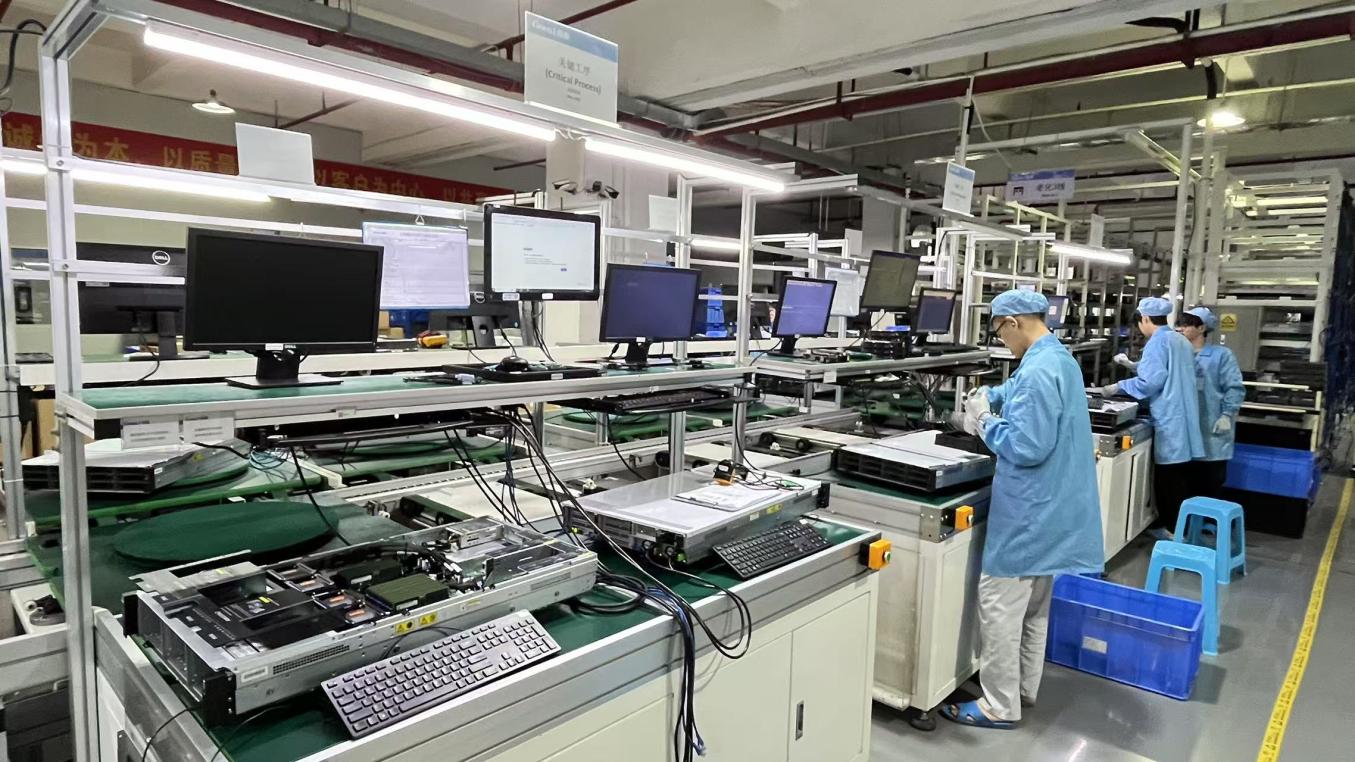
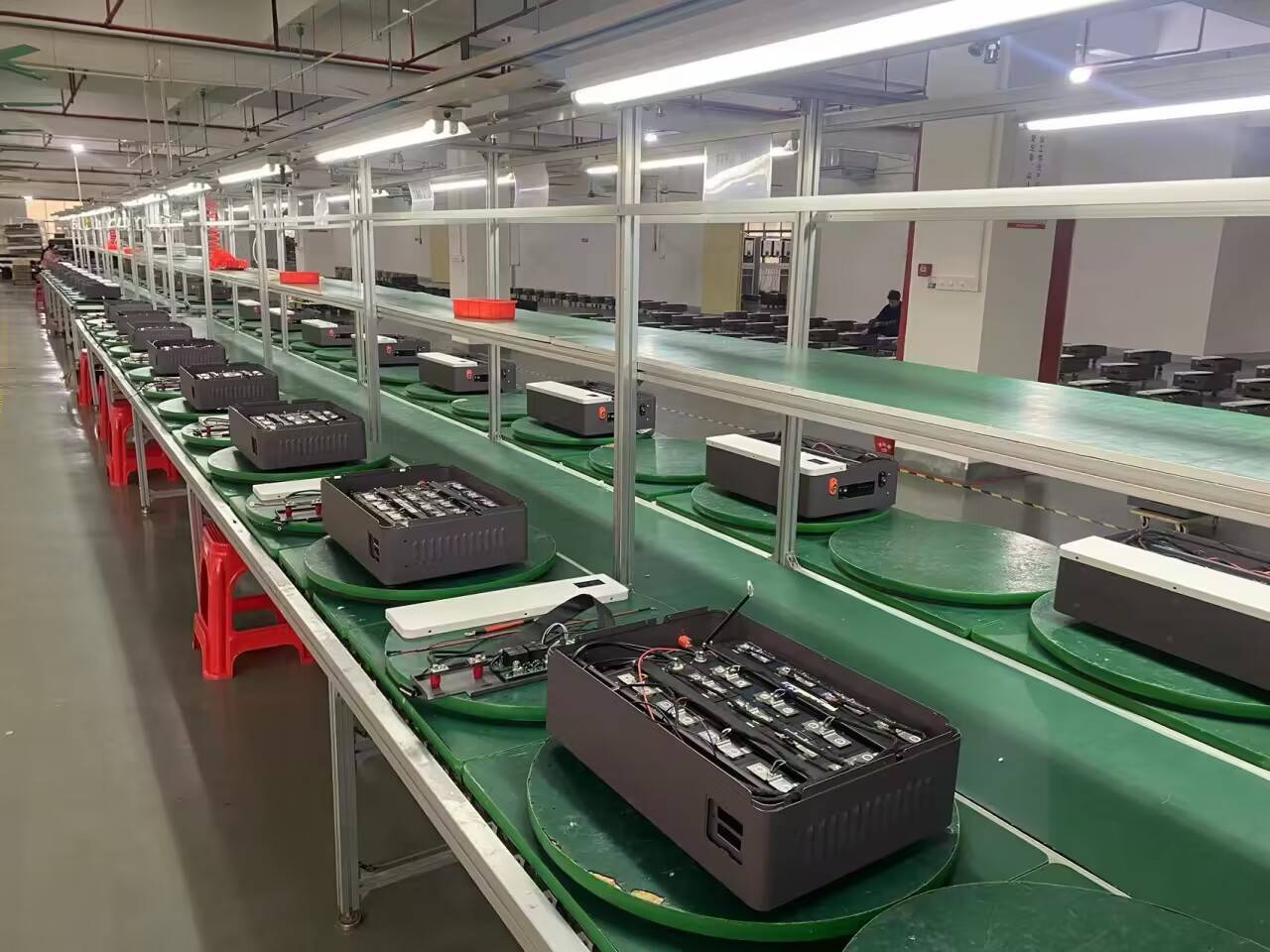
OptiLinker's state-of-the-art production facility ensures that every transceiver meets rigorous telecommunication standards.
Operating out of our modern facility founded in 2016, we integrate advanced manufacturing efficiencies to produce reliable optical transceivers. We carry out 100% incoming material inspection, automated optical inspection (AOI), and full optical performance testing. Each transceiver undergoes Bit Error Rate (BER) testing, eye diagram analysis, and high/low temperature cycling tests. This ensures stable performance under demanding industrial and network environments.

Select the correct optical transceiver type based on your network architecture and power budget requirements.
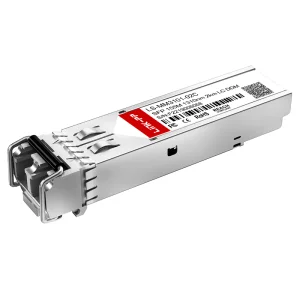
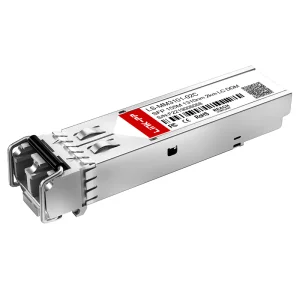
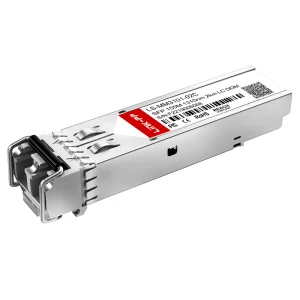
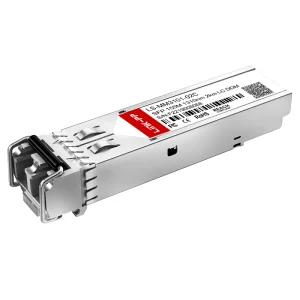
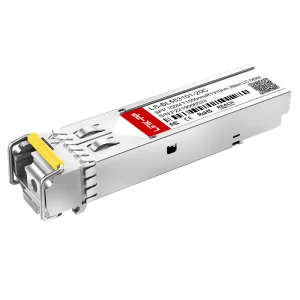
Utilizing 1310nm or 850nm wavelengths. Ideal for local control cabinet jumps, substation intra-links, and short distance railway station signals.
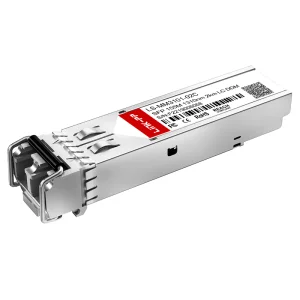
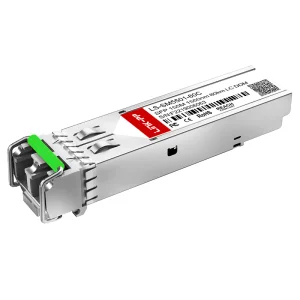
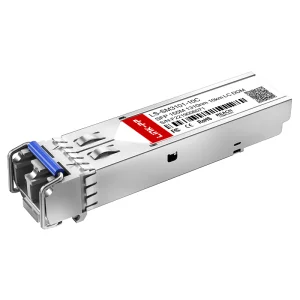
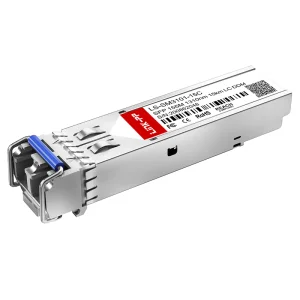
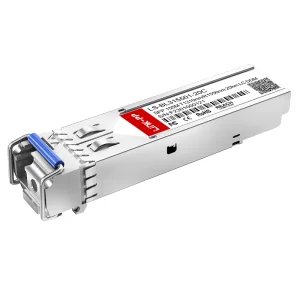
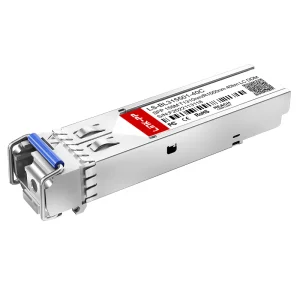
Utilizing 1310nm or 1550nm DFB lasers. Essential for cross-mine communications, regional power grid loops, and remote pipeline telemetry.
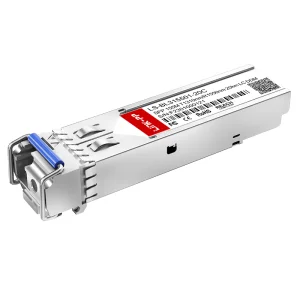
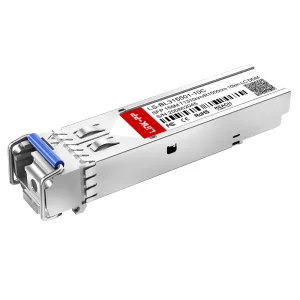
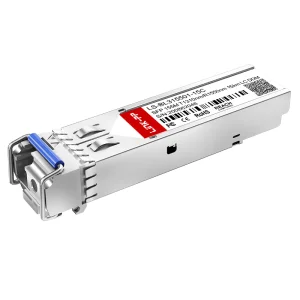
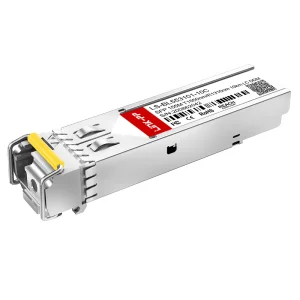
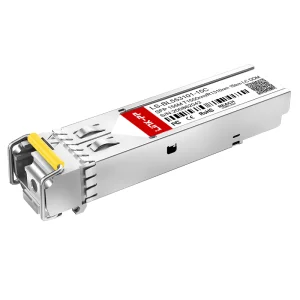
Using Wavelength Division Multiplexing (WDM) to transmit and receive on a single strand of fiber (e.g., 1310nm-TX/1550nm-RX), saving fiber resources.
Browse our verified range of transceivers. 100% compliant with network management systems and industrial hardware configurations.
Detailed technical advice for systems engineers and purchasing managers in Australia.
OptiLinker maintains an extensive library of vendor firmware codes. Before programming, we verify the EEPROM requirements for specific models (e.g. Moxa SFP-1FEMLC-T or Hirschmann M-FAST SFP). The modules are then flashed and real-system tested in original host machines, ensuring seamless integration without triggering "unsupported transceiver" warnings.
Standard commercial transceivers are rated for 0°C to 70°C. In Australian mine sites, transport cabinets, or power substation yards, interior cabinet temperatures often exceed 70°C. Commercial transceivers operating under these conditions degrade rapidly, leading to laser drift, packet loss, and link dropout. Industrial-grade modules utilize hardened components (e.g., custom thermoelectric coolers and high-durability lasers) to maintain signal integrity up to 85°C.
Yes, provided that the physical and optical properties align. A BiDi link requires a matching pair where one side transmits at a wavelength the other side receives. For example, a 1310nm-TX/1550nm-RX transceiver must be paired with a 1550nm-TX/1310nm-RX transceiver at the other end. The vendor software only needs to be compatible with the respective switches at each local terminal.
Each batch undergoes automated optoelectronic testing, including Optical Eye Diagram mask margins (ensuring clean signal transmission), Bit Error Rate (BER) analysis (tested down to 10^-12), extinction ratio, and transmitter optical power. In addition, periodic accelerated aging tests under high humidity and thermal stress are conducted to ensure lifetime reliability.
Standard inventory items ship within 24 to 48 hours. Custom programmed compatibility batches are produced and dispatched within 3 to 5 working days. We utilize DHL Express and FedEx Air Freight, delivering directly to Australian capital cities (Sydney, Melbourne, Brisbane, Adelaide, Perth) and major mining hubs in Western Australia within 3 to 5 business days.
Get in touch with our engineering team for customized compatibility programming, bulk discounts, and rapid shipping estimates to Australia.