OptiLinker
OptiLinker
OptiLinker
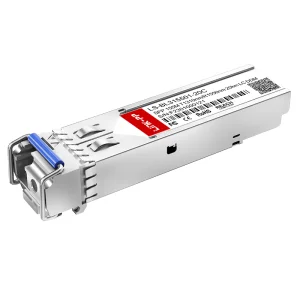
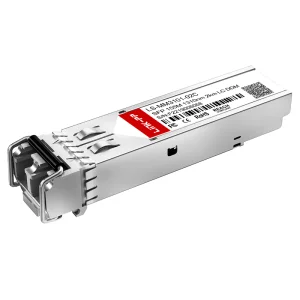
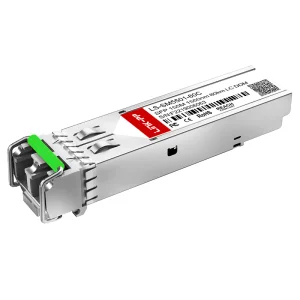
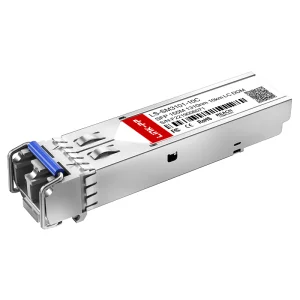
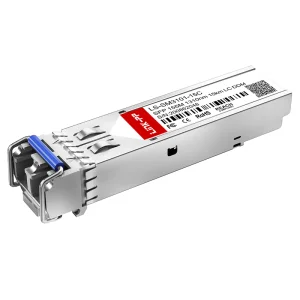
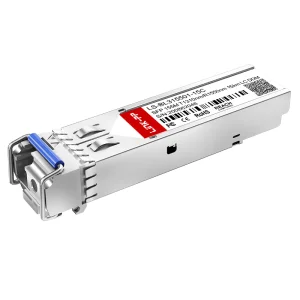
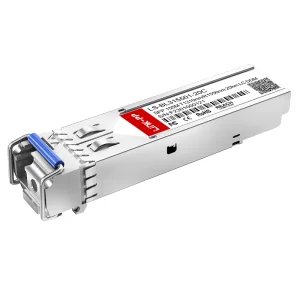
These high-reliability 155M optical modules are engineered for complete compatibility with major Singapore industrial ethernet infrastructures, providing seamless connectivity for legacy and modern hybrid nodes.
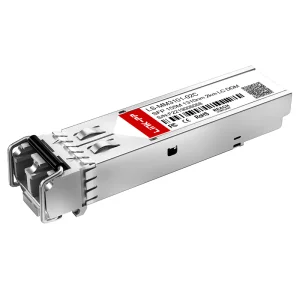
As a global financial hub, maritime epicenter, and pioneering Smart Nation, Singapore maintains some of the most advanced digital infrastructures in the world. However, the backbone of this digitalization does not rely solely on high-speed 100G/400G hyperscale data centers. Critical utilities, automated transit systems (MRT), offshore marine terminals, and processing plants rely heavily on deterministic, ultra-stable legacy networks running 155M (Fast Ethernet / STM-1) and 622M (STM-4) optical rates.
Industrial networks require extreme long-term stability and specific protocols (such as SDH/SONET and Industrial Ethernet) that prioritize deterministic low latency over raw bandwidth. For companies operating in Jurong Island, the Tuas Megaport, or managing municipal water and energy grids, replacing functional legacy equipment with high-speed networks is cost-prohibitive and technically counterproductive. The procurement of rugged, high-specification 155M and 622M SFP transceivers is essential to keep these vital networks running without interruption.
In optical communications, 155 Mbps (equivalent to STM-1 / OC-3) and 622 Mbps (equivalent to STM-4 / OC-12) represent foundational transmission rates. Understanding the optical budgets, receiver sensitivity, and laser configurations is key for network engineers purchasing SFP modules to integrate into proprietary switches (such as Moxa, Hirschmann, Cisco, and Siemens).
| Interface Standard | Typical Wavelength (nm) | Fiber Type | Transmission Distance | Tx Power (dBm) | Rx Sensitivity (dBm) |
|---|---|---|---|---|---|
| 100BASE-FX / STM-1 MMF | 1310nm | Multi-Mode (MMF) | 2 km | -20 to -14 | < -32 |
| 100BASE-LX / STM-1 SMF | 1310nm | Single-Mode (SMF) | 10 km / 15 km / 20 km | -15 to -8 | < -34 |
| 100BASE-ZX / STM-1 SMF | 1550nm | Single-Mode (SMF) | 80 km | -5 to 0 | < -38 |
| STM-1 BiDi Simplex | 1310nm-TX / 1550nm-RX | Single-Mode (SMF) | 10 km to 40 km | -14 to -8 | < -32 |
| STM-4 MMF (622M) | 1310nm | Multi-Mode (MMF) | 500 m / 2 km | -18 to -14 | < -28 |
| STM-4 SMF (622M) | 1310nm / 1550nm | Single-Mode (SMF) | 15 km to 80 km | -15 to -3 | < -30 |
In critical Singapore applications—such as substation monitoring for SP Group or automated rail networks—preventative maintenance is mandatory. DDM (Digital Diagnostics Monitoring) allows real-time measurement of five key parameters:
Allows technicians to flag heat buildup in sealed outdoor distribution boxes before components fail.
Monitors the health of the internal laser diode, warning if output drops below acceptable operational levels.
Identifies optical path degradation, fiber micro-bends, or dirty optical connector interfaces.
Singapore’s Land Transport Authority (LTA) utilizes high-reliability fiber systems to run Communication-Based Train Control (CBTC). Trackside control cabinets utilize 155M SFP transceivers (often compatible with Hirschmann or Moxa switches) to transmit latency-critical telemetric signaling to regional hubs. OptiLinker’s extended temperature range transceivers guarantee zero packet loss under continuous trackside vibration and variable tropical temperatures.
Petrochemical processing facilities on Jurong Island demand network designs with high immunity to electrical surges and spark risks. Fiber networks using 155M/622M SFP transceivers isolate communication loops, preventing any threat of static discharge. The use of robust BiDi (Bidirectional) single-mode fibers halves the cabling requirements across large refinery yards, saving physical tray space and reducing installation costs.
Under the IEC 61850 compliance framework, Singapore's power transmission substations must maintain high electromagnetic compatibility. OptiLinker’s 155M SFP transceivers with Class 1 Laser Safety and metal enclosures provide robust shielding against EMI. These optical modules interface directly with RTUs (Remote Terminal Units) to report electrical grid stability parameters with sub-millisecond precision.
OptiLinker Optoelectronics Co., Ltd. is a specialized optical transceiver manufacturer and solutions provider operating under the brand OptiLinker. Founded in 2016, we maintain a highly specialized, cleanroom-oriented production facility with a total building footprint of approximately 320 square meters. Focusing our space on micro-alignment tooling and advanced optoelectronic test stations allows us to maximize quality and yield for high-precision components.
With 12 years of industry experience and 8 years of export operations, OptiLinker achieved an annual export revenue of approximately USD 12 million in the past year. We support telecom operators, systems integrators, and industrial network equipment manufacturers across Southeast Asia, North America, Europe, and the Middle East.
Our manufacturing advantage is rooted in China's robust optical component ecosystem, providing immediate access to premium laser chips, optical headers (TOSA/ROSA), and electronic components. This proximity, combined with our automated testing systems (AOI inspection, Bit Error Rate testing, and high/low temperature chambers), allows us to offer short lead times and competitive pricing without compromising reliability.
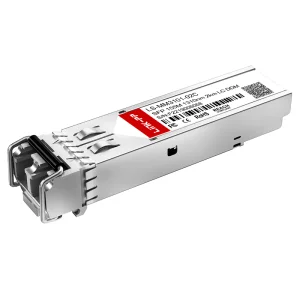
Browse our full range of single-mode, multi-mode, and bidirectional transceivers, designed to meet the strict quality standards of Singaporean industrial network applications.
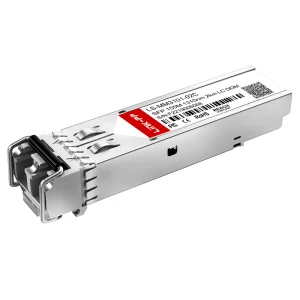
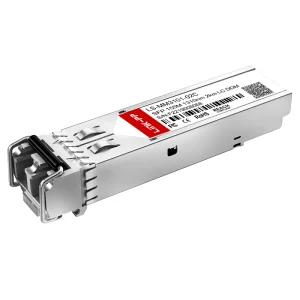
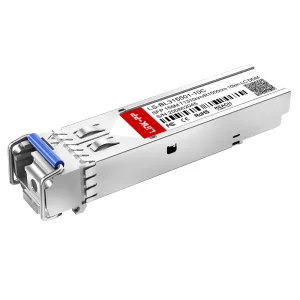
To ensure complete project integration, we maintain matching transmission wavelengths and optical power budgets for complementary nodes.
Network infrastructure in Singapore is regulated under strict standards enforced by the Infocomm Media Development Authority (IMDA). Devices installed in public and private networks must comply with relevant safety, electromagnetic compatibility, and connection specifications.
OptiLinker’s optical transceivers are designed and tested to comply with international regulations, including CE, FCC, RoHS, and UL safety criteria. This compliance guarantees that our products meet the required technical parameters for integration into municipal and corporate networks across Singapore.
To support high-reliability environments, our optical transceivers undergo a comprehensive testing process before shipment. Our quality control protocols are structured to ensure performance across demanding operational environments:
A primary concern for network engineers deploying SFP modules is software compatibility with host switches. Many manufacturers apply vendor locks that prevent third-party transceivers from operating in their slots.
OptiLinker provides compatibility programming for major hardware vendors used in Singaporean industrial infrastructure, including:
Our engineering team programmatically configures the SFP EEPROM to match the specific vendor's cryptographic keys and firmware requirements.
Our production facilities utilize automated equipment to build, code, and test every optical module to high precision standards.


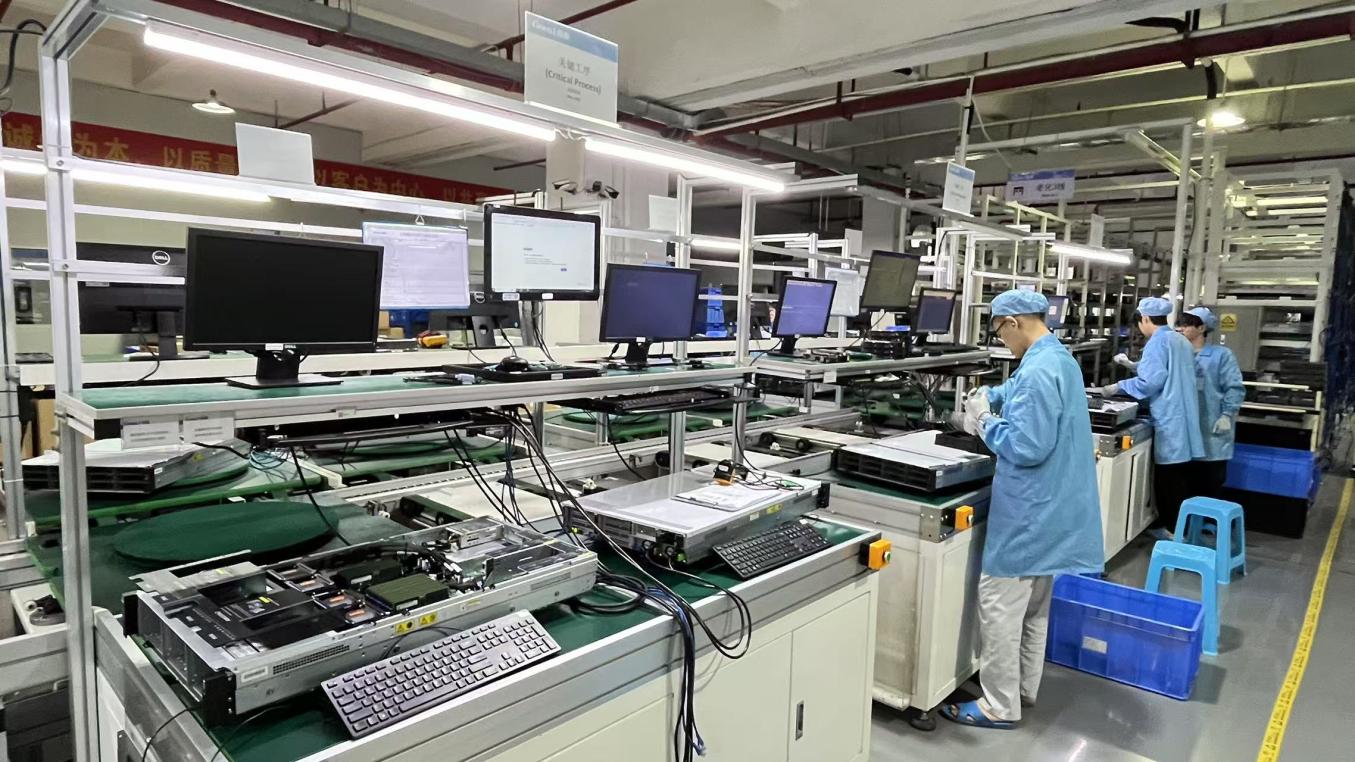
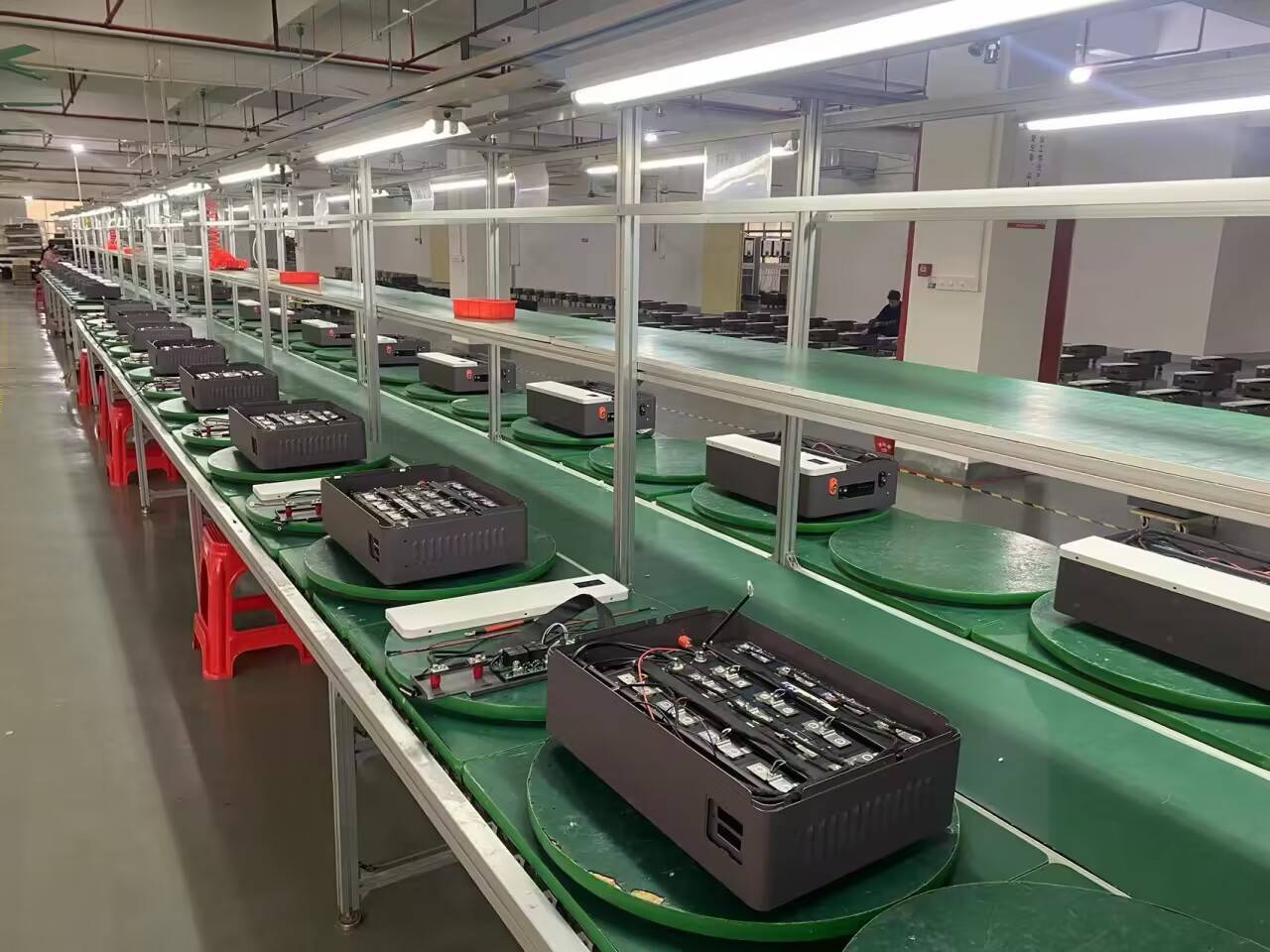
Technical and procurement answers designed for network engineers and procurement managers sourcing optical modules for Singapore networks.
Upgrading a city-scale industrial control system (like MRT train control or power distribution) involves high costs and risks. 155M (Fast Ethernet / STM-1) and 622M (STM-4) connections provide sufficient bandwidth for SCADA telemetric signals and serial communications. These systems prioritize low latency and deterministic packet delivery over raw bandwidth. Replacing these stable connections is often unnecessary when reliable transceiver supply is maintained.
This depends on the host switch firmware. Some switches (like Moxa and Cisco) support multi-rate options, allowing their Gigabit ports to downspeed to 100 Mbps when a 155M SFP is inserted. Other switches have ports locked to 1 Gbps. During procurement, please specify your switch model so our engineers can configure the SFP firmware to support your hardware's slot characteristics.
The "EEC" suffix indicates an Extended Environmental Temperature range. Standard commercial SFP modules operate from 0°C to 70°C. Industrial EEC-grade modules are rated to operate from -40°C to +85°C. This makes them suitable for outdoor enclosures, railway cabinets, and maritime environments in tropical climates like Singapore, where passive cooling enclosures can reach high internal temperatures.
Our engineering team programs the SFP’s internal EEPROM (under the SFF-8472 standard) with vendor-specific configuration data and checksum values. We maintain a library of vendor firmware codes to verify compatibility, ensuring our modules are recognized by host switches as original equipment.
Orders are typically dispatched from our factory within 5 to 10 business days, depending on custom programming requirements. Shipping via air cargo to Singapore Changi Airport takes approximately 2 to 3 days. Under the China-Singapore Free Trade Agreement (CSFTA), we can provide the necessary documentation to assist with import clearance and tax applications.
Get in touch with OptiLinker’s engineering and sales team for detailed technical support, compatibility confirmation, and volume pricing.