OptiLinker
OptiLinker
OptiLinker
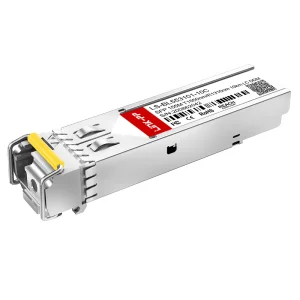
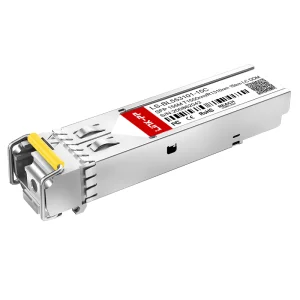
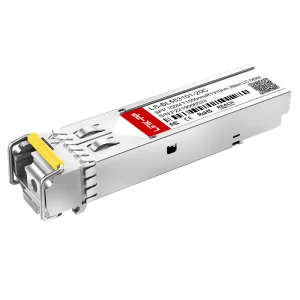
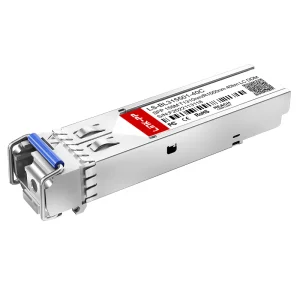
High-reliability Fast Ethernet and legacy optical transceivers engineered for immediate deployment in Santiago's industrial networks.
Santiago de los Caballeros, the economic powerhouse of the Dominican Republic's Cibao Valley, has evolved into a vital hub for free zone manufacturing (Zona Franca Industrial de Santiago), medical device assembly, textile logistics, and commercial telecommunications. As industrial enterprises transition into Industry 4.0 automation, the demand for deterministic, highly stable optical communication links has accelerated exponentially.
While global hype focuses heavily on hyper-scale 400G/800G data center modules, legacy 155M Fast Ethernet (100BASE-FX/LX/ZX) and 622M (STM-4/OC-12) Small Form-factor Pluggable (SFP) modules remain the critical backbone for mission-critical infrastructure across Santiago. From Substation SCADA networks and PLC automated assembly lines in Víctor Espaillat Mera Industrial Park to rural wireless backhaul networks deployed by regional ISPs, 155M and 622M optical transceivers provide unmatched noise immunity, low latency, and long-reach link budgets over single-mode and multi-mode fiber.
Engineering breakdown of optical budgets, transmitter physics, and protocol compliance for systemic procurement advantage.
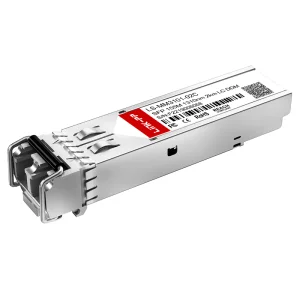
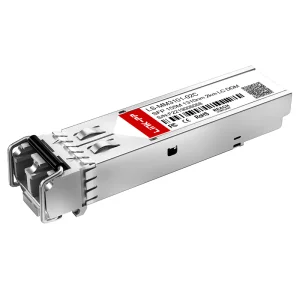
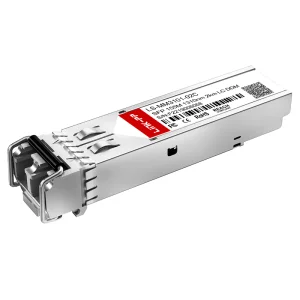
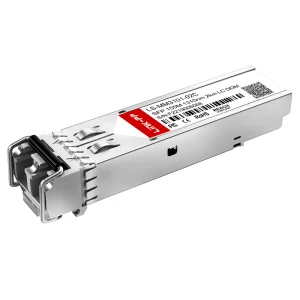
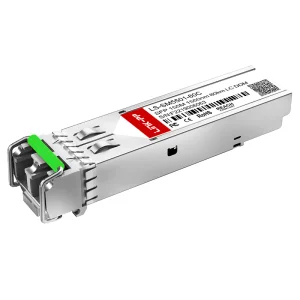
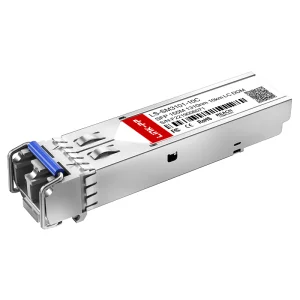
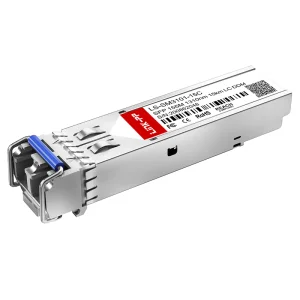
Operating under the IEEE 802.3u (100BASE-FX / LX / ZX) standard, 155M SFP modules utilize Fabry-Perot (FP) or DFB lasers paired with PIN photo-detectors. Engineered specifically for legacy SONET OC-3 / SDH STM-1 networks, these modules deliver superior link budgets up to 80km over G.652 single-mode fiber.
Designed for intermediate transport layers and digital loop carriers, 622Mbps SFPs fulfill ITU-T G.957 specifications. Featuring high-sensitivity APD (Avalanche Photodiode) receivers, these transceivers ensure extremely low Bit Error Rates (BER < 10-12), preventing packet dropouts across wide-area telecom trunks.
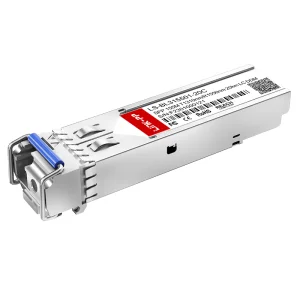
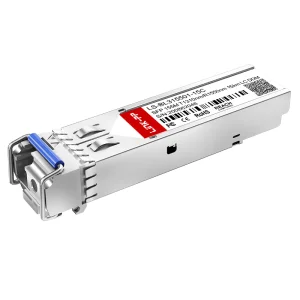
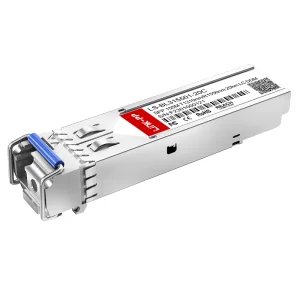
Single-strand Bidirectional (BiDi) transceivers utilize Wavelength Division Multiplexing (WDM) to send and receive optical signals on different wavelengths (e.g., 1310nm-TX / 1550nm-RX) over a single LC strand. This cuts physical fiber plant deployment costs dramatically across urban Santiago installations.
When selecting 155M and 622M SFP transceivers for industrial automation equipment—such as Hirschmann rail switches, Moxa EtherStax, or Cisco Industrial Ethernet (IE) series deployed in Santiago—optical system engineers must evaluate critical physical parameters:
Direct Factory OEM/ODM Supplier Partnering with Santiago & Global Network Integrators
OptiLinker Optoelectronics Co., Ltd. (OptiLinker) is a professional optical transceiver manufacturer and solution provider under the brand OptiLinker (www.optilinkertrans.com), specializing in high-speed optical communication modules for global data center and telecom applications.
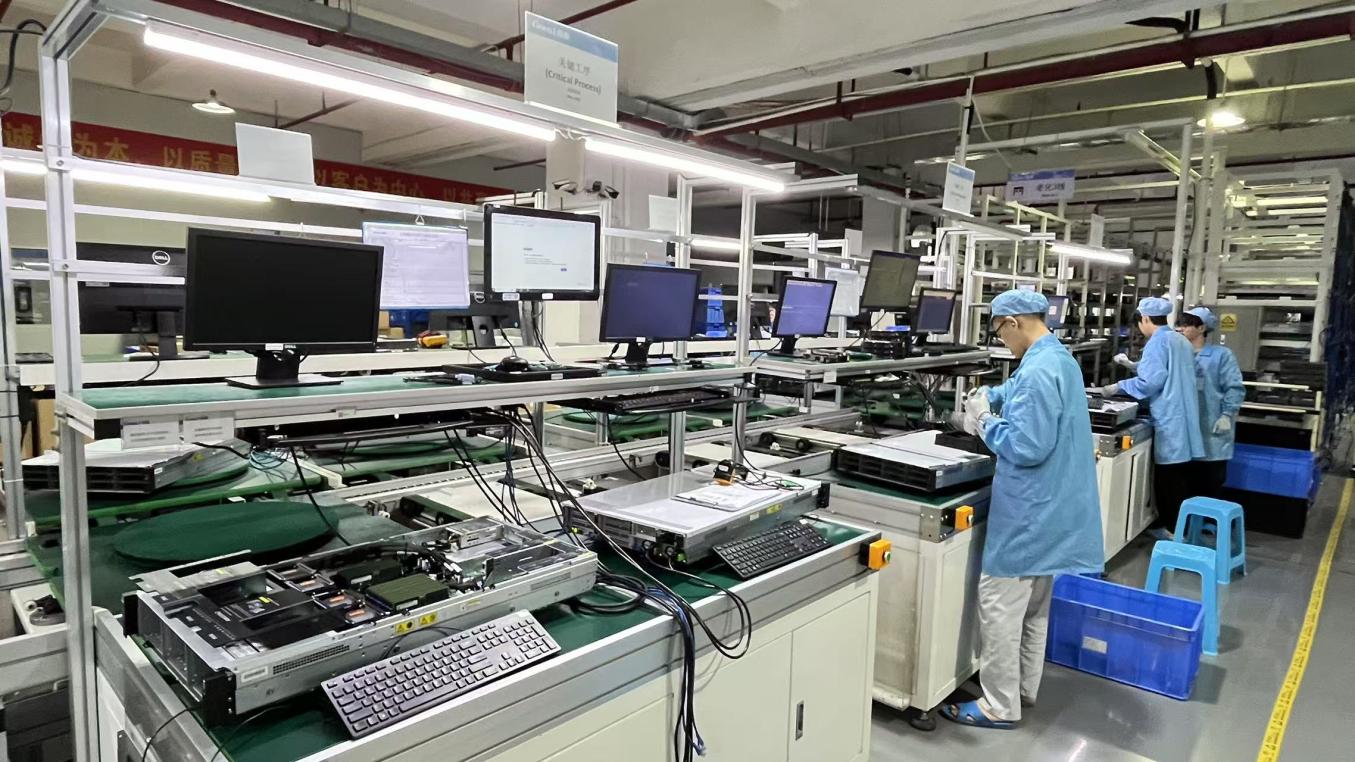
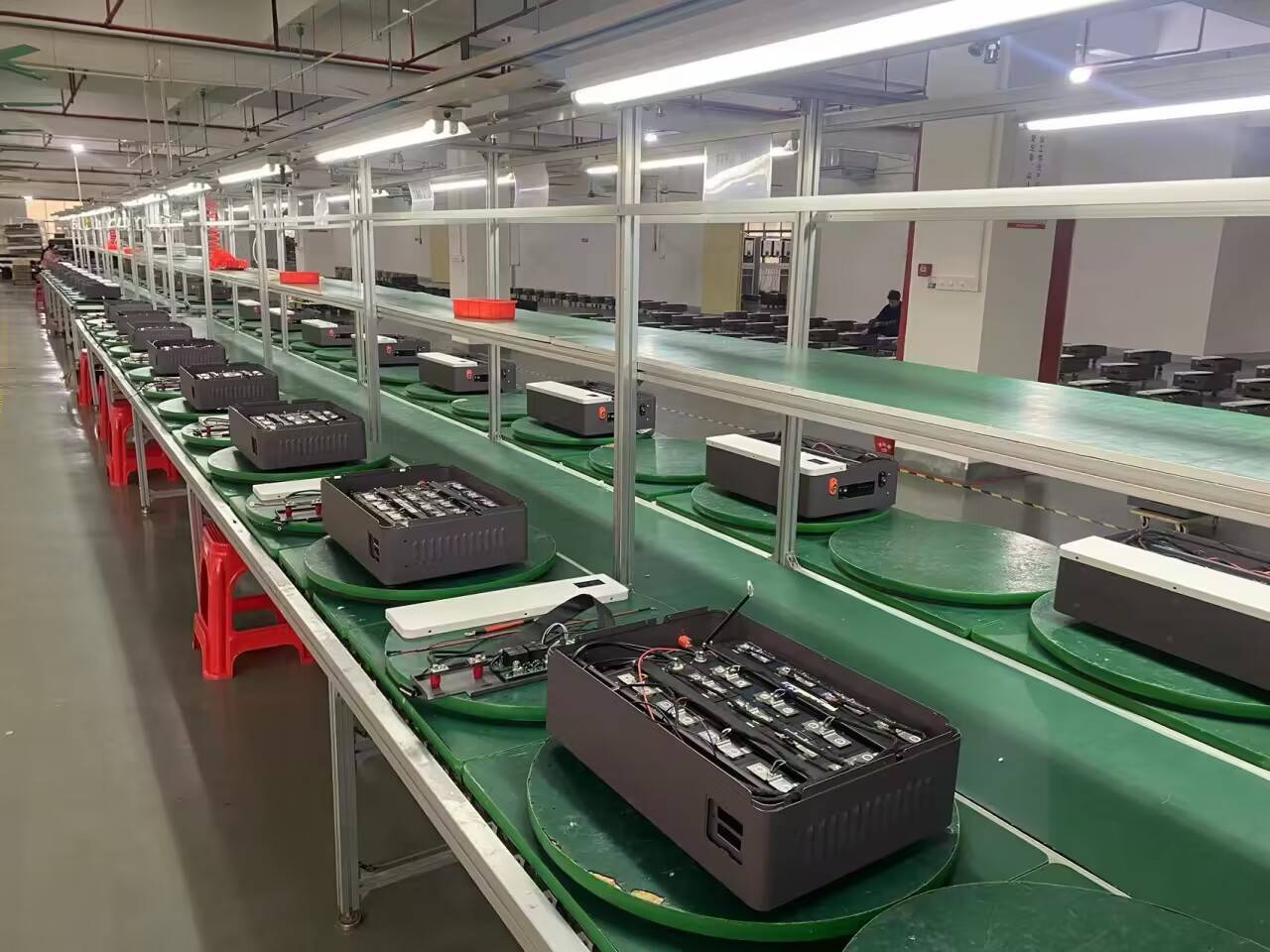
Founded in 2016, OptiLinker operates a modern production facility with a total building area of approximately 320㎡. With continuous development in optical communication technology, the company has accumulated over 12 years of industry experience and approximately 8 years of export experience.
Quality assurance is a core focus at OptiLinker. The company implements 100% incoming material inspection, AOI automated optical inspection, and full optical performance testing. Product verification includes BER testing, eye diagram analysis, and high/low temperature cycling tests, ensuring stable performance under demanding network environments. The quality control team consists of 35 dedicated QC professionals.
OptiLinker collaborates with a global supply chain network of approximately 850 partners, serving telecom operators, data centers, system integrators, and networking equipment manufacturers. Supported by a team of 60 experienced optical engineers, OptiLinker offers flexible customization options including wavelength tuning, transmission distance, packaging form factors, firmware coding, and device compatibility programming. In the last year alone, OptiLinker launched approximately 120 new optical transceiver products.


Tailored optical interconnection solutions addressing real-world deployment challenges in the Cibao region.
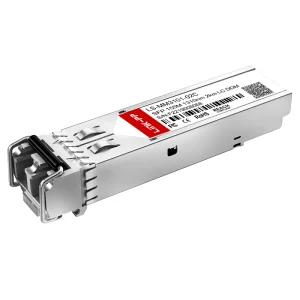
Industrial textile mills, medical device manufacturing, and electronics assembly plants across Santiago require deterministic, latency-free network control. Replacing copper Ethernet with 155M Hirschmann-compatible multimode SFP modules (SFP-FAST-MM/LC-EEC) eliminates ground loop issues and electro-magnetic interference caused by heavy industrial machinery, ensuring zero frame loss during continuous production shifts.
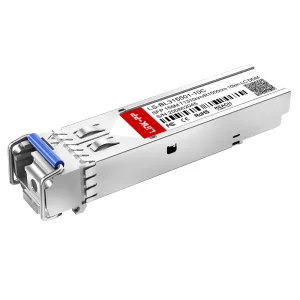
Santiago's smart transportation initiatives require connecting hundreds of remote roadside IP cameras to central monitoring facilities. Using 155M BiDi Simplex Single-Mode SFPs (1310nm-TX / 1550nm-RX 20km) allows municipal contractors to run bidirectional high-definition video feeds over a single fiber strand, doubling existing duct cable capacity without expensive trenching.
Electric power distributors in Northern Dominican Republic rely on 622M and 155M SFPs plugged into IEC 61850-compliant switches. These modules transmit critical relay protection signals and tele-control telemetry between substations and control centers. OptiLinker's extended optical budgets (up to 80km ZX) ensure signal integrity across long geographic distances.
Regional telecommunications service providers in Santiago utilize 155M/622M SFP transceivers inside Digital Loop Carriers (DLC) and GPON OLT optical node switches to deliver ultra-reliable voice, legacy TDM, and Fast Ethernet services to commercial offices and suburban residential centers.
Why Santiago procurement managers and IT system integrators choose OptiLinker for legacy transceiver sourcing.
Branded network original equipment manufacturers (OEMs) mark up 155M/622M transceivers up to 500%. Buying direct from OptiLinker China factories provides genuine MSA-compliant modules at factory-direct pricing, preserving project budgets.
Legacy switches often require vendor-specific device coding (e.g., Moxa, Hirschmann, Cisco, Alcatel). OptiLinker codes exact A0h and A2h EEPROM tables on-site, guaranteeing 100% plug-and-play recognition without vendor error flags.
While tier-1 manufacturers phase out 155M and 622M products to push expensive upgrades, OptiLinker maintains active, continuous production lines for legacy optical components, guaranteeing supply for 10+ year lifecycle projects.
Expert answers to technical procurement and technical integration queries in Santiago de los Caballeros.
Browse our extensive inventory of Single-Mode, Multi-Mode, BiDi, and Long-Reach 80km Optical Modules.
Partner directly with OptiLinker for factory-direct 155M and 622M SFP transceivers, custom EEPROM firmware compatibility, and technical engineering support tailored for the Dominican Republic.
Send Inquiry Now