OptiLinker
OptiLinker
OptiLinker
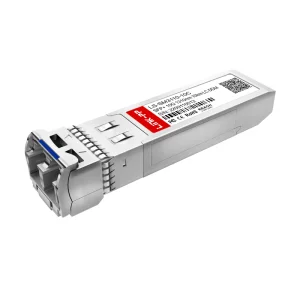
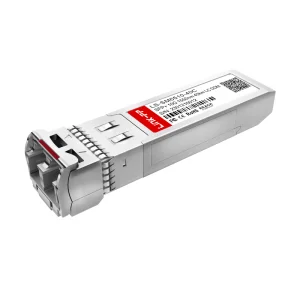
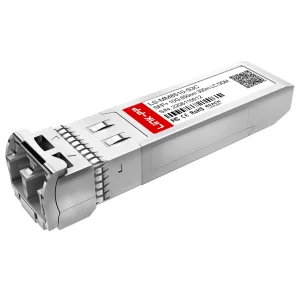
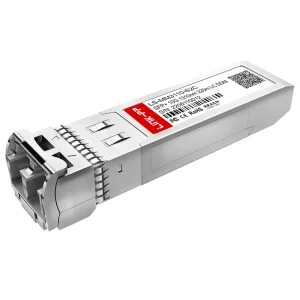
Boston, often hailed as the "Athens of America," is not only a hub for education but a global titan in biotechnology, financial services, and high-tech manufacturing. The Route 128 corridor, often referred to as America's "Technology Highway," demands an infrastructure that can handle massive data throughput. From the high-performance computing centers at MIT and Harvard to the specialized medical imaging requirements of the Mass General Brigham network, the demand for 10G and 16G SFP+ modules is at an all-time high.
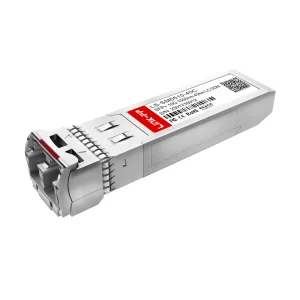
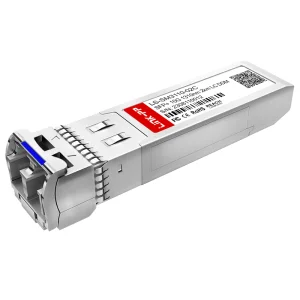
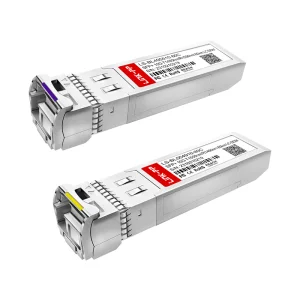
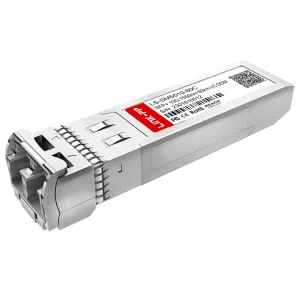
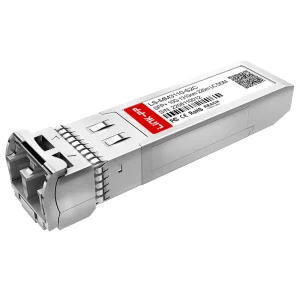
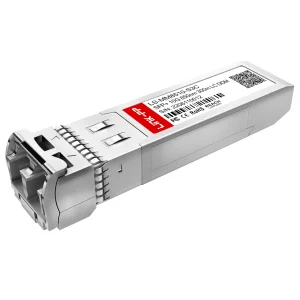
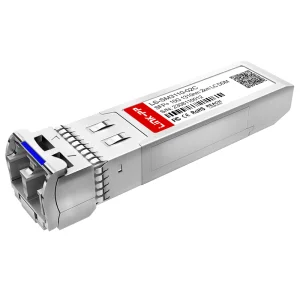
In Boston's dense urban environment, where laying new fiber is prohibitively expensive, 10GBASE-LRM and Bidi (Bidirectional) SFP+ modules offer a strategic advantage. These modules allow enterprises to maximize their existing fiber plant, providing 10Gbps speeds over legacy multimode fiber or doubling capacity on single-mode fiber. As Boston transitions into a leading "Smart City," these optical components serve as the nervous system for municipal IoT and 5G small cell backhaul.
Genomic sequencing and clinical data processing in the Seaport District require low-latency 10G SFP+ links to bridge lab equipment and local data centers.
Boston's financial giants rely on 16G Fibre Channel SFP+ modules for Storage Area Networks (SAN), ensuring zero-data-loss transactions and rapid backup.
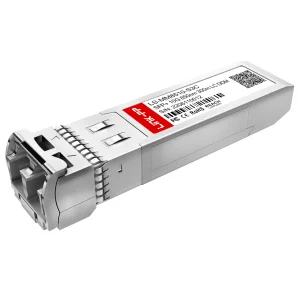
University-wide campus networks utilize 10GBASE-SR and LR modules to connect distributed research facilities across Cambridge and Back Bay.
The global optical transceiver market is undergoing a paradigm shift. While 400G and 800G modules are dominating the headlines in hyperscale data centers, the 10G/16G SFP+ form factor remains the "Workhorse of the Industry." The global expansion of 5G infrastructure and the proliferation of Edge Computing have created a secondary surge in demand for 10G modules, which are cost-effective, thermally efficient, and highly compatible.
International procurement trends show a shift toward multi-vendor compatibility. Tier-1 operators in Europe and North America are increasingly bypassing "brand-locked" optics in favor of high-quality, 100% compatible alternatives from specialized manufacturers like OptiLinker. This trend is driven by the need for supply chain resilience and significant OpEx savings without compromising on technical standards like SFF-8431 and IEEE 802.3ae.
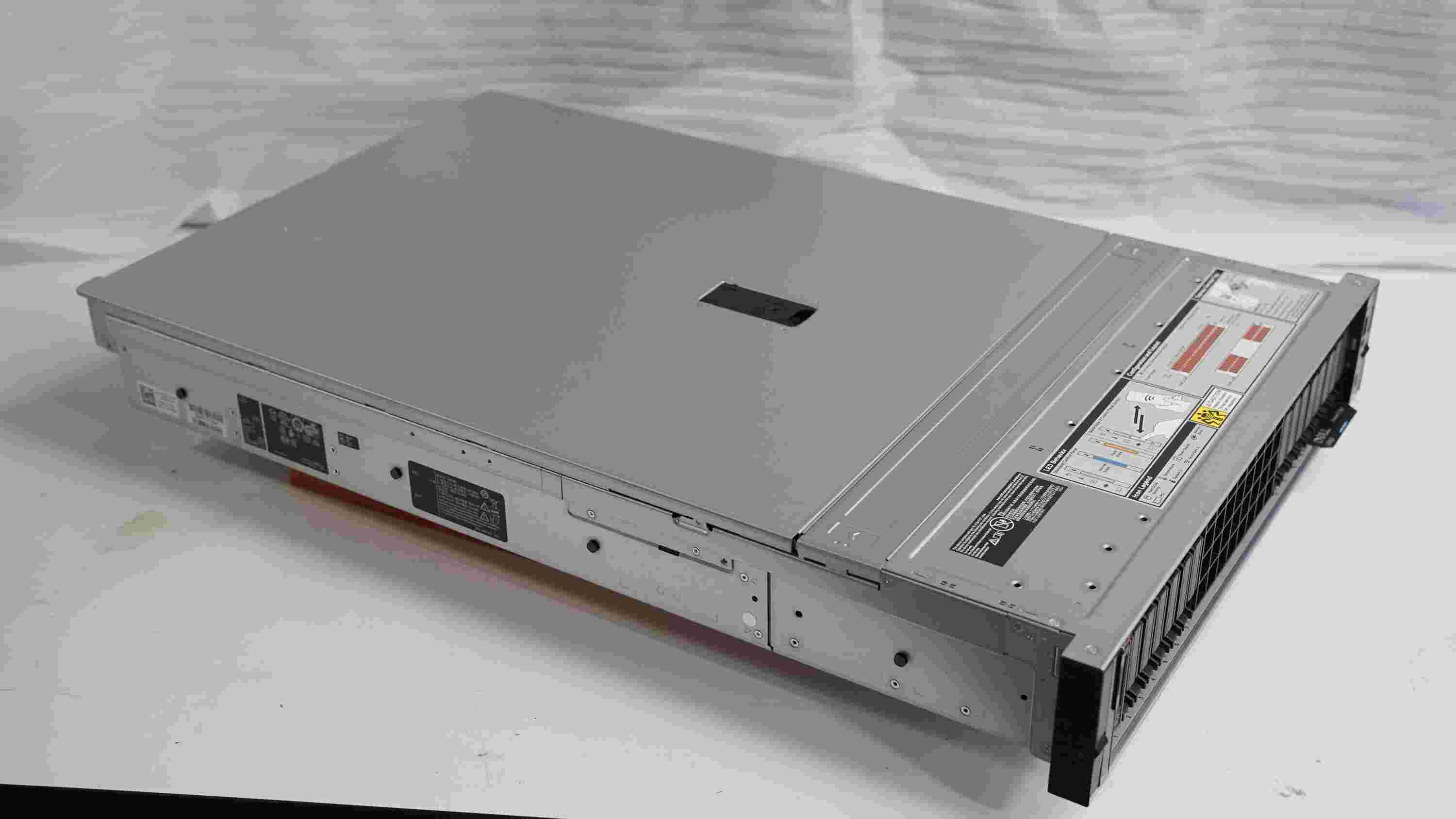
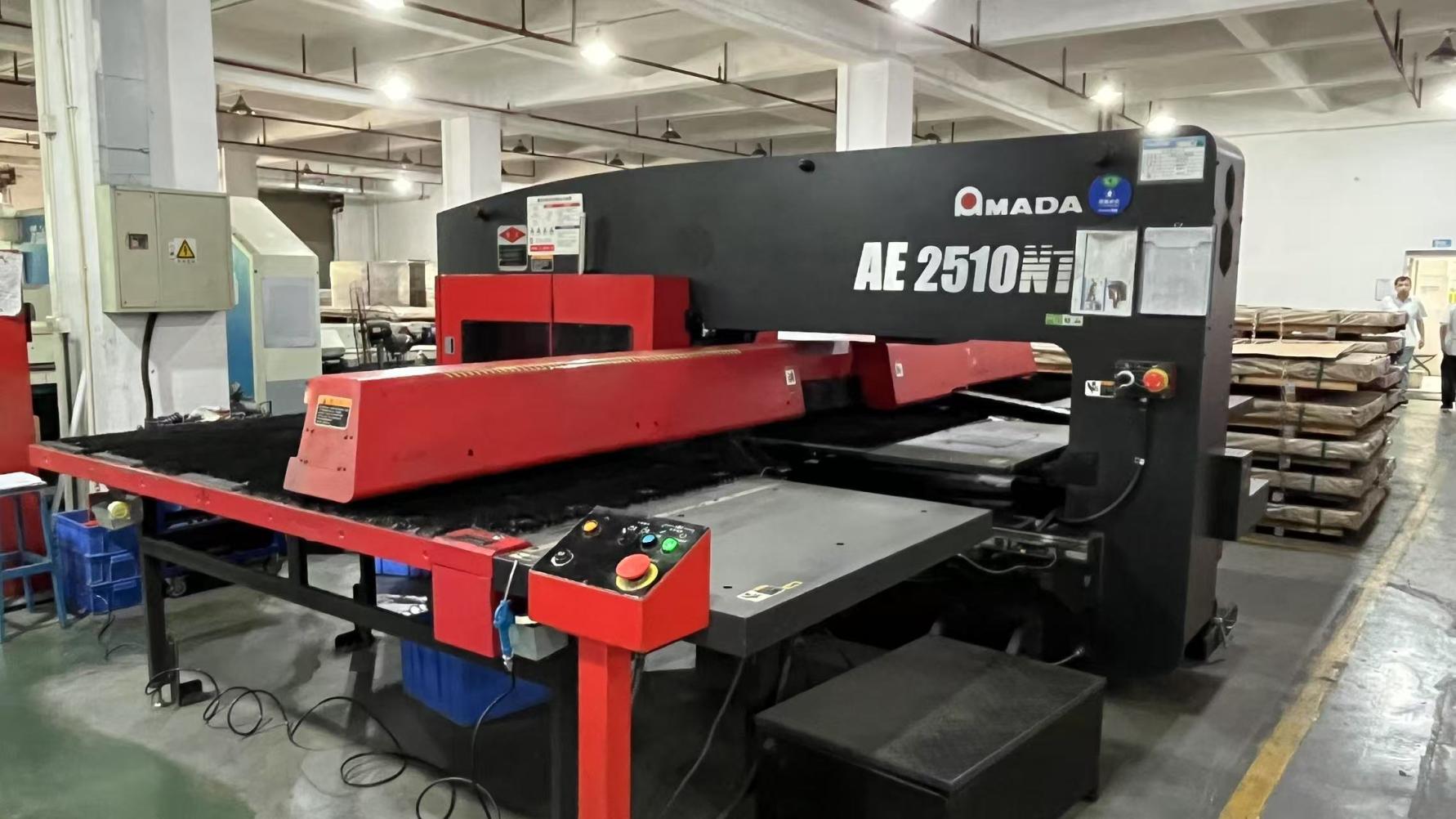
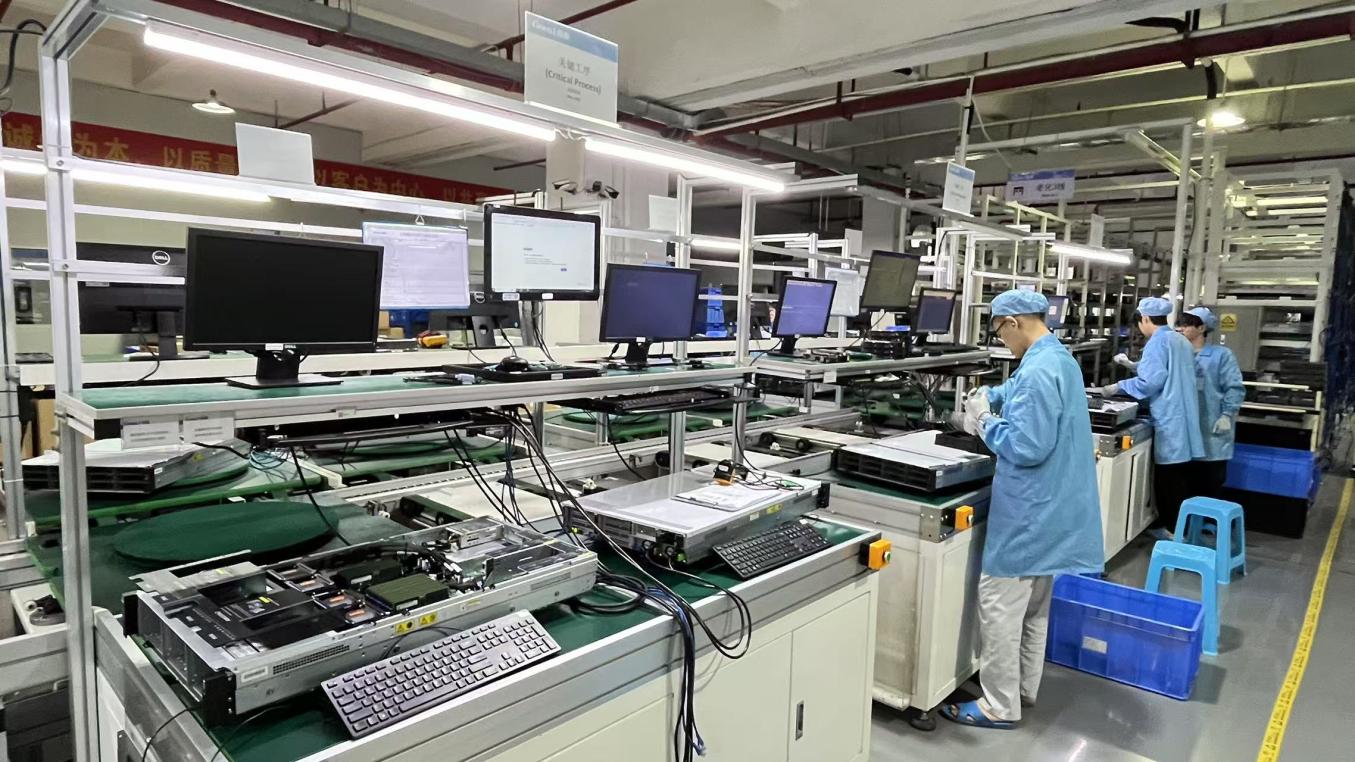
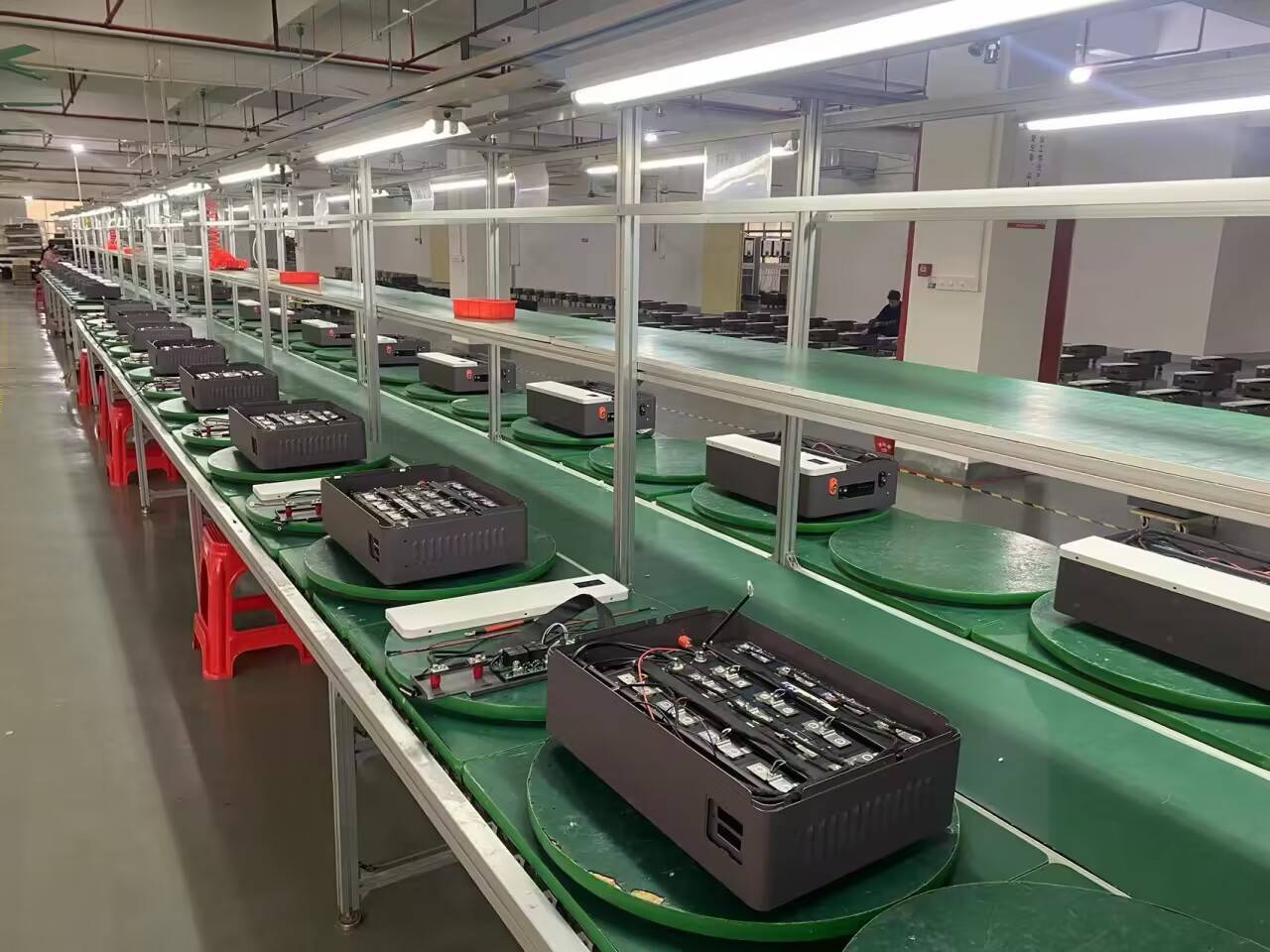
Based in the heart of China’s optical communication hub, OptiLinker Optoelectronics Co., Ltd. represents the pinnacle of modern manufacturing efficiency. Our facility leverages a vertically integrated supply chain that allows for rapid prototyping and mass production at a fraction of the lead time required by Western competitors.
Why choose a Chinese-based manufacturer for your Boston-based enterprise?
Looking toward 2025 and beyond, several key trends are shaping the SFP+ landscape:
1. Industrial-Grade Reliability: With more networking equipment placed in uncontrolled environments (edge nodes, outdoor cabinets in New England winters), the demand for "I-Temp" (Industrial Temperature) modules (-40°C to +85°C) is skyrocketing.
2. Low Power Consumption: Sustainability is a priority. Modern 10G SFP+ designs are pushing power consumption below 0.8W per module, reducing the thermal load on high-density switches and lowering Cooling PUE in data centers.
3. Advanced Diagnostics (DOM/DDM): Real-time monitoring of optical power, temperature, and voltage is no longer optional. Modern E-E-A-T principles require that manufacturers provide modules with highly accurate Digital Optical Monitoring for predictive maintenance.
Founded in 2016, OptiLinker Optoelectronics Co., Ltd. (OptiLinker) has emerged as a professional vanguard in the optical transceiver industry. Under the brand OptiLinker (www.optilinkertrans.com), we focus on high-speed optical communication modules that empower the global digital economy.
With 12 years of industry experience and 8 years of export prowess, we understand the nuances of international trade. Our annual export revenue of USD 12 million is a testament to the trust our clients in North America and Europe place in us. Our team of 35 dedicated QC professionals and 60 optical engineers work tirelessly to ensure that every module meeting the OptiLinker name is a symbol of reliability.
Our collaboration with over 850 supply chain partners ensures that even during global chip shortages, we maintain a stable production capacity, delivering components when our customers in Boston and beyond need them most.
A: Yes. Each module is programmed and tested in our lab with the specific vendor's original switch. We maintain a library of over 100 brands' firmware to ensure 100% compatibility and DOM functionality.
A: For standard 10G SFP+ modules, we maintain a high stock level. Shipping via international express (FedEx/DHL) typically takes 3-5 business days to reach Massachusetts after dispatch.
A: 10G SFP+ is primarily for Ethernet (networking), while 16G SFP+ is designed for Fibre Channel (storage networks). We manufacture both types to serve both data center networking and SAN storage needs.
A: We offer a 3-year warranty. Thanks to our AOI and full optical performance testing, our failure rate is less than 0.03%. If a failure occurs, we provide rapid advance replacement.
A: Absolutely. We offer comprehensive OEM/ODM services, including customized labeling, packaging, and specific firmware coding to match your brand's requirements.